
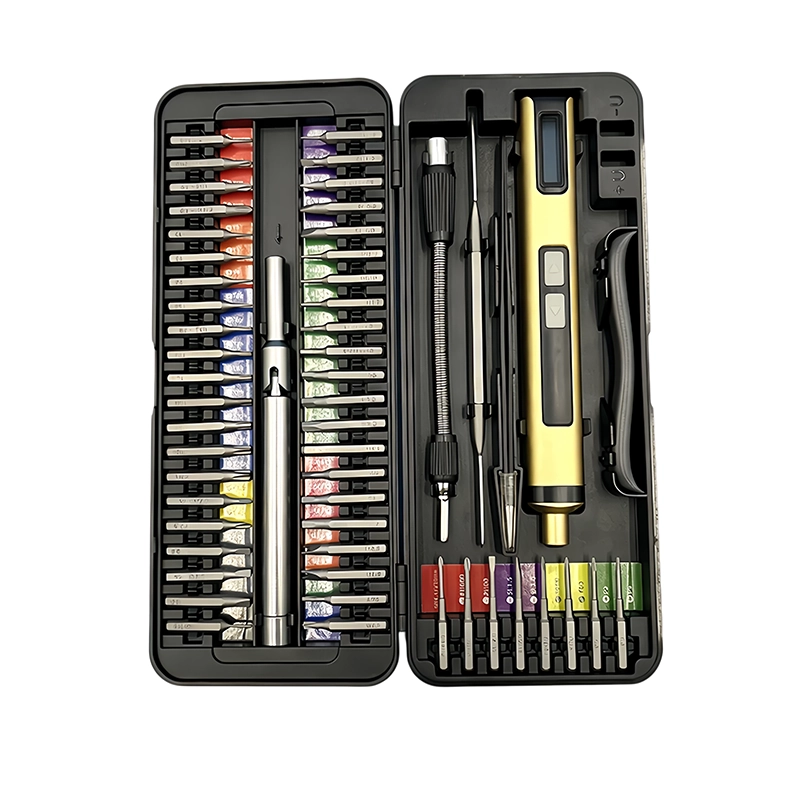
Small screws create big problems. A repair job can slow down because a screw head strips, a plastic post cracks, a bit slips inside a laptop hinge, or a technician loses rhythm after opening ten devices in a row. For phone repair shops, laptop repair users and careful DIY builders, a mini electric screwdriver kit is not only about speed. It is about controlled torque, clean bit fit, compact handling and a repair workflow that feels calm instead of rushed.
XOENAEN designs precision tools for electronics repair, DIY projects and professional users who need compact tools that behave predictably. This guide explains how to choose a mini electric screwdriver kit for real repair work, where manual tools still matter, and which details buyers should check before choosing a phone repair screwdriver kit or laptop repair tools.
Repair Pain Points: Why Small Screws Still Cause Expensive Mistakes
Electronics repair is full of tiny decisions. One screw may be shorter than another by less than a millimeter. One phone bracket may use a different head profile from the next model. A laptop bottom shell can hide long screws near the hinge and shorter screws near the battery. When users rush with the wrong tool, the result is familiar: rounded screw heads, damaged plastic mounts, scratched housings and wasted time.
A good mini electric screwdriver kit reduces those mistakes by keeping torque stable and making bit selection easier. The goal is not to force every screw out faster. The goal is to help the user work in a steady rhythm while still feeling the resistance of the screw and the material around it.
Material and Industrial Design: What Makes a Kit Feel Professional
For precision repair, the tool body should be balanced, the bit holder should stay centered, and the driver should stop before it damages delicate threads. S2 bits are often preferred for high-use precision sizes because they can hold sharper working edges when heat treatment and tip geometry are controlled. A compact aluminum or reinforced body can improve hand feel, but only if the tool remains light enough for detailed work.
The storage case also matters. A repair tool kit should not look impressive only in photos. The layout should make common bits easy to identify, protect sharp tips during transport, and keep accessories from mixing together. For retail customers, a clean case improves trust before the first screw is removed.
Manual vs Electric: The Real Difference
Manual screwdrivers are excellent for final tightening, stubborn screws and moments where the user wants maximum tactile feedback. A cordless screwdriver for DIY and electronics repair is strongest during repeated opening and closing work, especially when the same device type appears again and again.
| Tool Type | Best Use | Buyer Risk |
|---|---|---|
| Manual precision screwdriver | Final feel check and delicate tightening. | Slower during repeated repair tasks. |
| Mini electric screwdriver | Phone opening, laptop shell screws, cameras and consoles. | Poor torque control can damage screws. |
| Precision screwdriver set | Users who need many bit types and clean storage. | Weak bits make a large kit feel cheap. |
Why Choose XOENAEN
XOENAEN focuses on the user side of precision tools: repair benches, online buyers, DIY users, students, makers and small electronics workshops. Instead of only listing specifications, XOENAEN looks at how tools are held, stored, charged and used during a real repair flow.
That is why a XOENAEN mini electric screwdriver kit is planned around practical repair behavior: low-torque control, compact handling, useful bit selection, simple charging and an organized case. The tool should help a beginner feel safer and help an experienced technician move faster without losing control.
Real Case: A Mixed Phone and Laptop Repair Desk
A small repair desk handling phones, tablets and lightweight laptops tested a compact electric driver for repeated shell opening. Before the change, the technician used manual drivers for every screw because electric tools felt risky. After testing a low-torque precision driver on returned devices first, the workflow changed. The electric tool handled repetitive screws, while the manual driver stayed on the bench for final tightening and sensitive screws.
The improvement became clear over a day of work: less wrist fatigue, fewer misplaced bits, cleaner screw handling and a more professional customer-facing setup. This is the kind of practical advantage a well-designed phone repair screwdriver kit can deliver.
Selection Advice Before Buying
When choosing the best electric screwdriver for electronics repair, check more than speed. Look at the torque range, clutch behavior, bit material, charging method, grip diameter, case layout and accessory relevance. A kit with too many weak accessories can be less useful than a smaller kit with the right precision bits.
- Choose low and stable torque for phone and laptop work.
- Prefer useful bit sizes over inflated accessory counts.
- Check whether the driver is comfortable for long repair sessions.
- Look for USB-C charging and a clean storage case.
- Keep a manual screwdriver available for final tightening.
FAQ
Is a mini electric screwdriver kit safe for phone repair?
Yes, if it uses low and stable torque and the correct bit size. For sensitive screws, use the electric driver for removal and a manual screwdriver for final tightening.
Can one kit handle both phone and laptop repair?
A well-planned precision screwdriver set can cover both, but buyers should check Torx, Phillips, pentalobe and small hex sizes before choosing.
Conclusion: Choose Control Before Speed
The best mini electric screwdriver kit is not the fastest tool on a product page. It is the kit that helps users work with confidence: steady torque, clean bit fit, comfortable handling and a storage layout that supports real repair habits. XOENAEN precision tools are designed for electronics repair, DIY users and professional users who want compact tools that feel reliable every day.
Explore the XOENAEN product range or use Ask Xoenaen for tool recommendations.