
Plastic and resin finishing is delicate because the material reacts quickly to heat and pressure. A rough edge on a model, a burr on a printed part or a small cosmetic mark can become worse if the tool is too aggressive. A mini rotary tool for plastic should help users remove material gradually, polish cleanly and keep control close to the surface. XOENAEN treats this tool as a fine finishing instrument for DIY users, craft makers, repair counters and detail work rather than a heavy workshop grinder.
The pain point: melting, scratching and uneven finish
Plastic and resin can melt, smear or become cloudy when speed is too high or pressure is uneven. Users often make the mistake of forcing the accessory into the part. A mini rotary tool for plastic works best with light passes, correct accessory choice and good visibility. The aim is controlled finishing, not fast removal.
Accessory choice decides the result
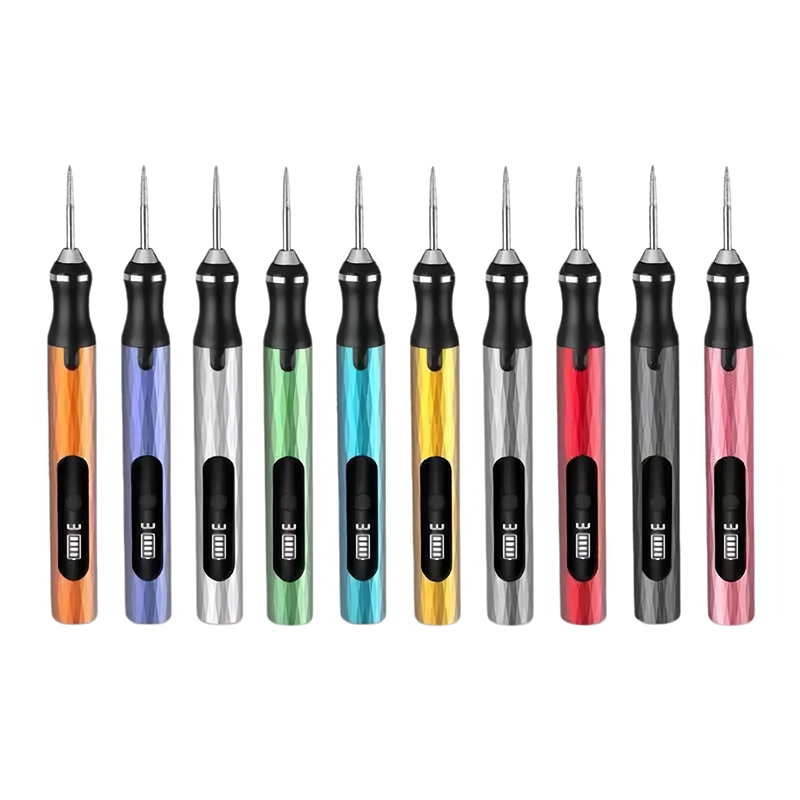
Sanding drums, soft polishing wheels, fine abrasive tips and small cutters all leave different surfaces. For resin and model polishing, start with less aggressive accessories and move slowly. A stable motor and low vibration reduce chatter marks. A pen-style body helps because the fingers stay close to the working point.
Why choose XOENAEN for detail finishing
XOENAEN develops compact precision tools for electronics repair, DIY and small finishing tasks. Our mini rotary tool direction focuses on grip comfort, accessory organization and practical polishing scenarios. Instead of selling power for its own sake, the product experience should help users make cleaner edges, smoother surfaces and more confident adjustments.
Mini rotary tool vs hand sanding
Hand sanding gives excellent feel, but it is slow on repeated edges or tight shapes. A mini rotary tool helps when the work includes many small areas, recessed corners or repeated finishing. The best workflow often combines both: use the rotary tool for controlled shaping and hand finishing for the final touch.
Case reference: improving model kit finishing
A hobby user building resin display parts struggled with gate marks and uneven seams. A full-size rotary tool felt too heavy, while hand sanding took too long. After switching to a mini rotary tool with light accessories, the user made shallow passes, then finished with fine sanding.
How to choose for plastic and resin
Look for a lightweight body, smooth speed control, low vibration and accessories suitable for polishing rather than only grinding. For craft work, storage and accessory labels matter because different tips can look similar. For repair work, choose a compact tool that is easy to hold near the tip and does not block your view.
FAQ
Q: Can a mini rotary tool melt plastic? A: Yes, if speed or pressure is too high. Use light passes and proper accessories. Q: Is it good for resin models? A: Yes, for careful polishing and edge cleanup. Q: Should I use eye protection? A: Yes, small debris can fly from rotating accessories.
Summary
A mini rotary tool for plastic is a control tool first and a power tool second. XOENAEN compact rotary tools are designed for users who need careful polishing, trimming and finishing on plastic, resin and small parts. Visit XOENAEN products or contact us for kit recommendations.
Choose XOENAEN Precision Tools
XOENAEN is a professional precision tool brand for electronics repair, DIY users and compact repair kits. Designed and manufactured by Shenzhen ToolQeen Technology.
View ProductsAsk XOENAEN