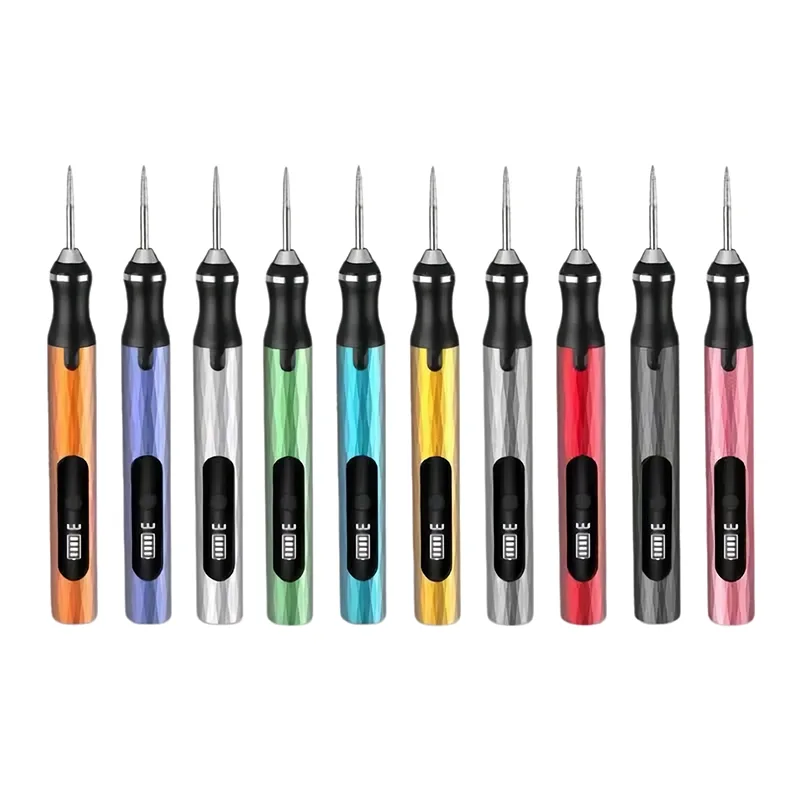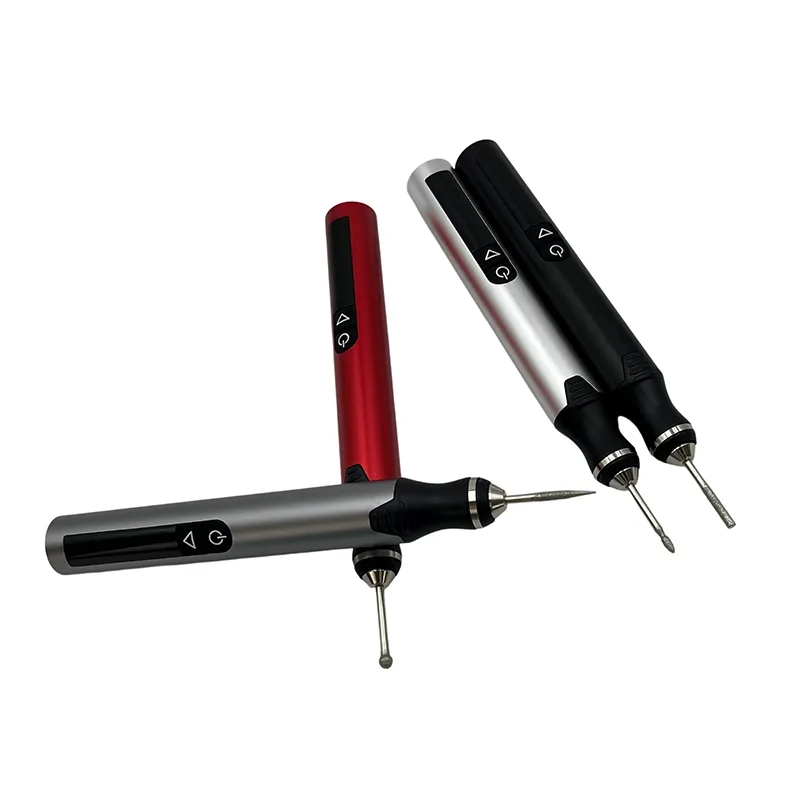
A mini rotary tool looks simple until the user tries to polish a tight corner, engrave a small surface, remove burrs, or finish a model part without damaging the material. Many buyers focus only on RPM, but real performance depends on control, accessory fit, vibration, battery stability, and how the tool behaves during detailed work.
XOENAEN develops compact rotary tools for precision users, repair technicians, DIY makers, and business partners who need a reliable product system instead of a generic mini grinder.
Quick Answer
A mini rotary tool for craft and repair should provide stable speed, low vibration, suitable accessories, comfortable handling, and safe control for engraving, polishing, deburring, model work, and small repair tasks. The best option is matched to material type, working detail, runtime, and accessory quality.
What Is A Mini Rotary Tool?
A mini rotary tool is a compact high-speed tool that drives small accessories such as grinding heads, polishing wheels, engraving tips, drill bits, and cutting discs. It is often used for detailed processing where a larger power tool is too heavy or too aggressive.
Common users include DIY makers, model builders, jewelry hobbyists, electronics repair technicians, small workshop operators, and online tool buyers.
Why Speed Alone Is Not Enough
High RPM can look impressive in a listing, but precision work needs balance. A tool that spins fast but vibrates heavily can scratch surfaces, break accessories, or make fine control difficult. A strong mini rotary tool for craft and repair should feel stable in the hand and provide predictable motion.
For business buyers, the issue is bigger. If the tool is sold online or through retail channels, unstable performance can create returns and poor reviews even when the product looks attractive.
Technical Parameters
| Parameter | Practical Meaning | Buyer Check |
|---|---|---|
| RPM Range | Determines cutting, grinding, and polishing behavior | Match speed to material |
| Motor Stability | Affects smoothness during detail work | Check vibration and heat |
| Battery | Impacts runtime and power consistency | Review charge method and capacity |
| Chuck or Collet | Controls accessory fit | Confirm supported shank sizes |
| Accessories | Defines real application range | Avoid random low-quality assortments |
| Body Design | Affects control and fatigue | Check grip diameter and weight |
| Safety | Reduces accessory and user risk | Review instructions and accessory limits |
Mini Rotary Tool vs Larger Grinder
| Feature | Mini Rotary Tool | Larger Grinder |
|---|---|---|
| Control | Better for small details | Better for heavy removal |
| Work Area | Tight spaces and fine surfaces | Open work areas |
| User Fatigue | Lower for precision tasks | Higher during long detail work |
| Material Removal | Light to medium | Medium to heavy |
| Best Application | Engraving, polishing, deburring, models | Cutting, grinding, large surface work |
For craft and repair, the mini rotary tool is not trying to replace a workshop grinder. It is designed for detail, access, and control.
Application Scenarios
Model makers use mini rotary tools to clean edges, shape small parts, and finish resin or plastic surfaces.
Jewelry and craft users need controlled polishing and engraving without overcutting the workpiece.
Electronics repair technicians may use a rotary tool for careful cleaning, small housing adjustments, or accessory repair tasks where hand tools are too slow.
DIY users choose a compact rotary tool when they need one tool for engraving, polishing, trimming, and small restoration jobs.
How To Choose
1. Choose control before maximum speed. A stable tool is easier to use than a tool with only high RPM.
2. Check accessory compatibility. A good tool should support the accessories your users actually need.
3. Review vibration. Low vibration improves accuracy and reduces fatigue.
4. Match the tool to material. Plastic, resin, wood, metal, and jewelry surfaces need different accessories and speed habits.
5. Look at heat behavior. Small tools should not become uncomfortable during normal detailed work.
6. Review packaging and instructions. Retail and ecommerce users need clear accessory guidance.
7. Confirm supplier consistency. For distributors, repeatable batch quality matters more than one good sample.
XOENAEN Engineering Insight
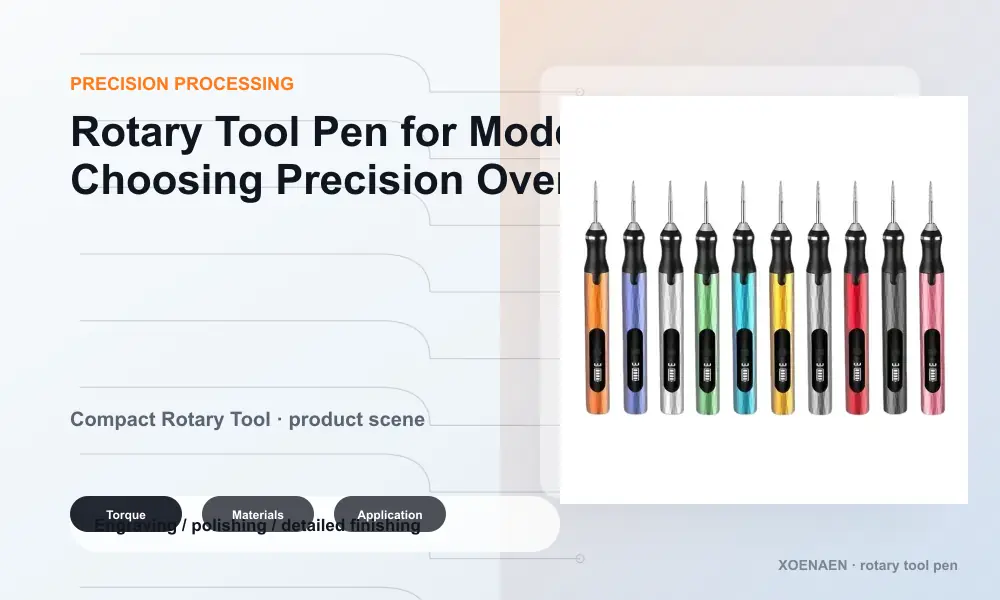
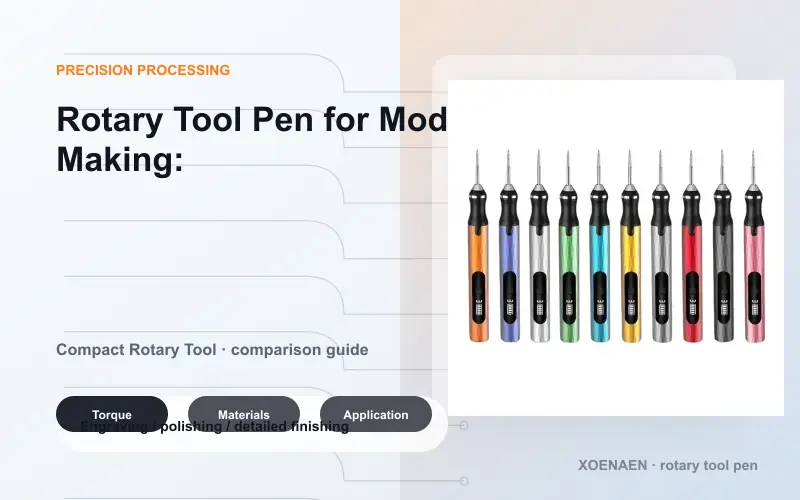
For a mini rotary tool, control is the product. Speed, accessory fit, body balance, and motor stability all affect whether the user can finish detailed work cleanly. XOENAEN evaluates rotary tools around real use cases such as polishing, engraving, model finishing, deburring, and repair support.
OEM And Distributor Opportunities
Mini rotary tools are strong products for DIY, craft, model-making, repair, and giftable tool programs. Business partners can build different configurations around accessory count, packaging, charging style, and target market.
XOENAEN supports professional rotary tool cooperation for distributors, retail partners, and OEM programs that need credible performance and consistent presentation.
Related XOENAEN Products
FAQ
What is a mini rotary tool used for?
It is used for engraving, polishing, deburring, trimming, drilling, model work, craft work, and small repair tasks.
Is higher RPM always better?
No. For detailed work, stability, control, accessory quality, and low vibration are often more important than maximum speed.
Can a mini rotary tool polish jewelry?
Yes, when used with suitable polishing accessories and controlled speed. Users should match accessories to material.
Is a rotary tool useful for electronics repair?
It can support repair tasks such as careful cleaning, housing adjustments, and small finishing work, but it should be used carefully around electronics.
What accessories should be included?
Useful accessories may include grinding heads, polishing wheels, engraving bits, small drills, sanding tools, and storage.
What causes poor user experience?
High vibration, weak accessories, overheating, poor grip comfort, and unclear accessory instructions are common problems.
Can rotary tools be customized for retail programs?
Yes. Business buyers can customize accessory sets, packaging, and product positioning.
Does XOENAEN support business partners?
Yes. XOENAEN supports distributors, retail partners, and OEM cooperation for precision rotary tool programs.
Conclusion
A mini rotary tool for craft and repair should deliver control, not just speed. Buyers should evaluate vibration, accessories, handling, battery, and application fit before choosing a product for professional or retail use.
Explore XOENAEN rotary tools or contact the XOENAEN business team for product information and cooperation options.