Stop and isolate the components: clean and reseat, test a known straight shank, then replace the suspect collet or accessory instead of compensating with hand pressure. Test the exact material and geometry on a representative sample before production. Control workholding, accessory fit, debris and heat, and stop at the first sign of damage.
mini rotary tool runout and vibration
mini rotary tool runout and vibration is the controlled selection of a rotary, hand or alternative finishing method for checking an engraving or grinding setup before it touches a precision workpiece, with the work material, protected geometry and pass/fail condition defined before removal begins.
Stop and isolate the components: clean and reseat, test a known straight shank, then replace the suspect collet or accessory instead of compensating with hand pressure. Test the exact material and geometry on a representative sample before production. Control workholding, accessory fit, debris and heat, and stop at the first sign of damage. This guide treats checking an engraving or grinding setup before it touches a precision workpiece as a controlled process. It separates what can be verified on the current workpiece from what must be confirmed through the material supplier, a drawing, a mating part or a retained finish sample.
The working material is a rotating system made from spindle, collet, shank and accessory, where error can come from any interface. That description matters because a method that looks acceptable on one polymer, resin, coating or accessory combination can produce heat, tearing, dust, loss of geometry or contamination on another. Work from a disposable coupon whenever the material or finish is unfamiliar.
Why does a rotary accessory wobble even when the tool sounds normal?
Stop and isolate the components: clean and reseat, test a known straight shank, then replace the suspect collet or accessory instead of compensating with hand pressure. Begin by protecting surfaces that should not be touched, then identify one visible stop condition. The operator should be able to explain why material is being removed, which direction the tool will move and how the result will be checked before the accessory contacts the part.
No universal speed follows from mini rotary tool runout and vibration. For a rotating system made from spindle, collet, shank and accessory, where error can come from any interface, accessory diameter, pressure and dwell change surface speed, heat and the failure described by visible orbit, rising vibration, heat, unusual sound or a loosening accessory requires shutdown and component replacement or service. Use the tool maker’s instructions, accessory rating and material information, then qualify shank straightness, collet cleanliness, insertion depth, accessory balance, bearing condition and speed on a coupon. A structural, safety-critical or poorly measurable feature requires an approved process or a replacement part.
What is the real problem to solve?
visible orbit, rising vibration, heat, unusual sound or a loosening accessory requires shutdown and component replacement or service. These signs are useful because they appear before the operator can correct the result with more pressure. Stop, clean the area and decide whether the problem is accessory condition, workholding, tool alignment, material response or an incorrectly defined task.
A buyer considering mini rotary tool runout and vibration should not describe the kit only by speed and accessory count. The useful brief names checking an engraving or grinding setup before it touches a precision workpiece, the exact defect, protected geometry and this pass condition: the qualified accessory runs concentrically through the approved pre-use check and produces a controlled mark on a scrap coupon That evidence lets a distributor or manufacturer propose a configuration for the stated material without implying one accessory works on every printed or molded surface.
Which technical details matter most?
Control shank straightness, collet cleanliness, insertion depth, accessory balance, bearing condition and speed. Change one variable at a time during the first-piece trial. Keep the accessory clean, seat the shank correctly, support the work and use direct light. If the result depends on a particular pad, compound, cutter or abrasive, record its identity and replacement condition instead of calling it a generic rotary bit.
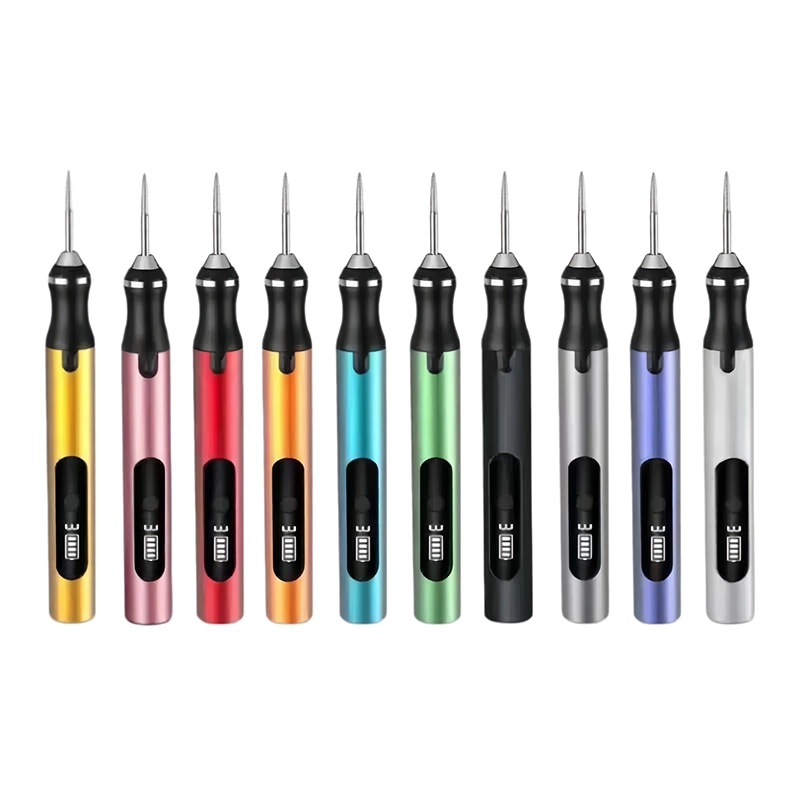
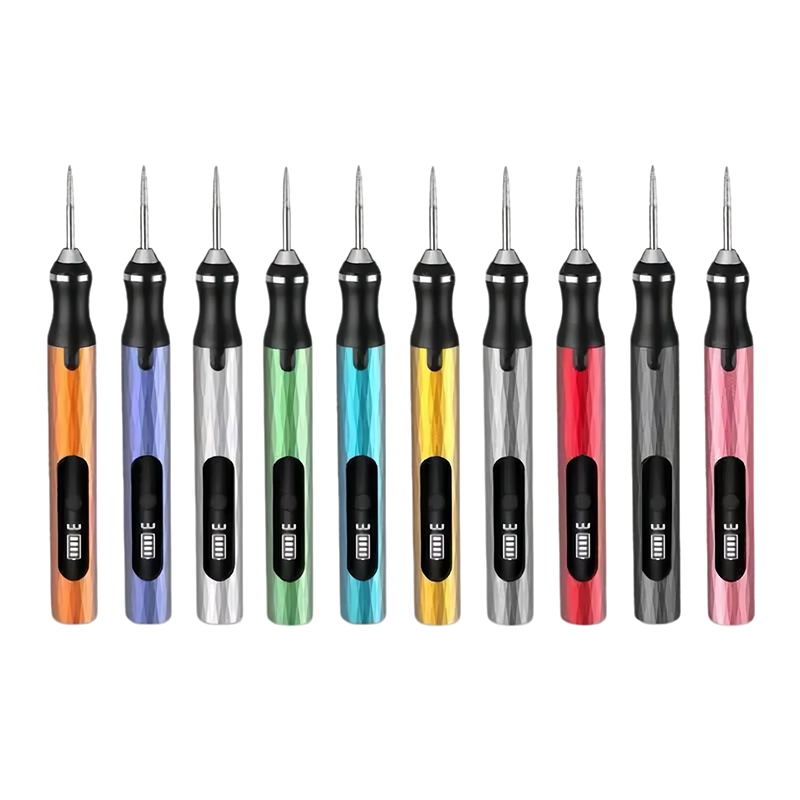
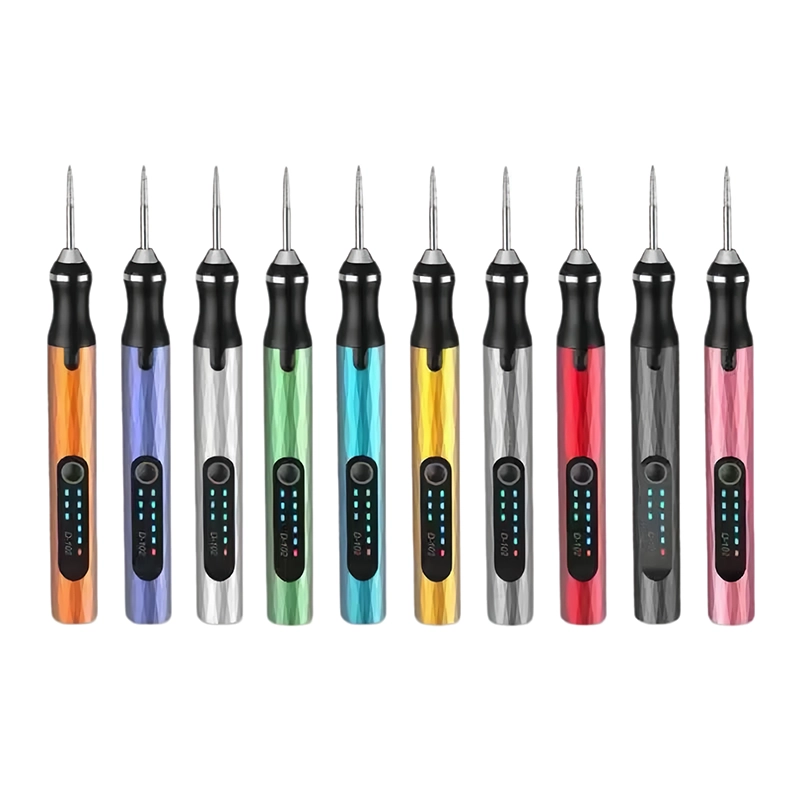
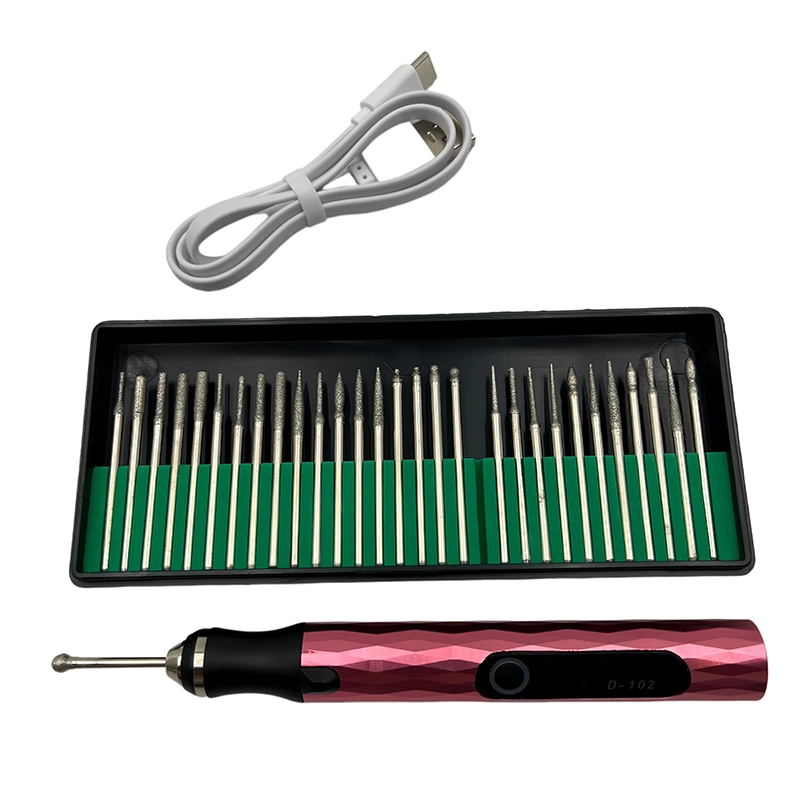
The current D-102 cordless electric engraving pen is the real XOENAEN platform reference for mini rotary tool runout and vibration, not a validated finishing recipe. Qualify the final accessory, setting and contact method on a rotating system made from spindle, collet, shank and accessory, where error can come from any interface, using the qualified accessory runs concentrically through the approved pre-use check and produces a controlled mark on a scrap coupon as the acceptance evidence. Keeping the article-specific material and geometry beside the catalogue record prevents a platform specification from becoming an unsupported performance promise.
What is a repeatable bench workflow?
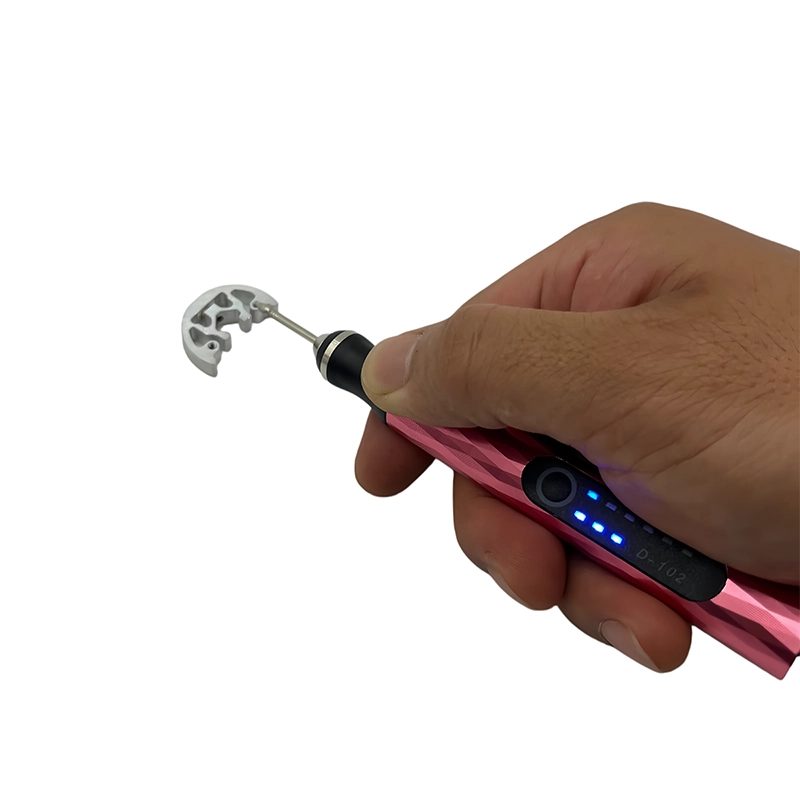
disconnect power, inspect and clean, roll-test the shank on a flat reference, reseat correctly and observe at the lowest approved no-load setting from a safe position. Photograph the starting condition and preserve one acceptable reference. Keep removed debris and used media away from clean parts. If several pieces are processed, approve the first piece and recheck after any accessory change, charging interruption or unexplained change in cut or sound.
The work record for mini rotary tool runout and vibration should identify the part, a rotating system made from spindle, collet, shank and accessory, where error can come from any interface, accessory, workholding and this sequence: disconnect power, inspect and clean, roll-test the shank on a flat reference, reseat correctly and observe at the lowest approved no-load setting from a safe position It only needs enough detail for another trained person to reproduce the decision and verify the qualified accessory runs concentrically through the approved pre-use check and produces a controlled mark on a scrap coupon, without guessing what broad terms such as “light pressure” or “smooth finish” meant on this geometry.
Which alternative is safer for the feature?
Clean and reseat suits debris or shallow insertion, but its main limitation is missed bent shank. Known-good substitution is useful for fault isolation, with needs controlled reference as the risk to control. Service or replace may be the right choice for persistent spindle issue when the team accepts downtime.
Compare the listed methods for mini rotary tool runout and vibration on the same workpiece and against the qualified accessory runs concentrically through the approved pre-use check and produces a controlled mark on a scrap coupon. Time is only one result; also record the changes most relevant to shank straightness, collet cleanliness, insertion depth, accessory balance, bearing condition and speed, including fit, edge condition, heat, debris, access, consumable wear and rework. A slower method can be the lower-cost choice when it preserves the protected feature in checking an engraving or grinding setup before it touches a precision workpiece.
What evidence proves the result?
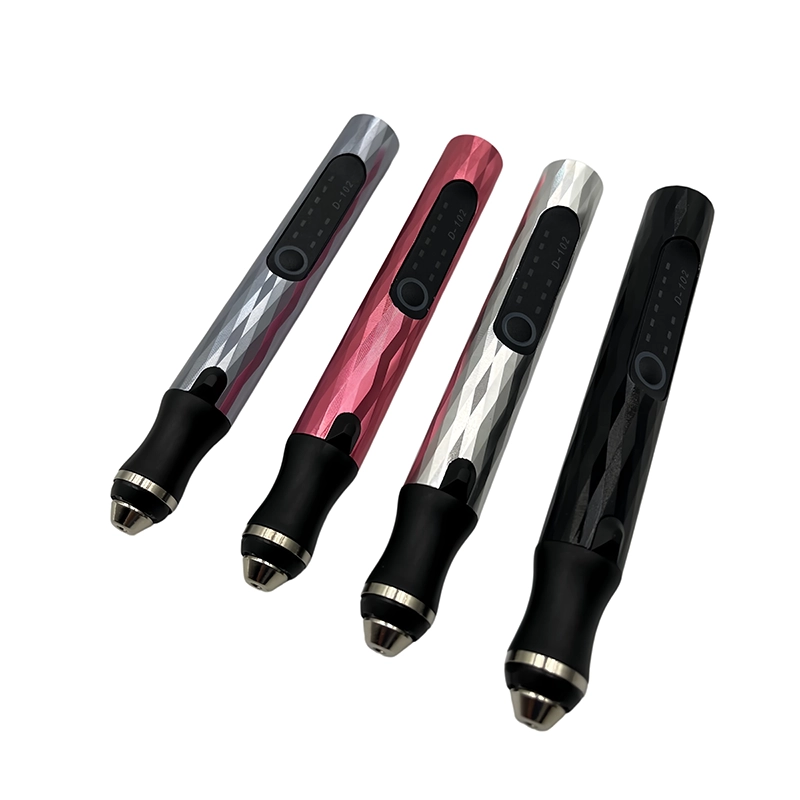
the qualified accessory runs concentrically through the approved pre-use check and produces a controlled mark on a scrap coupon. Inspect after cleaning and cooling, because dust, compound and temporary heat gloss can hide the actual surface. Use the mating part, gauge, fixed light or retained sample named in the work instruction. Do not accept the result only because the operator can no longer see the original mark.
For mini rotary tool runout and vibration, stop and quarantine the part when visible orbit, rising vibration, heat, unusual sound or a loosening accessory requires shutdown and component replacement or service. Do not use cosmetic finishing to hide a print, material or assembly defect that should be corrected upstream. The disposition should reference a rotating system made from spindle, collet, shank and accessory, where error can come from any interface and the affected feature so a reprint, alternate method or engineering review addresses the cause rather than only the visible mark.
How should an OEM or wholesale kit be specified?
include straightness, collet retention and no-load runout checkpoints in incoming inspection. Add target market, expected quantity, required accessory map, storage layout, manual language, packaging and sample timing. If the application creates dust, flying debris, heat or a battery-charging duty cycle, the intended workplace and user controls belong in the brief as well.
For an OEM or wholesale mini rotary tool runout and vibration program, approve the complete pack-out against this buyer action: include straightness, collet retention and no-load runout checkpoints in incoming inspection Check accessory identity, collet compatibility, labels, replacement items and the limits linked to checking an engraving or grinding setup before it touches a precision workpiece. The product page can state platform facts, while the retained sample must show that the selected configuration answers this specific customer question.
Final recommendation
Use mini rotary tool runout and vibration as a defined job, not a broad marketing claim. Start with a representative sample, control one variable at a time and keep a visible stopping rule. When the method passes, record the configuration and connect the tool, manufacturing review, OEM brief and inquiry path so the next buyer receives the same technical context.
Method comparison for checking an engraving or grinding setup before it touches a precision workpiece
| Method | Best fit | Main control |
|---|---|---|
| Clean and reseat | Debris or shallow insertion | Missed bent shank |
| Known-good substitution | Fault isolation | Needs controlled reference |
| Service or replace | Persistent spindle issue | Downtime |
- Name the material and the exact application: checking an engraving or grinding setup before it touches a precision workpiece.
- Control shank straightness, collet cleanliness, insertion depth, accessory balance, bearing condition and speed.
- Use a representative coupon, fixture or mating part before approving the method.
- Stop when visible orbit appears.
- Accept only when the qualified accessory runs concentrically through the approved pre-use check and produces a controlled mark on a scrap coupon.
- Confirm accessory identity, collet fit, labels, replacement media, manual language and packaging.
- View the D-102 cordless electric engraving pen →
- Define an OEM / ODM tool configuration →
- Review manufacturing and quality controls →
- Read the related guide: when-replace-rotary-sanding-accessories →
- Read the related deburr-tpu-prints-without-tearing guide →
- Read the related polish-clear-fdm-prints-without-clouding guide →
- Continue with the dust-control-3d-print-finishing-bench topic →
- XOENAEN editorial policy →
Why does a rotary accessory wobble even when the tool sounds normal?
Stop and isolate the components: clean and reseat, test a known straight shank, then replace the suspect collet or accessory instead of compensating with hand pressure. Test the exact material and geometry first, then document the accessory, workholding and stop condition before treating the method as repeatable.
What technical factors matter for mini rotary tool runout and vibration?
Control shank straightness, collet cleanliness, insertion depth, accessory balance, bearing condition and speed. These variables determine whether the process cuts cleanly, creates heat, changes geometry or leaves a finish that passes the real inspection.
Should the first mini rotary tool runout and vibration trial use a final customer part?
No. Start with a representative sample of a rotating system made from spindle, collet, shank and accessory, where error can come from any interface and reproduce checking an engraving or grinding setup before it touches a precision workpiece. Move to a saleable part only after shank straightness, collet cleanliness, insertion depth, accessory balance, bearing condition and speed and the stopping rule are documented.
When should mini rotary tool runout and vibration switch to a hand or guided method?
Switch when powered contact cannot control the failure described by visible orbit, rising vibration, heat, unusual sound or a loosening accessory requires shutdown and component replacement or service. Known-good substitution is the comparison method for fault isolation, subject to its limitation: needs controlled reference.
What should an OEM buyer include for mini rotary tool runout and vibration?
Include the target market, a rotating system made from spindle, collet, shank and accessory, where error can come from any interface, application, quantity, photographs or samples, accessory map, packaging and the acceptance evidence. include straightness, collet retention and no-load runout checkpoints in incoming inspection.
How should the result of mini rotary tool runout and vibration be verified?
the qualified accessory runs concentrically through the approved pre-use check and produces a controlled mark on a scrap coupon. Clean and cool the part first, then use the same light, gauge, mating component or retained reference used for the article-specific sample approval.