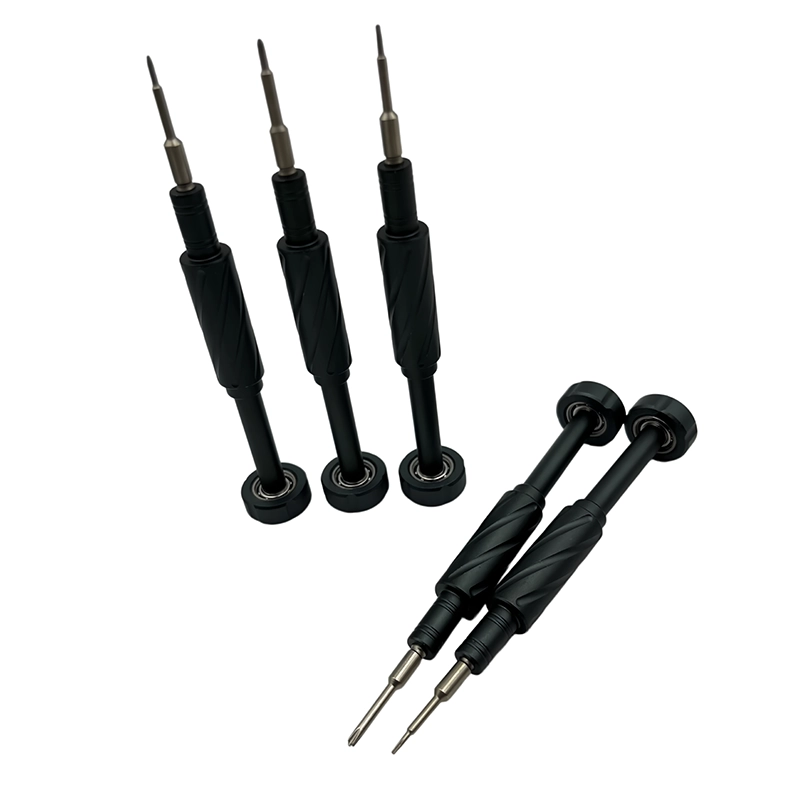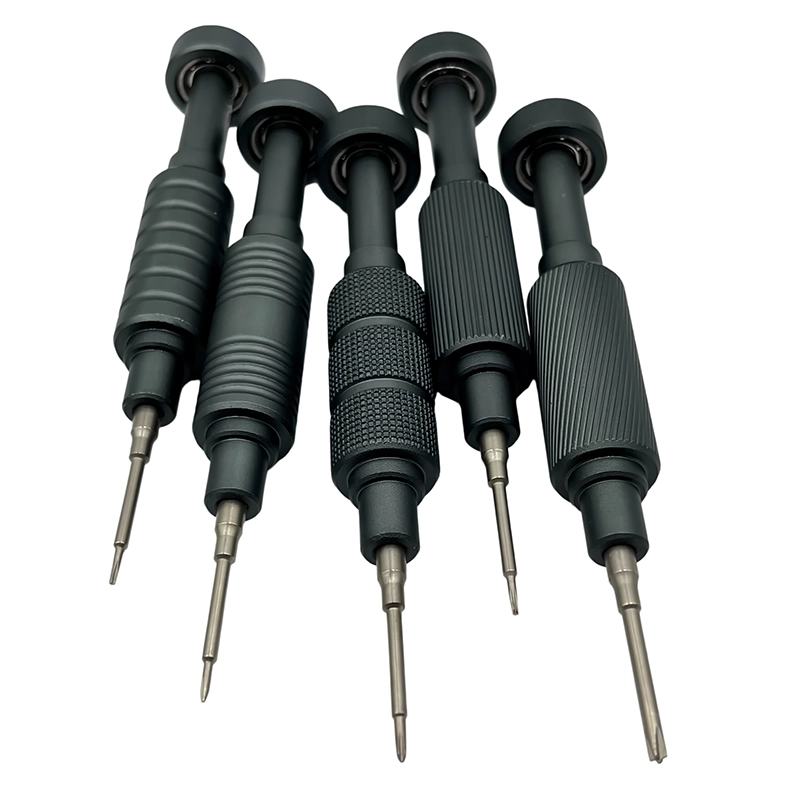
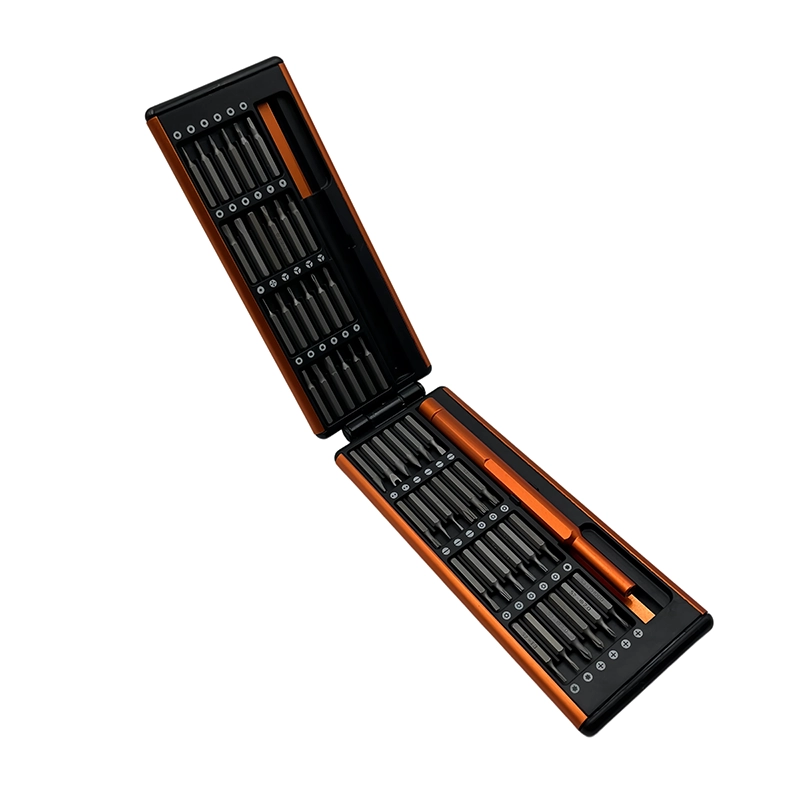
Flathead screwdriver maintenance starts with inspecting both blade corners, faces, width and shank before cleaning. Remove loose debris without abrasion, use only a cleaner compatible with the finish and handle, dry the tool completely and store it in a labeled dry slot. Replace a blade that is rounded, chipped, twisted, pitted or unable to fill its matching screw slot.
Flathead screwdriver maintenance
The documented inspection, cleaning, drying, storage and replacement process used to preserve a slotted blade’s geometry, identification and controlled fit.
What makes this manual screwdriver task different?
A flathead blade transfers load along two working faces and corners, so rounding, burring or using the wrong width changes contact quickly. Adhesive, paint, thread compound, metal dust, skin oils and corrosion can prevent full seating. Cleaning must remove contamination without narrowing the blade, changing coatings or leaving residue that transfers to electronics. The first decision is therefore not how much force the handle can deliver, but whether the service task, device condition, and operator authorization are clearly understood. Keep the manufacturer’s instructions, the actual fastener, and the surrounding parts in view before selecting a bit.
A manual driver gives useful tactile feedback only when the workpiece is supported and the tip remains fully engaged. For repair shops, shared laboratories, field technicians, and tool owners, that means treating access, visibility, screw identity, and reassembly records as part of the tool choice rather than as optional bench habits.
Which technical factors matter most?
Consider blade width and thickness, tip squareness, material, finish, magnetism, handle construction, contaminant type, approved cleaner, lint, drying method, corrosion protection, labeling and storage humidity. Manufacturer instructions take priority because a chemical acceptable for bare steel may damage markings, coatings, plastics or adhesives in the case. Evaluate the complete installed system: handle, cap, holder, bit, fastener, access path, and work support. A premium material name or a high accessory count cannot compensate for partial recess contact or an unsafe service sequence.
For flathead screwdriver maintenance, any drawing, service manual, torque specification or safety rule takes priority over general hand-tool guidance. Record the exact model, the condition described by a damaging routine uses a file, abrasive wheel, or aggressive chemical until the bit looks clean. the result may no longer match the recess even though the contamination is gone. returning damp bits to a closed case can also start corrosion. and the configuration used by repair shops, shared laboratories, field technicians, and tool owners. A revision can change fastener length, cable routing, sealing or authorized access, so the retained record must identify the actual article-specific task.
What workflow keeps the repair controlled?
1. Remove the bit, identify it, inspect the tip and shank under good light, and separate damaged bits before cleaning so defects are not mistaken for dirt. This preparation stage prevents the screwdriver from becoming the first tool used on an unidentified joint.
2. Brush or wipe loose debris with the approved non-abrasive method, apply only a compatible cleaner when necessary, and keep contamination away from the holder and storage foam. Place each removed fastener into a position-based map immediately rather than relying on memory or one mixed container.
3. Dry the bit fully, inspect fit in a known reference, return it to a labeled dry slot, and record replacement when the tip or shank does not meet the kit’s acceptance rule. Final inspection should confirm the joint, surrounding parts, and complete device function required by the manufacturer; a closed case alone is not proof of a successful repair.
How should buyers compare a manual screwdriver set?
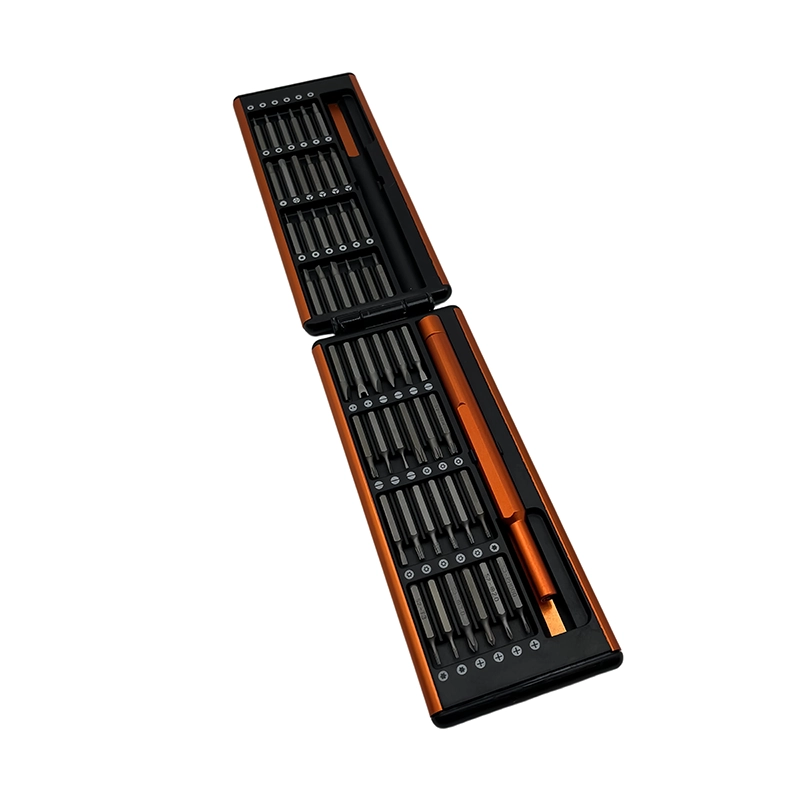
Compare candidates on verified profile fit, working reach, installed-bit stability, handle access, cap behavior, storage, labels, replacement support, and performance on representative fasteners. A professional kit should include material and finish details, approved care instructions, replaceable bit references, and a case that makes damp or missing tools visible. Maintenance claims should be based on the exact SKU rather than a generic steel name.
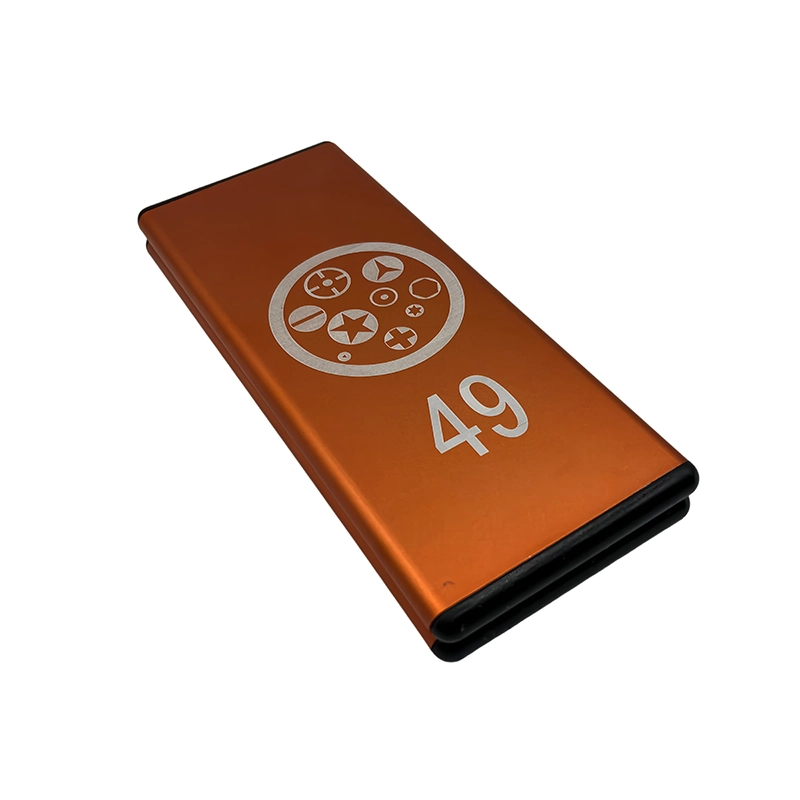
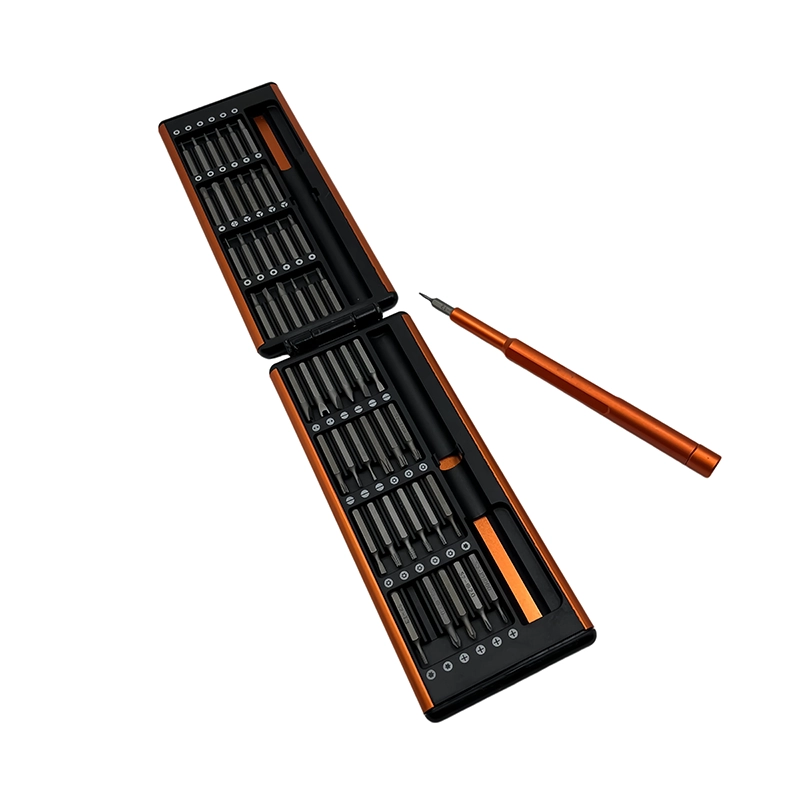
For a wholesale or private-label flathead screwdriver maintenance project, freeze the bit map and case layout around this recommendation: A professional kit should include material and finish details, approved care instructions, replaceable bit references, and a case that makes damp or missing tools visible. Maintenance claims should be based on the exact SKU rather than a generic steel name. Link the physical 49-in-1 manual precision screwdriver set sample, specification, product images, packaging text and the task-specific inspection criteria to one revision so the claim remains tied to the configuration that will ship.
What failure signs mean stop rather than push harder?
A damaging routine uses a file, abrasive wheel, or aggressive chemical until the bit looks clean. The result may no longer match the recess even though the contamination is gone. Returning damp bits to a closed case can also start corrosion. The operator should preserve the remaining screw geometry and surrounding device instead of converting uncertainty into more force.
Remove a bit from service when identification is lost, corrosion pits the working area, the tip is rounded or chipped, the shank is twisted, the finish flakes, or the bit no longer seats fully in a verified reference. Document the condition when the job is handed off. A clear stop rule protects the customer’s device and gives a qualified technician better options than a head damaged by repeated attempts.
How does this apply in a real repair?
At a phone repair bench, inspect for adhesive and metal fragments before the next device. In a shared classroom, place rejected bits in a separate marked container instead of returning them to an empty slot where another user assumes they are serviceable. Use the actual device instructions and representative hardware to confirm the method. Similar-looking screws can have different length, pitch, shoulder, coating, sealing, or grounding roles.
The buying decision for flathead screwdriver maintenance should cover consider blade width and thickness, tip squareness, material, finish, magnetism, handle construction, contaminant type, approved cleaner, lint, drying method, corrosion protection, labeling and storage humidity. manufacturer instructions take priority because a chemical acceptable for bare steel may damage markings, coatings, plastics or adhesives in the case. without encouraging force outside the defined task. Keep an exception path for the condition in remove a bit from service when identification is lost, corrosion pits the working area, the tip is rounded or chipped, the shank is twisted, the finish flakes, or the bit no longer seats fully in a verified reference.; that path may require a different bit, opening tool, specified torque method, rated electrical tool, battery process or qualified specialist rather than a larger general-purpose set.
What does the XOENAEN catalogue add to the decision?
The current XOENAEN catalogue includes the 49-in-1 manual precision screwdriver set, the real product reference used for flathead screwdriver maintenance. Its photography and model record can anchor the buyer brief for at a phone repair bench, inspect for adhesive and metal fragments before the next device. in a shared classroom, place rejected bits in a separate marked container instead of returning them to an empty slot where another user assumes they are serviceable. Catalogue evidence does not establish universal device compatibility; the actual fastener, access path, stop rule and order-specific sample still determine approval.
Cleaning is successful only when it preserves blade width, corner geometry and fit. Visual brightness is not an acceptance criterion; the working faces, identification, shank and reference engagement determine serviceability. Share target devices, fastener photos, required profiles, access constraints, market, quantity, packaging, and verification needs through the XOENAEN project enquiry so the product and evidence can be aligned before production.
Bit maintenance responses
| Option or condition | Best use | Main caution |
|---|---|---|
| Loose surface debris | Use approved gentle brushing or wiping | Reinspect tip geometry |
| Adhesive or compound residue | Use a compatible documented cleaner | Avoid soaking unknown finishes |
| Rounded, chipped, or corroded tip | Replace the bit | Do not reshape for precision service |
- Request material and finish information
- Define approved cleaners
- Provide a small inspection aid
- Use labeled dry storage
- Separate rejected bits
- Keep replacement part numbers available
- 49-in-1 manual precision screwdriver set product page →
- Browse manual screwdriver products →
- Plan an OEM or private-label project →
- Review XOENAEN manufacturing and quality →
- Read XOENAEN tool FAQ answers →
- Related guide: manual-driver-bit-fit-small-screws →
- Related guide: manual-screwdriver-worn-bit-inspection →
- How XOENAEN presents quality evidence →
What maintenance does a flathead screwdriver need?
Inspect blade width, corners, faces and straightness; clean with a compatible method, dry fully, store it safely and replace it when slot engagement is no longer complete.
Can a flathead screwdriver blade be cleaned with any solvent?
No. Use only a cleaner compatible with the exact steel finish, markings, handle and storage materials.
Should a removable slotted bit be soaked during maintenance?
Only if the manufacturer explicitly approves it. Soaking can affect coatings, markings, magnets, plastics or trapped joints.
Can a rounded flathead blade be filed square again?
Do not return an improvised reshaped blade to precision electronics service. Replace it with the correct verified width and thickness.
Why must a flathead screwdriver be dry before storage?
Trapped moisture can promote corrosion, transfer contamination to the case and weaken future slot engagement.
What proves a maintained flathead blade is serviceable?
It needs intact corners and faces, readable identification, a straight shank and full engagement in a verified matching slot—not merely a bright appearance.