For CCTV camera housing and seal service, treat optical protection, weather sealing, and mounting alignment as separate checks. Verify power isolation, lens cover, cable gland, gasket cleanliness, mount support, and perimeter sequence before turning. Stop when the dome is unprotected, the seal is damaged, or mount support cannot hold the camera. Keep every screw mapped by position and follow the exact product or assembly instructions.
CCTV camera housing and seal service manual screwdriver workflow
CCTV camera housing and seal service manual screwdriver workflow is the controlled method used to identify the fastener and joint, choose a fully fitting manual bit, preserve removed-hardware positions, recognize a stop condition, and verify the restored assembly without substituting extra leverage for product-specific instructions.
What must be known before CCTV camera housing and seal service?
Outdoor security cameras combine a lens window, electronics, cable glands, gaskets, desiccant, and an adjustable mount. A housing that powers on can still fail if the seal or alignment is restored incorrectly. The first planning decision for CCTV camera housing and seal service is therefore not the size of the case or the advertised piece count. It is the boundary of the job: which assembly may be opened, which energy sources must be isolated, what information must be preserved, and which condition requires escalation. Read the current maker instructions for the exact model, because a nearby model can use another screw length, cable path, seal, or release order even when the exterior looks familiar.
Write the question “How should installers open and reseal a CCTV camera housing without disturbing the lens, cable gland, gasket, or mount?” at the top of the work record for CCTV camera housing and seal service. That wording keeps the task connected to a customer decision instead of a generic claim about tools. Record device or assembly identity, revision, visible condition, power state, fastener map, and the expected completion check. A bench photograph is useful only when it is labeled and linked to the correct unit; it should complement, not replace, a position map and a count of loose components.
How should CCTV camera housing and seal service be staged step by step?
Isolate the camera and recording system as required, support the mount, shield the lens window, map perimeter and mount screws separately, keep seals clean, close in a balanced sequence, and verify image plus environmental checks. Treat that sequence as a set of gates for CCTV camera housing and seal service. At each gate, reconcile the screw count, verify that no wire, spring, seal, washer, or spacer has moved unexpectedly, and photograph only the details the next step could conceal. Use separate labeled zones for removed layers. If the assembly contains both plastic-forming and machine screws, keep them physically separated even when their heads accept the same bit, because thread identity belongs to the receiving feature rather than to the head profile.
Before closure in CCTV camera housing and seal service, reverse the removal map rather than relying on a pile of parts. Start each fastener by hand with the surfaces naturally aligned; a screw must not be used to drag a cover, board, bracket, or insert into position. Leave multiple screws loose until alignment and cable clearance are visible, then use the specified sequence. Finish with the functional, visual, electrical, sealing, or movement check relevant to the assembly and document any condition that differs from the original baseline.
How does a real example change the plan for CCTV camera housing and seal service?
For a cable-gland replacement, preserve gland order and strain relief, then inspect the entire housing seam and cable exit before the camera returns outdoors. This example makes CCTV camera housing and seal service concrete because it names the object, the information to preserve, and the check required before closure. A credible field example should not imply an unpublished test result or a customer endorsement. It should explain the observable condition and the reasoning path: identify the joint, select the matching tool, support the work, map removed items, watch for the stop condition, and confirm the assembly’s intended function after restoration.
If the example is repeated during a sample review for CCTV camera housing and seal service, use representative fasteners and access geometry from the intended product. Record whether each candidate bit seats fully, whether the holder remains straight, whether the case makes the correct bit easy to identify, and whether the operator can stop before damage. Repeatability means that the written method can be followed by another trained person and produces comparable observations; it does not justify a certification, service-life number, or compatibility claim beyond the evidence collected.
Which joint and tool factors control CCTV camera housing and seal service?
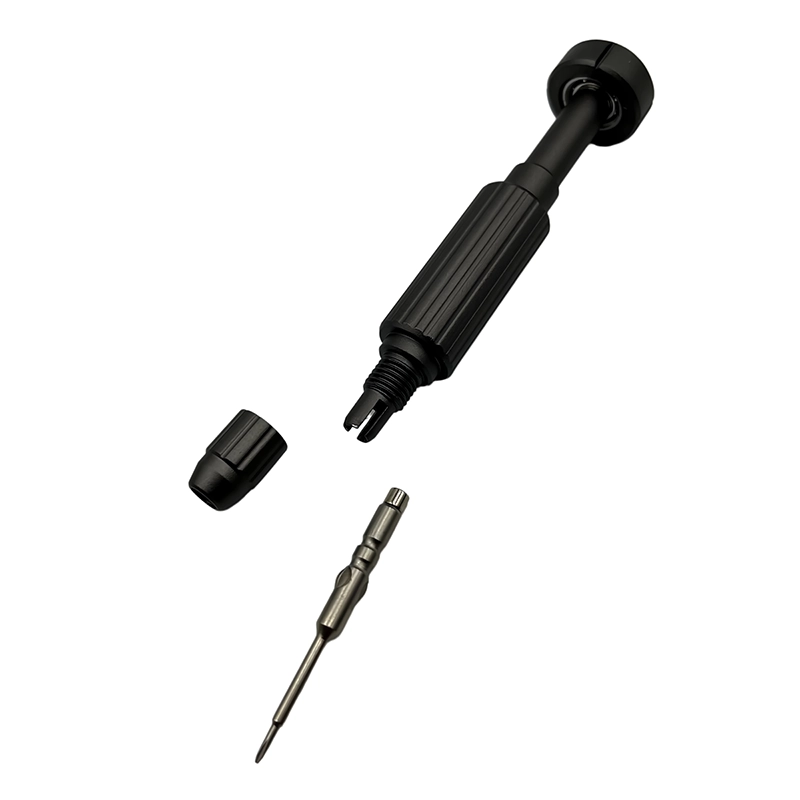
Security-bit access, shaft clearance near the dome, gasket compression, screw sequence, cable-gland retention, mount preload, and clean handling of optical surfaces define the manual process. In CCTV camera housing and seal service, these factors interact. A correct profile can still fail when a worn bit sits shallowly, a long shaft is tilted, or a high-leverage handle conceals the first sign of binding. Conversely, a compact handle cannot rescue a mismatched recess. Inspect both the bit and fastener under adequate light, clean only by an approved method, seat the bit without torque, and reject rocking, bottoming, or contact with adjacent surfaces before applying hand force.
Manual feedback is valuable during CCTV camera housing and seal service, but it is not a torque measurement or proof of clamp load. Friction, coating, reuse, contamination, plastic relaxation, washer condition, and operator posture can all change perceived resistance. Use the specified tightening method whenever a maker or engineering drawing provides one. Where no value is published, restore the known hardware to its mapped location and documented seated condition; do not invent a universal “finger-tight” number or claim that one handle setting suits every material.
Which options should buyers compare for CCTV camera housing and seal service?
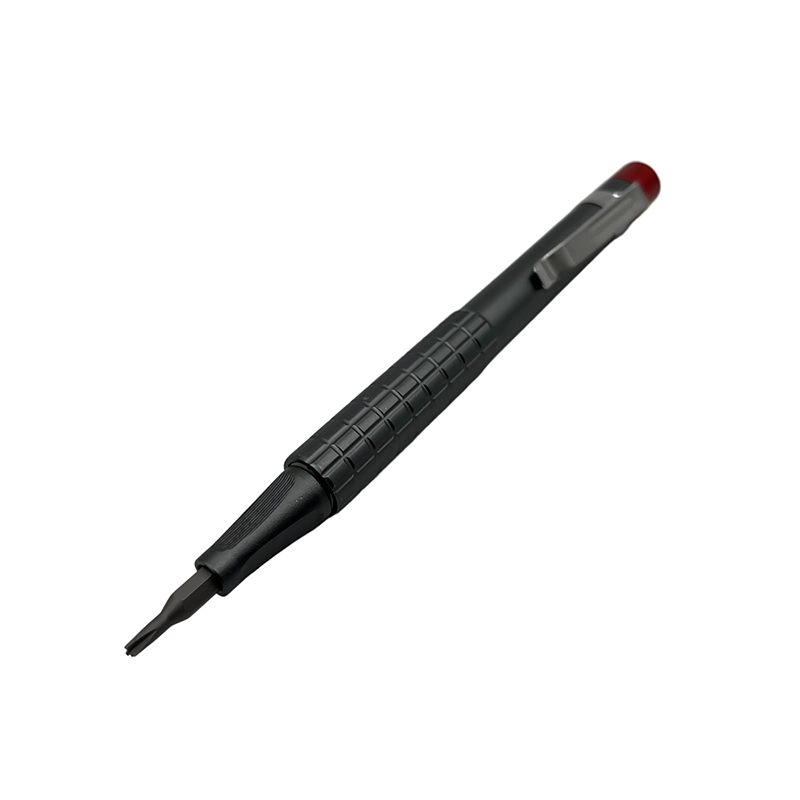
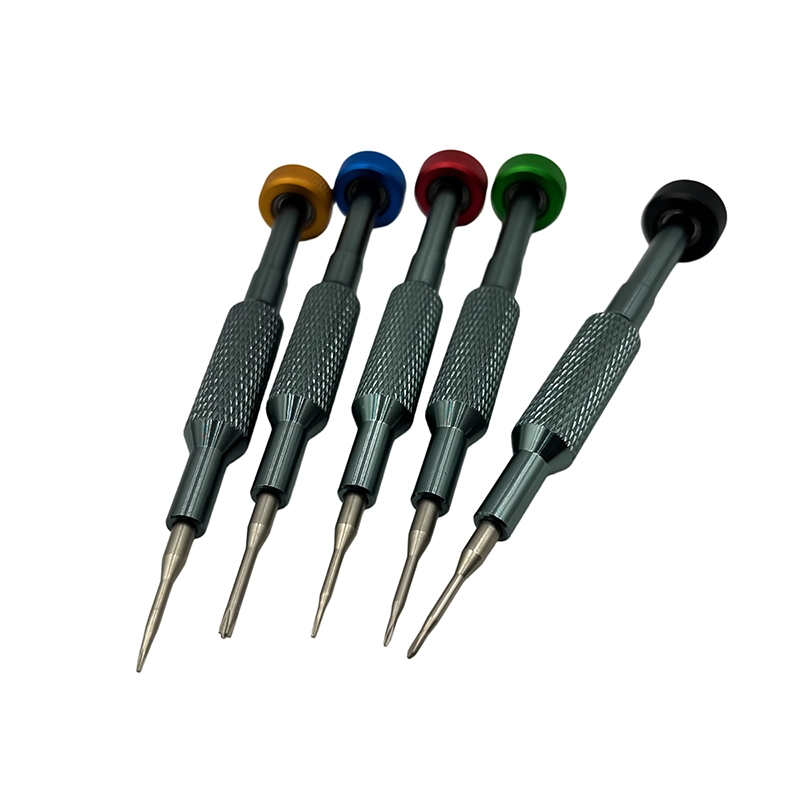
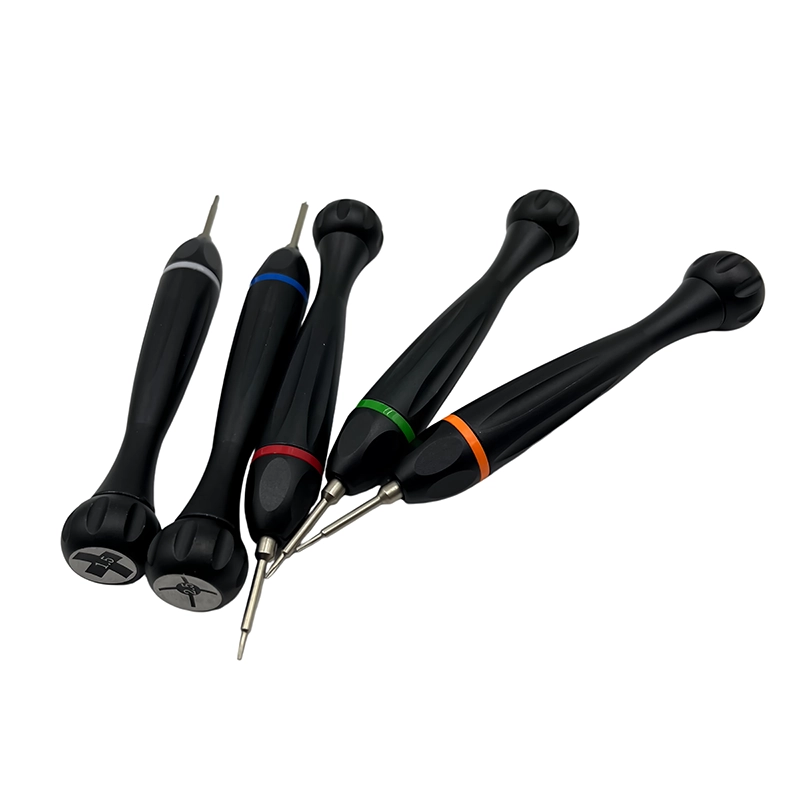
For CCTV camera housing and seal service, compare the first option “Housing precision driver,” used for Dome and internal brackets, with “Mounting driver,” used for Wall plate and camera arm. The first carries this limitation: Needs optical and seal controls. The second carries this one: May be oversized for housing screws. A third reference, “Security-bit extension,” is associated with Recessed tamper-resistant access and must be judged against the warning that Can contact the dome if misaligned. These are decision categories, not universal performance rankings.
A buyer checklist for CCTV camera housing and seal service should require the exact target fasteners, profile and size map, short and long access needs, holder runout or stability, handle leverage, visible bit labeling, case retention, replacement-bit availability, and sample acceptance method. Add power isolation, lens cover, cable gland, gasket cleanliness, mount support, and perimeter sequence to the application trial. Count only delivered pieces and verify every material or compatibility claim against the released SKU. A supplier sample should reproduce the intended task; turning an unrelated demonstration screw does not establish access, fit, control, durability, or safe use in the customer’s assembly.
What failure pattern should stop CCTV camera housing and seal service?
A displaced gasket or uneven perimeter tightening can create a leak path, while a driver slip can permanently mark a clear dome or lens cover. The explicit stop condition for CCTV camera housing and seal service is: the dome is unprotected, the seal is damaged, or mount support cannot hold the camera. A stop is a quality control, not an incomplete repair. Preserve the evidence by leaving the fastener and surrounding parts unchanged, note the direction and stage at which the condition appeared, quarantine damaged bits or unknown screws, and seek the maker’s procedure or an authorized decision. Repeated attempts erase geometry, mix wear patterns, and can turn an identifiable mismatch into an extraction problem.
Distinguish symptom, observation, and cause when reporting a problem in CCTV camera housing and seal service. “The screw did not move” is an observation; corrosion, adhesive, wrong profile, cross-threading, hidden retention, and an incorrect service assumption are different hypotheses. Record the bit identity, seating depth, applied method, work support, and visible condition without claiming a root cause that was not demonstrated. This separation gives an OEM, repair lead, or supplier enough information to decide whether the next action involves another tool, another process, or no further disassembly.
What should an OEM brief require for CCTV camera housing and seal service?
Installers need security profiles, controlled reach, clean seal handling, finish protection, and clear separation between housing and mount hardware. Convert that requirement into controlled fields for CCTV camera housing and seal service: target market and user, representative devices or fasteners, bit map, materials tied to the released SKU, handle and holder requirements, accessory list, case layout, markings, packaging languages, sample method, acceptance criteria, order quantity, and revision control. Ask the supplier to identify assumptions and exclusions. A private-label color or logo should be approved only after the working platform and product contents have been frozen.
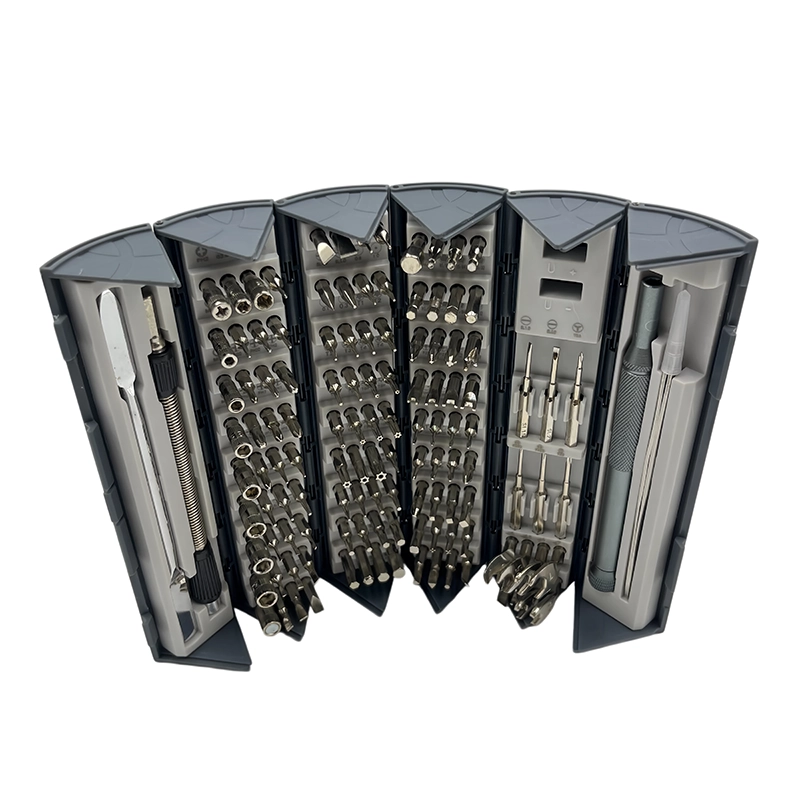
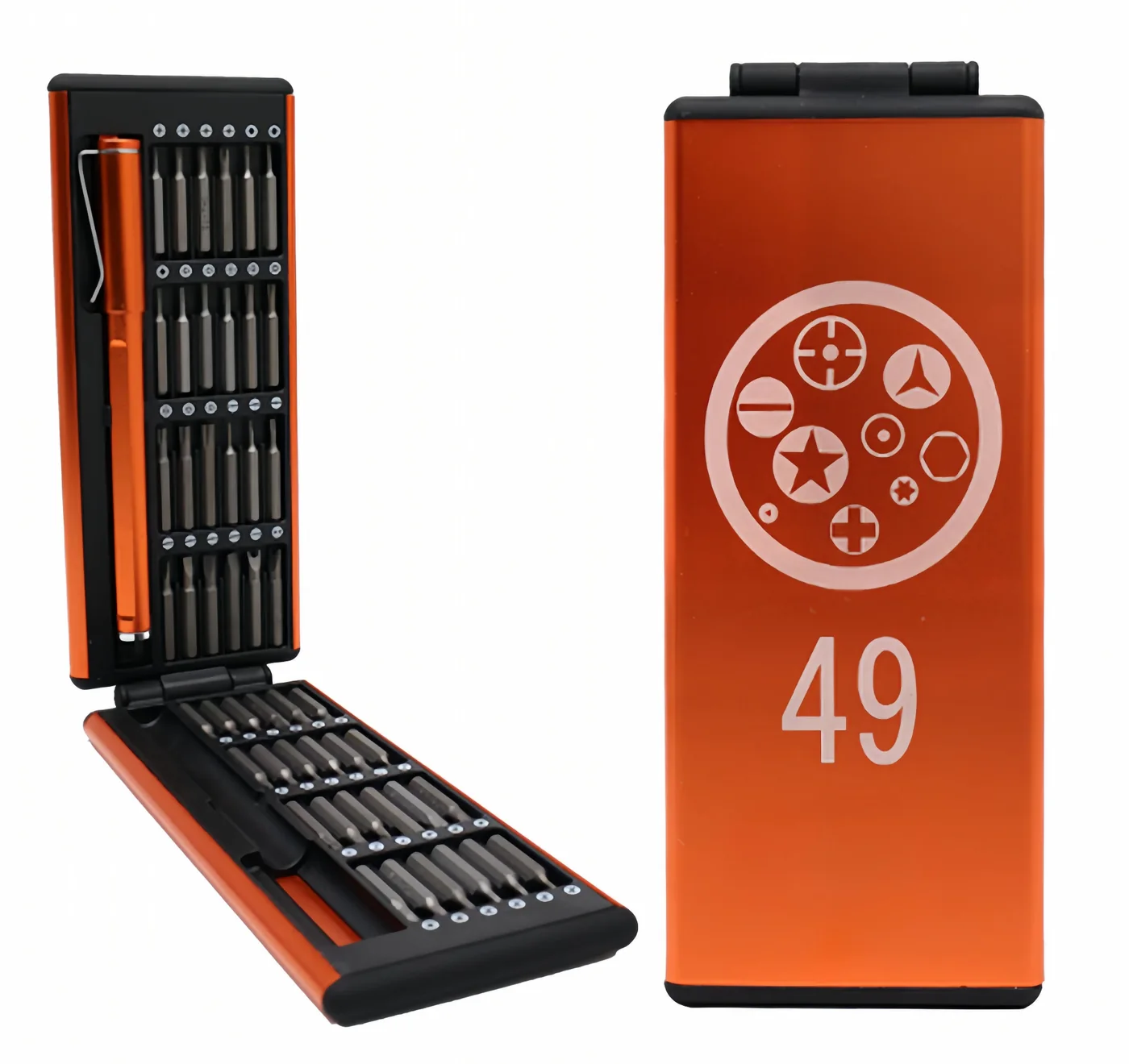
Catalog evidence for this CCTV camera housing and seal service guide is limited to the current XOENAEN record for the 206-in-1 manual screwdriver set. That record establishes that the named platform exists in the present catalog; it does not prove that every device, fastener, material, or scenario discussed here has been factory-tested with that set. During sourcing, compare the catalog configuration with the buyer’s own fastener matrix and application sample. Any changed bit map, material, marking, case, or package should receive a new documented approval rather than inheriting evidence from a previous revision.
When is CCTV camera housing and seal service complete and verifiable?
Completion for CCTV camera housing and seal service requires more than reinstalling the visible screws. Reconcile all parts, confirm natural alignment and uniform seams, check that cables and moving parts remain clear, verify the required safety or functional state, and record any replaced fastener or deviation. Where the product maker specifies calibration, leak testing, electrical safety verification, or software checks, those steps remain part of completion and may require qualified equipment. A clean exterior cannot substitute for those controls, and this guide does not expand a user’s authorized service boundary.
Weather resistance is an assembly outcome; additional torque cannot compensate for a contaminated or mispositioned gasket. The practical engineering insight for CCTV camera housing and seal service is to preserve information and geometry before adding force. This guide was prepared from the present XOENAEN catalog record, the cited official safety or quality resources, and the specific mechanical factors stated in each section. No unpublished certification, laboratory result, customer case, or universal compatibility claim is assumed. The recommended decision is to validate the selected manual screwdriver platform with the exact fasteners and assembly conditions before purchase, repair rollout, or mass-production approval.
Manual Screwdriver Control for CCTV Camera Housing Service: practical option comparison
| Option | Appropriate use | Decision limit |
|---|---|---|
| Housing precision driver | Dome and internal brackets | Needs optical and seal controls |
| Mounting driver | Wall plate and camera arm | May be oversized for housing screws |
| Security-bit extension | Recessed tamper-resistant access | Can contact the dome if misaligned |
- Confirm the exact customer question for CCTV camera housing and seal service: How should installers open and reseal a CCTV camera housing without disturbing the lens, cable gland, gasket, or mount?
- Map power isolation, lens cover, cable gland, gasket cleanliness, mount support, and perimeter sequence on representative assemblies.
- Approve the complete profile, size, and shaft-reach list for CCTV camera housing and seal service.
- Verify handle leverage and holder stability without overriding this stop rule: the dome is unprotected, the seal is damaged, or mount support cannot hold the camera.
- Check bit labels, case retention, replenishment, and revision identity for the 206-in-1 manual screwdriver set.
- Define a sample method, observations, and acceptance decision for CCTV camera housing and seal service.
- Keep packaging, listing, manual, and delivered-SKU claims synchronized.
- 206-in-1 manual screwdriver set product details →
- Compare all XOENAEN product families →
- Plan an OEM or private-label tool project →
- Review manufacturing and quality controls →
- Read XOENAEN tool and sourcing FAQs →
- Manual Screwdriver Guide for Smart Lock Keypad and Battery Service →
- Manual Screwdriver Planning for Weather Station Sensor Service →
- How XOENAEN presents quality evidence →
What must be confirmed before CCTV camera housing and seal service begins?
Confirm power isolation, lens cover, cable gland, gasket cleanliness, mount support, and perimeter sequence first. For CCTV camera housing and seal service, the job should remain inside the documented service or assembly boundary, with the workpiece supported and every fastener position identified before the first turn.
Which screwdriver feature matters most for CCTV camera housing and seal service?
Exact recess engagement matters most for CCTV camera housing and seal service. Handle size, shaft reach, and case organization should then support the access and control described by this task: Security-bit access, shaft clearance near the dome, gasket compression, screw sequence, cable-gland retention, mount preload, and clean handling of optical surfaces define the manual process.
When should a technician stop CCTV camera housing and seal service?
Stop immediately when the dome is unprotected, the seal is damaged, or mount support cannot hold the camera. That condition removes the evidence needed for a controlled decision, so more leverage or repeated turning should not be used as a substitute for diagnosis.
How should removed screws be organized during CCTV camera housing and seal service?
Organize screws by exact position and removal layer during CCTV camera housing and seal service. Record length, washer or spacer order, and any visually similar fasteners separately so reassembly does not depend on memory or approximate appearance.
Can a large bit count guarantee safe CCTV camera housing and seal service?
No, a large bit count cannot guarantee safe CCTV camera housing and seal service. The useful set is the one that proves the required profiles, sizes, reach, holder stability, instructions, and replacement path for this specific work.
What should a buyer test when sourcing tools for CCTV camera housing and seal service?
Test representative access, recess fit, hand control, organization, and the documented stop rule for CCTV camera housing and seal service. The sample review should also confirm Installers need security profiles, controlled reach, clean seal handling, finish protection, and clear separation between housing and mount hardware.