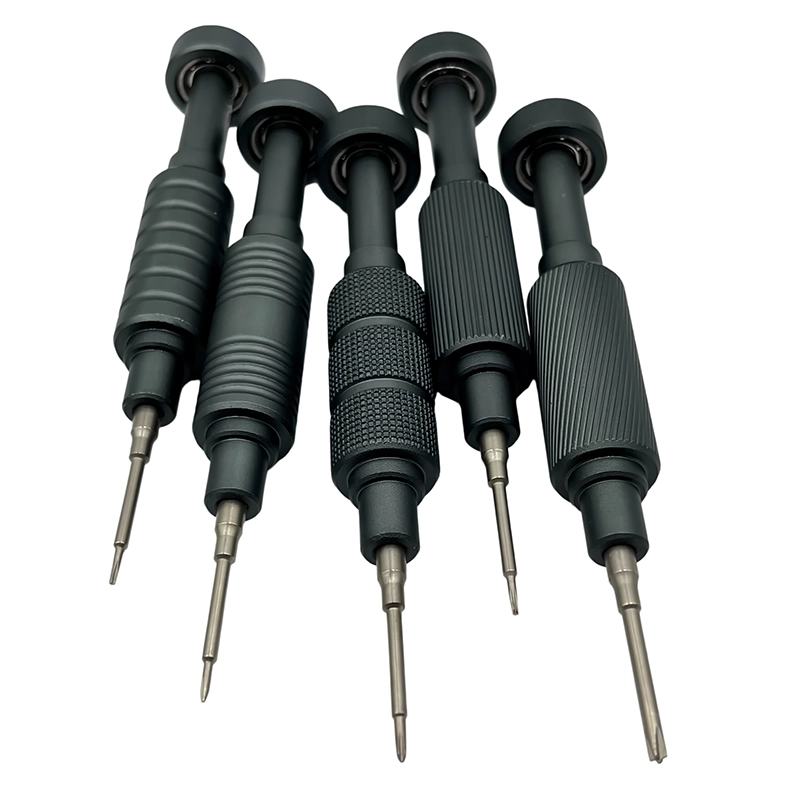
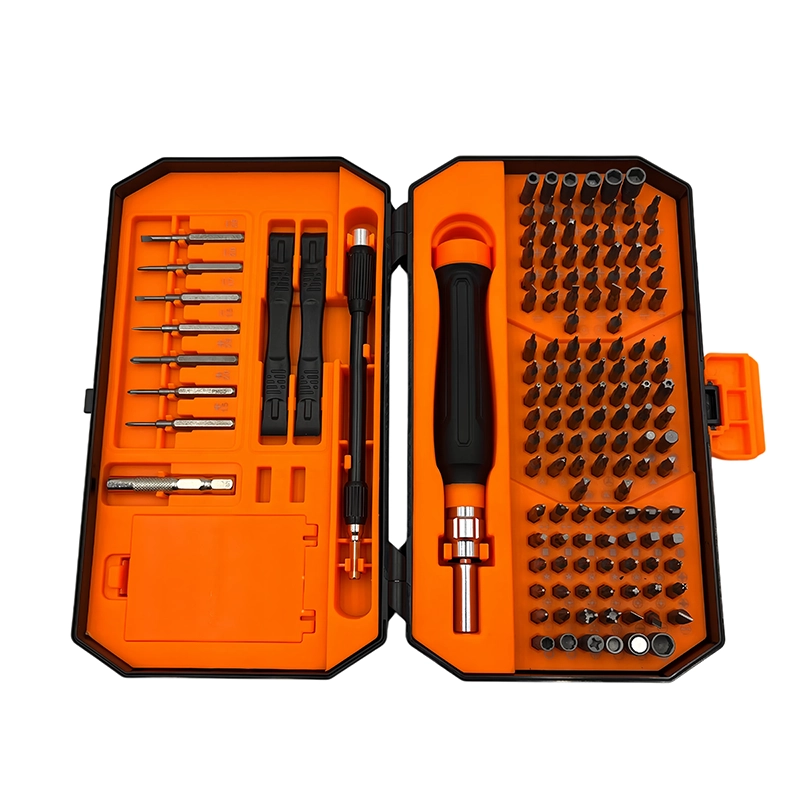
Create replacement-bit SKUs from the exact drive interface, profile, size, working length, material specification, finish, magnetism, and approved product compatibility. Track which bits wear or go missing, stock the high-use profiles, label packages clearly, and control substitutions. Customers need a fit map and lot identity, not a generic promise that every 4 mm bit is interchangeable.
Replacement-bit program
A controlled after-sales system that identifies, stocks, labels, verifies, and supports substitute screwdriver bits for defined handles, kits, profiles, and applications.
What makes this manual screwdriver task different?
A kit can remain mechanically sound while one common bit wears or disappears. Without replacement support, the customer may discard the set or buy an unverified near-fit. Interchangeability depends on more than nominal shank width. The first decision is therefore not how much force the handle can deliver, but whether the service task, device condition, and operator authorization are clearly understood. Keep the manufacturer’s instructions, the actual fastener, and the surrounding parts in view before selecting a bit.
A manual driver gives useful tactile feedback only when the workpiece is supported and the tip remains fully engaged. For tool distributors, marketplace brands, repair networks, wholesalers, and OEM project managers, that means treating access, visibility, screw identity, and reassembly records as part of the tool choice rather than as optional bench habits.
Which technical factors matter most?
Specify drive interface dimensions, retention feature, profile, size, tip geometry, working length, shank length, material and heat-treatment evidence for the exact SKU, finish, magnetism, markings, packaging, lot, and compatible handle list. Use sample fit and retention checks. Evaluate the complete installed system: handle, cap, holder, bit, fastener, access path, and work support. A premium material name or a high accessory count cannot compensate for partial recess contact or an unsafe service sequence.
For replacement bits for manual screwdriver sets, any drawing, service manual, torque specification or safety rule takes priority over general hand-tool guidance. Record the exact model, the condition described by the commercial failure is listing a replacement only as 4 mm s2 bit. a customer receives a bit with different length, retention, point geometry, or magnetism, and the brand inherits the fit problem despite selling the correct nominal width. and the configuration used by tool distributors, marketplace brands, repair networks, wholesalers, and OEM project managers. A revision can change fastener length, cable routing, sealing or authorized access, so the retained record must identify the actual article-specific task.
What workflow keeps the repair controlled?
1. Analyze returns, support questions, and repair usage to rank high-wear and high-loss profiles; assign distinct replacement SKUs and compatibility records. This preparation stage prevents the screwdriver from becoming the first tool used on an unidentified joint.
2. Approve samples in each listed handle and target fastener, verify retention and geometry, define packaging and labels, and establish incoming inspection and lot traceability. Place each removed fastener into a position-based map immediately rather than relying on memory or one mixed container.
3. Publish a compatibility finder, maintain stock and substitution control, collect field feedback, and update kits or spare quantities when evidence shows a recurring need. Final inspection should confirm the joint, surrounding parts, and complete device function required by the manufacturer; a closed case alone is not proof of a successful repair.
How should buyers compare a manual screwdriver set?
Compare candidates on verified profile fit, working reach, installed-bit stability, handle access, cap behavior, storage, labels, replacement support, and performance on representative fasteners. OEM buyers should negotiate replacement data and packaging during the original kit project. Keep approved drawings, sample records, labels, images, and revision history linked to the main set so after-sales stock remains compatible.
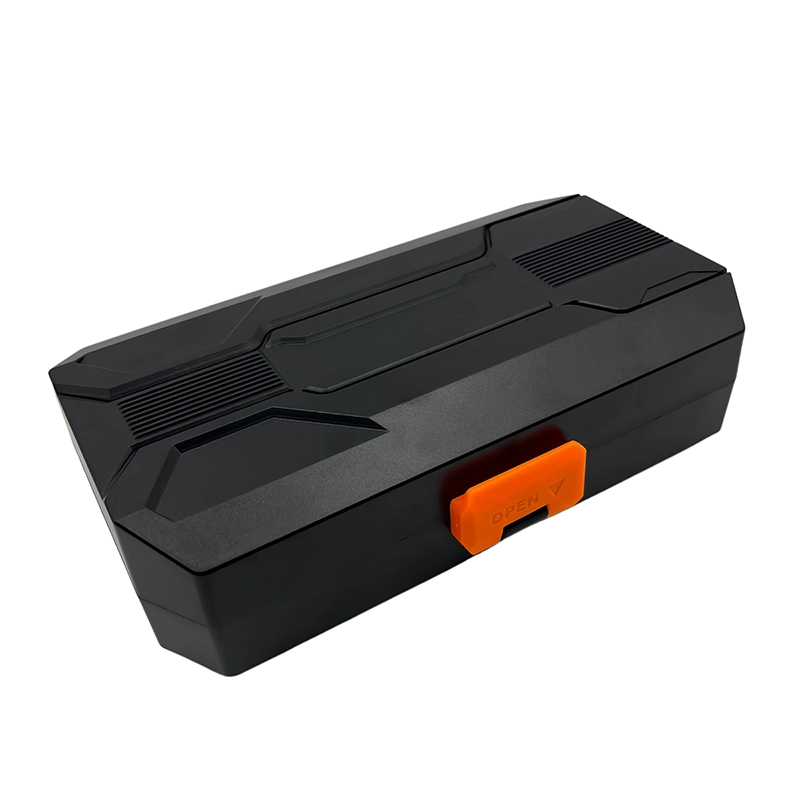
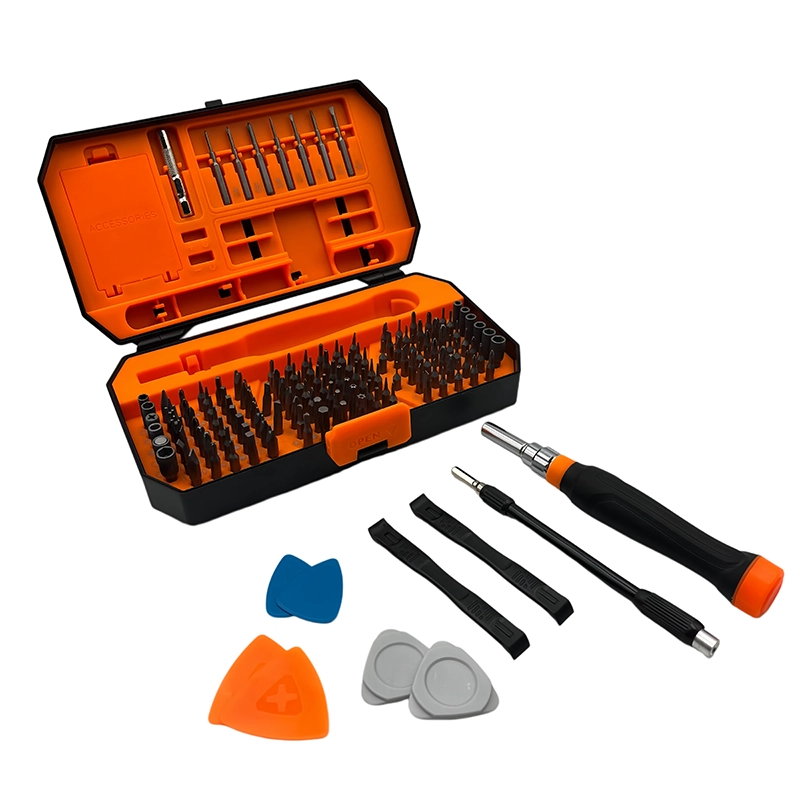
For a wholesale or private-label replacement bits for manual screwdriver sets project, freeze the bit map and case layout around this recommendation: OEM buyers should negotiate replacement data and packaging during the original kit project. Keep approved drawings, sample records, labels, images, and revision history linked to the main set so after-sales stock remains compatible. Link the physical 148-in-1 manual screwdriver set sample, specification, product images, packaging text and the task-specific inspection criteria to one revision so the claim remains tied to the configuration that will ship.
What failure signs mean stop rather than push harder?
The commercial failure is listing a replacement only as 4 mm S2 bit. A customer receives a bit with different length, retention, point geometry, or magnetism, and the brand inherits the fit problem despite selling the correct nominal width. The operator should preserve the remaining screw geometry and surrounding device instead of converting uncertainty into more force.
Do not ship a substitution when compatibility, geometry, retention, length, material claim, or labeling has not been approved for the listed kit. Hold mixed or untraceable stock. Document the condition when the job is handed off. A clear stop rule protects the customer’s device and gives a qualified technician better options than a head damaged by repeated attempts.
How does this apply in a real repair?
A service network may order refill packs of its two most-used profiles while retail users buy single replacements. Both need a model and compatibility path. A QR code can route users from case position to the exact spare without exposing them to ambiguous choices. Use the actual device instructions and representative hardware to confirm the method. Similar-looking screws can have different length, pitch, shoulder, coating, sealing, or grounding roles.
The buying decision for replacement bits for manual screwdriver sets should cover specify drive interface dimensions, retention feature, profile, size, tip geometry, working length, shank length, material and heat-treatment evidence for the exact sku, finish, magnetism, markings, packaging, lot, and compatible handle list. use sample fit and retention checks. without encouraging force outside the defined task. Keep an exception path for the condition in do not ship a substitution when compatibility, geometry, retention, length, material claim, or labeling has not been approved for the listed kit. hold mixed or untraceable stock.; that path may require a different bit, opening tool, specified torque method, rated electrical tool, battery process or qualified specialist rather than a larger general-purpose set.
What does the XOENAEN catalogue add to the decision?
The current XOENAEN catalogue includes the 148-in-1 manual screwdriver set, the real product reference used for replacement bits for manual screwdriver sets. Its photography and model record can anchor the buyer brief for a service network may order refill packs of its two most-used profiles while retail users buy single replacements. both need a model and compatibility path. a qr code can route users from case position to the exact spare without exposing them to ambiguous choices. Catalogue evidence does not establish universal device compatibility; the actual fastener, access path, stop rule and order-specific sample still determine approval.
Replacement support extends product life only when dimensional and application identity survives the transaction. Nominal profile and shank size are necessary identifiers, not a complete compatibility specification. Share target devices, fastener photos, required profiles, access constraints, market, quantity, packaging, and verification needs through the XOENAEN project enquiry so the product and evidence can be aligned before production.
Replacement supply models
| Option or condition | Best use | Main caution |
|---|---|---|
| Individual high-use bit | Low-cost targeted replacement | Requires precise customer identification |
| Profile refill pack | Useful for teams consuming one family | May include unused sizes |
| Complete replacement tray | Restores case organization | Higher cost and inventory burden |
- Define interface and tip geometry
- List compatible kits and handles
- Approve retention and fastener fit
- Create lot and packaging identity
- Stock high-use profiles
- Control substitutions and revisions
- 148-in-1 manual screwdriver set product page →
- Plan an OEM or private-label project →
- Review XOENAEN manufacturing and quality →
- Read XOENAEN tool FAQ answers →
- Related guide: manual-screwdriver-worn-bit-inspection →
- Related guide: manual-screwdriver-oem-private-label-kit →
- Continue with the manual-screwdriver-warranty-failure-coding topic →
- How XOENAEN presents quality evidence →
Are all 4 mm precision bits interchangeable?
No. Interface details, retention, total and working length, tip geometry, finish, and handle design can differ.
Which replacement bits should a distributor stock first?
Use sales, wear, loss, and support data to identify the highest-use profiles for the installed kit base.
Should replacement bits have separate SKUs?
Yes. Distinct SKUs improve compatibility, labeling, stock control, lot traceability, and customer support.
How is replacement compatibility verified?
Check holder engagement, retention, runout, profile geometry, fastener fit, length, and intended-use performance.
Can material name prove compatibility?
No. S2 or CR-V describes material families, not interface, geometry, heat treatment, or fit for a specific kit.
What belongs on refill packaging?
Include profile, size, interface, length, quantity, compatible models, lot identity, cautions, and supplier contact.