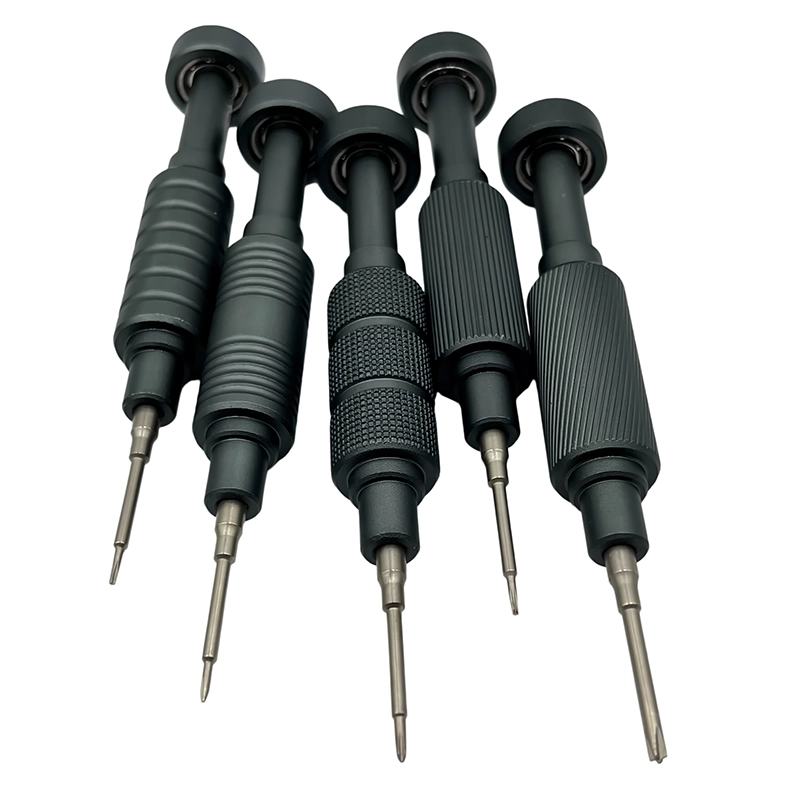
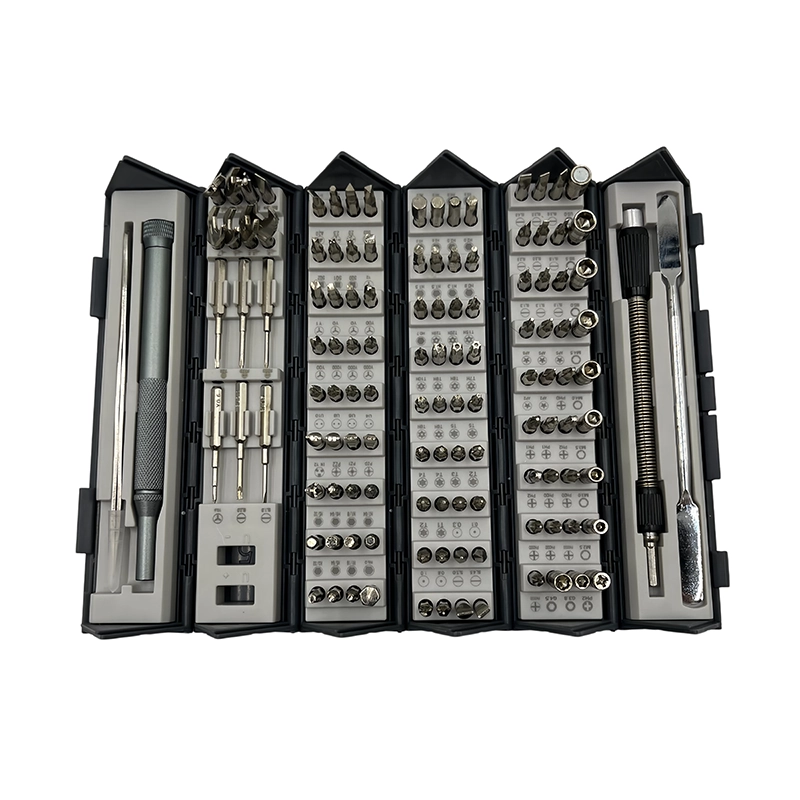
Map screws by exact position and disassembly layer, not just by device. Photograph the assembly before each layer, place fasteners in a matching tray or diagram, note length, head, washer, and orientation differences, and pause at every cable or shield. Reassembly should reverse verified checkpoints while each screw is started by hand in its original location.
Electronics screw map
A visual and physical record that links each removed fastener and associated part to its original position, layer, orientation, and reassembly sequence.
What makes this manual screwdriver task different?
Electronics can use several screws with the same head appearance but different length, thread, shoulder, coating, or washer. A mixed pile loses the information needed to protect batteries, boards, displays, and plastic bosses during reassembly. The first decision is therefore not how much force the handle can deliver, but whether the service task, device condition, and operator authorization are clearly understood. Keep the manufacturer’s instructions, the actual fastener, and the surrounding parts in view before selecting a bit.
A manual driver gives useful tactile feedback only when the workpiece is supported and the tip remains fully engaged. For repair technicians, DIY users, schools, refurbishers, and service managers, that means treating access, visibility, screw identity, and reassembly records as part of the tool choice rather than as optional bench habits.
Which technical factors matter most?
Record position, layer, length, diameter, head form, washer, color, thread type, and any seal or grounding function when relevant. The map should survive an interruption or technician handoff. Magnetism alone is not organization because screws can shift or attach to the wrong tool. Evaluate the complete installed system: handle, cap, holder, bit, fastener, access path, and work support. A premium material name or a high accessory count cannot compensate for partial recess contact or an unsafe service sequence.
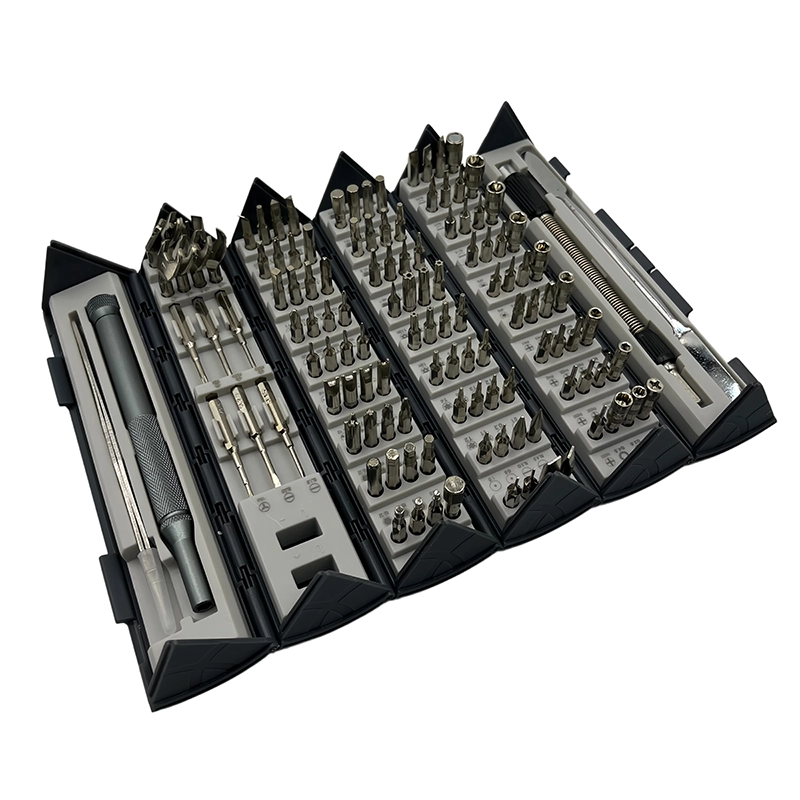
For electronics repair screw mapping, any drawing, service manual, torque specification or safety rule takes priority over general hand-tool guidance. Record the exact model, the condition described by the classic failure is a long screw installed into a shallow location, sometimes called long-screw damage in mobile repair contexts. a wrong shoulder or missing washer can also change grounding, spacing, or cosmetic alignment without being immediately obvious. and the configuration used by repair technicians, DIY users, schools, refurbishers, and service managers. A revision can change fastener length, cable routing, sealing or authorized access, so the retained record must identify the actual article-specific task.
What workflow keeps the repair controlled?
1. Photograph the unopened device and first screw layer, label the image or diagram, and prepare a compartment tray that mirrors position. This preparation stage prevents the screwdriver from becoming the first tool used on an unidentified joint.
2. After each removal, place the fastener immediately, note exceptions, keep shields and washers with their screws, and create a new map before exposing the next layer. Place each removed fastener into a position-based map immediately rather than relying on memory or one mixed container.
3. During reassembly, inspect parts and cables at each checkpoint, start every screw by hand in its mapped position, and compare final head heights and seams with the pre-service record. Final inspection should confirm the joint, surrounding parts, and complete device function required by the manufacturer; a closed case alone is not proof of a successful repair.
How should buyers compare a manual screwdriver set?
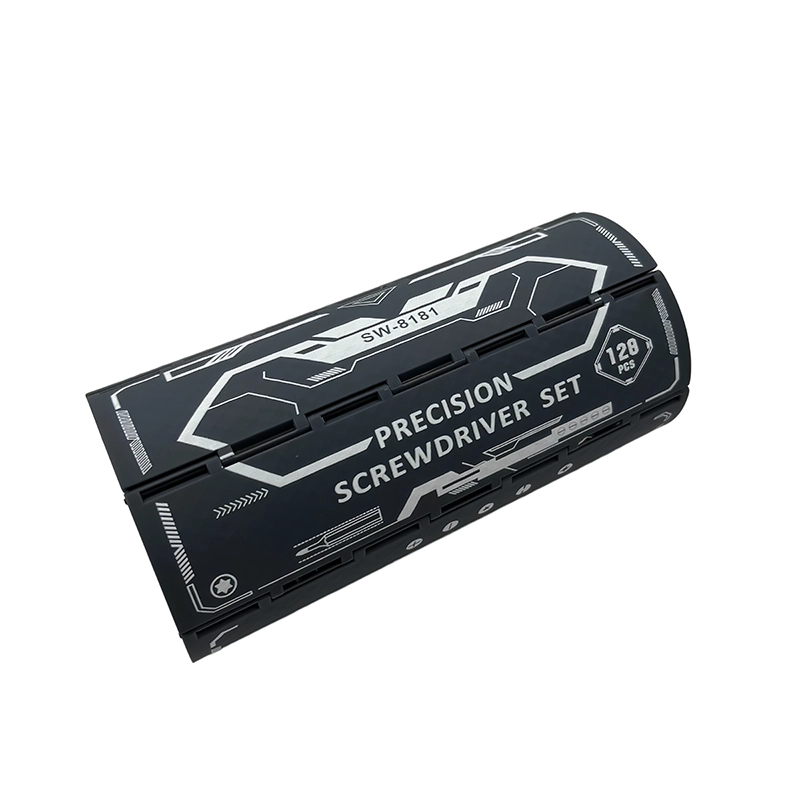
Compare candidates on verified profile fit, working reach, installed-bit stability, handle access, cap behavior, storage, labels, replacement support, and performance on representative fasteners. Repair kits can add real value with a reusable gridded mat, compartment labels, a photo workflow, and documentation examples. OEM buyers should test whether the organization survives transport and whether labels remain readable under shop conditions.
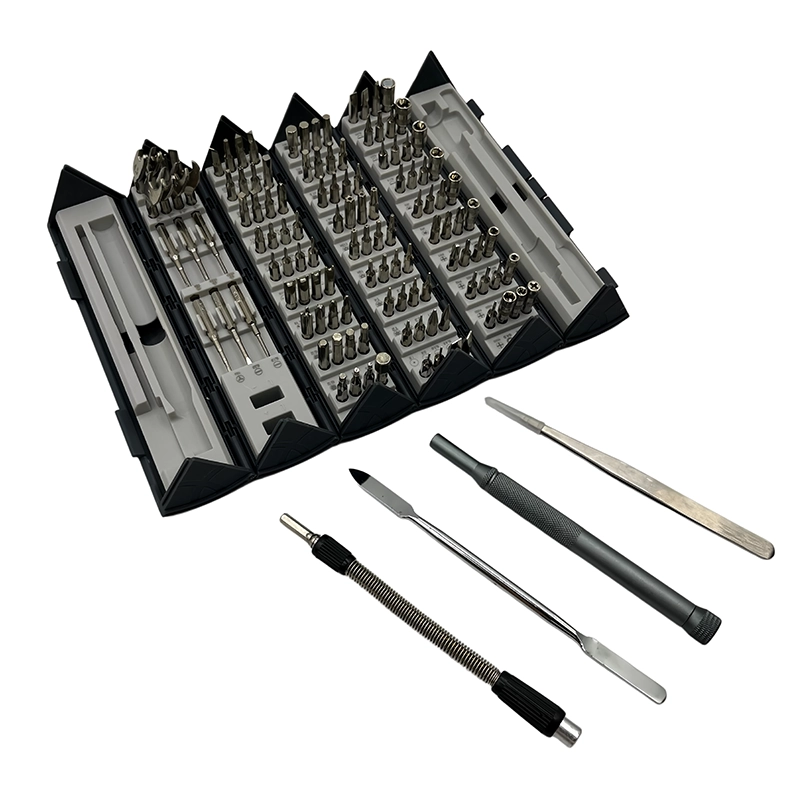
For a wholesale or private-label electronics repair screw mapping project, freeze the bit map and case layout around this recommendation: Repair kits can add real value with a reusable gridded mat, compartment labels, a photo workflow, and documentation examples. OEM buyers should test whether the organization survives transport and whether labels remain readable under shop conditions. Link the physical 128-in-1 manual screwdriver set sample, specification, product images, packaging text and the task-specific inspection criteria to one revision so the claim remains tied to the configuration that will ship.
What failure signs mean stop rather than push harder?
The classic failure is a long screw installed into a shallow location, sometimes called long-screw damage in mobile repair contexts. A wrong shoulder or missing washer can also change grounding, spacing, or cosmetic alignment without being immediately obvious. The operator should preserve the remaining screw geometry and surrounding device instead of converting uncertainty into more force.
Stop reassembly when a screw has no mapped position, the remaining count does not match, head height differs, a mapped screw starts poorly, or the case closes only under additional force. Document the condition when the job is handed off. A clear stop rule protects the customer’s device and gives a qualified technician better options than a head damaged by repeated attempts.
How does this apply in a real repair?
For a tablet with shields and brackets, create a separate layer map before each connector is exposed. In a console controller, label left and right hardware and spring-related parts. A second technician should be able to understand the map without relying on memory. Use the actual device instructions and representative hardware to confirm the method. Similar-looking screws can have different length, pitch, shoulder, coating, sealing, or grounding roles.
The buying decision for electronics repair screw mapping should cover record position, layer, length, diameter, head form, washer, color, thread type, and any seal or grounding function when relevant. the map should survive an interruption or technician handoff. magnetism alone is not organization because screws can shift or attach to the wrong tool. without encouraging force outside the defined task. Keep an exception path for the condition in stop reassembly when a screw has no mapped position, the remaining count does not match, head height differs, a mapped screw starts poorly, or the case closes only under additional force.; that path may require a different bit, opening tool, specified torque method, rated electrical tool, battery process or qualified specialist rather than a larger general-purpose set.
What does the XOENAEN catalogue add to the decision?
The current XOENAEN catalogue includes the 128-in-1 manual screwdriver set, the real product reference used for electronics repair screw mapping. Its photography and model record can anchor the buyer brief for for a tablet with shields and brackets, create a separate layer map before each connector is exposed. in a console controller, label left and right hardware and spring-related parts. a second technician should be able to understand the map without relying on memory. Catalogue evidence does not establish universal device compatibility; the actual fastener, access path, stop rule and order-specific sample still determine approval.
A screw map preserves configuration data. The manual screwdriver controls the fastening action, while the map controls identity, location, and sequence; both are required for a reliable reassembly. Share target devices, fastener photos, required profiles, access constraints, market, quantity, packaging, and verification needs through the XOENAEN project enquiry so the product and evidence can be aligned before production.
Screw organization methods
| Option or condition | Best use | Main caution |
|---|---|---|
| Position-mapped tray | Preserves location and sequence | Requires disciplined immediate placement |
| Labeled bags by layer | Good for long or transported jobs | Less visual for dense screw patterns |
| One magnetic bowl | Contains hardware | Does not preserve position or length |
- Use position and layer labels
- Record length and washer exceptions
- Photograph every transition
- Support technician handoff
- Keep parts with their fasteners
- Verify final head height and seams
- 128-in-1 manual screwdriver set product page →
- Plan an OEM or private-label project →
- Review XOENAEN manufacturing and quality →
- Read XOENAEN tool FAQ answers →
- Related guide: precision-screwdriver-bit-organization →
- Related guide: manual-driver-for-phone-repair →
- Continue with the manual-screwdriver-washer-spacer-mapping topic →
- How XOENAEN presents quality evidence →
Why not keep all screws in one magnetic tray?
A single tray contains screws but does not preserve exact position, layer, length, or washer information.
What should a screw map record?
Record position, layer, length differences, head and washer details, orientation, and related part checkpoints.
Should photos replace a physical tray?
No. Photos preserve context while the tray controls the actual hardware; using both is more reliable.
How can a screw map support a technician handoff?
Use clear labels, layer numbers, photos, and exception notes that another person can follow without memory.
What if one screw remains after reassembly?
Stop and reconcile the map and checkpoints. Do not close or power the device while hardware is unexplained.
Can mapped screws be replaced with similar ones?
Only use an exact approved replacement with the correct dimensions, thread, material, and function for that position.