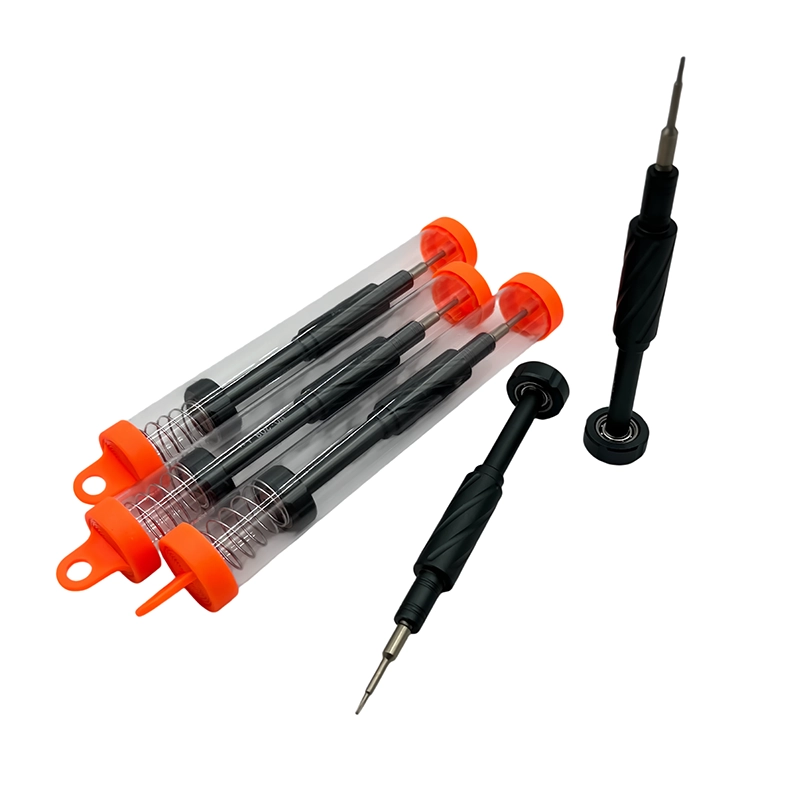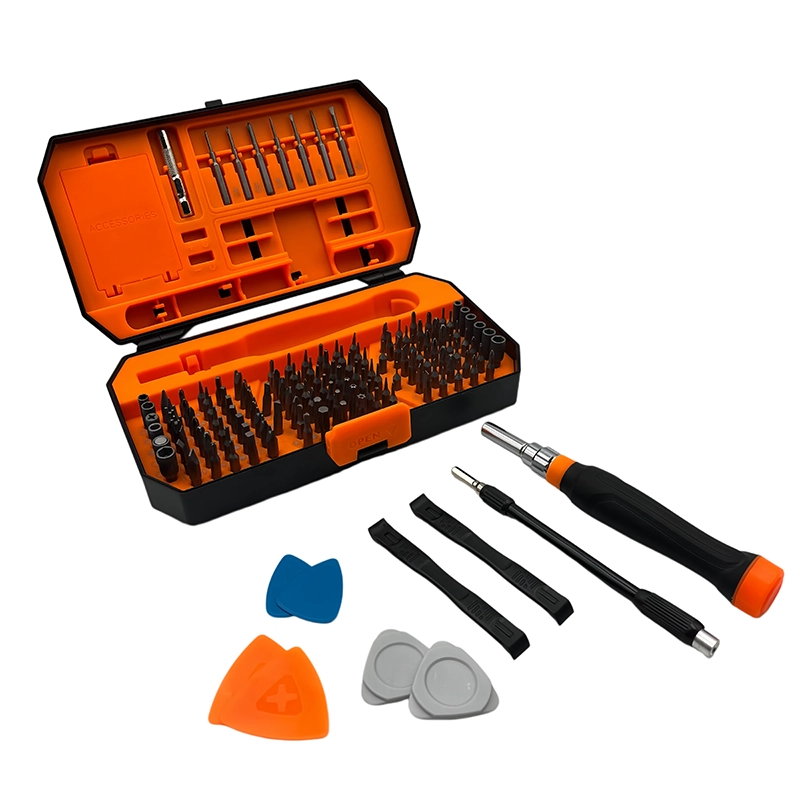
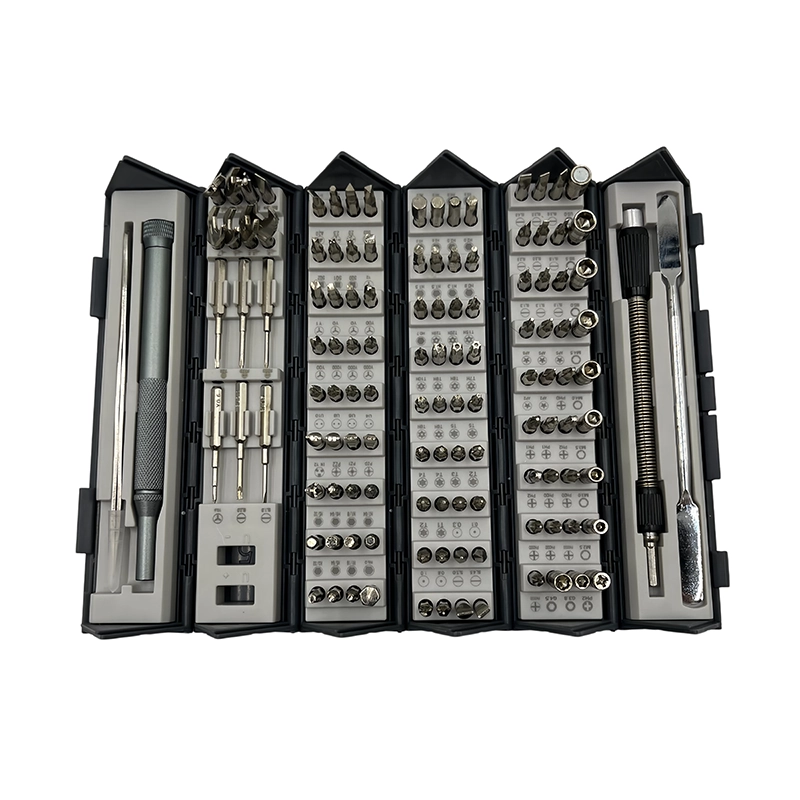
Choose set size from a fastener census, not the largest package number. A compact set works when devices and profiles are known; a mid-size set adds reach or accessories for mixed repairs; a larger set can support broader service only if its extra pieces solve real tasks. Count unique useful bits, handles, extensions, opening tools, duplicates, and replacement support separately.
Screwdriver set piece count
The marketed total of bits, handles, extensions, accessories, and sometimes repeated components included in a kit; it is not the same as unique fastener coverage.
What makes this manual screwdriver task different?
Piece count is easy to compare but can hide duplicate bits, accessories unrelated to fastening, and profiles that never reach the customer’s devices. A smaller organized case may be faster and safer than a larger case with ambiguous labels. The first decision is therefore not how much force the handle can deliver, but whether the service task, device condition, and operator authorization are clearly understood. Keep the manufacturer’s instructions, the actual fastener, and the surrounding parts in view before selecting a bit.
A manual driver gives useful tactile feedback only when the workpiece is supported and the tip remains fully engaged. For retail buyers, repair shops, DIY users, distributors, and private-label brands, that means treating access, visibility, screw identity, and reassembly records as part of the tool choice rather than as optional bench habits.
Which technical factors matter most?
Create a device and fastener matrix, score profile and size frequency, identify long-bit needs, separate accessories, count duplicates, evaluate steel and geometry by SKU, inspect case labels, and confirm replacement availability. Include transport and bench space in the decision. Evaluate the complete installed system: handle, cap, holder, bit, fastener, access path, and work support. A premium material name or a high accessory count cannot compensate for partial recess contact or an unsafe service sequence.
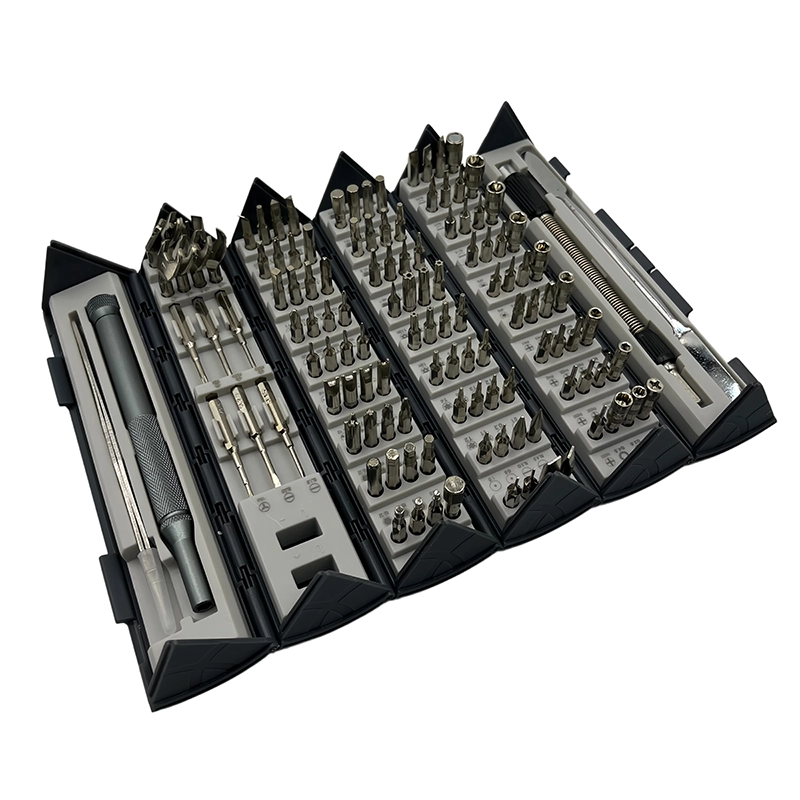
For how many pieces in a manual screwdriver set, any drawing, service manual, torque specification or safety rule takes priority over general hand-tool guidance. Record the exact model, the condition described by the predictable buying error is treating 128 as automatically better than 49. the large set arrives, but the frequently used bit has poor fit, the case is slow to navigate, and no replacement is available when that one bit wears. and the configuration used by retail buyers, repair shops, DIY users, distributors, and private-label brands. A revision can change fastener length, cable routing, sealing or authorized access, so the retained record must identify the actual article-specific task.
What workflow keeps the repair controlled?
1. Audit recent repairs or target products, list every screw profile, size, length, and access constraint, and rank them as essential, occasional, or excluded. This preparation stage prevents the screwdriver from becoming the first tool used on an unidentified joint.
2. Compare candidate kits line by line, count unique useful bits, identify duplicate and specialty items, and test the essential profiles on real fasteners. Place each removed fastener into a position-based map immediately rather than relying on memory or one mixed container.
3. Approve the smallest configuration that covers the work with a clear exception path, then document replenishment, packaging, and user guidance. Final inspection should confirm the joint, surrounding parts, and complete device function required by the manufacturer; a closed case alone is not proof of a successful repair.
How should buyers compare a manual screwdriver set?
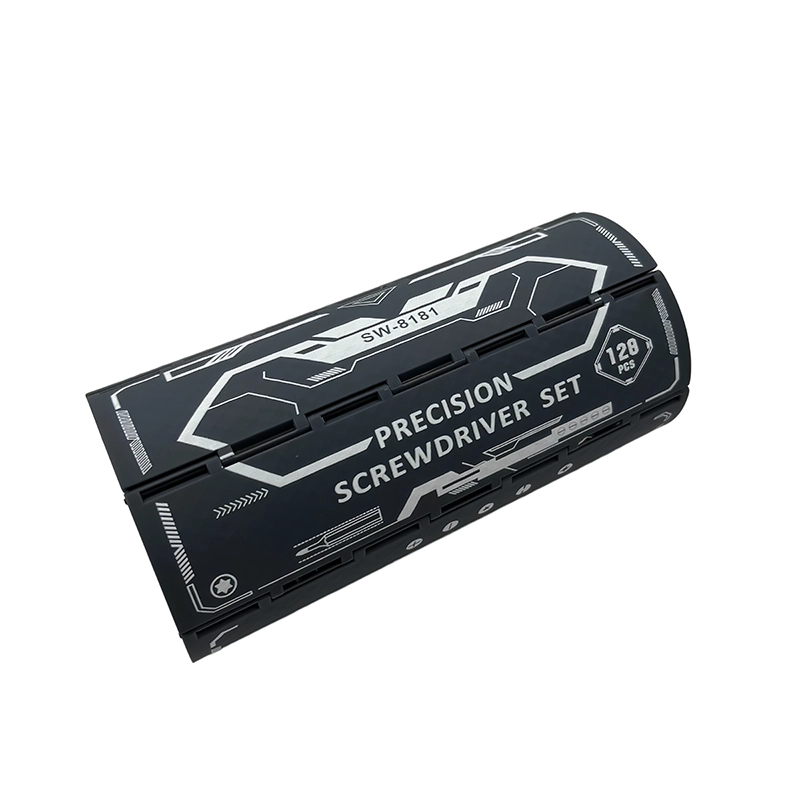
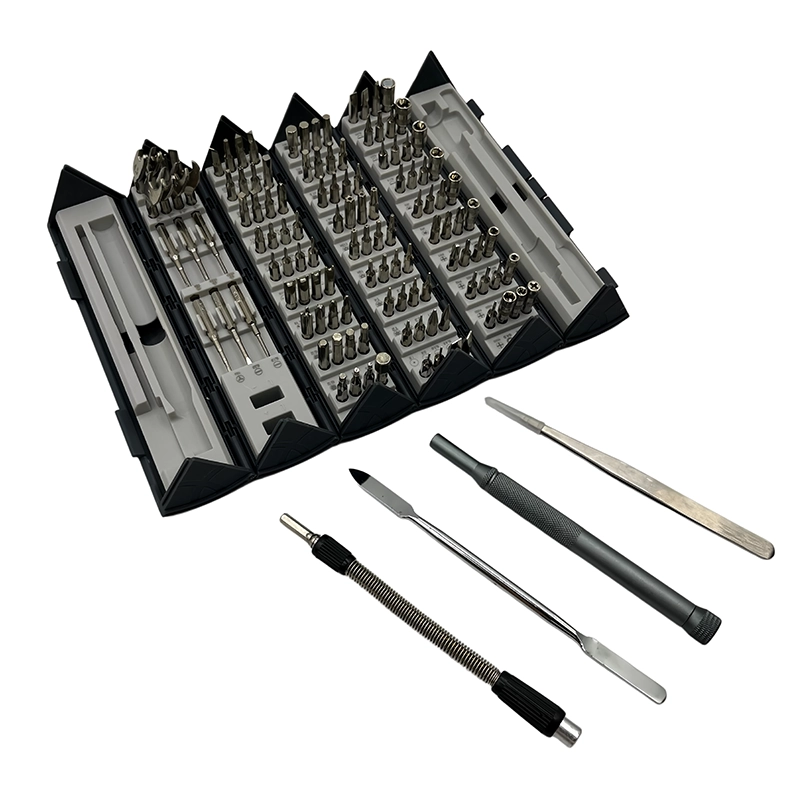
Compare candidates on verified profile fit, working reach, installed-bit stability, handle access, cap behavior, storage, labels, replacement support, and performance on representative fasteners. For wholesale and OEM, publish a complete bit and accessory map instead of only the total. Show unique profiles, lengths, materials by approved SKU, storage layout, target tasks, limitations, and replacement path.
For a wholesale or private-label how many pieces in a manual screwdriver set project, freeze the bit map and case layout around this recommendation: For wholesale and OEM, publish a complete bit and accessory map instead of only the total. Show unique profiles, lengths, materials by approved SKU, storage layout, target tasks, limitations, and replacement path. Link the physical 128-in-1 manual screwdriver set sample, specification, product images, packaging text and the task-specific inspection criteria to one revision so the claim remains tied to the configuration that will ship.
What failure signs mean stop rather than push harder?
The predictable buying error is treating 128 as automatically better than 49. The large set arrives, but the frequently used bit has poor fit, the case is slow to navigate, and no replacement is available when that one bit wears. The operator should preserve the remaining screw geometry and surrounding device instead of converting uncertainty into more force.
Reject a candidate when essential profiles are missing or poorly fitted, piece categories are unclear, labels are unreadable, storage does not retain parts, or the supplier cannot identify replacement bits. Document the condition when the job is handed off. A clear stop rule protects the customer’s device and gives a qualified technician better options than a head damaged by repeated attempts.
How does this apply in a real repair?
A phone repair counter may prefer a compact or mid-size map with high-use mobile profiles and screw organization. A refurbishment center working across laptops, toys, routers, and consoles can justify a larger controlled case if its coverage is documented. Use the actual device instructions and representative hardware to confirm the method. Similar-looking screws can have different length, pitch, shoulder, coating, sealing, or grounding roles.
The buying decision for how many pieces in a manual screwdriver set should cover create a device and fastener matrix, score profile and size frequency, identify long-bit needs, separate accessories, count duplicates, evaluate steel and geometry by sku, inspect case labels, and confirm replacement availability. include transport and bench space in the decision. without encouraging force outside the defined task. Keep an exception path for the condition in reject a candidate when essential profiles are missing or poorly fitted, piece categories are unclear, labels are unreadable, storage does not retain parts, or the supplier cannot identify replacement bits.; that path may require a different bit, opening tool, specified torque method, rated electrical tool, battery process or qualified specialist rather than a larger general-purpose set.
What does the XOENAEN catalogue add to the decision?
The current XOENAEN catalogue includes the 128-in-1 manual screwdriver set, the real product reference used for how many pieces in a manual screwdriver set. Its photography and model record can anchor the buyer brief for a phone repair counter may prefer a compact or mid-size map with high-use mobile profiles and screw organization. a refurbishment center working across laptops, toys, routers, and consoles can justify a larger controlled case if its coverage is documented. Catalogue evidence does not establish universal device compatibility; the actual fastener, access path, stop rule and order-specific sample still determine approval.
The correct set size minimizes two losses at once: coverage gaps that cause improvisation and excess complexity that causes search, selection, and inventory errors. Share target devices, fastener photos, required profiles, access constraints, market, quantity, packaging, and verification needs through the XOENAEN project enquiry so the product and evidence can be aligned before production.
Manual set size strategies
| Option or condition | Best use | Main caution |
|---|---|---|
| Compact 6–25-piece class | Portable and focused for known devices | Limited exception coverage |
| Mid-size 31–58-piece class | Balances profiles, reach, and accessories | May include unused additions |
| Large 128–206-piece class | Broad mixed-device and accessory coverage | Heavier and harder to audit |
- Build a fastener census
- Count unique useful bits
- Separate accessories from bits
- Identify long-bit requirements
- Test essential profiles
- Confirm replacement and storage
- 128-in-1 manual screwdriver set product page →
- Browse manual screwdriver products →
- Plan an OEM or private-label project →
- Review XOENAEN manufacturing and quality →
- Read XOENAEN tool FAQ answers →
- Related guide: electronics-screwdriver-set-buyer-checklist →
- Related guide: manual-screwdriver-oem-private-label-kit →
- How XOENAEN presents quality evidence →
Does a higher piece count mean more screw coverage?
Not necessarily. The total may include duplicates, accessories, handles, and profiles unrelated to the target devices.
Who should choose a compact screwdriver set?
Users with a known device range and verified profile map benefit from portability and simple inventory.
When is a large screwdriver set justified?
It is justified when documented mixed-device work uses the additional profiles, lengths, handles, or accessories.
Should duplicate bits count as waste?
Not always. Duplicates of high-wear profiles can support uptime, but they should be deliberate and identified.
How should two set sizes be compared?
Compare exact bit maps, unique profiles, reach, fit, storage, replacement support, and sample performance.
What should an OEM package show?
Show a complete contents map, dimensions or lengths where useful, intended tasks, material claims by SKU, and limitations.