For webcam privacy-shutter and circuit-board service, first confirm the exact model, authorized repair scope, safe power state and fastener map. Use a bit that fully fills the recess, support the assembly, preserve every screw position and start reassembly by hand. Stop when alignment or resistance changes, then verify affected functions with the maker’s procedure. Screw tightness alone does not prove a safe or complete repair.
webcam privacy-shutter and circuit-board service manual screwdriver workflow
webcam privacy-shutter and circuit-board service manual screwdriver workflow is a controlled method for defining the service boundary, matching a full-fitting bit, preserving screw and component positions, recognizing a stop condition and verifying the restored assembly without treating extra hand force as a substitute for product-specific instructions.
What work is actually inside webcam privacy-shutter and circuit-board service?
This guidance covers a serviceable external webcam enclosure, shutter and board. It does not recommend opening sealed laptop camera modules, altering indicator-light behavior or defeating a privacy control. Optical alignment and firmware issues may remain outside ordinary screwdriver work. Before opening anything, separate the requested outcome from the mechanical step. A failed function can originate in software, a connector, contamination, a worn part or the surrounding assembly, so the presence of screws is not proof that loosening them is the correct diagnosis. Document what the product does now, what changed and which evidence will distinguish a fastening problem from a component problem. That short record protects the device and prevents an accessory list from becoming a substitute for a service plan.
A compact webcam can place shell screws beside the lens barrel, microphone ports, status LED, shutter slider and USB cable strain relief. The shutter may be spring loaded or loosely captured. Manual driving should preserve optical cleanliness and moving-part orientation rather than merely remove the smallest visible screws. Treat each joint as a stack of parts rather than an isolated screw. The stack may contain a bracket, board, washer, seal, cable, spacer, contact or moving feature, all of which have to return to the same geometry. A manual driver gives useful feedback only when its bit fits, its shaft stays straight and the workpiece is supported. If any of those conditions is missing, the correct response is to improve access or stop, not to squeeze the handle harder.
What removal and reassembly order controls webcam privacy-shutter and circuit-board service?
Release the shell without levering against the lens, restrain the shutter as halves separate and record any spring or detent. Remove board screws with ESD precautions and support the USB cable. Reassemble the shutter first, confirm free travel, position the board on all locators and hand-start shell screws before final seating. Each movement should answer one question: what has just been released, and what might now be unsupported? Move the removed fastener directly to its map instead of placing it temporarily on the bench. Where a cover spans several positions, loosen progressively so stored load is not concentrated at one corner. Support a bracket, board or module before its last fastener and never pull two halves apart until tethering cables and clips have been identified.
On the way back from webcam privacy-shutter and circuit-board service, restore the non-fastener stack first: locators, contacts, seals, washers, cables, springs and supports. Place the retained part without using screws and check whether it sits naturally. Start every fastener by hand for at least the first engagement, back out immediately if resistance arrives too soon and use an alternating sequence across wide or flexible parts. Final seating means eliminating designed clearance without bowing, crushing or forcing the assembly into a shape it did not have.
Which bit and handle fit webcam privacy-shutter and circuit-board service best?
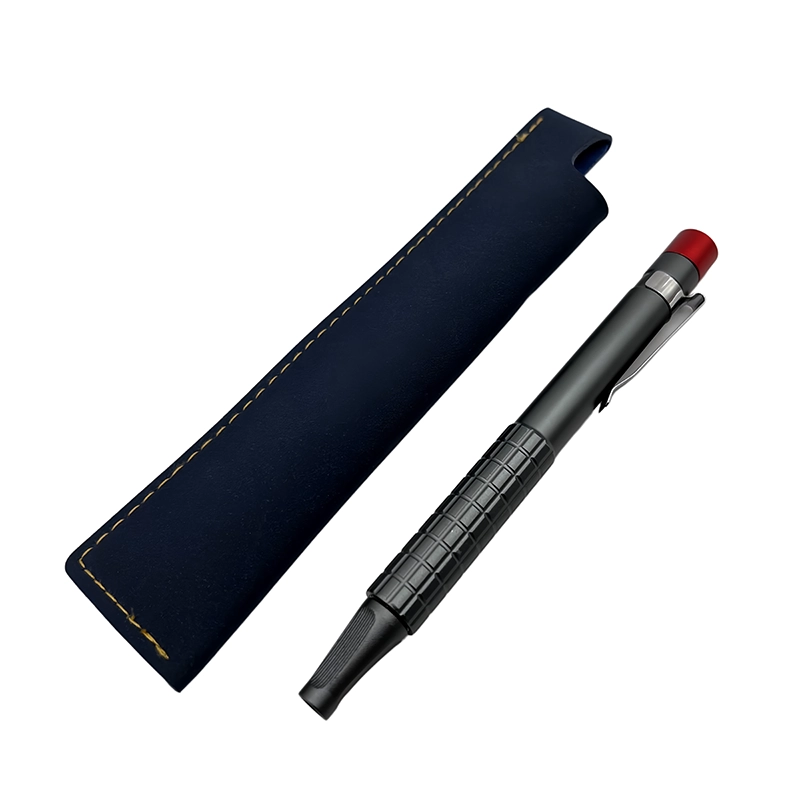
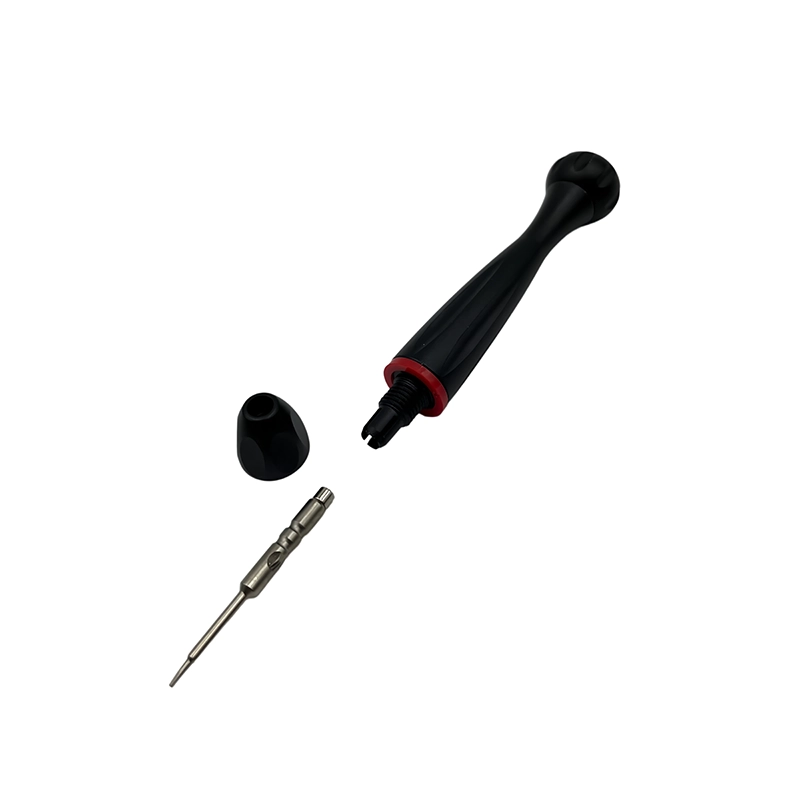
Begin with the fastener in front of you, not a remembered size from a similar product. Clean the recess without damaging it, compare candidate tips under magnification and choose the profile that reaches the full depth with minimal rotational play. Check that the bit shoulder and holder clear nearby surfaces throughout the turn. For webcam privacy-shutter and circuit-board service, a compact rotating cap often improves fingertip control, while a longer shaft is useful only when it remains straight and does not touch the assembly around the recess.
For webcam privacy-shutter and circuit-board service, handle size changes how easily an operator can exceed the needs of a miniature joint. Use the smallest comfortable grip that maintains alignment, and reserve higher leverage for a documented breakaway step on a supported fastener. Magnetism can help retain ferrous screws, but it is neither universal nor always appropriate around sensors, loose metal or sensitive components. A complete selection decision therefore records profile, nominal size, working length, holder play, access angle and the explicit point at which the operator must stop.
How should the device be prepared before webcam privacy-shutter and circuit-board service?
Disconnect the camera, record its mount and cable condition, and photograph the shutter in open and closed states. Work in a clean area with the lens covered, identify hidden screws beneath pads only from documentation, and prepare separate containers for shell, board, mount and strain-relief hardware. Preparation is part of the repair, not idle time. It creates the reference that allows another person to understand where each screw, cable and small part belongs. Use photographs that show orientation as well as close details, and add labels where identical hardware crosses assembly boundaries. If a procedure depends on a particular fold angle, switch position or module state, record it before the assembly can move.
For webcam privacy-shutter and circuit-board service, set up the bench around the product’s hazards and the size of its loose parts. A stable padded support prevents the driver hand from also holding the device. Good lighting reveals recess fit and cable edges, while a divided map prevents mixed screw lengths. Apply ESD controls where boards are exposed and keep batteries, mains sections, optical surfaces, seals and energized parts within their own approved handling rules. The tool set should arrive only after this safe work state has been established.
Which risks and stop signs matter during webcam privacy-shutter and circuit-board service?
A wandering bit can scratch the lens or microphone port, and a loose spring can disappear into the work area. A long screw may contact the PCB. Fingerprints or dust can reduce image quality, while misrouting the cable can transfer strain to solder joints even when the housing closes correctly. These are application risks rather than theoretical tool defects, so they should appear in the job instruction and buyer brief. A bit can fit the head yet still be inappropriate because the shaft has no clearance, the screw has another function or the assembly is not supported. Likewise, a cover can close while a hidden cable, washer or contact remains wrong. Avoid broad promises such as “safe for all electronics” because the risk is created by the complete joint and service context.
The controlling stop rule is: Stop when the lens barrel shifts, shutter parts cannot be identified, a cable strain relief is torn, the LED privacy behavior would be altered or a glued optical module requires alignment equipment. Stop rules must be practical enough that an operator can recognize them before irreversible damage. Photograph the condition, keep the hardware map unchanged and escalate with the model, fastener position and observed resistance. Do not substitute a larger handle, impact, heat, chemical or improvised extractor without a separate approved method. A disciplined stop preserves diagnostic evidence and usually costs less than repairing damage caused by one more turn.
What should Western-market buyers compare for webcam privacy-shutter and circuit-board service?
Webcam service needs small accurate profiles, a stable rotating cap, clean non-shedding storage and a parts tray for springs. A buyer should validate shaft access around the mount and ask for truthful limits around lens alignment and privacy indicators. Generic electronics compatibility is not enough for a product claim. For European and North American repair, hobby or retail programs, the useful commercial specification starts with target devices, users and fastener profiles. Add working length, material tied to the released SKU, handle geometry, case labeling, replacement-bit availability, packaging languages and the sample method. Ask the supplier to identify assumptions and exclusions so a buyer can distinguish verified contents from application guidance and future options.
For webcam privacy-shutter and circuit-board service, do not rank sets by piece count or a single alloy name. Build a fastener matrix from representative products, measure whether the tip seats fully, observe holder wobble and check whether users can find and return the right bit. Review the exact sample that will support the listing. Any change to tips, holder, handle, case, marking or package needs revision control. Private-label artwork should be approved after the working configuration is frozen, not before the core fit questions have been answered.
How can webcam privacy-shutter and circuit-board service be verified after reassembly?
Inspect the lens under clean light, move the shutter through its full travel and tug the cable only within the maker’s allowed check. Connect the camera and verify image focus, microphones, indicator behavior and mount movement. Confirm that the shutter blocks the image physically without obstructing the lens when reopened. Build the checklist before the device is closed, because some observations disappear beneath the final cover or adhesive. At minimum, reconcile the parts map, compare seams and head heights, confirm that moving parts and cables have clearance and inspect disturbed contacts or seals. Where a product maker specifies calibration, software diagnostics, electrical safety checks or ingress testing, those activities remain part of the acceptance process and may require qualified equipment.
Write down what was actually checked, under what state and with which reference. “Works” is not a useful result if only one function or one position was tried. For webcam privacy-shutter and circuit-board service, repeat the customer’s original symptom in a safe, controlled way and add adjacent functions that could have been affected by the teardown. An observation on one representative device supports that repair decision; it does not establish universal durability, certification or compatibility for a complete market.
What does a realistic webcam privacy-shutter and circuit-board service example look like?
For an intermittent cable repair in a serviceable webcam, keep the lens capped and photograph the strain-relief clamp before removing it. Capture the shutter detent in a clear box, map board and clamp screws independently, and restore the cable curve. Test image, audio and shutter states before refitting the mounting foot. This example is a planning illustration, not a customer result or a statement that the named XOENAEN set has been tested on every device described. It shows why screw location, product state and a defined test matter together. A workshop should repeat the method on its own representative assembly and record the observation before adopting it as a standard operating instruction.
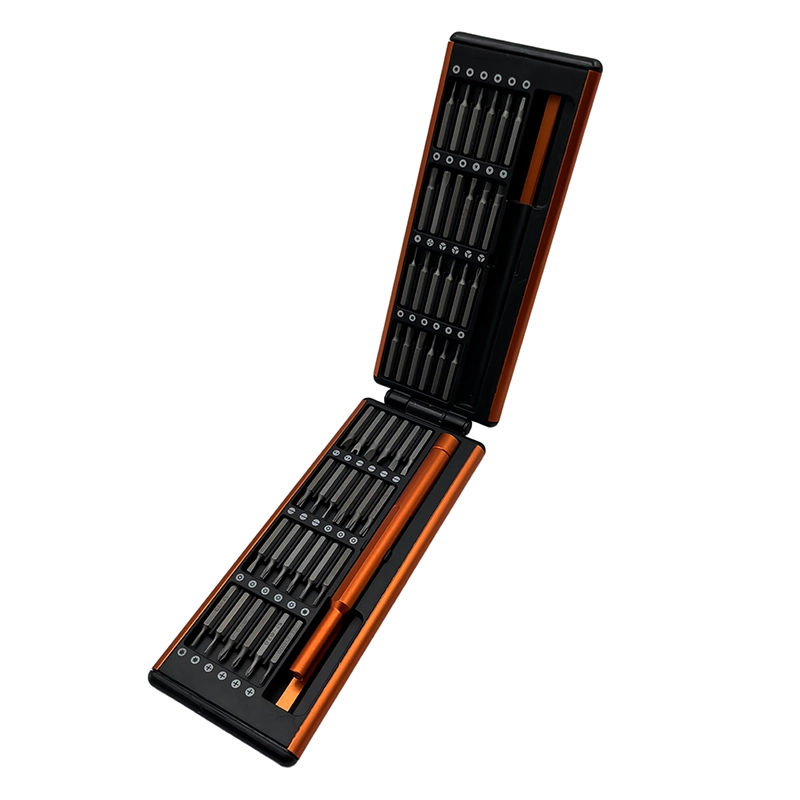
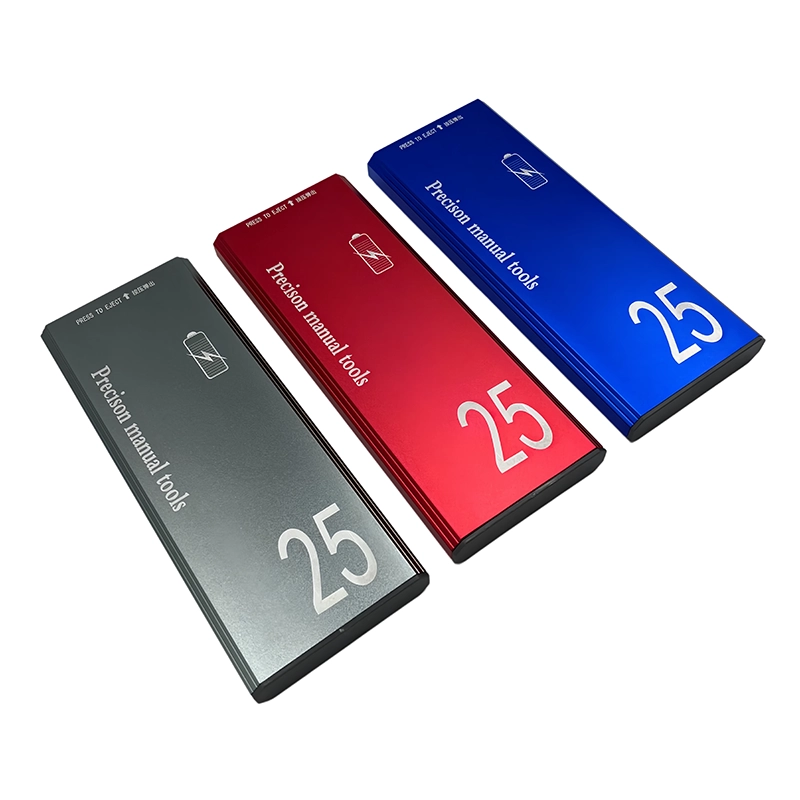
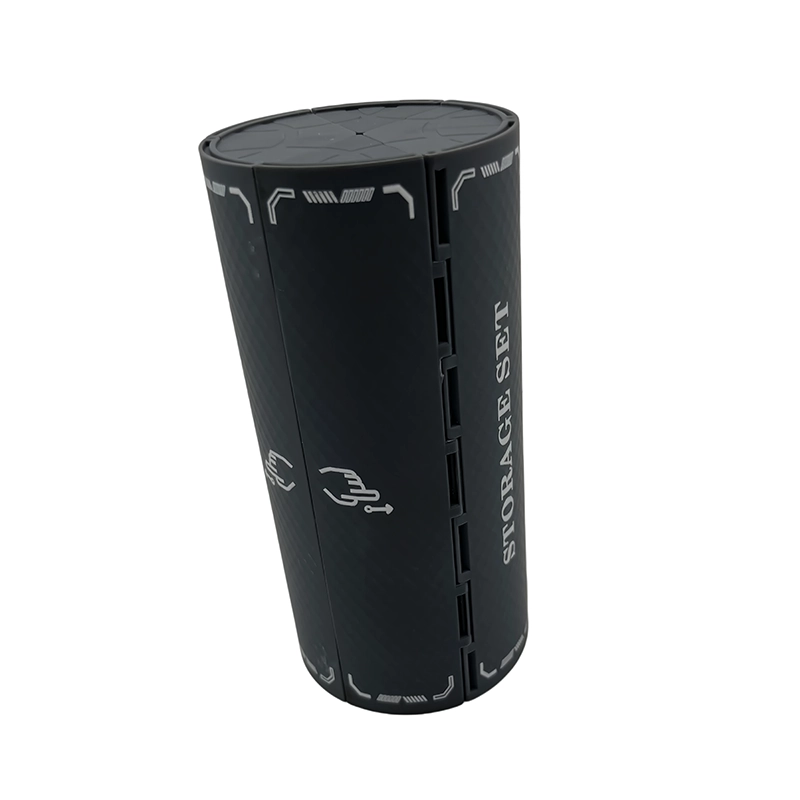
The current XOENAEN catalog identifies the 49-in-1 manual precision screwdriver set as an available manual-tool platform. That first-party record supports product existence and the referenced catalog images; it does not prove a hidden specification, certification, device-wide compatibility or service-life figure. For webcam privacy-shutter and circuit-board service, compare the actual bit list and sample with the intended fasteners, then agree on acceptance criteria, package claims and replenishment. If the evidence does not cover a claim, narrow the claim rather than filling the gap with confident language.
What Driver Setup Works for Webcam Privacy-Shutter and Board Service?: method comparison
| Option | Appropriate use | Decision limit |
|---|---|---|
| Rotating-cap micro driver | Shell and board fasteners | Needs clean optical handling |
| Non-marring pick | Documented shutter guidance | Can scratch a lens if misused |
| Household bit holder | Mounting hardware | Too bulky inside the camera shell |
- Confirm the real customer question: How should tiny webcam screws, lens parts and a sliding privacy shutter be controlled during service?
- Identify the exact device, fastener profiles and authorized boundary for webcam privacy-shutter and circuit-board service.
- Approve tip fit, working length, holder stability and handle control on representative screws.
- Document this application stop rule: Stop when the lens barrel shifts, shutter parts cannot be identified, a cable strain relief is torn, the LED privacy behavior would be altered or a glued optical module requires alignment equipment.
- Compare the delivered 49-in-1 manual precision screwdriver set bit map with the released sample.
- Define position mapping, reassembly observations and affected-function checks.
- Keep listing, manual, package and replacement-bit claims synchronized by revision.
- 49-in-1 manual precision screwdriver set product details →
- Plan a private-label manual screwdriver project →
- Review manufacturing and quality-control scope →
- Read the XOENAEN editorial and evidence policy →
- How Should a Sealed Bluetooth Speaker Be Opened for Battery Service? →
- How Do You Service a Studio Microphone Body Without Touching the Capsule? →
- Continue with the manual-screwdriver-wireless-keyboard-battery-receiver-bay topic →
- How XOENAEN presents quality evidence →
Which first decision matters most in webcam privacy-shutter and circuit-board service?
This guidance covers a serviceable external webcam enclosure, shutter and board. It does not recommend opening sealed laptop camera modules, altering indicator-light behavior or defeating a privacy control. Optical alignment and firmware issues may remain outside ordinary screwdriver work. The model, safe state, authorized components and final verification route should be recorded before a bit is selected or a cover is moved.
How can near-identical screws be separated in webcam privacy-shutter and circuit-board service?
A compact webcam can place shell screws beside the lens barrel, microphone ports, status LED, shutter slider and USB cable strain relief. The shutter may be spring loaded or loosely captured. Manual driving should preserve optical cleanliness and moving-part orientation rather than merely remove the smallest visible screws. A position record prevents the head shape from being mistaken for proof that two fasteners have the same length or function.
Does a larger screwdriver handle make webcam privacy-shutter and circuit-board service safer?
Release the shell without levering against the lens, restrain the shutter as halves separate and record any spring or detent. Remove board screws with ESD precautions and support the USB cable. Reassemble the shutter first, confirm free travel, position the board on all locators and hand-start shell screws before final seating. Hand control is preferred where resistance, fragile supports or mixed hardware require the operator to feel a change and stop before damage.
When does webcam privacy-shutter and circuit-board service move beyond ordinary DIY work?
Stop when the lens barrel shifts, shutter parts cannot be identified, a cable strain relief is torn, the LED privacy behavior would be altered or a glued optical module requires alignment equipment. That condition means the present method, evidence or equipment is insufficient; more leverage would only hide the unresolved cause.
What does successful verification mean for webcam privacy-shutter and circuit-board service?
Inspect the lens under clean light, move the shutter through its full travel and tug the cable only within the maker’s allowed check. Connect the camera and verify image focus, microphones, indicator behavior and mount movement. Confirm that the shutter blocks the image physically without obstructing the lens when reopened. Completion must be tied to the affected functions and safety controls, rather than to a closed seam or an installed screw alone.
How should distributors qualify bits for webcam privacy-shutter and circuit-board service?
Webcam service needs small accurate profiles, a stable rotating cap, clean non-shedding storage and a parts tray for springs. A buyer should validate shaft access around the mount and ask for truthful limits around lens alignment and privacy indicators. Generic electronics compatibility is not enough for a product claim. The supplier’s claim should remain limited to documented product contents and representative application checks, with assumptions and exclusions stated plainly.