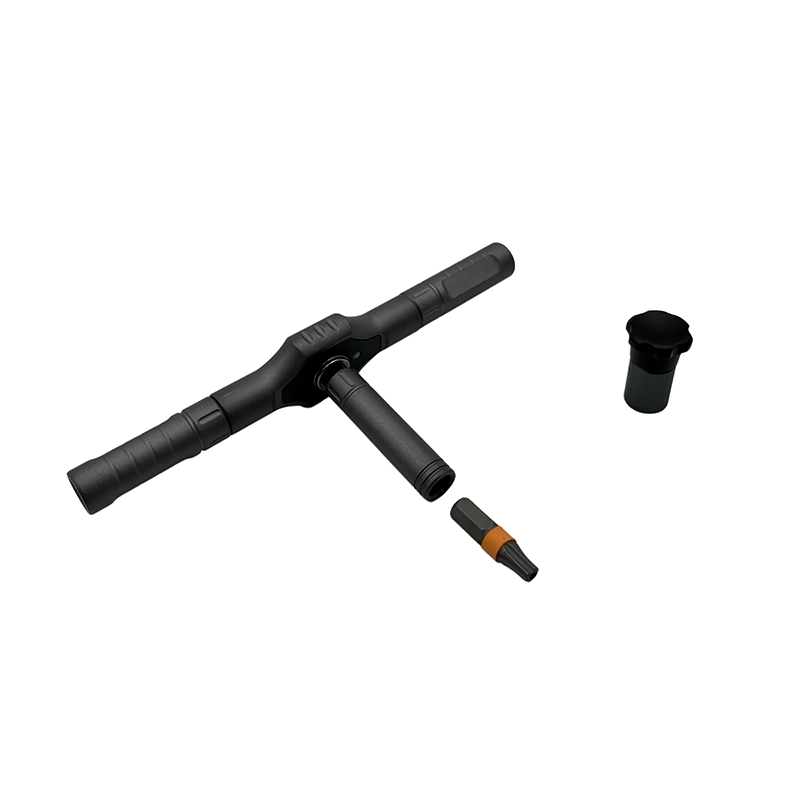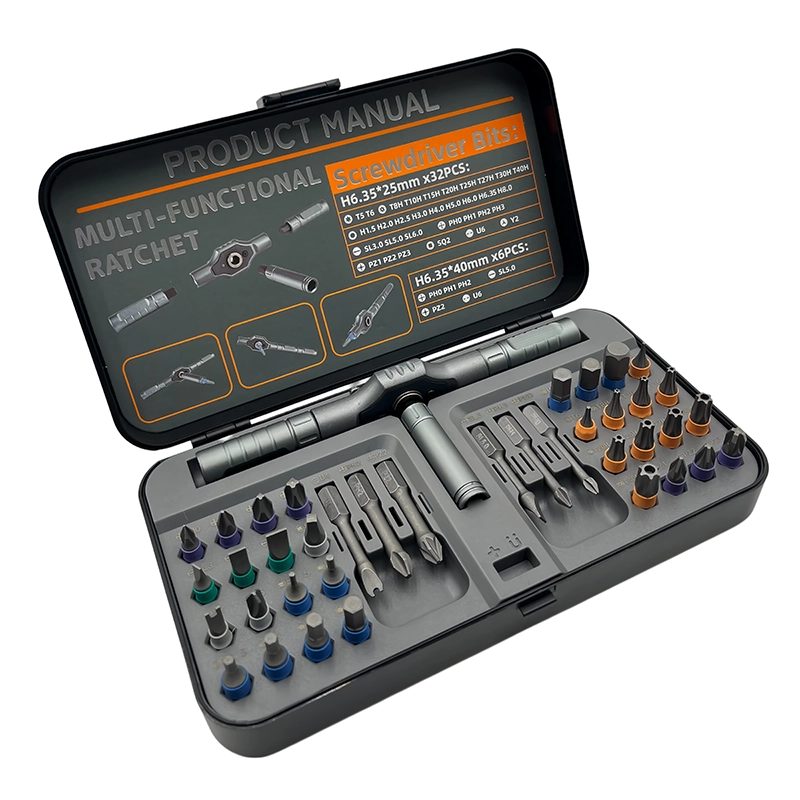
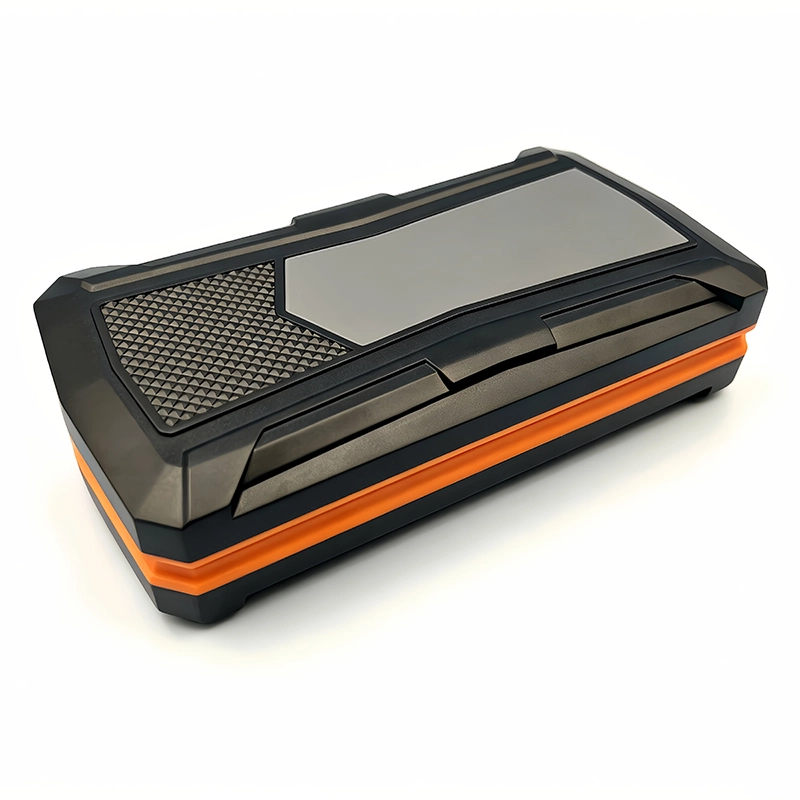
Unload and stabilize the bar stool before using a ratchet screwdriver on its footrest hardware. Identify whether movement comes from a loose connector, worn insert, cracked rail or uneven frame, then align the stool and tighten related joints in stages. A longer handle cannot restore stripped wood or a failed weld, and safety depends on the furniture maker's hardware and stability requirements.
ratchet screwdriver for bar stool footrest
ratchet screwdriver for bar stool footrest means selecting and using a compatible hand-ratchet configuration for bar-stool footrest and seat-frame connectors after fastener identity, access, safe state and the final stopping condition are documented. It is an application description, not a universal compatibility, torque or repair claim.
Unload and stabilize the bar stool before using a ratchet screwdriver on its footrest hardware. Identify whether movement comes from a loose connector, worn insert, cracked rail or uneven frame, then align the stool and tighten related joints in stages. A longer handle cannot restore stripped wood or a failed weld, and safety depends on the furniture maker's hardware and stability requirements This guide is limited to bar-stool footrest and seat-frame connectors.
This article concerns screw-fastened footrest rings, rails and seat-frame brackets on household or hospitality bar stools. It excludes welded repair, cracked structural members and substitute hardware not approved for the model. A tall stool must remain out of service until the full frame is stable. The decision begins with the real screw, access envelope and receiving material. A ratchet mechanism changes how the hand returns between strokes; it does not identify a fastener, support a part, choose an anchor, restore damaged threads or prove a finished joint. The notes below keep that distinction visible for buyers, repair teams and DIY users.
Is a ratchet screwdriver the right tool for bar-stool footrest and seat-frame connectors?
Footrests receive repeated sideways and downward loads, so a loose screw may be the symptom rather than the cause. Place the stool on a level surface and watch each joint while gentle movement is applied. Ratcheting begins only after the moving interface is identified. Treat that boundary as the first buying requirement for bar-stool footrest and seat-frame connectors. Record what the ratchet is expected to do, what supports the work and what condition ends the task. That short record prevents a useful low-clearance handle from becoming a general promise about the appliance, furniture joint or DIY structure around it.
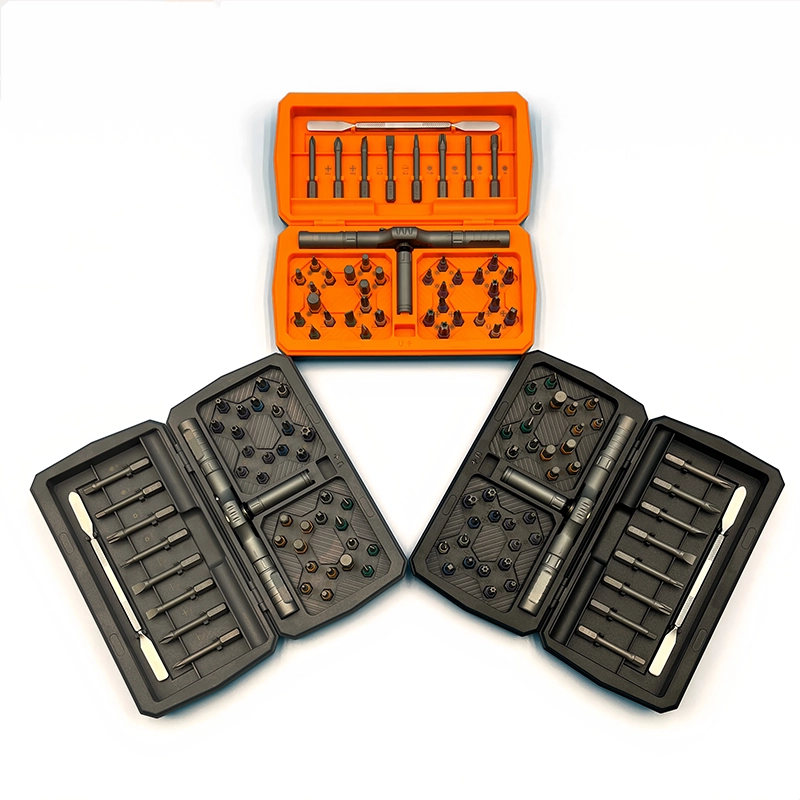
Which bit and handle geometry fit bar-stool footrest and seat-frame connectors?
Confirm the bit profile, screw length and opposite-side nut or insert. A T-handle may fit beneath the seat but produce more leverage than the small receiver can tolerate. Use the handle shape that keeps the bit axial while the stool frame is supported against rotation. Write the selected profile, shank interface, working length and holder diameter beside a photograph of the representative fastener. For bar-stool footrest and seat-frame connectors, clearance must be checked through the full return stroke, not only while the tool is stationary. Reject a setup that touches the surrounding surface, rocks in the recess or depends on uncontrolled adapter movement.
How should bar-stool footrest and seat-frame connectors be prepared before work?
Remove the stool from use, clean the joint enough to see cracks and record the footrest's orientation. Check all feet and floor glides before blaming one bracket. Mark connectors by rail because visually similar screws may enter timber, metal inserts or through-nuts differently. A repeatable preparation sheet for bar-stool footrest and seat-frame connectors should name the safe state, support method, lighting, parts tray and location map. It should also identify which maker instruction controls the job. Preparation is complete only when another careful user could reproduce the same starting condition without guessing where a screw, washer, cable or bracket belongs.
What sequence keeps bar-stool footrest and seat-frame connectors controlled?
Loosen related joints only as needed, square the frame and start every connector before staged tightening. Alternate around a ring or between opposing rails. Return the stool upright and check level contact, then follow the maker's stability inspection before applying normal seating load. Use deliberate strokes and pause whenever the load changes unexpectedly. On bar-stool footrest and seat-frame connectors, free-running motion and final seating are separate stages; lock or straight-driver mode may provide clearer feedback near the end. If a measured torque or special sequence is specified, stop the hand-ratchet workflow and use the documented method rather than estimating from handle feel.
Why should the user stop during bar-stool footrest and seat-frame connectors?
A screw that repeatedly loosens, an insert that spins, a split rail or a cracked weld requires evaluation beyond tightening. Do not use the ratchet to twist a misaligned metal ring into place. Stored frame stress can reappear as wobble or sudden joint movement. These symptoms matter because a ratchet repeats motion efficiently in both a good joint and a failing one. The right response at bar-stool footrest and seat-frame connectors is to identify the cause, preserve recoverable recess geometry and correct the support, fastener or receiving material. Continuing until the handle stops is not an inspection method and can erase useful evidence of the original fault.
When is another tool better for bar-stool footrest and seat-frame connectors?
A fixed driver may provide sufficient control for wood screws, while a ratchet helps with through-bolts under the seat. A wrench may be required on the opposite nut. Adhesives or locking compounds should never be added casually; follow the specified material and preparation. Compare tools on the same representative access point, with the same fresh bit and the same stopping rule. For bar-stool footrest and seat-frame connectors, the winning method is the one that stays square, protects the surrounding material and leaves the final condition observable. Speed, piece count and handle size remain secondary until that controlled comparison has been completed and recorded.
What should Western buyers specify for bar-stool footrest and seat-frame connectors?
Hospitality buyers need actual stool families, connector maps and a simple out-of-service rule, not a maximum piece count. An OEM maintenance kit should distinguish wood, insert and through-bolt locations and include a stability checklist that does not imply repaired welds are approved. For European and North American sales, link every application statement to the actual bit map and product revision. Buyers evaluating bar-stool footrest and seat-frame connectors should ask how replacement bits are identified, how selector directions are explained and how the sample is approved. Marketing can describe compatible fastening work, but it should not invent universal compatibility, measured performance or professional authorization.
How should bar-stool footrest and seat-frame connectors be verified after reassembly?
Close-out evidence is a square frame, even foot contact, stable seat, correct footrest height and no visible crack or rotating insert. Reinspect according to the furniture maker's maintenance interval in high-use settings. Log recurring movement as a product or installation issue rather than tightening indefinitely. Keep the check specific to bar-stool footrest and seat-frame connectors: list each fastener location, visible joint condition, functional movement and excluded test. Photographs, the approved sample and a dated pack-out record are more useful than a broad “passed” label. Clean and inspect the selected bit and holder afterward so the next job does not inherit debris, corrosion or an unidentified worn interface.
Method choice for bar-stool footrest and seat-frame connectors
| Method | Suitable stage | Main advantage | Required check |
|---|---|---|---|
| Compact ratchet screwdriver | Restricted hand swing | Repeated manual strokes | Bit remains square during bar-stool footrest and seat-frame connectors |
| Fixed or offset hand driver | Open access or very low axial height | Direct final feedback | Handle and shaft clear the work |
| Specified service or torque tool | Documented critical requirement | Method-specific result | Use the maker's stated procedure |
- Identify every fastener profile and location used for bar-stool footrest and seat-frame connectors.
- Measure working depth, holder clearance and the available ratchet return arc.
- Define the safe state, support, parts map and model-specific instruction.
- Approve stop rules for recess, receiver, surface and alignment damage.
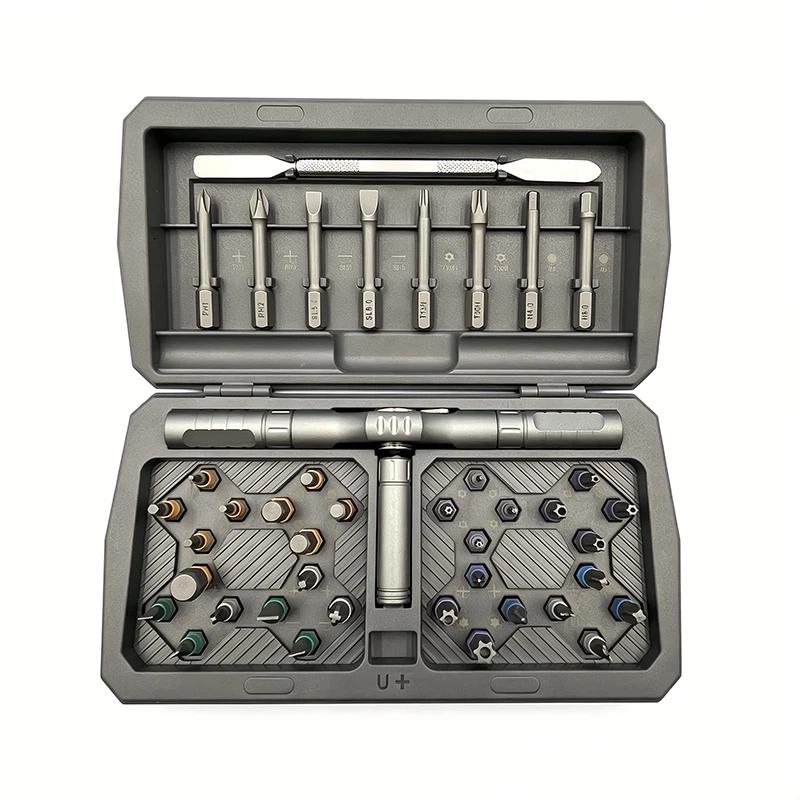
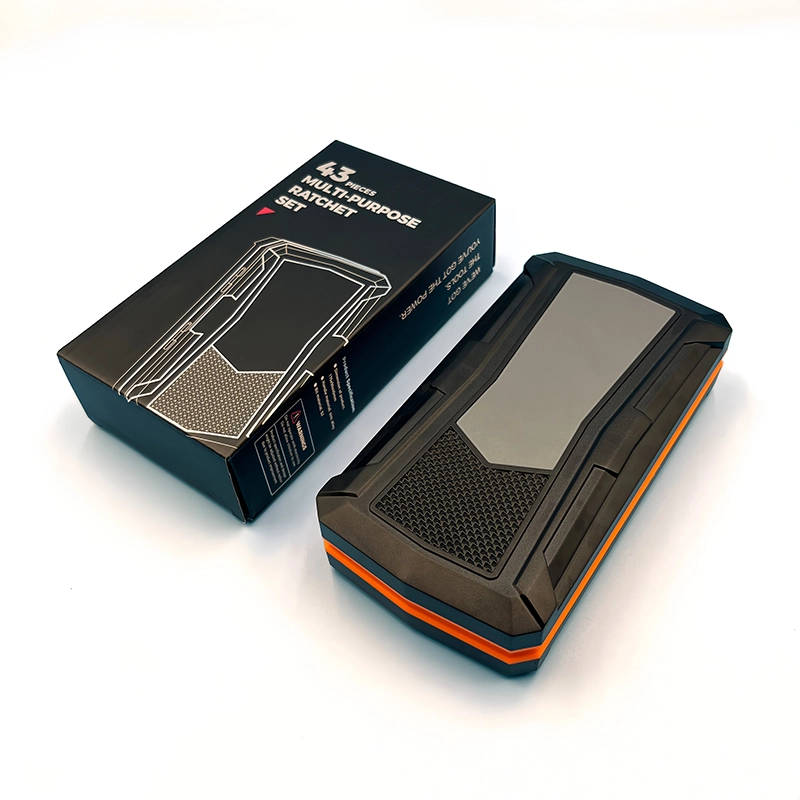
- Compare the representative application with the current XOENAEN 43-in-1 ratchet screwdriver set configuration.
- Keep product, case, bit map, artwork and sample record on one revision.
- View the XOENAEN 43-in-1 ratchet screwdriver set →
- Previous guide: Ratchet Screwdriver Setup for Media-Console Rear Panels →
- Next guide: Ratchet Driver Control for Storage-Ottoman Lid Hinges →
- Plan an XOENAEN OEM / ODM tool configuration →
- Review manufacturing and quality support →
- Read the related ratchet-screwdriver-diy-project-box-corner-braces guide →
- Continue with the ratchet-screwdriver-office-chair-armrest-backrest-hardware topic →
- How XOENAEN presents quality evidence →
Why can a bar-stool footrest screw loosen again after tightening?
Footrests receive repeated sideways and downward loads, so a loose screw may be the symptom rather than the cause. Place the stool on a level surface and watch each joint while gentle movement is applied. Ratcheting begins only after the moving interface is identified. Apply that answer only to bar-stool footrest and seat-frame connectors; the relevant product or equipment maker may set a narrower service boundary.
Should all floor glides be checked before adjusting one stool rail?
Confirm the bit profile, screw length and opposite-side nut or insert. A T-handle may fit beneath the seat but produce more leverage than the small receiver can tolerate. Use the handle shape that keeps the bit axial while the stool frame is supported against rotation. Confirm the choice on the representative screw instead of transferring a bit decision from a visually similar job.
Can a T-handle apply too much leverage to a small stool insert?
Remove the stool from use, clean the joint enough to see cracks and record the footrest's orientation. Check all feet and floor glides before blaming one bracket. Mark connectors by rail because visually similar screws may enter timber, metal inserts or through-nuts differently. If the safe state, support or parts map is incomplete, finish preparation before the first loaded ratchet stroke.
What should happen if a footrest ring must be twisted into alignment?
A screw that repeatedly loosens, an insert that spins, a split rail or a cracked weld requires evaluation beyond tightening. Do not use the ratchet to twist a misaligned metal ring into place. Stored frame stress can reappear as wobble or sudden joint movement. Stop at the first sign of material or recess damage and use the approved repair, extraction or replacement path.
May threadlocker be added to bar-stool hardware without instructions?
A fixed driver may provide sufficient control for wood screws, while a ratchet helps with through-bolts under the seat. A wrench may be required on the opposite nut. Adhesives or locking compounds should never be added casually; follow the specified material and preparation. Compare the available methods under the same access and stopping conditions before standardizing the tool choice.
Which recurring defect should a hospitality maintenance log identify?
Hospitality buyers need actual stool families, connector maps and a simple out-of-service rule, not a maximum piece count. An OEM maintenance kit should distinguish wood, insert and through-bolt locations and include a stability checklist that does not imply repaired welds are approved. Add target market, quantity, language, packaging, sample stage and launch timing so the proposal stays tied to this exact application.