Quick Answer: Unload the chair, identify the moving joint and inspect the substrate before tightening; extra leverage cannot restore a stripped hole or cracked rail. Accept the job only when the chair sits level and passes the furniture maker’s stability check without hidden movement.
ratchet screwdriver for dining chair repair
ratchet screwdriver for dining chair repair is the controlled selection and use of a hand ratchet, compatible bit and documented workflow for dining-chair connector inspection, including access, support, stop rules and final inspection.
The practical setting for dining-chair connector inspection is inspecting and tightening compatible chair screws after identifying the cause of joint movement. This article treats the ratchet screwdriver as one controlled element inside a larger installation, repair or approval process. It favors useful hand feedback, an explicit stop rule and documented acceptance over maximum leverage or accessory count. The distinctions matter because the same handle can behave very differently when the screw profile, receiving material, working depth or surrounding clearance changes.
How should loose dining-chair connectors be checked with a ratchet screwdriver?
Unload the chair, identify the moving joint and inspect the substrate before tightening; extra leverage cannot restore a stripped hole or cracked rail. That is the working answer for dining-chair connector inspection, where the actual task is inspecting and tightening compatible chair screws after identifying the cause of joint movement. A ratchet screwdriver reduces repeated wrist repositioning, but its advantage exists only when the installed bit stays square, the work is supported and the operator can see or otherwise verify the fastener. The mechanism does not correct an incorrect profile, a damaged recess, a blocked thread, an unsafe service state or a component that was assembled under a different controlled procedure.
For dining-chair connector inspection, separate the job into access, identification, movement and acceptance. Access establishes whether the handle and bit can follow the screw axis. Identification confirms the exact recess and receiving joint. Movement uses the ratchet only while feedback remains predictable. Acceptance means the chair sits level and passes the furniture maker’s stability check without hidden movement. Keeping those four decisions separate gives a repair team or product buyer observable evidence instead of a vague claim that one set works everywhere.
Which field detail makes dining-chair connector inspection a distinct customer question?
Dining-chair joints are judged by stability and geometry, not by whether each connector feels equally hard to turn. Place the chair on a level surface, identify bolts and barrel nuts, and bring related joints together gradually while keeping the frame square. If a connector turns without drawing the joint correctly, inspect alignment and thread engagement. Final wobble or uneven leg contact points to assembly or structure, not a need for more leverage.
What does “ratchet screwdriver for dining chair repair” mean in this application?
In this guide, ratchet screwdriver for dining chair repair means a hand-operated ratcheting setup selected specifically for dining-chair connector inspection. The definition includes the handle mode, bit interface, working length, fastener condition, support method, access envelope and stop rule. It excludes electrical diagnosis, structural engineering, drilling, extraction, calibration and final torque work unless the accountable maker's instructions expressly place those actions within the same controlled method.
The physical reference is wood screws, connector bolts or brackets whose surrounding wood may already be worn. A bit merely entering that recess is not enough. It should seat to the intended depth, resist rocking, clear nearby finishes and remain retained when the operator changes direction. If a screw standard, thread treatment, anchor, gasket, insert or service state is unknown, identification comes before leverage. This definition prevents dining-chair connector inspection from being reduced to handle size or kit piece count.
Which fastener details control dining-chair connector inspection?
The controlling variables for dining-chair connector inspection are joint alignment, wood condition, connector interface, staged tightening and stability check. Inspect them as a linked system. A correct tip can still fail when its holder touches a wall before seating; an extended bit can reach the recess but magnify visible wobble; a compact handle can clear an obstacle but invite side load when the operator cannot support the joint. Record the actual screw, not a visually similar spare from a drawer.
Receiving material changes the decision. Sheet metal, molded plastic, wood, threaded inserts and machine threads provide different feedback and different consequences when engagement begins incorrectly. Surface coatings, corrosion, threadlocker, debris and repeated service history can further change resistance. During dining-chair connector inspection, use early movement only as information. Unexpected resistance is a reason to stop and investigate, never an instruction to add hand force.
How should the work area be prepared for dining-chair connector inspection?
Preparation begins by following the accountable product or installation procedure and establishing the safe work state for inspecting and tightening compatible chair screws after identifying the cause of joint movement. Support the assembly close to the joint, protect adjacent finishes and place a tray where a dropped bit or screw can be recovered without entering equipment. Photograph locations, lengths, washers, spacers and cable routes before removal. Clean the recess only with a method suitable for the material and preserve evidence of damage rather than covering it with a new scratch.
Next, inspect the ratchet selector, handle, holder and candidate bit away from the workpiece. Insert the bit fully, confirm retention and rotate the unloaded mechanism through the intended direction. For dining-chair connector inspection, position the hand so the first swing cannot strike a finished surface, live area, sharp edge or fragile component. If the safe state, work support or sight line cannot be established, postpone ratcheting and choose the approved alternative.
What operating sequence keeps dining-chair connector inspection controlled?
Start dining-chair connector inspection by placing the verified bit into the recess without turning. Apply only enough axial hand pressure to maintain full contact, then take a short first stroke while watching both the screw and surrounding joint. After the initial response is known, use a repeatable swing that does not pull the bit sideways at either end. Reposition the work rather than turning the bit into a lever when clearance changes.
During reassembly, present every screw by hand and confirm natural thread engagement before using the ratchet. Bring multi-fastener panels or brackets down gradually instead of fully seating the first screw against a visible gap. Complete any specified torque, alignment, leak, electrical, structural or functional check with the method named by the maker. For dining-chair connector inspection, the sequence ends only when the chair sits level and passes the furniture maker’s stability check without hidden movement.
What can go wrong during dining-chair connector inspection?
The primary failure path is that a damaged insert turns, a cracked rail closes temporarily or unequal tightening racks the chair. That outcome usually develops through a visible chain: incomplete bit seating creates local contact, local contact damages the recess, damage reduces feedback and the operator responds with extra pressure. Interrupt the chain at the first sign of rocking, climbing, scraping, joint movement or unexplained resistance. A ratchet's short return stroke should improve access, not justify continuing after control is lost.
A second failure path is configuration drift. A replacement bit, adapter, extension, case insert, translated instruction or fastener may look equivalent while changing reach or fit. For dining-chair connector inspection, keep the approved sample and screw map connected to the current revision. Quarantine mixed, worn or unlabeled bits. When a change affects the interface or work method, repeat the relevant representative check instead of transferring an old result by assumption.
Which method should a buyer compare for dining-chair connector inspection?
Compare a ratchet screwdriver for compatible sound connectors with a documented repair or replacement for damaged wood and inserts. The first method should be evaluated for directness, visibility, installed length, retention and operator feedback. The second should be evaluated for the condition that justifies it, the added steps and the new failure modes it introduces. Neither description proves superiority by itself; the representative joint, documented boundary and acceptance rule decide which method is appropriate for dining-chair connector inspection.
A useful comparison records the same evidence for both methods: time to prepare, profile fit, clearance at the tightest point, number of hand repositionings, observable stop signals, fastener condition after removal and final assembly condition. Do not compare an unloaded ratchet demonstration with a fully controlled alternative procedure. For dining-chair connector inspection, equivalent test conditions matter more than an impressive feature list or unsupported speed claim.
How does XOENAEN 40-in-1 ratchet screwdriver set relate to dining-chair connector inspection?
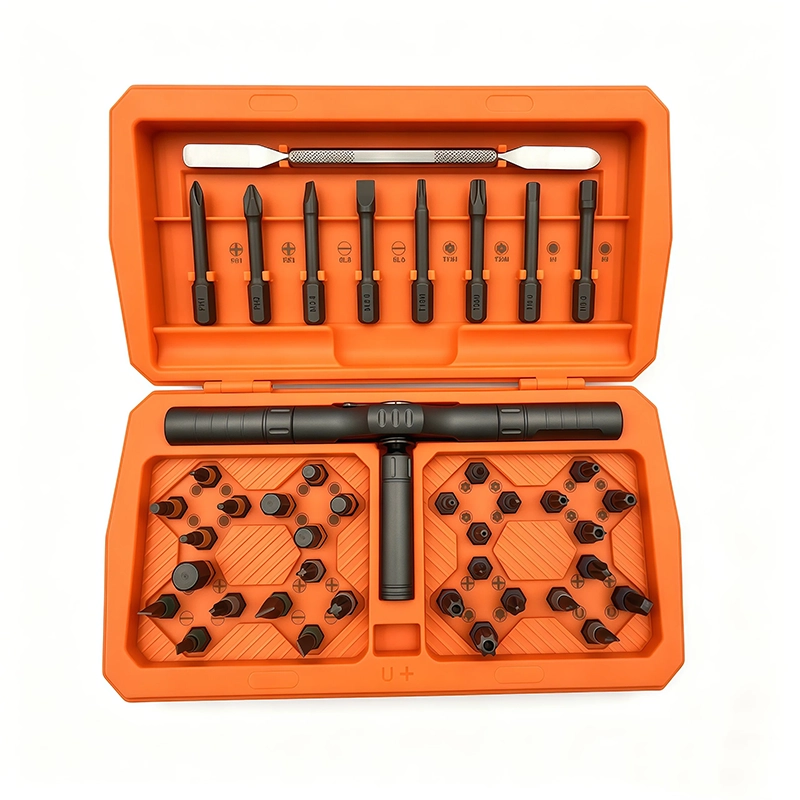
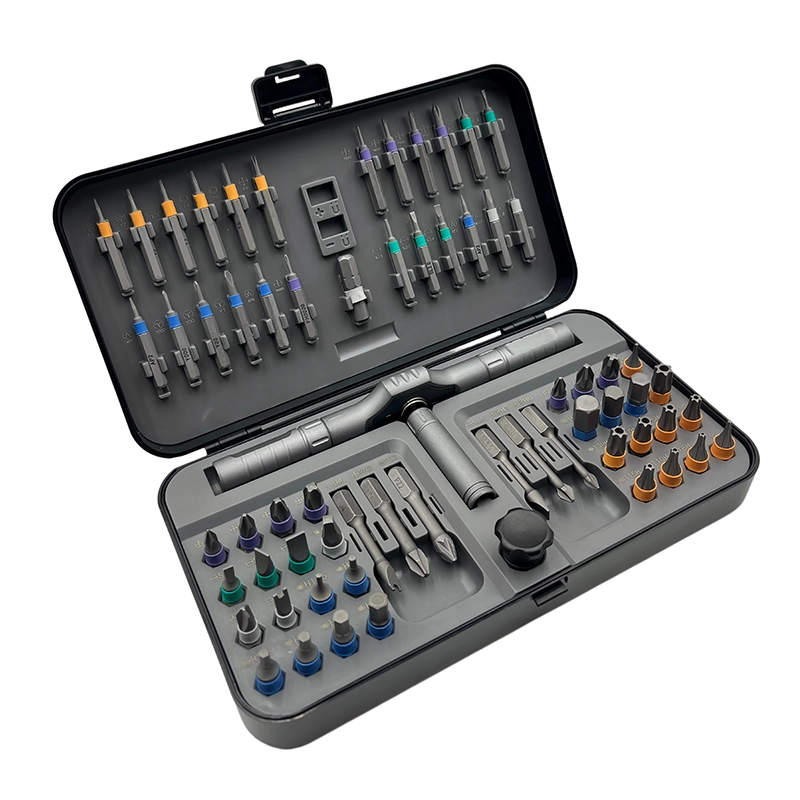
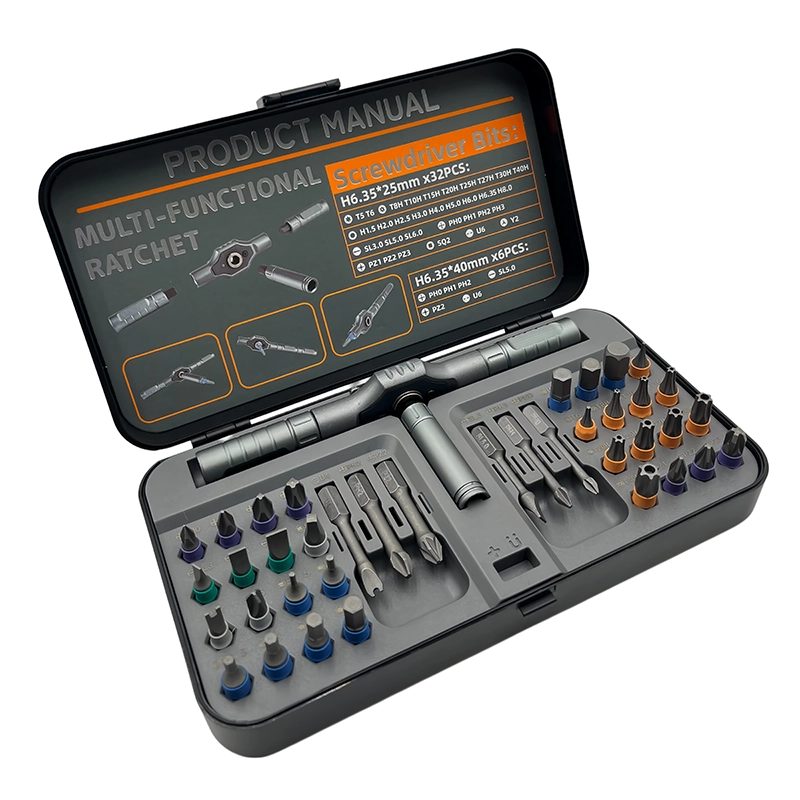
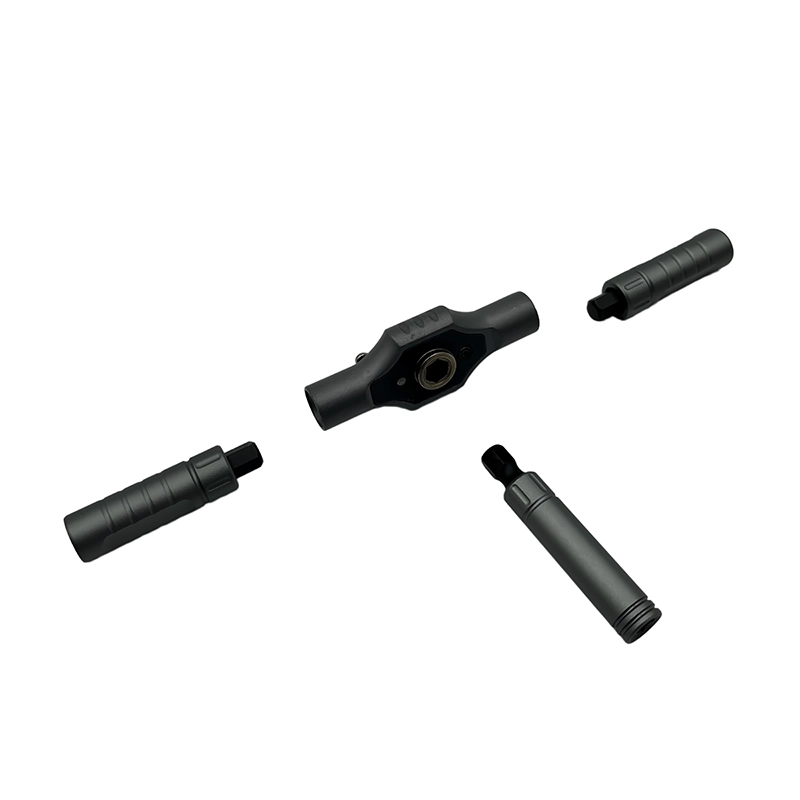
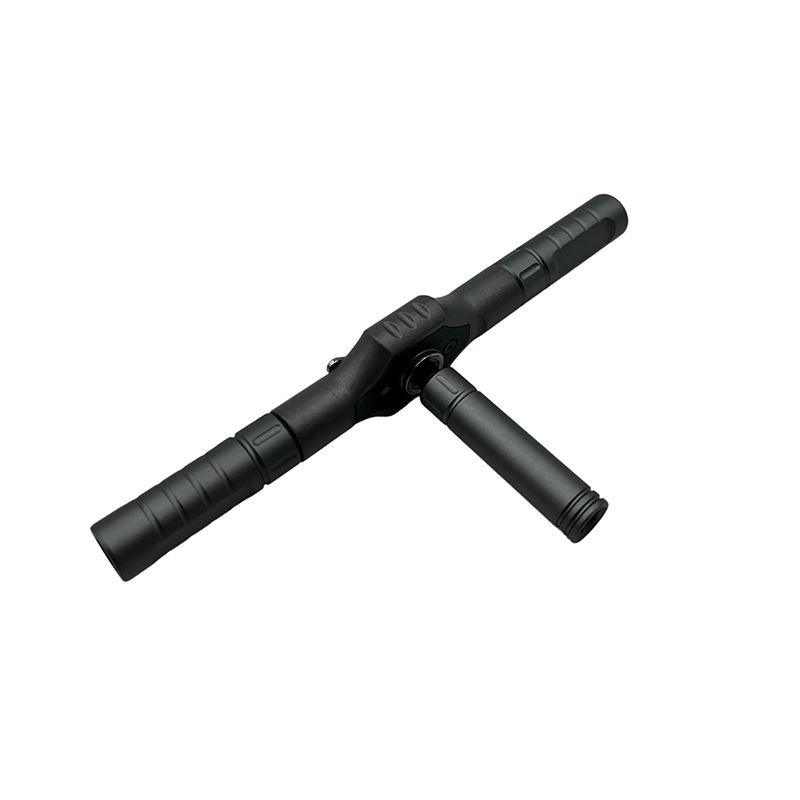
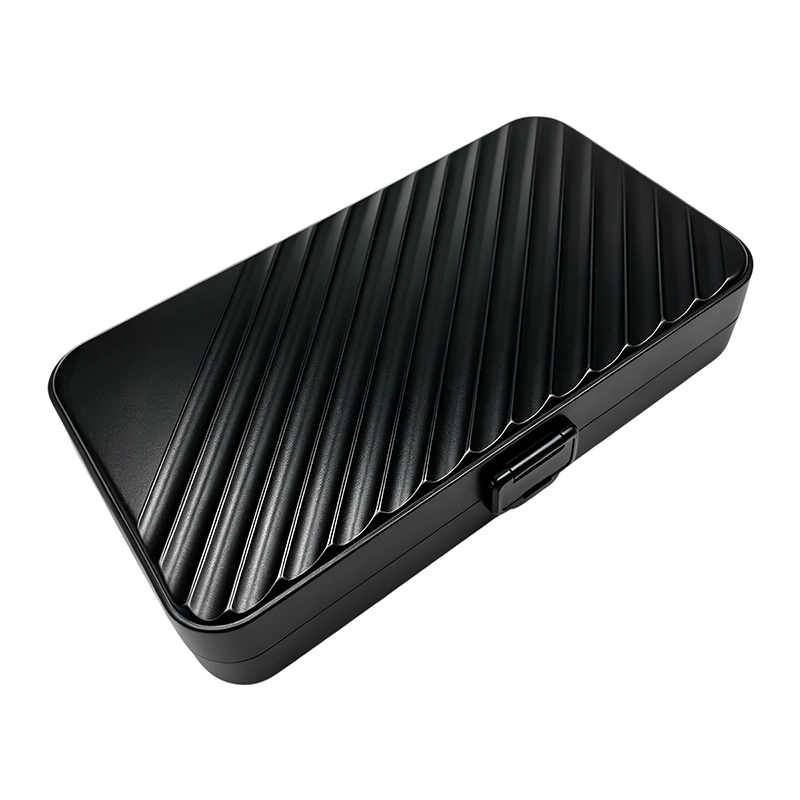
The current XOENAEN catalogue records a T-shaped aluminum-alloy ratchet handle, 32 short 25 mm bits, six extended 40 mm bits and an ABS case for the 40-in-1 platform. This is catalogue evidence about the platform, not proof that every included bit fits wood screws, connector bolts or brackets whose surrounding wood may already be worn. For dining-chair connector inspection, the useful next step is to match the documented interfaces, short and extended bit formats, handle modes and case organization to a buyer-supplied fastener map and access envelope.
The catalogue record provides a stable first-party reference for sample planning. It does not create a certification, universal compatibility statement, test result or customer outcome. The buyer should identify the actual profiles used most often, decide whether long bits or mixed interfaces are necessary, and confirm that the chosen case makes those items easy to identify. XOENAEN can then evaluate dining-chair connector inspection against a defined configuration rather than a generic “complete set” request.
What should a buyer include in an inquiry about dining-chair connector inspection?
The inquiry should describe inspecting and tightening compatible chair screws after identifying the cause of joint movement, attach photographs or drawings of the access area and list every representative screw profile, size and working depth. Include expected order quantity, target market, case and marking preferences, manual languages, packaging route and the required sample date. For dining-chair connector inspection, test the intended set on real chair hardware and include a stop rule for substrate damage. Commercial comparisons become meaningful only when every supplier answers the same joint and acceptance question.
For dining-chair connector inspection, ask the sample report to distinguish observations from specifications. Observations include whether the bit seats squarely on wood screws, connector bolts or brackets whose surrounding wood may already be worn, how the selector feels, whether accessories remain retained and what condition appears after representative use. Specifications include the approved BOM, bit map, materials, dimensions, packaging revision and the acceptance rule “the chair sits level and passes the furniture maker’s stability check without hidden movement.” Keeping those categories separate prevents one demonstration from becoming an unsupported lifetime or compatibility promise for ratchet screwdriver for dining chair repair.
How should QC verify dining-chair connector inspection?
QC for dining-chair connector inspection starts with identity: lot, model, bit profile, interface, working length, case position and document revision. It then checks function using an agreed fixture or representative screw, with a method that states sample quantity, sequence, observation point and failure definition. Measurement equipment used for a numerical claim needs an appropriate calibration and traceability plan; visual fit still needs a named reference and acceptance photograph.
The release record should show whether the chair sits level and passes the furniture maker’s stability check without hidden movement. It should also record scratches, recess damage, selector anomalies, loose holders, missing accessories, incorrect labels and packaging movement as separate defect types. A count of parts alone cannot verify identity or function. If a component, source, finish or instruction changes, review the risk to dining-chair connector inspection and repeat affected checks before the revised lot is released.
What evidence and limits support this dining-chair connector inspection guide?
This guide combines the distinct customer question, the current XOENAEN 40-in-1 ratchet screwdriver set catalogue record, a task-level failure analysis and the linked official guidance. It does not claim a third-party certification, customer result, universal repair permission, guaranteed fastener removal or unlisted torque rating. The product or equipment maker remains responsible for its service instructions, and representative hardware remains the approval basis for dining-chair connector inspection.
The methodology traces each recommendation to an observable point: safe state, recess identification, installed-bit fit, work support, alignment, ratchet response, stop signal and post-work acceptance. Photographs, sample identifiers, drawings, test conditions, revision history and deviations should stay with the decision. That evidence lets another technician, engineer or buyer review dining-chair connector inspection without depending on anonymous experience or marketing superlatives.
Method comparison for dining-chair connector inspection
| Method | Useful condition | Control question |
|---|---|---|
| a ratchet screwdriver for compatible sound connectors | Direct option for inspecting and tightening compatible chair screws after identifying the cause of joint movement | Does it remain square on wood screws, connector bolts or brackets whose surrounding wood may already be worn? |
| a documented repair or replacement for damaged wood and inserts | Alternative when the direct option falls outside its boundary | Which additional risk and approval step does it introduce? |
| Stop and escalate | Unknown, damaged or unsafe joint condition | Who owns the approved next procedure for dining-chair connector inspection? |
- Define the exact customer question: How should loose dining-chair connectors be checked with a ratchet screwdriver?
- Photograph and identify the representative fastener: wood screws, connector bolts or brackets whose surrounding wood may already be worn
- Record the access, interface and material controls: joint alignment, wood condition, connector interface, staged tightening and stability check
- Approve a stop rule that prevents: a damaged insert turns, a cracked rail closes temporarily or unequal tightening racks the chair
- Verify the platform against XOENAEN 40-in-1 ratchet screwdriver set rather than accessory count alone
- Retain a dated sample, bit map, packaging revision and acceptance record for dining-chair connector inspection
- XOENAEN 40-in-1 ratchet screwdriver set →
- Application planning resources →
- XOENAEN OEM and ODM process →
- Manufacturing and quality control →
- Read the related ratchet-driver-acoustic-wall-panel-clips guide →
- Continue with the ratchet-screwdriver-drawer-pull-template topic →
- How XOENAEN presents quality evidence →
- Read the related ratchet-screwdriver-lawn-mower-engine-shroud guide →
How should loose dining-chair connectors be checked with a ratchet screwdriver?
The direct answer is to use the ratchet only after the fastener, access and work boundary for dining-chair connector inspection have been verified. Unload the chair, identify the moving joint and inspect the substrate before tightening; extra leverage cannot restore a stripped hole or cracked rail. The tool does not replace the equipment maker's procedure, an isolation step, a specified torque tool or specialist remediation when the joint falls outside that boundary.
Which bit and handle setup fits dining-chair connector inspection?
Use the setup that reaches wood screws, connector bolts or brackets whose surrounding wood may already be worn with full recess engagement and a square hand path. For dining-chair connector inspection, compare the exact profile, H4 or H6.35 interface where relevant, working length, holder clearance and swing arc on representative hardware; accessory count alone does not prove fit.
What stop signal matters most during dining-chair connector inspection?
Stop as soon as the bit climbs, the joint shifts, resistance changes unexpectedly or any part of a damaged insert turns, a cracked rail closes temporarily or unequal tightening racks the chair becomes visible. Preserve the condition, remove hand load and determine whether the bit, screw, thread, fixture or documented procedure must change before dining-chair connector inspection continues.
How should a buyer test dining-chair connector inspection before purchase?
Test representative fasteners through the complete preparation, removal, reinstallation and acceptance sequence for dining-chair connector inspection. Record profile fit, reach, selector behavior, retention, clearance, operator visibility and the chair sits level and passes the furniture maker’s stability check without hidden movement; an unloaded clicking demonstration cannot answer the customer's application question.
Which XOENAEN catalogue platform supports evaluation of dining-chair connector inspection?
XOENAEN 40-in-1 ratchet screwdriver set is the current catalogue reference selected for this dining-chair connector inspection guide. It is a starting platform, not a universal compatibility claim; the buyer should compare its documented bit map and handle format with actual hardware and approve a representative sample before release.
What must an OEM brief state for dining-chair connector inspection?
State the target joint, screw profiles and sizes, access envelope, required interfaces, long-bit needs, case layout, manual markets, expected volume, sample plan and acceptance rule for dining-chair connector inspection. test the intended set on real chair hardware and include a stop rule for substrate damage. This makes the quotation and approval record specific rather than promotional.