Use a ratchet screwdriver on an electric-kettle base cover only after the kettle and powered base are unplugged, dry, cool and cleared for service by the manufacturer. A short handle may fit around cord-storage channels, but the exact security bit and screw map matter more than leverage. Water, damaged contacts or mains wiring place the task outside ordinary DIY fastening.
ratchet screwdriver for electric kettle base
ratchet screwdriver for electric kettle base means selecting and using a compatible hand-ratchet configuration for electric-kettle base cover and cord plate after fastener identity, access, safe state and the final stopping condition are documented. It is an application description, not a universal compatibility, torque or repair claim.
Use a ratchet screwdriver on an electric-kettle base cover only after the kettle and powered base are unplugged, dry, cool and cleared for service by the manufacturer. A short handle may fit around cord-storage channels, but the exact security bit and screw map matter more than leverage. Water, damaged contacts or mains wiring place the task outside ordinary DIY fastening This guide is limited to electric-kettle base cover and cord plate.
The narrow task is removing and replacing manufacturer-approved exterior bottom-cover or cord-retainer screws on a dry kettle base. The guide does not cover live testing, heating contacts, thermal cut-outs or sealing repairs. If water has entered the powered base, the appropriate qualified-service process takes priority over tool selection. The decision begins with the real screw, access envelope and receiving material. A ratchet mechanism changes how the hand returns between strokes; it does not identify a fastener, support a part, choose an anchor, restore damaged threads or prove a finished joint. The notes below keep that distinction visible for buyers, repair teams and DIY users.
Is a ratchet screwdriver the right tool for electric-kettle base cover and cord plate?
A kettle base combines limited height with curved cord channels, so the handle must complete its swing without pinching or scraping the cable. The ratchet helps only after the correct screw has started moving and the base is supported on a dry, nonconductive work surface. Treat that boundary as the first buying requirement for electric-kettle base cover and cord plate. Record what the ratchet is expected to do, what supports the work and what condition ends the task. That short record prevents a useful low-clearance handle from becoming a general promise about the appliance, furniture joint or DIY structure around it.
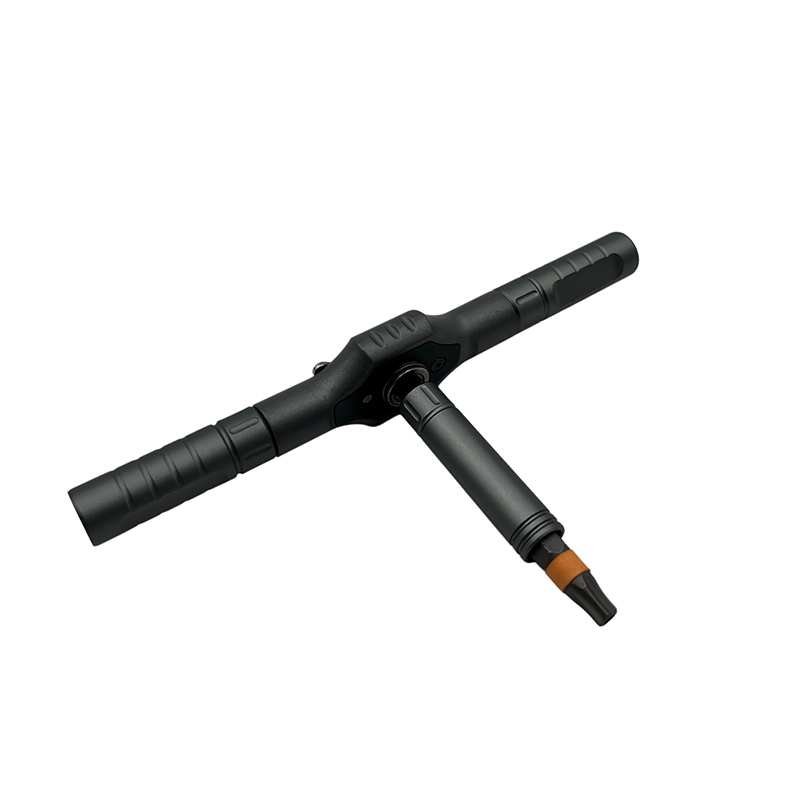
Which bit and handle geometry fit electric-kettle base cover and cord plate?
Security profiles are common enough that visual guessing is risky. Clean the head with a dry method, inspect the center feature and insert the smallest working-length bit that reaches fully. A long extension can clear a deep foot, but it also magnifies side movement at the tip. Write the selected profile, shank interface, working length and holder diameter beside a photograph of the representative fastener. For electric-kettle base cover and cord plate, clearance must be checked through the full return stroke, not only while the tool is stationary. Reject a setup that touches the surrounding surface, rocks in the recess or depends on uncontrolled adapter movement.
How should electric-kettle base cover and cord plate be prepared before work?
Separate the kettle from its base, unplug the supply and dry both items completely. Photograph cord routing and strain-relief orientation before any cover is released. Put fasteners in a dry divided tray rather than beside a sink, descaling solution or damp cloth. A repeatable preparation sheet for electric-kettle base cover and cord plate should name the safe state, support method, lighting, parts tray and location map. It should also identify which maker instruction controls the job. Preparation is complete only when another careful user could reproduce the same starting condition without guessing where a screw, washer, cable or bracket belongs.
What sequence keeps electric-kettle base cover and cord plate controlled?
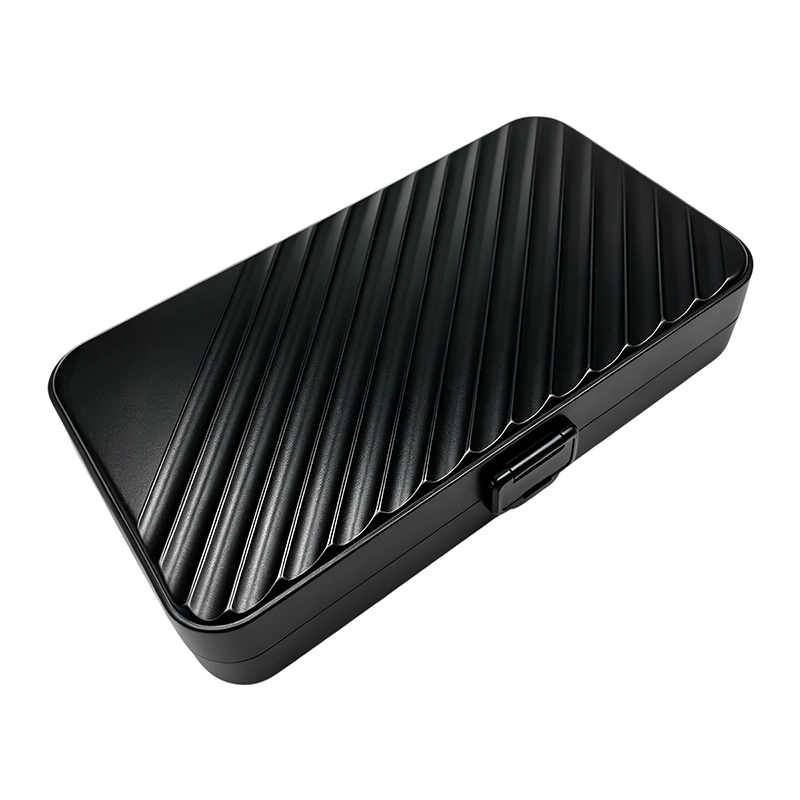
Release cover screws in stages and lift the plate only as far as the documented sequence permits. During reassembly, route the cord through its original guides, start every screw by hand and watch the seam close evenly. The plate must not trap insulation or load the strain relief sideways. Use deliberate strokes and pause whenever the load changes unexpectedly. On electric-kettle base cover and cord plate, free-running motion and final seating are separate stages; lock or straight-driver mode may provide clearer feedback near the end. If a measured torque or special sequence is specified, stop the hand-ratchet workflow and use the documented method rather than estimating from handle feel.
Why should the user stop during electric-kettle base cover and cord plate?
Stop if the head is corroded, the recess contains mineral residue, the base smells overheated or the cover reveals moisture. A spinning boss and a bowed cover are also faults, not requests for a larger handle. Ratcheting should never be used to compress a wet or misplaced gasket. These symptoms matter because a ratchet repeats motion efficiently in both a good joint and a failing one. The right response at electric-kettle base cover and cord plate is to identify the cause, preserve recoverable recess geometry and correct the support, fastener or receiving material. Continuing until the handle stops is not an inspection method and can erase useful evidence of the original fault.
When is another tool better for electric-kettle base cover and cord plate?
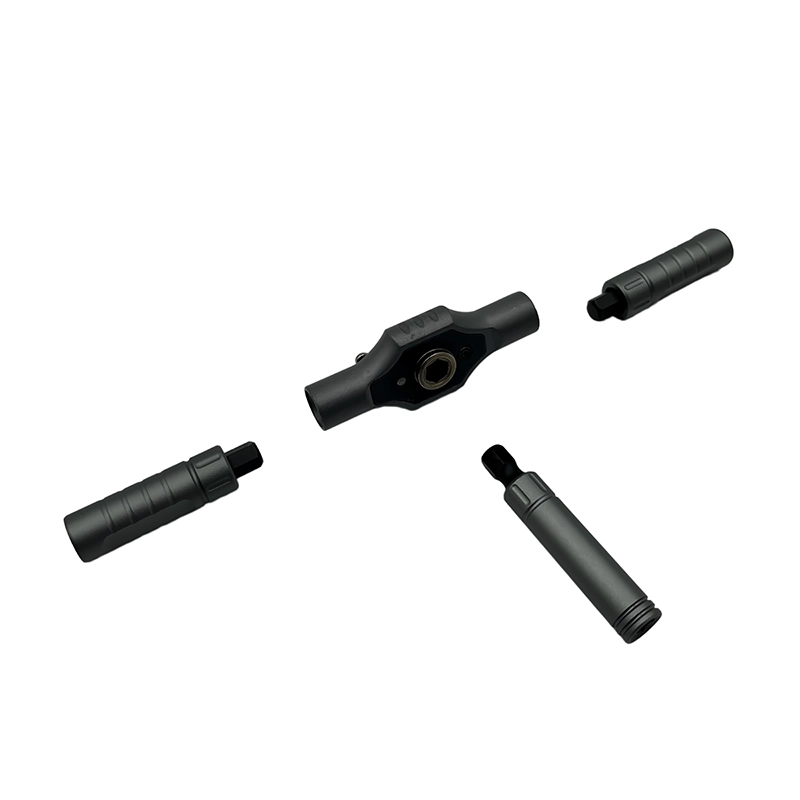
A fixed precision driver is preferable for the final feel in a small plastic boss. A compact ratchet is useful for repeated free travel around the cord channel. Electrical measurements, contact replacement and insulation checks require the specified equipment and competence rather than another screwdriver mode. Compare tools on the same representative access point, with the same fresh bit and the same stopping rule. For electric-kettle base cover and cord plate, the winning method is the one that stays square, protects the surrounding material and leaves the final condition observable. Speed, piece count and handle size remain secondary until that controlled comparison has been completed and recorded.
What should Western buyers specify for electric-kettle base cover and cord plate?
For a market-specific kit, buyers should compare security profiles, long-bit reach, wipe-clean surfaces and a case that keeps wet-work contamination outside. OEM artwork must separate compatible exterior fastening from claims about repairing powered contacts, with warning language reviewed for the destination market. For European and North American sales, link every application statement to the actual bit map and product revision. Buyers evaluating electric-kettle base cover and cord plate should ask how replacement bits are identified, how selector directions are explained and how the sample is approved. Marketing can describe compatible fastening work, but it should not invent universal compatibility, measured performance or professional authorization.
How should electric-kettle base cover and cord plate be verified after reassembly?
A sound closure leaves the powered base flat, the cable naturally routed, the strain relief unstressed and every original screw seated without whitening the plastic. The kettle should be returned to service only after all maker-required checks. Dry and inspect the ratchet before returning it to storage. Keep the check specific to electric-kettle base cover and cord plate: list each fastener location, visible joint condition, functional movement and excluded test. Photographs, the approved sample and a dated pack-out record are more useful than a broad “passed” label. Clean and inspect the selected bit and holder afterward so the next job does not inherit debris, corrosion or an unidentified worn interface.
Method choice for electric-kettle base cover and cord plate
| Method | Suitable stage | Main advantage | Required check |
|---|---|---|---|
| Compact ratchet screwdriver | Restricted hand swing | Repeated manual strokes | Bit remains square during electric-kettle base cover and cord plate |
| Fixed or offset hand driver | Open access or very low axial height | Direct final feedback | Handle and shaft clear the work |
| Specified service or torque tool | Documented critical requirement | Method-specific result | Use the maker's stated procedure |
- Identify every fastener profile and location used for electric-kettle base cover and cord plate.
- Measure working depth, holder clearance and the available ratchet return arc.
- Define the safe state, support, parts map and model-specific instruction.
- Approve stop rules for recess, receiver, surface and alignment damage.
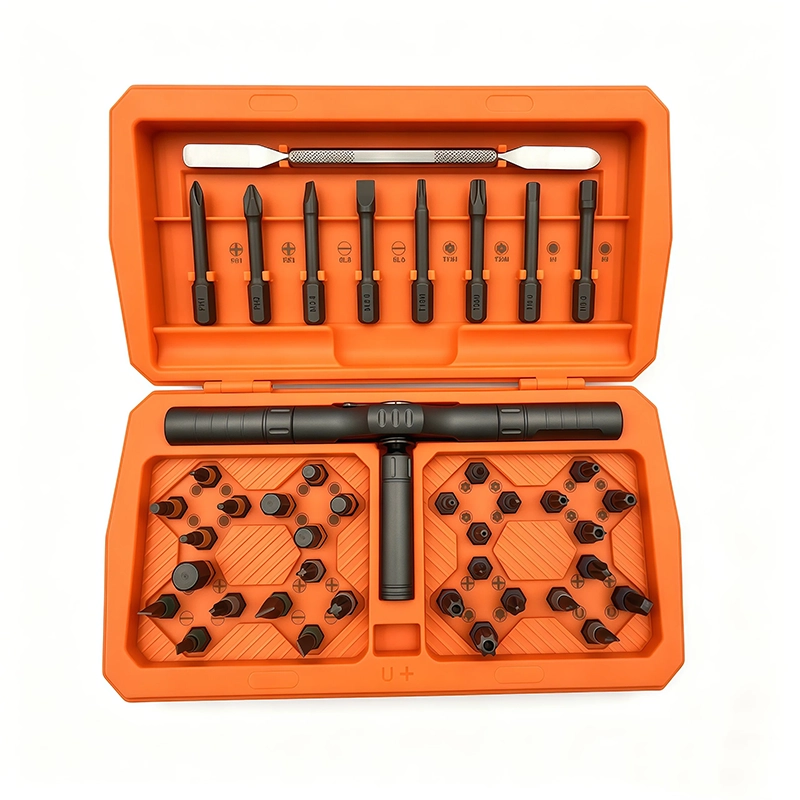
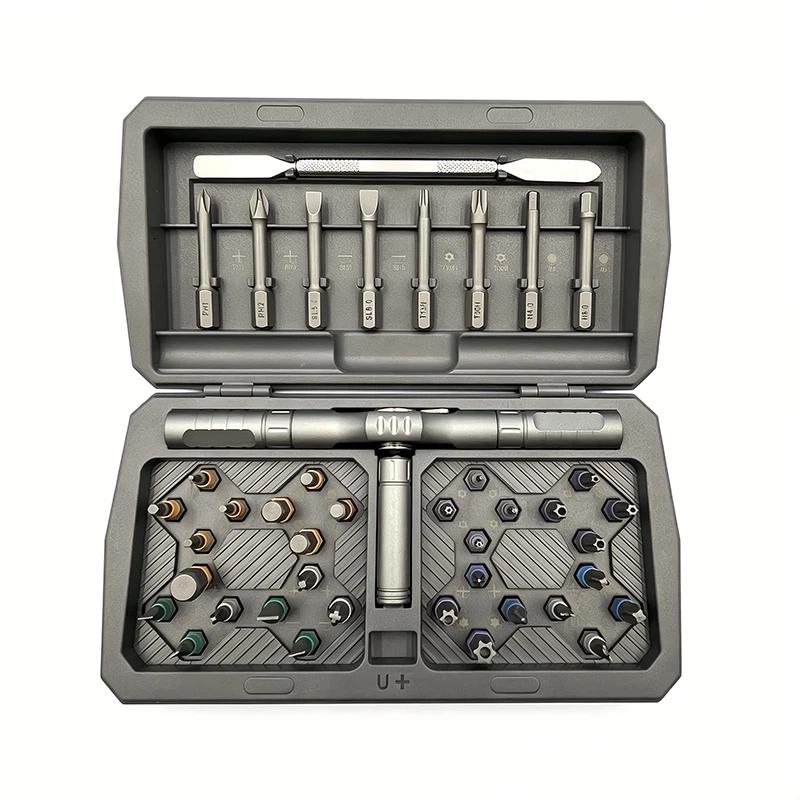
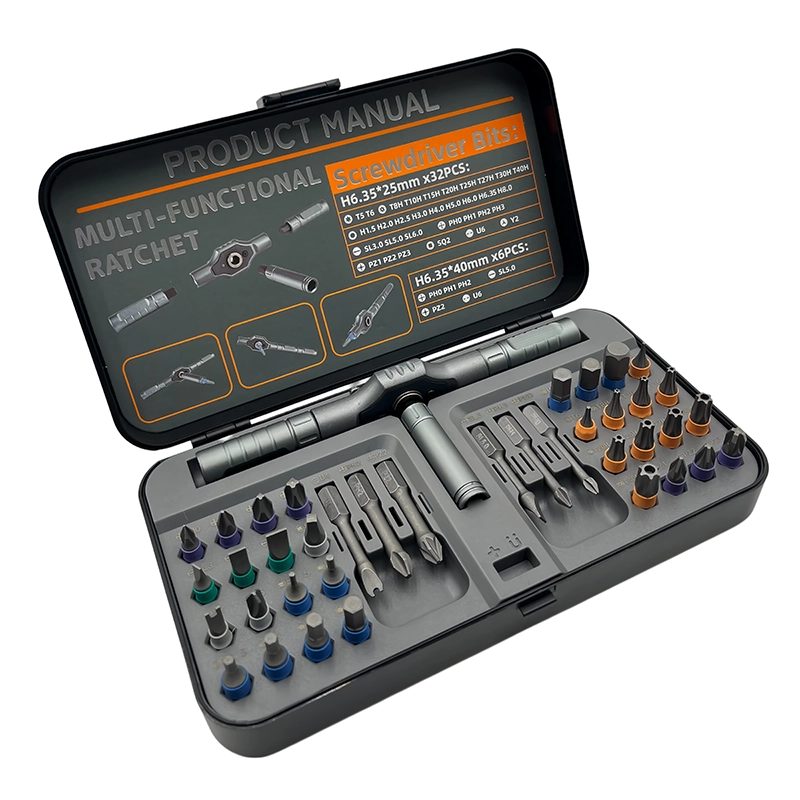
- Compare the representative application with the current XOENAEN 40-in-1 ratchet screwdriver set configuration.
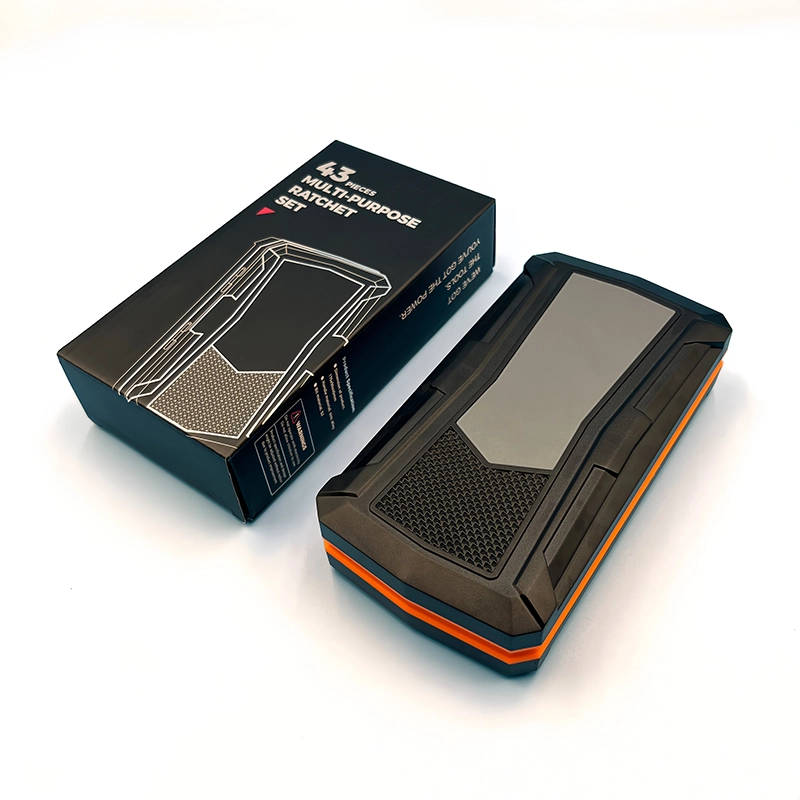
- Keep product, case, bit map, artwork and sample record on one revision.
- View the XOENAEN 40-in-1 ratchet screwdriver set →
- Application planning for electric-kettle base cover and cord plate →
- Previous guide: Can a Ratchet Screwdriver Help with Toaster Base Hardware? →
- Next guide: Ratchet Screwdriver Method for Bread-Maker Lid and Hinge Panels →
- Plan an XOENAEN OEM / ODM tool configuration →
- Review manufacturing and quality support →
- Read the related ratchet-screwdriver-drop-leaf-table-hinge-alignment guide →
- How XOENAEN presents quality evidence →
Can a kettle base be serviced while it still feels damp?
A kettle base combines limited height with curved cord channels, so the handle must complete its swing without pinching or scraping the cable. The ratchet helps only after the correct screw has started moving and the base is supported on a dry, nonconductive work surface. Apply that answer only to electric-kettle base cover and cord plate; the relevant product or equipment maker may set a narrower service boundary.
Which clue suggests an electric-kettle screw uses a security profile?
Security profiles are common enough that visual guessing is risky. Clean the head with a dry method, inspect the center feature and insert the smallest working-length bit that reaches fully. A long extension can clear a deep foot, but it also magnifies side movement at the tip. Confirm the choice on the representative screw instead of transferring a bit decision from a visually similar job.
Why must cord routing be photographed before the base cover moves?
Separate the kettle from its base, unplug the supply and dry both items completely. Photograph cord routing and strain-relief orientation before any cover is released. Put fasteners in a dry divided tray rather than beside a sink, descaling solution or damp cloth. If the safe state, support or parts map is incomplete, finish preparation before the first loaded ratchet stroke.
Should a ratchet compress a kettle base cover that will not sit flat?
Stop if the head is corroded, the recess contains mineral residue, the base smells overheated or the cover reveals moisture. A spinning boss and a bowed cover are also faults, not requests for a larger handle. Ratcheting should never be used to compress a wet or misplaced gasket. Stop at the first sign of material or recess damage and use the approved repair, extraction or replacement path.
What does mineral residue around a base screw mean for the job?
A fixed precision driver is preferable for the final feel in a small plastic boss. A compact ratchet is useful for repeated free travel around the cord channel. Electrical measurements, contact replacement and insulation checks require the specified equipment and competence rather than another screwdriver mode. Compare the available methods under the same access and stopping conditions before standardizing the tool choice.
Can one household bit case be used immediately after wet-appliance work?
For a market-specific kit, buyers should compare security profiles, long-bit reach, wipe-clean surfaces and a case that keeps wet-work contamination outside. OEM artwork must separate compatible exterior fastening from claims about repairing powered contacts, with warning language reviewed for the destination market. Add target market, quantity, language, packaging, sample stage and launch timing so the proposal stays tied to this exact application.