Use a ratchet screwdriver for a wooden planter box after confirming exterior-rated hardware, pilot holes, panel orientation and drainage. Start every screw by hand, square the empty box and tighten in stages so thin boards do not split. The tool cannot make untreated material weatherproof or correct an unsuitable fastener, and soil should be added only after alignment, liner and stability checks.
ratchet screwdriver for wooden planter box assembly
ratchet screwdriver for wooden planter box assembly means selecting and using a compatible hand-ratchet configuration for wooden planter-box panels and liner retainers after fastener identity, access, safe state and the final stopping condition are documented. It is an application description, not a universal compatibility, torque or repair claim.
Use a ratchet screwdriver for a wooden planter box after confirming exterior-rated hardware, pilot holes, panel orientation and drainage. Start every screw by hand, square the empty box and tighten in stages so thin boards do not split. The tool cannot make untreated material weatherproof or correct an unsuitable fastener, and soil should be added only after alignment, liner and stability checks This guide is limited to wooden planter-box panels and liner retainers.
The guide addresses light residential planter boxes assembled from prepared timber or composite boards with screw-fastened corners and liner retainers. It does not design elevated structural planters, food-contact treatment or balcony load capacity. Material, coating and fastener selection come from the plan or product supplier. The decision begins with the real screw, access envelope and receiving material. A ratchet mechanism changes how the hand returns between strokes; it does not identify a fastener, support a part, choose an anchor, restore damaged threads or prove a finished joint. The notes below keep that distinction visible for buyers, repair teams and DIY users.
Is a ratchet screwdriver the right tool for wooden planter-box panels and liner retainers?
A ratchet is useful inside a narrow box where side panels block a full wrist turn. The box should remain empty on a level bench so alignment can be measured. A corner clamp or temporary square may locate parts, but the screw should never be asked to pull a warped board into compliance. Treat that boundary as the first buying requirement for wooden planter-box panels and liner retainers. Record what the ratchet is expected to do, what supports the work and what condition ends the task. That short record prevents a useful low-clearance handle from becoming a general promise about the appliance, furniture joint or DIY structure around it.
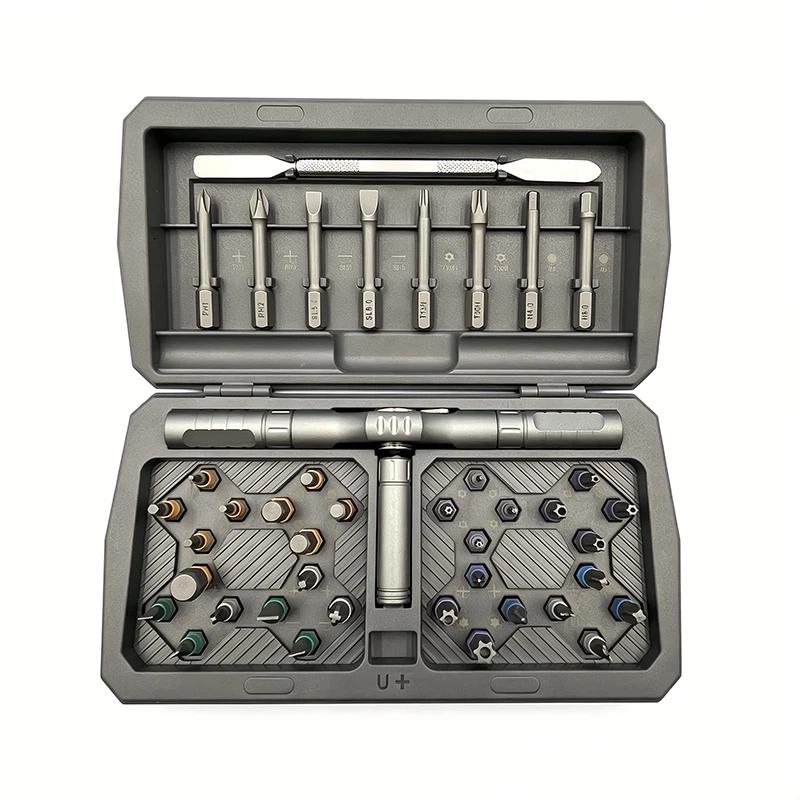
Which bit and handle geometry fit wooden planter-box panels and liner retainers?
Choose the specified exterior screw profile and working length, then check penetration against board thickness. Long bits reach internal brackets, while a short bit limits wobble on open corner screws. Keep coated heads clean so the bit seats without stripping the finish. Write the selected profile, shank interface, working length and holder diameter beside a photograph of the representative fastener. For wooden planter-box panels and liner retainers, clearance must be checked through the full return stroke, not only while the tool is stationary. Reject a setup that touches the surrounding surface, rocks in the recess or depends on uncontrolled adapter movement.
How should wooden planter-box panels and liner retainers be prepared before work?
Sort panels by grain, face and drainage orientation; mark pilot holes from the plan and dry-fit the base. Lay out screws by length and coating. If boards are wet, bowed or split, follow the material guidance before proceeding instead of tightening them flat. A repeatable preparation sheet for wooden planter-box panels and liner retainers should name the safe state, support method, lighting, parts tray and location map. It should also identify which maker instruction controls the job. Preparation is complete only when another careful user could reproduce the same starting condition without guessing where a screw, washer, cable or bracket belongs.
What sequence keeps wooden planter-box panels and liner retainers controlled?
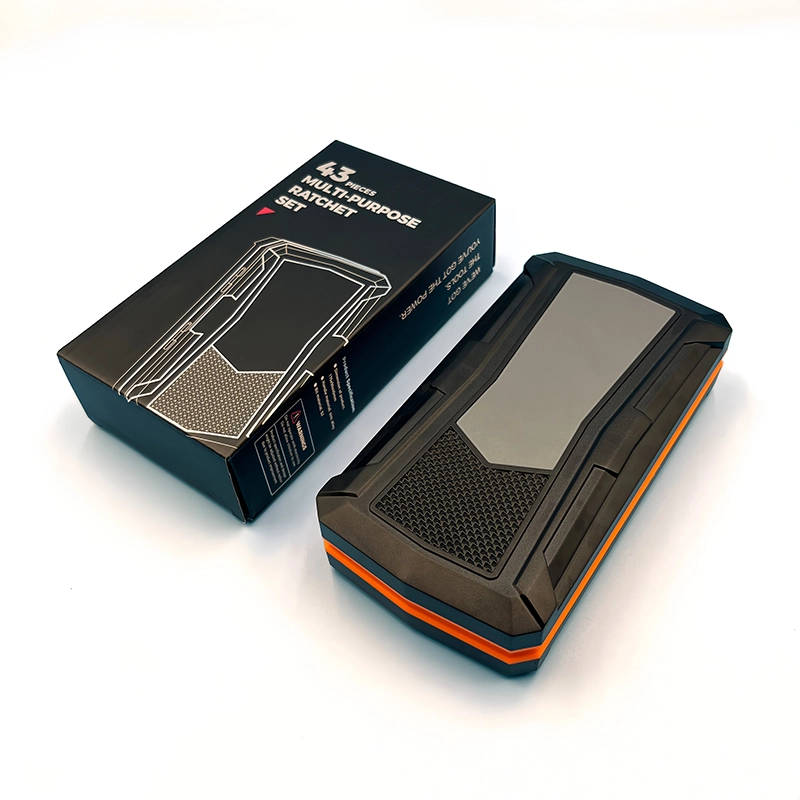
Start corner screws loosely, measure diagonals and alternate around the box. Fit the base and feet without blocking drainage, then install any liner retainers with the approved small hardware. Final seating follows the plan while the assembly remains square and unloaded. Use deliberate strokes and pause whenever the load changes unexpectedly. On wooden planter-box panels and liner retainers, free-running motion and final seating are separate stages; lock or straight-driver mode may provide clearer feedback near the end. If a measured torque or special sequence is specified, stop the hand-ratchet workflow and use the documented method rather than estimating from handle feel.
Why should the user stop during wooden planter-box panels and liner retainers?
Splitting at an end grain, coating flaking from a screw, a head sinking deeply or a panel twisting out of square are stop signals. More ratchet force can hide an undersized pilot or mislocated hole. Replace or remediate material under the documented build method. These symptoms matter because a ratchet repeats motion efficiently in both a good joint and a failing one. The right response at wooden planter-box panels and liner retainers is to identify the cause, preserve recoverable recess geometry and correct the support, fastener or receiving material. Continuing until the handle stops is not an inspection method and can erase useful evidence of the original fault.
When is another tool better for wooden planter-box panels and liner retainers?
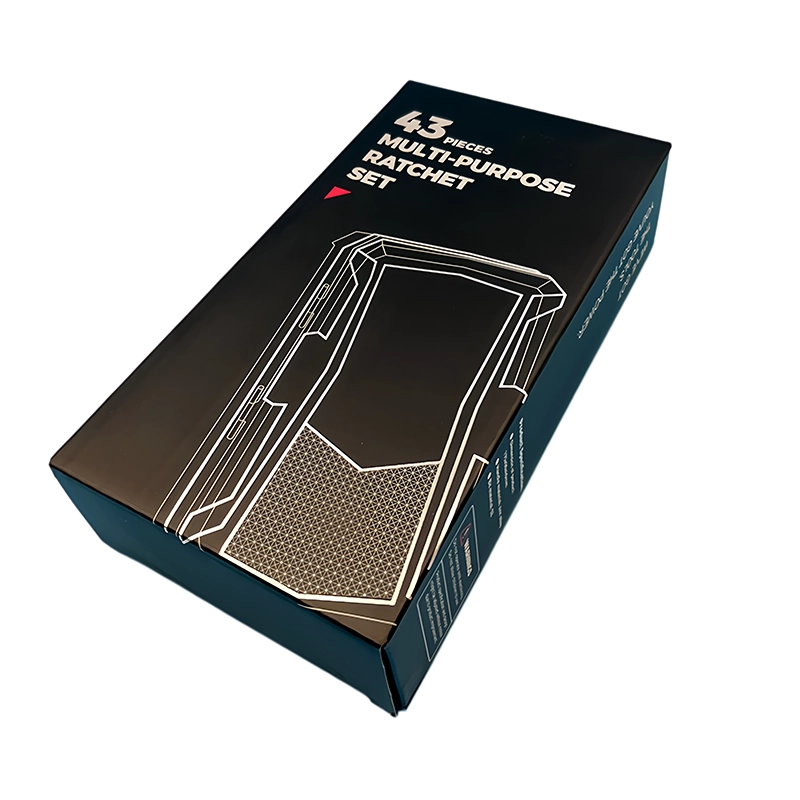
A drill may create pilots under the chosen plan, while the ratchet offers controlled manual assembly near thin edges. A fixed driver suits accessible corners. Impact tools bring little benefit to lightweight boards and can damage coatings, heads and small brackets rapidly. Compare tools on the same representative access point, with the same fresh bit and the same stopping rule. For wooden planter-box panels and liner retainers, the winning method is the one that stays square, protects the surrounding material and leaves the final condition observable. Speed, piece count and handle size remain secondary until that controlled comparison has been completed and recorded.
What should Western buyers specify for wooden planter-box panels and liner retainers?
DIY buyers should match outdoor profiles and bit reach to the fastener schedule, not assume every deck screw is suitable. OEM planter kits need board samples, moisture condition, pilot specification, drainage drawing, screw coating declaration and packaging that separates planter assembly from structural load claims. For European and North American sales, link every application statement to the actual bit map and product revision. Buyers evaluating wooden planter-box panels and liner retainers should ask how replacement bits are identified, how selector directions are explained and how the sample is approved. Marketing can describe compatible fastening work, but it should not invent universal compatibility, measured performance or professional authorization.
How should wooden planter-box panels and liner retainers be verified after reassembly?
Verify equal diagonals, stable feet, open drainage, intact coatings and a liner that does not pull on screw heads. Place the planter only where the site supports its filled mass and drainage. Reinspect exposed hardware according to the product's outdoor maintenance instructions. Keep the check specific to wooden planter-box panels and liner retainers: list each fastener location, visible joint condition, functional movement and excluded test. Photographs, the approved sample and a dated pack-out record are more useful than a broad “passed” label. Clean and inspect the selected bit and holder afterward so the next job does not inherit debris, corrosion or an unidentified worn interface.
Method choice for wooden planter-box panels and liner retainers
| Method | Suitable stage | Main advantage | Required check |
|---|---|---|---|
| Compact ratchet screwdriver | Restricted hand swing | Repeated manual strokes | Bit remains square during wooden planter-box panels and liner retainers |
| Fixed or offset hand driver | Open access or very low axial height | Direct final feedback | Handle and shaft clear the work |
| Specified service or torque tool | Documented critical requirement | Method-specific result | Use the maker's stated procedure |
- Identify every fastener profile and location used for wooden planter-box panels and liner retainers.
- Measure working depth, holder clearance and the available ratchet return arc.
- Define the safe state, support, parts map and model-specific instruction.
- Approve stop rules for recess, receiver, surface and alignment damage.
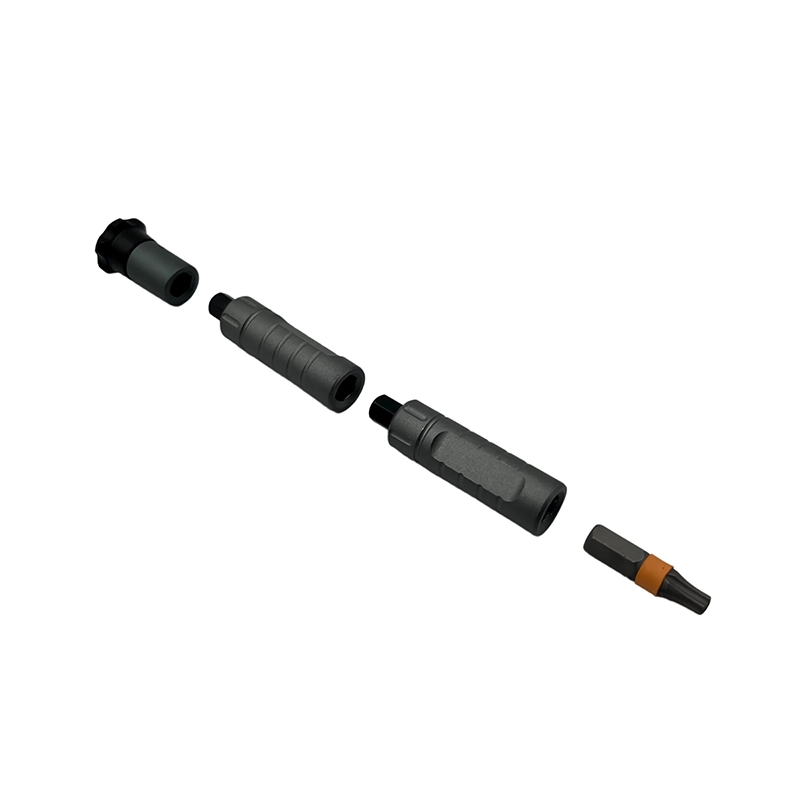
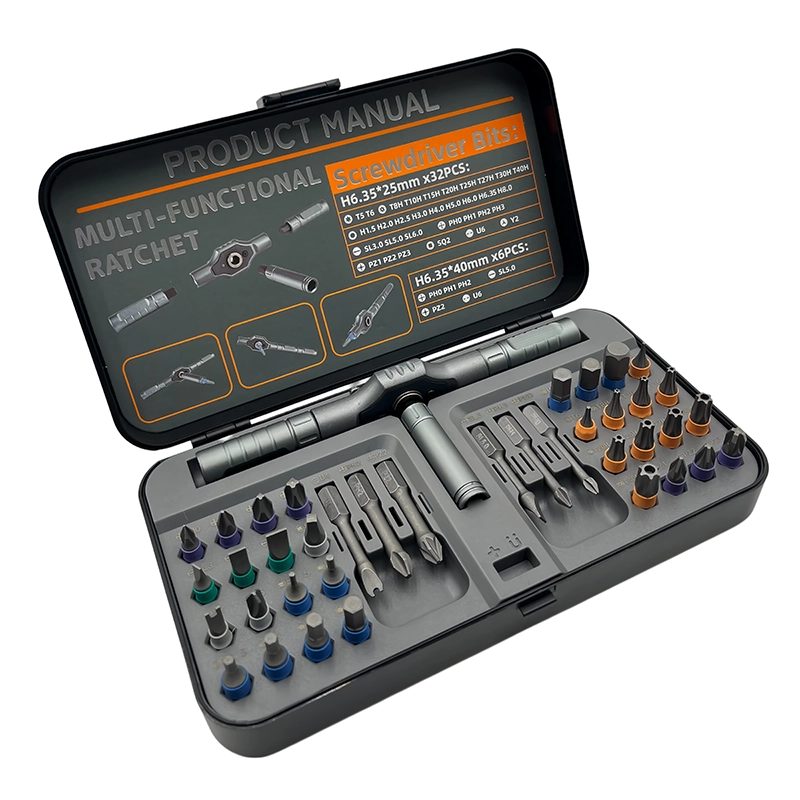
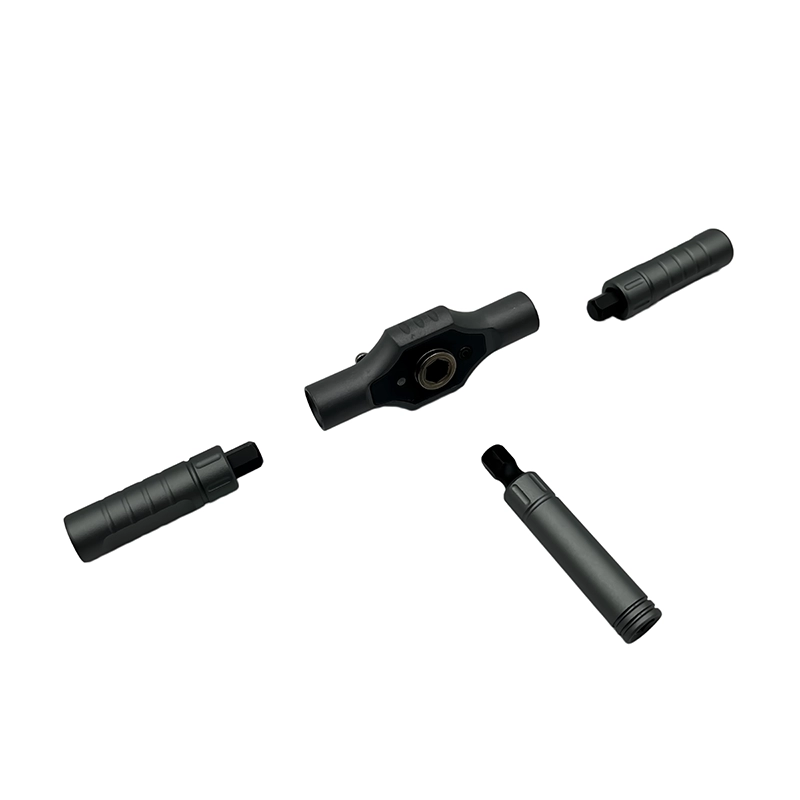
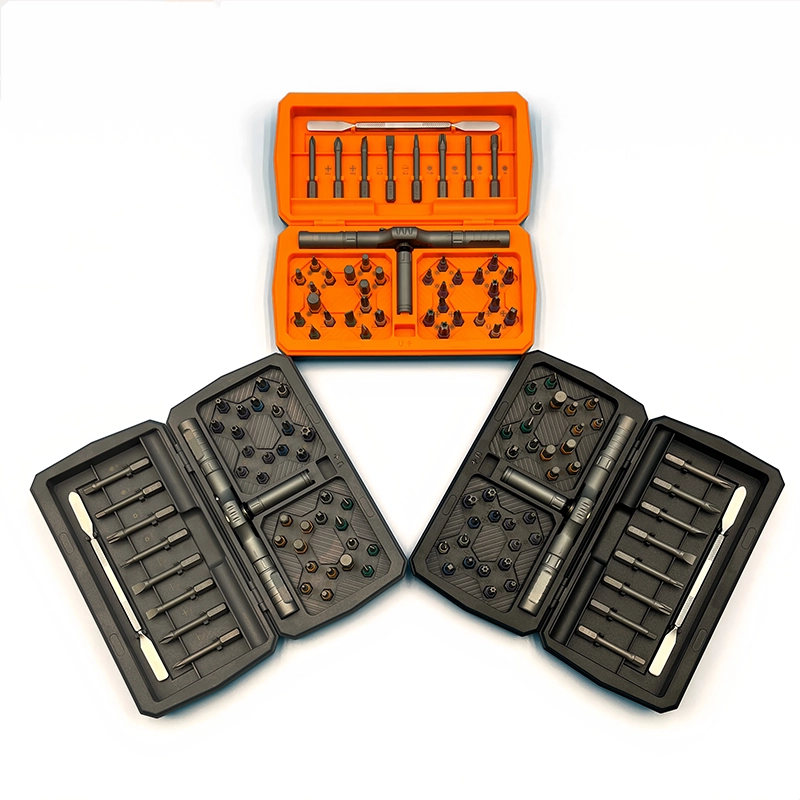
- Compare the representative application with the current XOENAEN 43-in-1 ratchet screwdriver set configuration.
- Keep product, case, bit map, artwork and sample record on one revision.
- View the XOENAEN 43-in-1 ratchet screwdriver set →
- Previous guide: Using a Ratchet Screwdriver on Picture-Frame Backing Hardware →
- Next guide: Ratchet Screwdriver Selection for DIY Project-Box Corner Braces →
- Plan an XOENAEN OEM / ODM tool configuration →
- Review manufacturing and quality support →
- Read the related ratchet-screwdriver-sewing-machine-free-arm-covers guide →
- Continue with the ratchet-driver-garden-shed-accessory-brackets topic →
- How XOENAEN presents quality evidence →
Should a wooden planter box be squared before its screws are fully seated?
A ratchet is useful inside a narrow box where side panels block a full wrist turn. The box should remain empty on a level bench so alignment can be measured. A corner clamp or temporary square may locate parts, but the screw should never be asked to pull a warped board into compliance. Apply that answer only to wooden planter-box panels and liner retainers; the relevant product or equipment maker may set a narrower service boundary.
Can planter-box screws pull a warped side panel into shape?
Choose the specified exterior screw profile and working length, then check penetration against board thickness. Long bits reach internal brackets, while a short bit limits wobble on open corner screws. Keep coated heads clean so the bit seats without stripping the finish. Confirm the choice on the representative screw instead of transferring a bit decision from a visually similar job.
Why must screw penetration be compared with planter-board thickness?
Sort panels by grain, face and drainage orientation; mark pilot holes from the plan and dry-fit the base. Lay out screws by length and coating. If boards are wet, bowed or split, follow the material guidance before proceeding instead of tightening them flat. If the safe state, support or parts map is incomplete, finish preparation before the first loaded ratchet stroke.
Does an exterior screw profile prove that its coating suits the planter?
Splitting at an end grain, coating flaking from a screw, a head sinking deeply or a panel twisting out of square are stop signals. More ratchet force can hide an undersized pilot or mislocated hole. Replace or remediate material under the documented build method. Stop at the first sign of material or recess damage and use the approved repair, extraction or replacement path.
Which drainage feature should remain clear after base assembly?
A drill may create pilots under the chosen plan, while the ratchet offers controlled manual assembly near thin edges. A fixed driver suits accessible corners. Impact tools bring little benefit to lightweight boards and can damage coatings, heads and small brackets rapidly. Compare the available methods under the same access and stopping conditions before standardizing the tool choice.
What moisture condition belongs in a planter-kit sample approval record?
DIY buyers should match outdoor profiles and bit reach to the fastener schedule, not assume every deck screw is suitable. OEM planter kits need board samples, moisture condition, pilot specification, drainage drawing, screw coating declaration and packaging that separates planter assembly from structural load claims. Add target market, quantity, language, packaging, sample stage and launch timing so the proposal stays tied to this exact application.