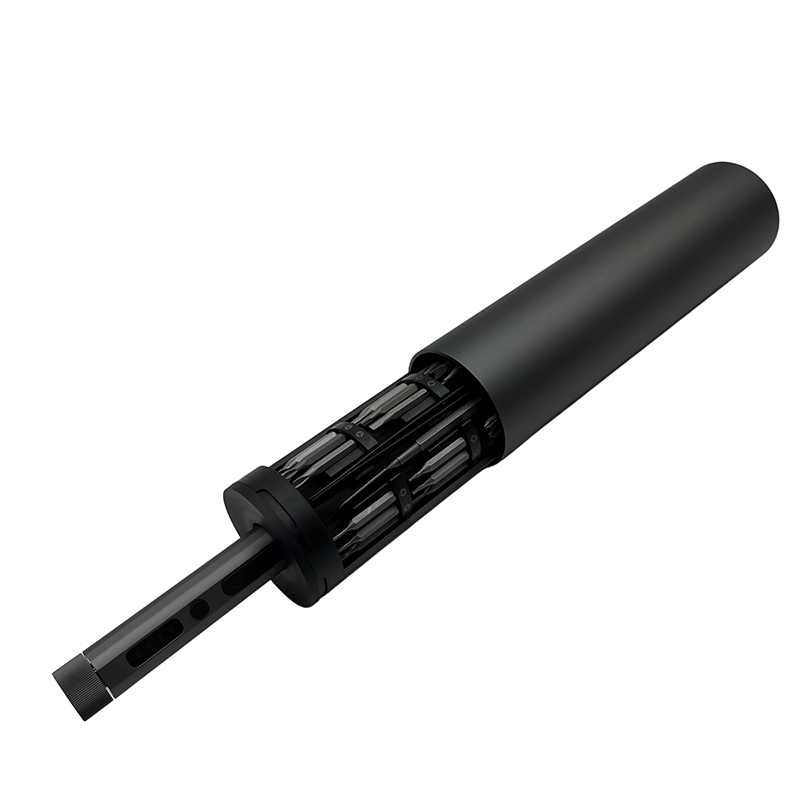
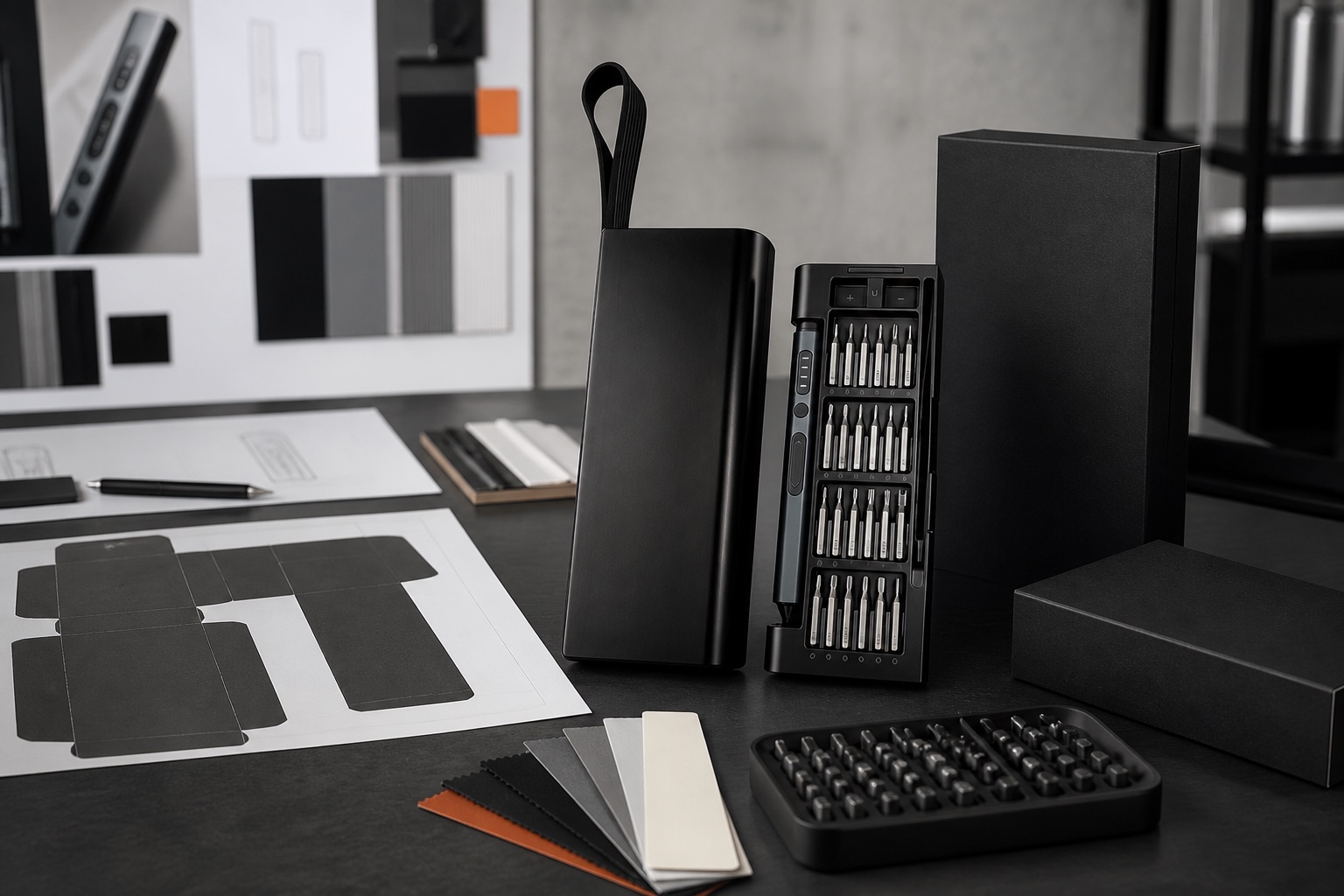
ODM screwdriver mold ownership is not automatic: the agreement should identify each tool, payer, legal owner, custodian, permitted users, exclusivity, change authority, transfer and end-of-life duties. Separate the physical mold from drawings, design rights, process knowledge and other intellectual property, then obtain qualified legal review for the relevant countries.
ODM screwdriver mold ownership
The contract-defined allocation of legal title, physical custody, permitted use, exclusivity, maintenance, change authority, transfer and end-of-life duties for identified molds and related tooling in an ODM screwdriver project. It does not by itself decide ownership of drawings, software, background technology, manufacturing know-how or other intellectual property.
Who owns a custom electric screwdriver mold?
There is no safe universal answer. Payment, legal ownership, physical custody and permission to use a mold are separate questions, and the project contract should answer each one. A buyer may fund all or part of a tool without automatically receiving every design file, process right or transfer right. A supplier may hold the physical tool without owning the buyer's brand or the agreed custom design. Applicable law and the signed agreement control the result.
Define the subject before discussing ownership. An electric screwdriver project can include plastic injection molds, die-casting tools, stamping tools, machining fixtures, assembly jigs, test fixtures, programming files, industrial-design files and control-system work. A phrase such as 'buyer owns the tooling' is incomplete when the schedule does not identify which numbered assets, cavities, inserts, drawings and digital records it covers.
WIPO's supplier-agreement guidance recommends distinguishing background intellectual property brought into the project from foreground intellectual property created during the project. That distinction is useful here. An established motor platform, circuit architecture or production method may be supplier background knowledge, while a new buyer-approved housing surface or packaging structure may be project output. The parties should record the boundary before development begins and obtain qualified legal review for the relevant countries.
When does an ODM screwdriver project actually need new tooling?
Start with the intended user, fasteners, torque behavior, battery and charging system, controls, dimensions, grip, bit storage, accessories and retail format. Compare those requirements with an existing platform. A color, logo, bit map, manual or package change may be configuration work. A new outer housing, internal support, button geometry, transmission arrangement, charging interface, case layout or molded insert may require new engineering and tooling.
Do not decide from appearance alone. A small visible change can move a screw boss, battery clearance, gear support, PCB location, wall thickness, draft angle or assembly path. Conversely, a buyer may achieve a differentiated product by combining an established driver platform with a new accessory system or package, avoiding unnecessary tool risk. A written feasibility review should label every request as standard configuration, modified component, new component or unresolved investigation.
The current XOENAEN OEM process treats tooling as an ODM stage after requirement definition, configuration and sample work. It also states that new structural or electronic development adds prototype, tooling and validation stages. This is a planning framework, not evidence that every customization needs a mold or that one tool can serve every requested material, finish or production volume.
What should a tooling feasibility review contain?
The review should connect the customer requirement to a proposed manufacturing route. For each affected part, record function, material, finish, critical dimensions, mating parts, cosmetic surfaces, anticipated annual volume and the proposed process. Identify undercuts, thin walls, deep ribs, snap features, threads, inserts, texture, gates, ejector locations and surfaces that cannot tolerate visible marks. Record assumptions that still need a prototype or mold-flow review.
Separate design intent from manufacturing detail. The buyer should approve what the part must do, how it must fit and which appearance zones matter. The supplier should explain the process limits, draft, shrinkage allowance, parting line, gate, ejection and tolerance strategy. When one side changes a feature that affects the other side's responsibility, the revision should return to a named approval gate rather than move silently into tool manufacture.
Review the complete screwdriver system at the same time. A housing tool cannot be approved in isolation if it constrains the motor, gearbox, battery, PCB, buttons, charging port, LEDs, bit holder or fasteners. List the controlled mating references and the revision used for tool design. A later change to a bought-in component can require an insert change or a new tool even when the cosmetic design stays the same.
How should custom electric screwdriver mold cost be compared?
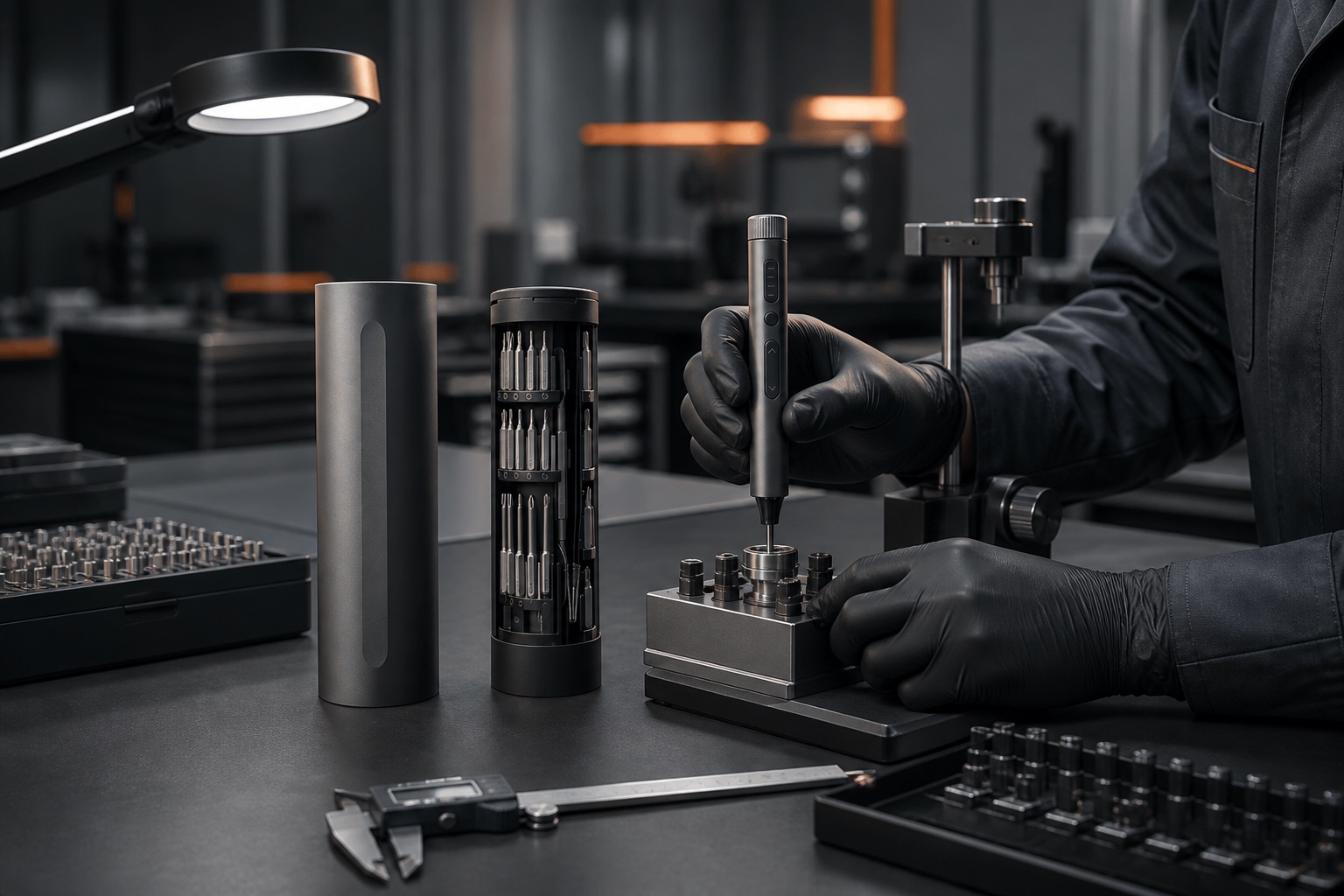
A responsible comparison starts with the same scope. Ask whether the quotation includes design-for-manufacture review, prototype iterations, mold design, steel or tool material, cavity count, inserts, texture, surface finish, trial runs, inspection fixtures, first-article measurements, revisions, sample shipment, maintenance, storage and taxes or freight where relevant. A low tooling line and a complete tooling package are not comparable prices.
Do not publish or rely on one generic mold price. Cost changes with part size and geometry, material, surface requirements, tolerance, cavity count, tool life expectation, insert strategy, hot- or cold-runner choice, validation depth and where the tool will run. The quote should state assumptions and exclusions, the currency, payment milestones and what triggers a change order. A binding figure should follow review of the actual design and production plan.
Connect payment to evidence. Typical project gates can include feasibility acceptance, final tool design, first trial, dimensional report, functional build, cosmetic sample and production approval. The exact milestones are negotiable, but the purchase terms should explain what evidence allows an invoice to progress and what happens when a sample misses an agreed requirement. Payment alone should not be treated as a substitute for an ownership and use clause.
Which rights must an ODM tooling agreement separate?
First identify the payer and legal owner for every scheduled asset. Then identify the physical custodian and manufacturing location. State who may use the asset, for which product, brand, customer, territory and factory, and whether that permission is exclusive. If a shared base platform or standard insert is involved, mark it clearly instead of describing the entire tool as exclusive.
Define who can authorize changes. The agreement should cover routine maintenance, repair, replacement inserts, engineering changes, additional cavities and duplicate tools. State who pays, who owns the resulting change and whether a modification can be made for another customer. Keep the tool number, part number, drawing revision and approved sample connected so the clause points to an identifiable production asset.
Define the records included with the physical asset. Relevant records may include the tool drawing, part drawing, material and heat-treatment record, maintenance history, trial reports, measurement reports, process window, approved sample and photographs. CAD, source files, firmware, programming work and manufacturing know-how may have different ownership or license terms from the mold itself. List them separately rather than assuming they travel together.
Define storage and transfer conditions. Record the storage period, preservation work, inventory checks, insurance or risk allocation, access for inspection, notice before relocation and process for requesting transfer. State who pays for disassembly, packing, transport, installation, qualification and any repair needed after transfer. A legal right to request a tool does not prove that another factory can run it without process knowledge, fixtures and validation.
Define the end of the relationship. The contract can address unpaid balances, abandoned projects, inactivity, end-of-life notice, return of buyer information, retention required by law, destruction approval and evidence of destruction. It should also state what happens to spare inserts, duplicate tools, rejected trials and digital files. WIPO guidance emphasizes clear supplier IP terms and clear treatment of information and assets when a collaboration ends.
How are ownership and exclusivity different?
Ownership describes a legal right in an identified asset or intellectual-property interest. Exclusivity limits who may use something and under which conditions. A buyer can receive an exclusive field or territory under a license without owning all underlying technology. A buyer can also own a physical mold while the supplier retains background process knowledge that is not transferred. The agreement must state the commercial result instead of relying on either word by itself.
WIPO explains that an intellectual-property assignment transfers ownership, while a license grants defined permission to use intellectual property. That distinction matters when a custom screwdriver uses an existing platform plus newly created elements. The parties may decide that some results are assigned, some are licensed for a field of use and some remain confidential supplier know-how. The page provides a sourcing checklist, not legal advice; qualified counsel should translate the commercial deal into enforceable terms.
Confidentiality is a separate control. Product drawings, unannounced features, process data, test results, supplier lists and launch plans may be sensitive even when ownership is settled. Limit access to people who need the information, mark controlled records, define the permitted purpose, use appropriate confidentiality terms and keep a return-or-destruction procedure. WIPO notes that manufacturing information can qualify as a trade secret when it is valuable because it is secret and reasonable protective steps are taken.
What evidence should be approved before tool release?
Freeze a design input package before committing to production tooling. It should include the product requirement, controlled drawings or surface data, material, finish, color, cosmetic zones, mating references, expected function, regulatory inputs supplied by the buyer, sample plan and acceptance criteria. Every file needs an identifier and revision. Email approval of an unlabeled rendering is not enough to control a mold.
Use prototypes for the questions they can answer. A visual model can confirm proportions and user interaction but may not represent molded material, production tolerance or assembly strength. An engineering prototype can test packaging, internal clearance and functional relationships but may still use different material or processes. Record what each sample proves and what remains open before approving steel or production-tool work.
At the first tool trial, inspect more than appearance. Confirm cavity and insert identification, material and process record, critical dimensions, part weight, warpage, sink, flash, short fill, weld lines, gate and ejector effects, texture, color, assembly fit and functional build. Agree whether issues require process adjustment, insert modification, drawing change or a new trial. Keep the disposition and responsible approver with the sample record.
Approve a production-intent assembly, not only loose molded parts. Build the driver with the intended motor, gearbox, battery, PCB, controls, fasteners and finish. Check torque and speed against the model specification, charging, direction, noise, runout, button feel, housing fit, gaps, surface quality, accessory compatibility, labels and packaging. The approved result should connect tool revision, part revision, assembly specification and test evidence.
How should production changes be controlled after approval?
Create a written change-notification rule before mass production. It should cover tool relocation, new cavities, replacement inserts, material or colorant changes, texture repair, gate or process changes, component substitutions, drawing changes and repairs that may affect appearance, fit or performance. Classify the risk and state when documentation review, dimensional recheck, functional test or a new sample is required.
Keep maintenance visible. Record cycles or production batches where practical, preventive work, repairs, polishing, welding, replacement parts and trial results after intervention. If the tool is stored between orders, document preservation and restart checks. A customer-owned label on a mold is useful for identification, but an auditable history is what connects that asset to repeatable production.
When an external process or another manufacturing location is used, record the responsible provider and the controls applied to the output. ISO and IAF guidance on external providers emphasizes defined criteria, monitoring and verification that requirements are met. For the buyer, the practical question is whether the agreed part, evidence and approval path remain controlled—not whether a generic statement calls every process in-house.
What should buyers send in the ODM tooling RFQ?
Send the target user and application, target markets, annual and first-order volume, reference product, required differentiation, dimensional constraints, torque and speed needs, battery and charging concept, controls, accessories, industrial-design files, material and finish expectations, packaging concept, project timing and evidence required for acceptance. Mark which inputs are final, provisional or open to supplier recommendation.
Add a tooling schedule. For every proposed mold, fixture or jig, request the asset description, part numbers, quoted scope, location, payer, proposed owner, custodian, permitted use, exclusivity, records delivered, maintenance, change authority, transfer process and end-of-life treatment. Ask the supplier to flag shared-platform components and pre-existing intellectual property rather than accepting a blanket ownership sentence.
Request a milestone plan with approval gates, not a single completion date. Separate design review, prototype, tool design, fabrication, first trial, correction, first-article report, complete functional sample, pilot build and mass-production release. State that dates are confirmed only after the exact scope, input revisions, component availability and buyer response time are known. This keeps schedule discussion tied to decisions that can actually be controlled.
Finally, compare the new-tool route with an existing-platform alternative. The existing 67-in-1 and electric-53 records can serve as concrete platforms for configuration and sample review, but their published options do not promise that a requested structural change is feasible without development. A useful supplier response should say what can remain standard, what must change, what evidence will be produced and which commercial terms need legal agreement before work begins.
The best time to settle ODM screwdriver mold ownership is before the first tooling payment and before confidential files are transferred. The best technical safeguard is a controlled chain from requirement to drawing, tool, trial, complete sample and production change record. When both are present, the buyer can compare suppliers on a defined project instead of a vague promise of customization.
Tooling terms buyers should compare before project release
| Decision | Incomplete wording | Controlled project record |
|---|---|---|
| Asset scope | All tooling | Numbered molds, cavities, inserts, jigs, fixtures and records |
| Ownership | Paid by buyer | Payer, legal owner, custodian and relevant IP rights stated separately |
| Use rights | Exclusive mold | Product, brand, customer, territory, duration and exceptions defined |
| Background work | Everything is custom | Existing platform, shared parts and foreground results identified |
| Approval | Sample accepted | Tool, part, complete assembly, test and revision evidence connected |
| Maintenance | Factory maintains it | Scope, records, payer, repair authority and requalification stated |
| Transfer | Buyer can collect | Notice, condition, files, packing, freight, installation and validation defined |
| End of life | Destroy when finished | Trigger, approvals, confidential records and destruction evidence defined |
- Identify every mold, cavity, insert, jig, fixture, drawing and digital record in scope.
- Separate payer, legal owner, physical custodian and authorized manufacturing location.
- Define permitted use, exclusivity, territory, customer, duration and shared-platform exceptions.
- Distinguish background intellectual property from project-created results and improvements.
- Compare quotations on the same design, tool, validation, sample and maintenance scope.
- Connect payment milestones to named feasibility, trial, measurement and sample evidence.
- Approve production-intent parts and the complete electric screwdriver assembly before release.
- Require written notice and risk-based reapproval for tool, material, process or location changes.
- Record storage, maintenance, repair, transfer, end-of-life and confidential-information duties.
- Have qualified counsel review ownership, licensing and enforceability in the relevant jurisdictions.
- Review the XOENAEN OEM and ODM project sequence →
- Prepare the electric screwdriver OEM project brief →
- Approve a production-intent electric screwdriver sample →
- Verify factory and supplier responsibilities →
- Review manufacturing and quality-control checkpoints →
- Confirm XOENAEN brand and legal-entity information →
- Review the 67-in-1 electric screwdriver platform →
- XOENAEN editorial policy →
Who owns an OEM or ODM electric screwdriver mold?
Ownership depends on the signed agreement and applicable law. The document should identify the exact asset and separate the payer, legal owner, custodian, permitted use and related intellectual-property rights.
Does paying the tooling invoice mean the buyer owns the mold?
Do not assume so. Payment and ownership are separate terms. State title, custody, use, records, transfer and end-of-life rights in writing before tooling work and payment begin.
What affects custom electric screwdriver mold cost?
Geometry, size, material, finish, tolerance, cavity count, inserts, tool-life expectation, validation, trial revisions and the records included can all affect cost. Compare project-specific quotations with the same stated scope.
Can a buyer-owned mold be moved to another factory?
Only the agreement and applicable law can answer the right to transfer. The practical plan should also cover tool condition, files, fixtures, packing, freight, installation, process knowledge and requalification.
Does mold ownership include CAD files and screwdriver design rights?
Not automatically. Physical tooling, drawings, CAD, software, background technology, improvements and manufacturing know-how can have different ownership or license terms and should be scheduled separately.
When is new screwdriver tooling required?
A feasibility review should decide. Standard color, logo, bit or packaging work may use an existing platform, while structural, internal, control or molded-case changes may require engineering, prototypes and tooling.
What should be approved at the first mold trial?
Review the tool and part revision, material and process record, dimensions, defects, appearance, assembly fit and a complete functional driver build. Record the issue disposition and any new trial required.
Can custom screwdriver exclusivity be limited?
Yes, if the parties agree. Exclusivity can be defined by product, design element, customer, territory, field of use or duration, with explicit exceptions for background platforms or shared components.