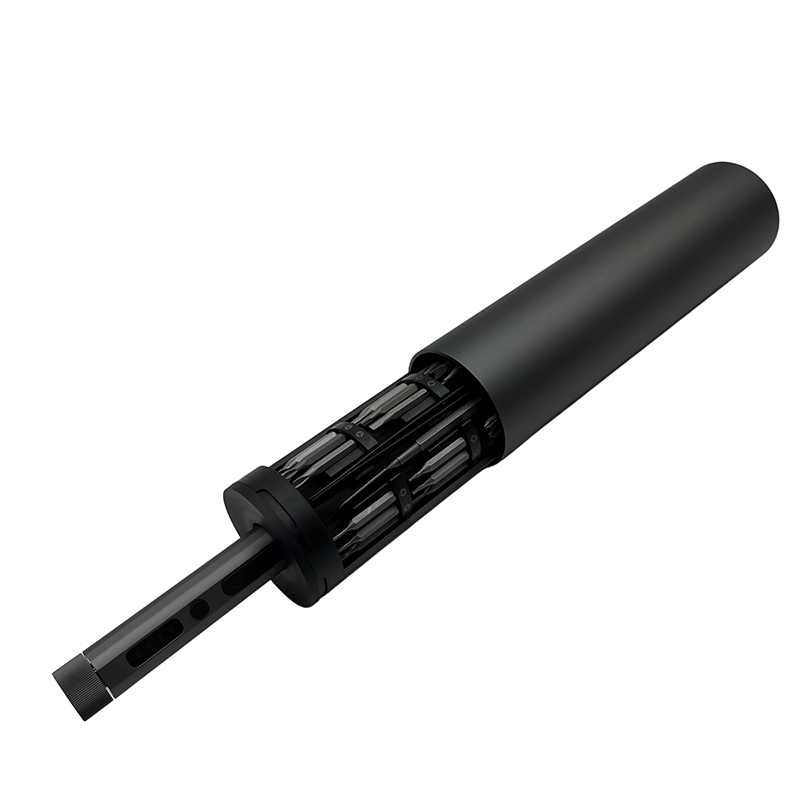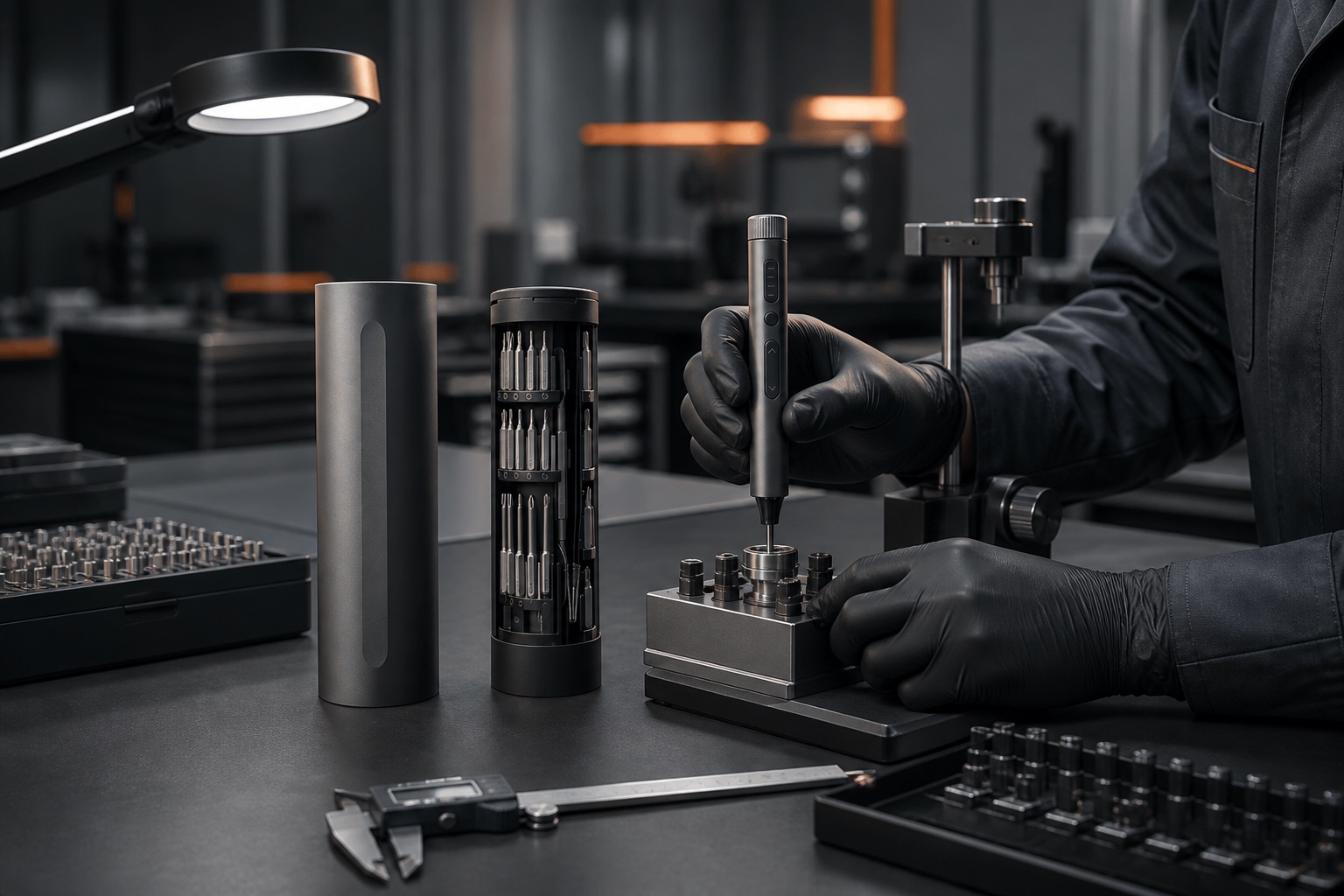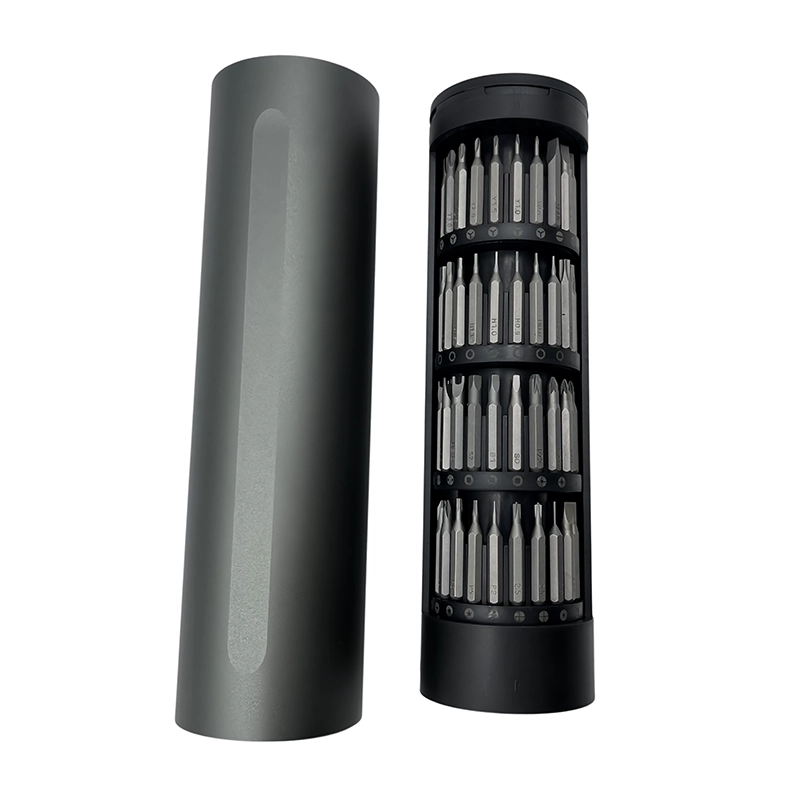

An electric screwdriver RFQ should define the user and task, target screws, preferred platform, torque and speed, battery and charging, bit map, accessories, market, quantity, branding, packaging, sample, acceptance evidence and delivery need. Mark each field mandatory, preferred or open, then require suppliers to disclose assumptions so every quotation covers the same project.
Electric screwdriver RFQ
A controlled request for quotation that translates the buyer's application and commercial plan into a comparable product configuration, sample, evidence, packaging, document and supply scope. It makes mandatory requirements, preferences, open decisions, supplier assumptions and exclusions visible before a binding quotation and purchase specification are approved.
What should be included in an RFQ for an electric screwdriver set?
An electric screwdriver RFQ should define the user, repair or assembly task, target screws, preferred product platform, torque and speed behavior, battery and charging system, bit map, accessories, target market, quantity, branding, packaging, sample scope, acceptance evidence and delivery requirement. Mark every field as mandatory, preferred or open so suppliers quote the same project and disclose assumptions instead of filling gaps silently.
Do not begin with accessory count or a target unit price. Two offers called '67-in-1' can use different drivers, torque behavior, batteries, bit steel, accessories, cases, manuals and inspection scopes. The RFQ must create one comparable baseline. A supplier can then propose an existing platform, a modified OEM route or new ODM development and show where each choice changes sample work, MOQ, tooling, validation and schedule.
Which five takeaways make quotations easier to compare?
First, describe the work before naming a product. Second, translate that work into controlled product and bit requirements. Third, separate destination and packaging inputs from factory-owned technical data. Fourth, define a production-intent sample and measurable acceptance evidence. Fifth, require every quotation to list inclusions, exclusions and buyer inputs. These five controls reduce ambiguous quotes without pretending that a brief can replace engineering review.
Use a three-column status for every requested field: mandatory, preferred or supplier proposal. Mandatory fields are release conditions, such as a specified charging interface or required bit profiles. Preferred fields may change after comparison, such as case color. Supplier-proposal fields invite a documented recommendation, such as which established platform best matches the torque and duty cycle. This status prevents a preference from being priced as a requirement or a requirement from disappearing during quotation.
Name one revision and one contact for the RFQ. If drawings, artwork, photos, product references or spreadsheets are attached, list their filenames and revision dates. Ask suppliers to quote against that revision and to identify deviations in a separate response. An unlabeled image sent later in a chat should not silently replace the controlled specification.
What does an electric screwdriver RFQ control?
An electric screwdriver RFQ is a buyer-controlled request that translates an application and commercial plan into a comparable product, evidence and supply scope. It is not a purchase order, final engineering specification or compliance declaration. Its job is to make assumptions visible early enough for the buyer to compare suppliers and choose the work needed before a sample and binding quotation.
A useful RFQ has two layers. The first layer is the decision summary: user, task, market, order volume, target date and development route. The second layer is the specification schedule: product configuration, evidence, package, documents and commercial terms. A supplier should be able to answer the summary quickly while its engineering and quality teams review the detailed schedule.
How should buyers describe the application and fasteners?
State whether the set is for phone, tablet, laptop, camera, watch, toy, electronics, light assembly or a mixed repair counter. List representative devices or product families without implying unsupported compatibility with every model. Describe access limits, screw size, head profile, thread material, frequency of use, acceptable hand force and whether fasteners are removed, installed or both. Photographs and representative screws are more useful when they are identified and dimensioned.
Build a fastener-to-bit map. For each important screw, record profile, size, reach, access restriction and expected torque condition. Separate frequently used bits from occasional accessories. State whether long bits, security profiles, socket adapters, flexible shafts, magnetizers, tweezers or opening tools are necessary. A high bit count is not a substitute for the profiles and lengths the user actually needs.
Describe the operator and work environment. A repair technician completing repeated work may value balance, control placement, charging access and organized retention differently from an occasional DIY user. Note whether the product will work at a bench, travel in a service bag or remain in a retail case. Those facts affect driver form, case design, accessory retention and sample testing.
Which technical fields belong in the specification sheet?
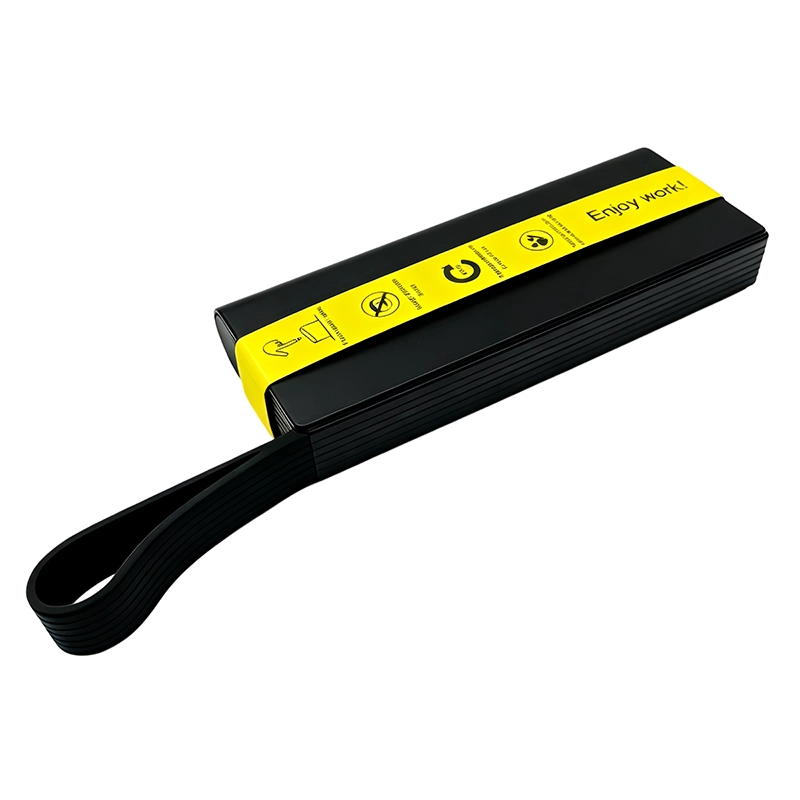
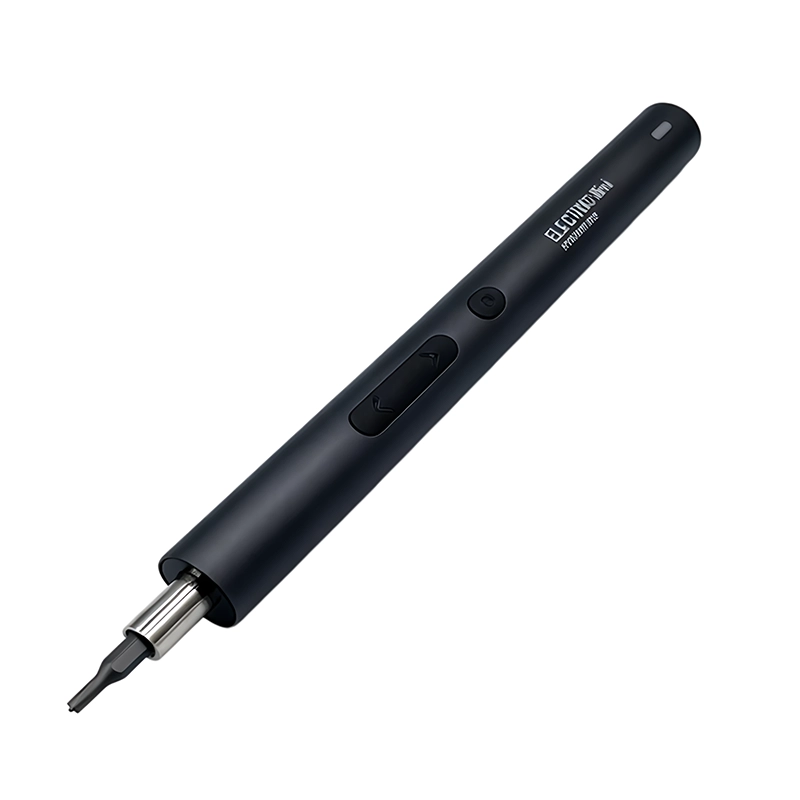
Identify the preferred driver platform or ask the supplier to compare named models. Record direction control, torque levels or target range, no-load speed or expected behavior, manual override if required, chuck or bit interface, lighting, display, control method, dimensions and material or finish requirements. Distinguish published model values from desired changes and do not mix values taken from different products into one assumed configuration.
For example, the current XOENAEN 67-in-1 record lists four electric torque levels from 0.05 to 0.35 N·m and manual torque up to 5 N·m for that model. The electric-53 record lists four torque levels, a 350 mAh battery and S2 bits. These figures can anchor a model comparison, but they are not universal promises for every electric screwdriver or every custom configuration.
Define the battery and charging system. Request nominal cell and pack information, capacity used for the selected model, charging interface, cable and adapter scope, charging indication, protection behavior and instructions supplied with the product. Ask the supplier to identify the battery and control-board revision used in the sample and production. Do not request a runtime claim without a stated load, duty cycle, starting condition and test method.
Define the bit and accessory schedule with material, profile, size, working length, quantity, marking and case position where known. If hardness or torque evidence is required, state the applicable part, method, sampling and acceptance range rather than using a material name as a performance guarantee. Confirm which accessories are functional requirements and which are merchandising preferences.
What manufacturing and test evidence should the RFQ request?
Ask who controls the motor, battery, control board, gearbox, bits, molded parts, case and packaging decisions for the quoted model. Request notification before an approved material, component, source, drawing, firmware, artwork or process is changed. The objective is not to demand every confidential process document; it is to define the evidence needed to show that production still matches the approved configuration.
Write an inspection plan around the product risk. It can cover incoming component identity, assembly checkpoints, direction, speed, torque against the model specification, charging, battery function, noise, runout, bit fit, appearance, accessory count, labels and packaging. Reliability, environmental or transport sampling depends on the model and order. State method, sample quantity and acceptance rule before production whenever the result will decide release.
ISO and IAF guidance on external providers emphasizes defined criteria, performance monitoring and verification that requirements are met. A buyer can apply the same principle without claiming certification: ask the supplier to name any coordinated or external process that affects the order, who approves it and what record demonstrates conformity to the agreed specification.
How should the production-intent sample be defined?
State whether the first sample is a stock model, a branded appearance sample, an engineering prototype or a complete production-intent unit. A stock sample can confirm general platform fit but may not validate final color, components, labels or package. A branded sample can confirm artwork but may still use provisional internals. A production-intent sample should connect the final tool, battery, bits, accessories, manual, labels and retail package to controlled revisions.
Give the supplier an acceptance checklist before the sample is built. Record function, torque and speed evidence where applicable, charging, control behavior, installed-bit fit, housing and finish, markings, accessory count, case retention, manual, barcode, retail package and carton data. Note which checks need photographs, measurements, test records or a retained reference. Approval should include deviations and open items, not only the word 'approved.'
Require written review after approval when a component or process change can affect function, appearance, documents or pack-out. The exact reapproval scope should follow the risk: a text correction may need artwork review, while a battery, board, motor, gear, tool or bit change may need a new functional sample and evidence. This protects both buyer and supplier from treating an early sample as a permanent guarantee with no change process.
What market, labeling and battery-shipping inputs belong in the RFQ?
Name the destination countries, sales channel and intended responsible parties. List required manual languages, buyer-supplied claims, brand and company data, product identifiers, barcode file, label content, warning review and any destination documents the buyer expects. Ask the supplier to state what it can provide for the exact model and what requires buyer, laboratory, importer or legal input. Do not ask for a generic 'all certificates' promise.
Treat barcode data as controlled buyer input. GS1 states that the brand owner is normally responsible for allocating the GTIN. The supplier may print an approved file, but the RFQ should identify the owner and handoff process, distinguish retail identifiers from shipment labels and require a physical scannability check on the final surface.
Battery transport requirements depend on cell or battery type, configuration, rating, route and current rules. IATA provides battery guidance for shippers and supply-chain participants. The RFQ should identify the intended shipping mode and request the documents and packaging information required for the exact product, then have the responsible logistics parties confirm the current shipment path. Avoid copying an old battery checklist to a new configuration without review.
How should branding, packaging and pack-out be specified?
Provide vector logo files, color references, marking method preference, legal text supplied or approved by the buyer, manual languages, barcode status and target package format only after the platform is sufficiently defined. Ask for marked surfaces, artwork dimensions and print limitations. Trademark clearance and buyer claims remain buyer responsibilities unless the contract states a reviewed service scope.
Define the saleable unit. List the exact driver, bit map, accessories, cable, documents, trays, case and package included in one SKU. State retail and export-carton expectations, carton quantity, sealing, code placement, handling-test scope and any channel-specific preparation. Final dimensions and weights should be measured from the approved production-intent pack because inserts, manuals and accessories can change them.
Include an artwork and pack-out revision table. One row can control the product label, another the manual, another the retail box and another the export carton. The supplier response should show which files are buyer supplied, supplier prepared, awaiting legal review or approved for print. This reduces the risk of a correct tool shipping in an outdated package.
Which commercial fields make supplier quotes comparable?
State expected first order, annual estimate and reorder pattern without presenting forecasts as commitments. Ask for standard and custom MOQ for the selected model, sample cost and time, tooling or artwork charges, unit price basis, included accessories and package, inspection scope, production time after approval, payment terms, trade term, carton data, warranty process, spare-parts route and quotation validity. Require currency and tax or freight assumptions.
Separate one-time and recurring costs. Tooling, artwork setup, testing, translation, sample freight and inspection may sit outside unit price. Replacement bits, batteries, rework, relabeling, packaging changes and after-sales parts can affect landed and support cost. Ask suppliers to mark exclusions rather than leaving the buyer to discover them after sample approval.
XOENAEN's current OEM page uses 500 pieces as a planning reference for a standard private-label electric screwdriver configuration. Current electric-53 and electric-62 records use 500 pieces as a standard planning quantity and 1,000 pieces for custom/OEM planning. These are first-party model references, not a binding MOQ for every color, package, bit map, electronics change or ODM project. The quotation should confirm the exact scope.
How can buyers score supplier responses besides price?
Score each response against the same five areas: application fit, technical completeness, evidence and change control, commercial clarity, and communication of assumptions. A supplier that says a field is unresolved and proposes a verification step can be safer than one that answers every question with an unsupported yes. Record the source and revision for every important number used in the comparison.
Reject false precision. An exact lead time without confirmed artwork, component availability, sample scope and buyer response time is not more reliable than a range with stated conditions. Likewise, a broad compliance claim without a named model, market, standard, report holder and configuration is not decision-ready evidence. The RFQ should reward traceable answers, not the largest number of unqualified promises.
Use the same decision log through sample and purchase order. When the buyer accepts a supplier recommendation or changes a requirement, update the controlled schedule and identify price, evidence and timing effects. The final purchase specification should not depend on reconstructing scattered messages after production begins.
What is the practical RFQ release sequence?
Start with the application and mandatory conditions. Shortlist documented platforms. Issue the controlled specification and commercial schedule. Receive deviations and assumptions. Compare the same scope. Select the development route. Approve a sample plan. Confirm the quotation. Issue controlled artwork and identifiers. Approve the production-intent unit and evidence. Then release production with a written change process and final pack-out check.
A strong electric screwdriver RFQ does not need to be long because every possible field is filled. It needs to be precise about what decides the purchase, honest about what remains open and structured so the supplier can prove its proposal. That is what turns a product reference into a comparable quotation and a reproducible order.
How to turn an ambiguous request into a comparable RFQ
| RFQ field | Ambiguous request | Decision-ready input |
|---|---|---|
| Application | For electronics | Named users, repair tasks, access limits and representative fasteners |
| Product | About 60 pieces | Named platform, driver behavior, complete bit and accessory map |
| Battery | USB-C preferred | Selected system, interface, cable scope, indication and evidence needed |
| Quality | Good quality | Named checks, method, sample size, acceptance rule and record |
| Sample | Send one sample | Stock, branded, engineering or production-intent stage identified |
| Packaging | Amazon box | Saleable unit, artwork inputs, labels, barcode owner and pack-out |
| Commercial | Best price | Quantity, MOQ route, included scope, terms, timing assumptions and validity |
| Changes | Same as sample | Controlled revision, notification triggers and reapproval route |
- Describe the user, task, fasteners, access limits and expected work frequency.
- Identify one preferred platform or ask for a documented model comparison.
- Separate mandatory requirements, preferences and supplier-proposal fields.
- Attach a complete bit, accessory, battery, charging, label and packaging schedule.
- Name the destination markets, sales channel and buyer-controlled compliance inputs.
- Define the sample stage, test methods, acceptance limits and evidence needed for release.
- Request model-specific MOQ, one-time charges, included scope and quotation assumptions.
- Require deviations, exclusions and post-approval changes to be stated in writing.
- Connect the approved product, artwork, manual, labels and pack-out to revision identifiers.
- Keep one decision log from RFQ through sample approval and purchase specification.
- Choose the XOENAEN OEM or ODM project route →
- Approve an OEM electric screwdriver sample →
- Compare electric screwdriver suppliers beyond price →
- Plan a private-label electric screwdriver repair kit →
- Review manufacturing and quality-control checkpoints →
- Review the 67-in-1 electric screwdriver platform →
- Review the electric-53 platform →
- Related guide: How Should Buyers Approve Private-Label Screwdriver Packaging Artwork? →
What is the minimum information for an electric screwdriver RFQ?
State the user, task, fasteners, preferred model or requirements, quantity, market, sample stage, package and decision date. Mark unresolved technical fields for supplier recommendation rather than guessing.
Should an RFQ specify torque and speed?
Specify required behavior when it is known, with the application and test condition. Otherwise provide representative fasteners and ask for a model-specific recommendation and evidence instead of copying values from another product.
How detailed should the bit list be?
List profile, size, reach and quantity for important fasteners, plus material or evidence requirements where relevant. Separate frequently used bits from optional merchandising accessories.
What type of sample should the RFQ request?
Name the decision: stock samples check platform fit, branded samples check appearance, engineering prototypes check new work, and production-intent samples connect the final configuration, labels, manual, package and evidence.
Should buyers request every certificate in the first RFQ?
No. Name the model, destination, sales route and evidence required, then ask what exists for that exact configuration and what needs buyer, laboratory, importer or legal review.
How should MOQ be stated in the RFQ?
Provide the first order and annual estimate, then request standard and custom MOQ for the selected configuration. Treat published figures as planning references until the quotation confirms model, color, bits, package and technical changes.
Who supplies barcode data for a private-label set?
The buyer should identify the product-identifier owner and provide controlled data after the sales setup is confirmed. The supplier can print the approved file and verify scannability on the final package.
What makes two supplier quotations comparable?
Both must cover the same model, component and accessory scope, evidence, sample stage, package, quantity, terms and change-control expectations. Compare assumptions and exclusions before comparing unit price.