Before opening a toy bubble machine, remove power, drain and clean solution according to the product instructions, then map housing, pump and battery screws separately. Use powered rotation only on dry, identified fasteners and park the driver before tubes, gears or wiring move. Reassemble by hand, restore guards and seals, and complete leak, motion, control and safety checks in a controlled area.
toy bubble-machine pump enclosure service powered-work boundary
The documented point at which verified screw free travel ends and hand starting, final seating, component handling, inspection, testing or another accountable procedure begins during toy bubble-machine pump enclosure service.
Good powered-tool work on toy bubble-machine pump enclosure service begins with a record, not a trigger press. The working zone is servicing a battery toy that combines a liquid reservoir, small pump or fan, tubing, gears, wiring, plastic posts and an exterior housing. Once the exact fastener, bit, support and stop condition are established, brief powered travel can reduce repetition. Everything that requires alignment, touch, inspection, safety judgment or functional proof remains a separate step.
What decision comes before power for toy bubble-machine pump enclosure service?
What powered-driver workflow keeps bubble solution away from electronics and preserves pump, tube and gear alignment during toy repair? Begin with the exact product, revision and service boundary rather than the number printed on a tool case. The working situation is servicing a battery toy that combines a liquid reservoir, small pump or fan, tubing, gears, wiring, plastic posts and an exterior housing. Identify the intended service fasteners, the receiving materials, what sits below them and the point at which powered rotation must stop. A bit that enters a recess proves only physical contact; it does not prove correct profile, authorized access, compatible length or acceptable final seating.
Separate initial breakaway, free travel, thread starting and final clamp load. These phases look similar from across a bench but provide different information to the operator. The driver may save repetitive rotation once the joint is understood. It cannot identify a mixed screw, detect a hidden cable, inspect a contact, judge a seal or decide that a part should be pulled into alignment. For this job, Treat dryness as an entry condition, not an assumption; the electric driver should not enter a wet repair zone.
Why can toy bubble-machine pump enclosure service fail even when the bit appears to fit?
The main failure path is that residual solution can enter electronics or the tool, while a shifted tube, pump or gear cover can leak, bind or expose moving parts. A worn or undersized tip may enter the recess and still ride upward under load. An overlong working reach may introduce wobble or touch a nearby feature. View the axis from more than one angle, prove engagement by hand and use the shortest reach that clears the structure. When the screw head is contaminated, damaged or uncertain, preserve it for inspection instead of applying more motor force.
Four job controls make the risk visible: remove power and manage residual liquid before tool use; separate wet-zone and electrical-zone hardware; record tube and wire routes before the housing opens; and keep the driver outside any damp work area. Each answers a different question. Accessory count, nominal speed and a freshly charged battery cannot replace those answers. A representative sample remains unapproved when the bit, support, stopping point or post-work evidence cannot be demonstrated on the actual hardware intended for the European or North American customer.
Which sequence keeps toy bubble-machine pump enclosure service observable?
Use a staged sequence: identify the maker’s cleaning and repair boundary; drain, dry and document reservoir, pump, tube and wiring; and hand-prove dry fasteners before brief powered removal. The first motorized movement should be short enough to inspect the screw head, joint and nearby parts before their original relationship is lost. Keep the tool axial and release before repositioning. Never use the bit as a pry tool, alignment pin or method for pushing a component into place. If resistance arrives earlier than the mapped condition predicts, stop while the evidence remains visible.
Continue by restore tubing, guards and gears without the driver nearby. Complete the task by hand-close and perform controlled leak, motion, control and safety checks. Account for every screw, washer, spacer, bit and temporary support before power or function returns. If a thread does not start naturally, back it out and inspect fastener identity, pitch, receiving material, contamination and joint alignment. Repeated trigger pulses do not solve a cross-thread or shifted stack; they remove the visual and tactile evidence that would have explained it.
How should the bench be prepared for toy bubble-machine pump enclosure service?
Start by identify the maker’s cleaning and repair boundary. Continue by drain, dry and document reservoir, pump, tube and wiring. Give the powered driver a fixed parking location outside the opened product and place the charging lead where it cannot cross the work. Use labeled compartments that retain fastener position, length and layer rather than a single unmarked magnetic area. Lighting should reveal the screw axis and adjacent parts. The fixture should support the structure close to the joint without loading a display, board, cable, seal, mechanism or cosmetic surface.
For toy bubble-machine pump enclosure service, record the untouched condition before hardware moves. Photograph the complete assembly and any contact, cable, gasket or alignment feature that will disappear after the next layer opens. Reconcile the bit, fastener and loose-part count at each transition. For battery-powered or electronic work, follow the accountable isolation and ESD instructions. For a toy, contain every small part and retain the original protective features; this article does not replace the responsible manufacturer’s product-safety assessment.
When should powered rotation stop during toy bubble-machine pump enclosure service?
The early stop signal is specific: moisture remains, a tube kinks, the pump shifts, a gear guard will not seat naturally or an electrical area shows contamination. Release the trigger, keep the condition unchanged and decide whether the bit, screw, thread, fixture, part or instruction is wrong. Do not increase pressure merely because expected movement did not occur. A good stop rule describes something the operator can see, hear or feel before permanent evidence disappears; it should also name who has authority to correct or escalate the condition.
The matching release condition is equally concrete: the enclosure is dry and secure, tubing and guards are restored, no leak is observed under the defined check and controls and motion work normally. Look beyond the screw head. Enclosures should meet without forced gaps, cables and contacts should remain in their routed positions, mechanisms should retain clearance and every functional check should follow the accountable product or project procedure. Record a deviation rather than hiding it beneath a complete-looking cover. Honest limits create more useful buyer evidence than a broad unsupported claim.
Which bit and driver controls matter for toy bubble-machine pump enclosure service?
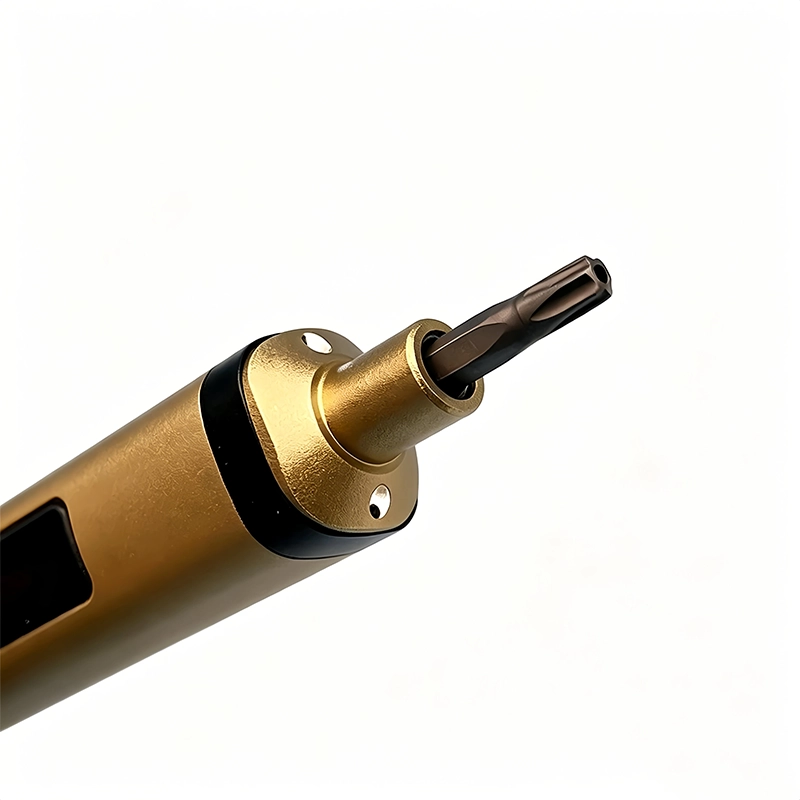
For toy bubble-machine pump enclosure service, select the profile from the documented fastener or a clean representative screw, not from resemblance alone. Seat the tip fully and check for rock before triggering. The bit should reach squarely without the holder or driver body touching the product. Longer is not automatically better: added length can increase visibility in a recess but can also amplify runout and side load. Replace a rounded, chipped, contaminated or bent bit before interpreting the driver’s behavior.
During toy bubble-machine pump enclosure service, use the lowest practical response that lets the operator observe movement, but do not publish a universal torque or speed number when no model-specific evidence supports it. Battery state, screw condition, lubrication, receiving material and operator alignment can change what a mode feels like. A useful setup record names the driver sample, installed bit, joint, material, fixture and stop rule. That record can be repeated; “low mode” without context cannot.
What should a Western-market buyer specify for toy bubble-machine pump enclosure service?
For sample approval, sample corrosion-resistant storage practices, bit access, plastic-thread control and driver parking rules on representative bubble-machine housings. The RFQ should name target models or representative joints, screw profiles and sizes, working lengths, workload, charging pack-out, case layout, manual languages and sample quantity. Any compatibility statement needs a defined model list and method. Any numerical performance claim needs test conditions, sample count, acceptance limits and a record owner rather than one isolated result or an untraceable catalogue sentence.
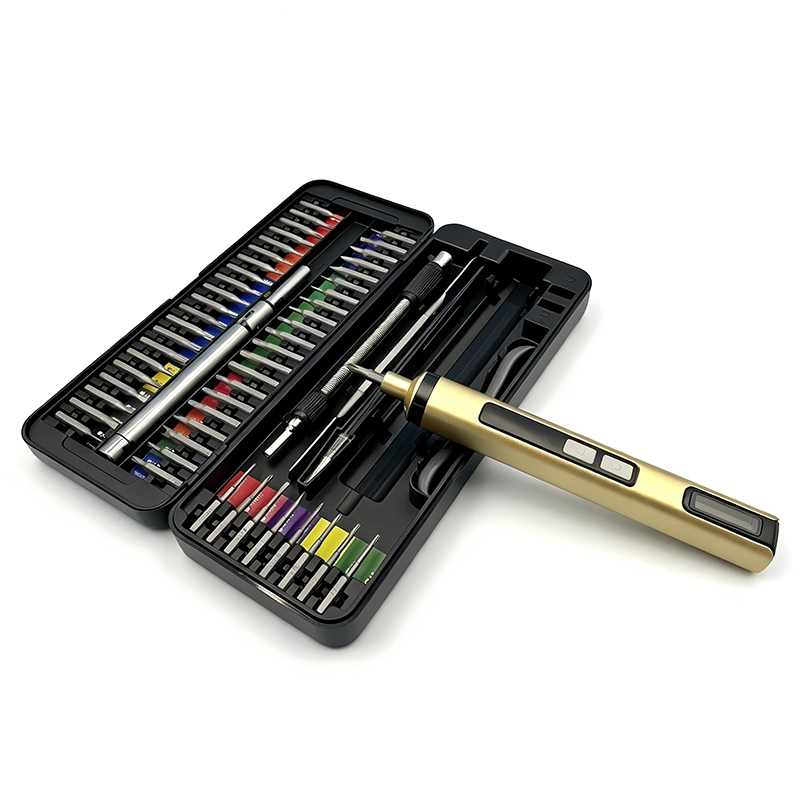
Inspect the physical driver, installed-bit behavior, charging items, indicators, case organization, labels, instructions and representative screw work as one configuration. Retain the approved sample and bit map. If the motor, battery, control board, bit source, cable, case insert, labeling or instructions change, assess the effect on toy bubble-machine pump enclosure service before the revision enters production or replaces field stock. A buyer can then compare suppliers on the same evidence rather than on accessory count alone.
Which two approaches should a buyer compare for toy bubble-machine pump enclosure service?
Opening immediately after draining may leave hidden solution in tubing or seams near electronics. In contrast, Documented dry-state inspection separates liquid management from powered-tool work. Neither phrase is a universal rule for every device. Compare access, screw condition, receiving material, part stiffness, visibility, repetition and the consequence of an error. The selected process should state why it fits this exact joint rather than borrowing a mode, angle or sequence from a different phone, tablet, toy or maker enclosure.
A representative toy bubble-machine pump enclosure service trial combines the installed bit, actual screw, support method, surrounding components and operator sequence. Free-spinning a driver can show that its controls respond, but it cannot demonstrate clean engagement in a shallow recess or acceptable seating into plastic, an insert, a light bracket or a gasketed cover. The comparison therefore ends with the completed assembly and the recorded acceptance checks, not with motor sound or case presentation.
What evidence makes toy bubble-machine pump enclosure service useful for SEO and AI answers?
This toy bubble-machine pump enclosure service guide answers one narrow customer question, states its operational boundary and links the decision to the current first-party catalogue record for XOENAEN 58-in-1 electric precision screwdriver set. The method combines a task-level failure analysis with the linked official safety or service resources. It does not infer a certification, customer result, universal device compatibility, water-resistance outcome, safety rating or torque value that is absent from the product evidence. Representative hardware and the accountable procedure remain the approval basis.
For toy bubble-machine pump enclosure service, every important sentence resolves to an observable item: screw identity, bit engagement, axis, receiving material, support, nearby parts, powered response, stop signal or post-work acceptance. Keep sample identifiers, photographs, test conditions, revisions and deviations with the decision. That record is more likely to help a buyer, technician or answer engine than another generic “best screwdriver” page whose recommendation changes whenever the device and joint change.
Opening immediately after draining compared with Documented dry-state inspection for toy bubble-machine pump enclosure service
| Approach | Likely result | Primary control |
|---|---|---|
| Opening immediately after draining | may leave hidden solution in tubing or seams near electronics | remove power and manage residual liquid before tool use |
| Documented dry-state inspection | separates liquid management from powered-tool work | separate wet-zone and electrical-zone hardware |
- Answer the real buyer question: What powered-driver workflow keeps bubble solution away from electronics and preserves pump, tube and gear alignment during toy repair?
- Record the application boundary: servicing a battery toy that combines a liquid reservoir, small pump or fan, tubing, gears, wiring, plastic posts and an exterior housing
- Verify the first control: remove power and manage residual liquid before tool use
- Verify the second control: separate wet-zone and electrical-zone hardware
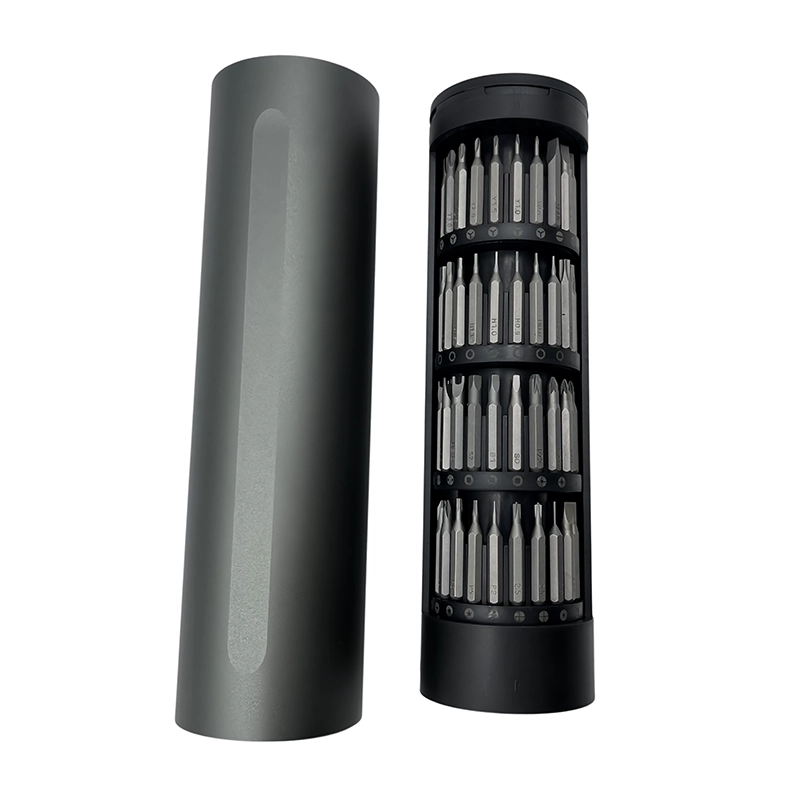
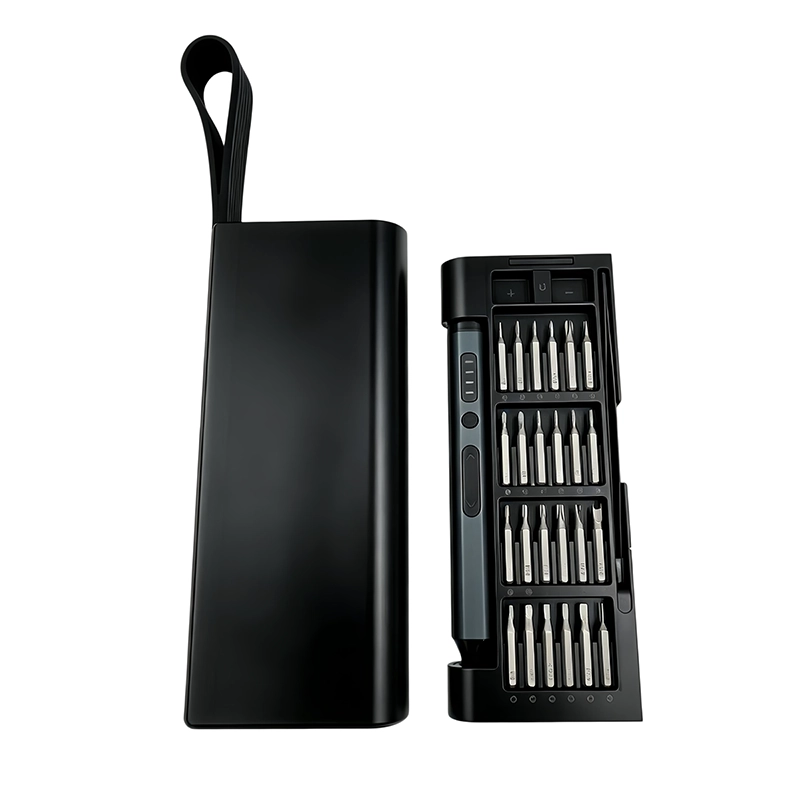
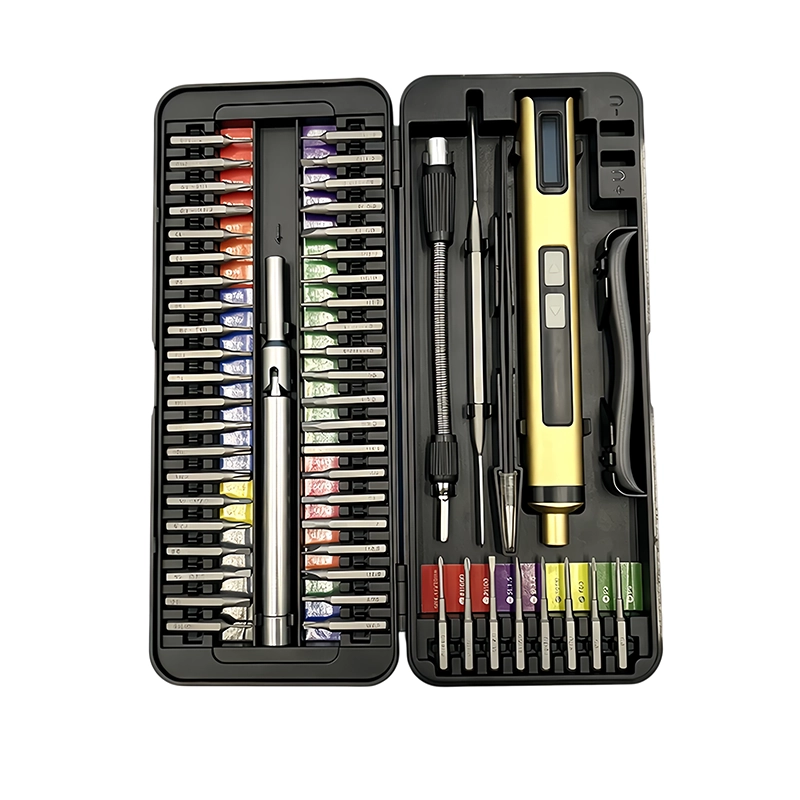
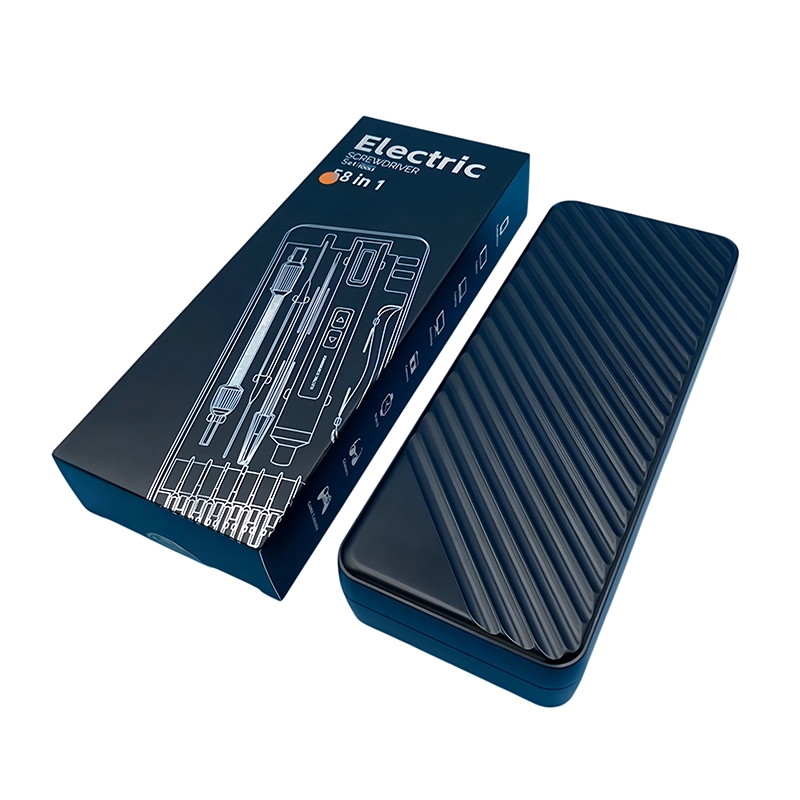
- Approve representative hardware with XOENAEN 58-in-1 electric precision screwdriver set
- Retain the bit map, stop signal and revision owner for toy bubble-machine pump enclosure service
- XOENAEN 58-in-1 electric precision screwdriver set →
- XOENAEN OEM and ODM process →
- Manufacturing and quality control →
- Read the related electric-screwdriver-toy-karaoke-microphone-shell guide →
- Read the related electric-screwdriver-diy-epaper-weather-station-enclosure guide →
- Continue with the electric-screwdriver-toy-gearbox-motor-replacement topic →
- How XOENAEN presents quality evidence →
- Read the related choose-precision-electric-screwdriver guide →
How dry should a toy bubble machine be before powered screw work?
For toy bubble-machine pump enclosure service, begin with the exact product procedure and remove power and manage residual liquid before tool use. The condition of the identified assembly decides the method; a generic driver mode cannot establish compatibility or safe service scope.
Why should wet-zone screws be stored apart from electrical-zone screws?
The practical reason is specific to toy bubble-machine pump enclosure service: residual solution can enter electronics or the tool, while a shifted tube, pump or gear cover can leak, bind or expose moving parts. Keep the original condition observable and use a short, reversible step before any part, wire, contact or seal moves out of view.
When must a driver remain outside a bubble-machine repair?
Stop powered work on toy bubble-machine pump enclosure service when moisture remains, a tube kinks, the pump shifts, a gear guard will not seat naturally or an electrical area shows contamination. Preserve the condition, correct the cause and do not compensate with a faster mode, more pressure or repeated trigger pulses.
Which controlled checks follow pump-enclosure reassembly?
Close the toy bubble-machine pump enclosure service record only when the enclosure is dry and secure, tubing and guards are restored, no leak is observed under the defined check and controls and motion work normally. A fully seated screw is one observation; it does not prove that the surrounding electrical, mechanical or enclosure system was restored.
What should an EU or North American buyer sample for toy bubble-machine pump enclosure service?
For toy bubble-machine pump enclosure service, the buyer should sample corrosion-resistant storage practices, bit access, plastic-thread control and driver parking rules on representative bubble-machine housings. Keep the approved driver, installed bits, instructions, packaging, sample identifier and revision record connected to the purchase specification.
Which XOENAEN electric platform is referenced for toy bubble-machine pump enclosure service?
XOENAEN 58-in-1 electric precision screwdriver set is the current first-party catalogue reference used for the toy bubble-machine pump enclosure service discussion. The reference is not a universal compatibility claim; the target fasteners and complete sample still require approval.