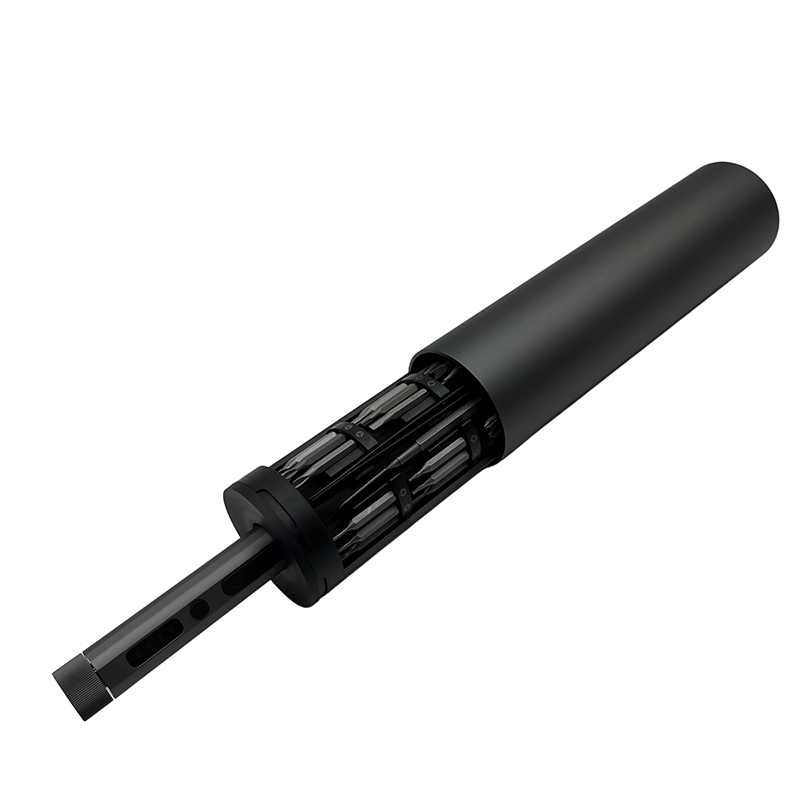
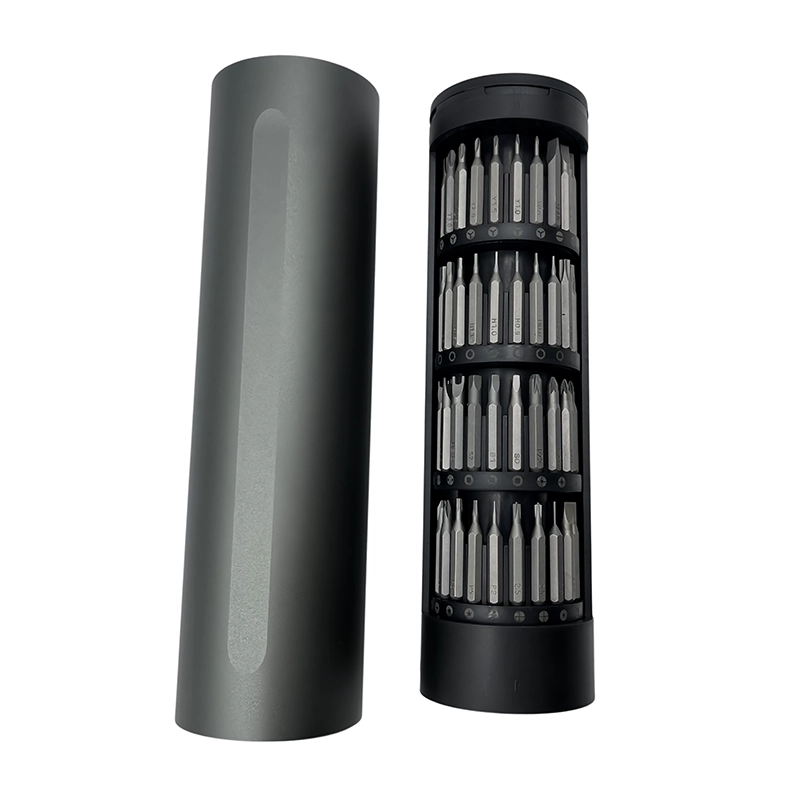
Choose a precision electric screwdriver by defining the devices, screw profiles, torque risk and daily workload first. Compare low-speed control, torque steps, manual breakaway, bit material, runout, charging, case organization and replacement-bit availability. A larger bit count is useful only when the included profiles fit your work and the driver can control them without damage.
Precision electric screwdriver selection
Matching a powered precision driver and bit system to real fasteners, materials, access and workload.
A precision electric screwdriver should be selected around the actual fastening task, not only the number of accessories in the box. Start with the screw size, material, access space and the amount of control the operator needs.
Torque and speed work together. Delicate electronics usually need controlled torque and a stable, compact driver, while repetitive assembly may place more importance on duty cycle, battery capacity and ergonomic operation. The right balance reduces damaged screws and unnecessary rework.
The bit system is equally important. Check the steel grade, hardness, available profiles and how the bits are organized. A complete kit is useful only when its most frequently used bits match the customer’s repair or assembly tasks.
For wholesale and private-label projects, confirm the product configuration before discussing color or packaging. A clear platform decision makes samples, visual design, compliance review and repeat production more efficient.
Selection Checklist
Define the devices, screw profiles, access, torque risk and workload first. Compare controllable low torque, speed, manual breakaway, installed-bit runout, charging, case organization and replacement-bit availability. Approve the actual model sample rather than relying on a family description.
- List devices
- Define torque risk
- Check control and runout
- Confirm manual mode
- Approve a sample
How do I choose a precision electric screwdriver?
Define devices, profiles, torque risk and workload, then compare control, runout, bit fit, manual mode, charging and replacement support.