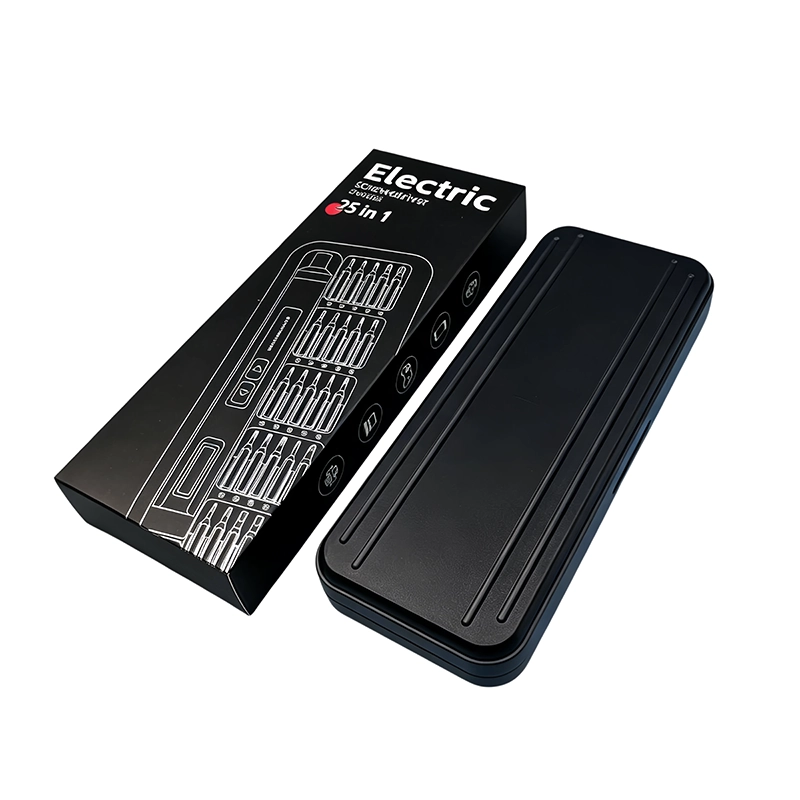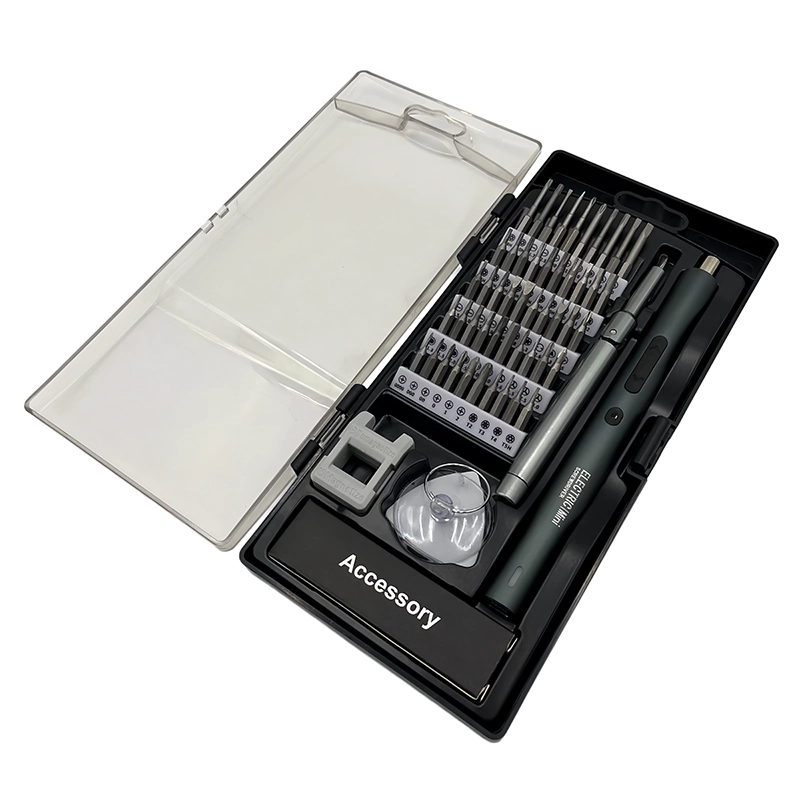
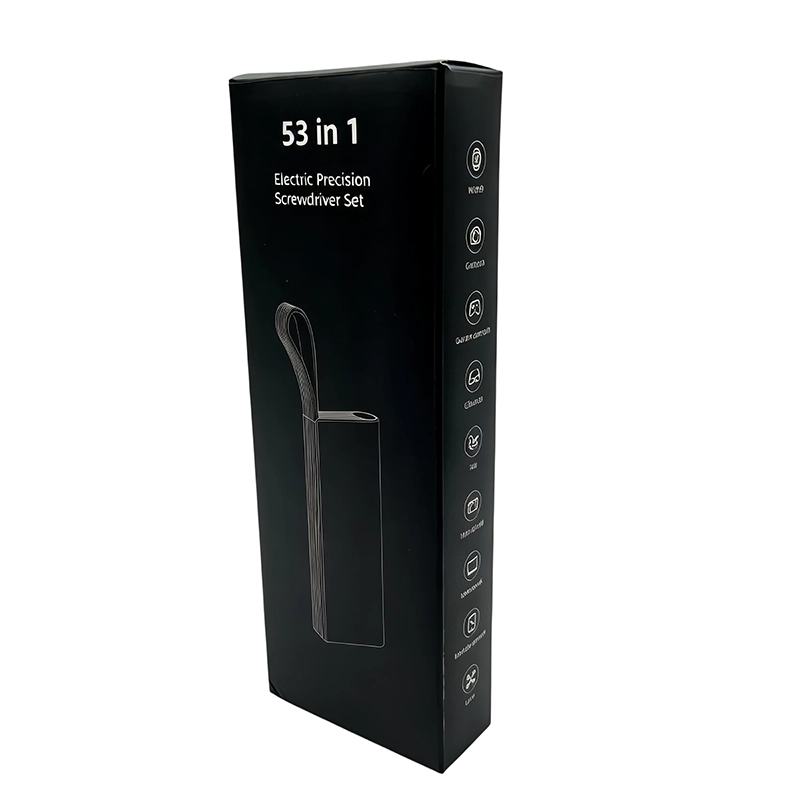
A rechargeable screwdriver's lithium battery design generally needs traceable UN 38.3 test-summary evidence before transport, but an SDS or MSDS is a different record and is not proof of those tests. Required packing, marks, labels and shipment documents depend on the exact battery, watt-hour rating, installed or packed arrangement, route, mode and carrier.
UN 38.3 test summary for a rechargeable screwdriver
A UN 38.3 test summary is a structured record that identifies the lithium cell or battery design, manufacturer, test laboratory, report, model and test results required by subsection 38.3 of the UN Manual of Tests and Criteria. For a rechargeable screwdriver, buyers must link that battery design to the exact battery installed in or packed with the ordered tool.
A rechargeable screwdriver contains a battery-powered product and a transport decision. Buyers should not begin by asking only for an MSDS. Begin with the exact tool model, battery manufacturer and model, chemistry, nominal voltage, watt-hour rating, cell arrangement, whether the battery is installed or packed separately, package quantity, origin, destination, mode and carrier. Those facts determine the evidence and shipment process that must be reviewed.
UN 38.3, an SDS and a dangerous-goods or carrier document answer different questions. A UN 38.3 test summary identifies a lithium cell or battery design and the prescribed design tests. An SDS communicates chemical hazard and handling information where the applicable chemical framework or customer process requires it. Shipment markings, labels, declarations, air waybill statements and packing methods are route-specific logistics controls. One document does not automatically replace the others.
What does UN 38.3 mean for a rechargeable screwdriver?
Part III, subsection 38.3 of the United Nations Manual of Tests and Criteria covers design tests for lithium cells and batteries offered for transport. The practical buyer record is the test summary. It should identify the cell, battery or product manufacturer as applicable, contact information, test laboratory, unique report reference, report date, battery description and model numbers, tests and results, the Manual revision used and an authorised signatory.
The summary must connect to the battery in the screwdriver. Compare manufacturer, model, chemistry, mass, watt-hour rating, physical description and any assembled-battery references with the product specification and sample. A summary for a cell does not automatically prove that every assembled battery pack, protective circuit or later supplier revision is covered. Resolve the linkage with the battery manufacturer and responsible transport specialist.
A pass statement on a website, invoice or SDS is not the same as the structured test summary. PHMSA explains that manufacturers and subsequent distributors must make test summaries available for applicable lithium cells and batteries and that the summary provides traceability and accountability. Keep the summary accessible through the product lifecycle and change-control process rather than requesting it only when a shipment is stopped.
Is an MSDS or SDS the same as a UN 38.3 test summary?
No. MSDS is the older term commonly used for a Material Safety Data Sheet; SDS is the harmonised modern term. An SDS describes chemical or mixture hazards, handling, storage, disposal and emergency information under the applicable chemical system. It is not a certificate that a lithium battery design passed the transport tests in subsection 38.3.
IATA guidance states that an SDS is not the required evidence of UN 38.3 testing and is not, by itself, a transport document under the air dangerous-goods rules. A customer, carrier, forwarder, warehouse or local process may still request battery or product safety information. When an SDS is provided, check its product identity, revision, supplier, language and consistency with the battery actually shipped; do not relabel it as a UN test report.
The terminology in an RFQ should be precise. Ask for the UN 38.3 test summary by battery model. Ask separately whether an SDS is available and why it is required for the intended transaction. Ask the forwarder or qualified dangerous-goods party for the route-specific shipment document list. This separation prevents a generic PDF from being accepted simply because its filename contains lithium battery.
Which shipment details change the document and packing process?
First identify whether the lithium battery is contained in the equipment, packed with the equipment or shipped alone. Record the number of tools and batteries per package, watt-hour rating, package mass, state of charge where a rule or carrier limit applies, and whether spare or replacement batteries are included. A screwdriver with one installed battery cannot be treated as the same shipment configuration as a kit containing loose spare packs.
Next identify the transport mode and route. Air transport uses the current IATA Dangerous Goods Regulations together with state and operator variations; sea and road movements use their applicable frameworks and carrier procedures. Multimodal shipments may need handoffs between more than one regime. The seller and buyer should appoint a competent logistics party to decide the correct UN number and proper shipping name, packing instruction, quantity limits, marks, labels and documents.
Carrier requirements can be more restrictive than a general regulatory summary. Confirm acceptance before production pack-out is frozen, particularly for air shipments, consolidations and e-commerce fulfilment. Record the carrier, service level, route, packaging revision and person who approved the shipment plan. Do not promise DDP or an air service until the battery configuration has been accepted by the responsible logistics chain.
How can buyers verify battery-to-tool traceability?
The approved product record should name the tool, battery pack, cell source where controlled, protection board, nominal voltage, rated capacity and watt-hour value. Photograph or record model labels on the sample where appropriate. Match that identity to the test summary and to the production bill of materials. The report should not be accepted only because the nominal capacity looks similar.
At incoming inspection, confirm the battery supplier and model against the approved record. A substitute cell, protection circuit, wiring arrangement, enclosure or assembly method can change safety and transport questions. The change-control workflow should require engineering, compliance and logistics review before production uses a replacement. If the relationship to the tested design cannot be demonstrated, mark the shipment unresolved instead of assuming continuity.
At final inspection, confirm that the ordered battery count, installed or packed arrangement, labels, manual, retail pack and export carton match the approved shipment plan. Reconcile the invoice and packing description with the physical goods. Keep the test summary accessible, but do not treat its availability as proof that packaging, marking and declarations were prepared correctly for this shipment.
What should an importer request before booking transport?
Request the exact product and battery specification, battery watt-hour calculation, UN 38.3 test summary, available SDS or battery safety information, package configuration, battery count, retail and export packaging drawings, carton dimensions and weights, proposed transport classification, marks and labels, and any draft declaration or waybill statement required by the logistics provider. Ask who prepared and approved each item.
Give the forwarder time to review the real package, not just a product photograph. Provide the origin, destination, airports or ports where known, route, carrier, service and commercial terms. If the shipment includes several tool models or battery designs, create a separate line for each configuration and avoid using one test summary as a blanket attachment.
How should buyers compare the test summary with production files?
Start with the identification fields, not the pass result. Transcribe the battery manufacturer, battery name or model, physical description, mass, watt-hour rating and report reference from the summary into the controlled product record. Compare those fields with the approved battery label, engineering specification, bill of materials, sample and purchase order. If the summary identifies only cells, ask for the documented relationship between those cells, the assembled battery and its protection system.
Next, review dates and accountability. The summary should identify the test laboratory, report number and date, the Manual edition or amendments used and the authorised signatory. Confirm that the source is the battery manufacturer or a party able to explain the product relationship. A cropped page, spreadsheet transcription or marketplace screenshot should not replace the complete structured summary supplied through a traceable channel.
Record differences as questions rather than editing the document. A trade name may differ from an engineering code, or the product label may show rounded capacity while the controlled specification uses rated energy. Those differences can sometimes be resolved with a manufacturer declaration and technical records, but the buyer should not invent the link. Escalate unresolved manufacturer, model, energy or construction differences to the responsible transport professional before booking.
Finally, sample the production records. Check that incoming inspection and assembly records use the approved battery code, and that final pack-out shows the same installed or packed arrangement given to the logistics party. Store the test summary reference with the product revision and approved shipment configuration. This makes a later repeat order reviewable without assuming that a document received for an earlier battery remains valid after a sourcing or packaging change.
What should change control cover?
Battery sourcing changes are common commercial events but they cannot be hidden inside a purchasing substitution. Record the previous and proposed battery model, manufacturer, cells, protection circuit, dimensions, capacity, energy, label, assembly and applicable test-summary linkage. Confirm whether product, charging, transport, manual or package evidence must be updated before approval.
Packaging changes also matter. Adding a spare battery, moving a battery outside the tool, increasing package quantity, changing inner protection or changing an air service can alter the logistics decision. Treat the shipment configuration as a controlled deliverable with its own revision, just like product artwork or a bill of materials.
Which buyer mistakes delay lithium tool shipments?
Typical failures include requesting only an MSDS; receiving a test summary for a different battery; omitting watt-hour and packing information from the RFQ; assuming a test summary must travel as a paper attachment in every shipment; ignoring carrier variations; changing the battery supplier after sample approval; adding spare batteries without a new review; and booking air freight before the package is checked.
A safer workflow is evidence first, shipment decision second and pack-out verification third. The buyer confirms the battery identity and test-summary linkage, a competent logistics party defines the route-specific controls, and production builds the approved package. This division of work produces a traceable file without pretending that one supplier document answers every transport question.
UN 38.3, SDS and shipment records serve different purposes
| Record | Primary purpose | Buyer verification | Common mistake |
|---|---|---|---|
| UN 38.3 test summary | Traceable summary of lithium design tests | Battery model, manufacturer, report, laboratory, tests, results and signature | Accepting a generic pass statement or another battery model |
| SDS or MSDS | Chemical hazard, handling and emergency information where applicable | Supplier, product identity, revision, language and consistency | Treating the SDS as proof of UN 38.3 testing |
| Shipment classification and packing decision | Define route-specific handling for the actual package | Installed/packed/standalone status, Wh, counts, mode, route and carrier | Using one decision for every package or transport mode |
| Marks, labels and declarations | Communicate and declare the shipment as required | Current format, placement, package data and accountable preparer | Copying old artwork without checking the current route |
| Product and battery change record | Keep production linked to approved evidence | Old/new battery, pack, cell, protection circuit and approval | Substituting a battery because voltage and capacity look similar |
- Identify the exact tool, battery manufacturer and model, chemistry, voltage, capacity and watt-hour rating.
- State whether the battery is contained in equipment, packed with equipment or shipped separately.
- Match the UN 38.3 test summary to the battery design and ordered production revision.
- Request SDS or safety information separately and never use it as a substitute for the test summary.
- Give the qualified logistics party the route, mode, carrier, quantity, package and battery-count data.
- Approve the required packing, marks, labels and shipment documents before mass pack-out.
- Control battery, protection-board, spare-battery and packaging changes after sample approval.
- Reconcile the final invoice, packing list, package and battery evidence before booking release.
- View the referenced XOENAEN electric-53 product →
- Start with the electric screwdriver compliance-document pillar →
- Request the exact model document pack →
- Review the public evidence boundary →
- Check battery retirement and handling boundaries →
- Plan packaging drop and vibration evidence →
- Review OEM battery and packaging decisions →
- Send the shipment configuration for review →
Does every rechargeable screwdriver need a UN 38.3 test summary?
Lithium cells and batteries offered for transport must be evaluated under the applicable transport rules, and manufacturers or distributors must make the relevant test summary available where required. Verify the exact battery design and shipment context with a qualified logistics party rather than relying on the tool category alone.
Is an MSDS enough to prove UN 38.3 compliance?
No. An SDS or MSDS communicates hazard and handling information; it is not the structured test summary showing that the identified lithium battery design completed the subsection 38.3 tests.
Must the UN 38.3 test summary be placed inside every shipment?
Not necessarily. Official guidance focuses on making the summary available, while particular states, carriers or customers may impose their own process. Confirm the current route and carrier requirements before shipping.
Can one test summary cover several screwdriver models?
Only when each tool can be demonstrably linked to the battery design covered by the summary and no relevant pack or configuration difference breaks that linkage. Record the model, battery and change-control relationship rather than assuming coverage from capacity alone.
What changes can trigger a new battery-transport review?
A different cell or battery supplier, protection circuit, pack assembly, watt-hour value, spare battery, installed-versus-packed arrangement, package quantity, route, mode or carrier can reopen the review. Record the change before production or booking.
Who decides the correct marks, labels and declarations?
The shipper and qualified dangerous-goods or logistics parties should determine the current requirements from the actual battery and package, route, mode and carrier. The manufacturer provides accurate product and battery evidence; it should not guess the transport decision.
What information should a buyer send with the document request?
Send tool and battery models, chemistry, voltage, capacity and Wh, battery count, installed or packed arrangement, package quantity and dimensions, origin, destination, mode, carrier and requested delivery term.