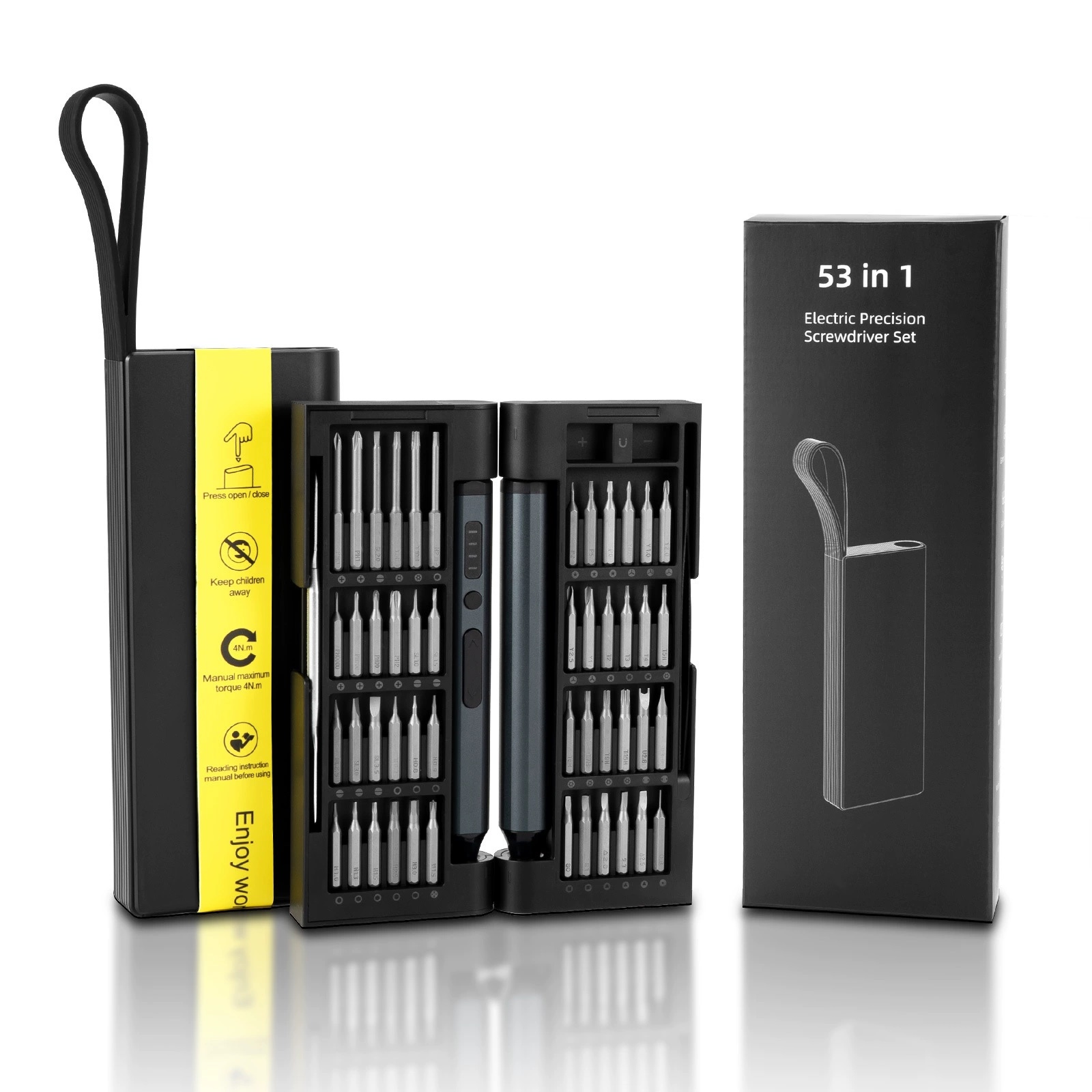

Electric screwdriver compliance documents depend on the exact model, battery, charger, destination, sales channel and importer role. Freeze the supplied configuration first, then map applicable product rules, declarations, test evidence, labels, battery-transport records and customs documents. Verify every file's legal entity, model scope, revision, issuer and date before approving artwork or shipment.
Electric screwdriver compliance document set
An electric screwdriver compliance document set is a controlled, market-specific group of product identity records, regulatory applicability decisions, conformity evidence, labels and instructions, battery-transport records and import or customs documents tied to one exact saleable configuration. It is not a universal folder that automatically applies to every screwdriver model or country.
Import documentation should start with a frozen product description, not a list of familiar logos. Record the tool model and revision, whether it is rechargeable, the battery design and watt-hour rating, charging input, supplied charger or cable, radio functions if any, accessory pack, brand owner, destination country and sales channel. These facts determine which product, chemical, battery, transport, labelling and customs questions need qualified review.
A buyer also needs a responsibility map. The manufacturer, brand owner, importer, authorised representative, fulfilment provider, distributor and online seller may have different duties. A document supplied by a factory does not automatically complete the importer's obligations, and a document prepared for one legal applicant, model family or market cannot be assumed to cover another order.
What decides the compliance document list?
The destination market comes first because product rules, customs nomenclature, language duties and economic-operator requirements are jurisdiction-specific. The second decision is the exact saleable configuration. A low-voltage rechargeable driver sold with a cable is not automatically the same regulatory article as a set bundled with a mains charger, a radio module, a spare battery or a different electronic controller.
The third decision is the route to market. Consumer retail, professional supply, an e-commerce listing and an industrial component project can create different information and contractual needs. For European sales, the buyer should map applicable Union harmonisation rules, general product-safety duties, substance restrictions, battery requirements and national language expectations instead of treating the word Europe as one document field.
Finally, define the evidence date and change-control point. A model name printed on a report is useful only when the tested or assessed construction can be connected to the ordered revision. Changes to the battery, PCB, charger, enclosure, motor, supplier, bill of materials or intended use may require a new applicability review or updated evidence.
Which records belong in an electric screwdriver import file?
Begin with commercial identity records: the quotation, legal company name, product brand, exact model, revision, product description and complete pack-out. Add the approved specification, bill of materials or controlled configuration summary, photographs, instruction and warning master copy, label artwork and packaging revision. These records establish what is actually being imported; they are not themselves independent conformity evidence.
Next, create an applicability record for the destination. It should name the product features reviewed, the relevant legislation or regulatory framework, the accountable economic operators and the reason each evidence item is requested. Where CE marking is applicable in the European Union, the file may include the EU Declaration of Conformity and supporting technical documentation or reports required by the applicable legislation. CE is not a general certificate purchased for any product, and a voluntary certificate does not replace the legally required conformity process.
For electrical and electronic equipment within scope, RoHS work should connect the exact product and its constituent materials or components to the applicable restriction and evidence process. A supplier declaration, material record or laboratory report must be evaluated for scope, model linkage and current revision. A RoHS logo in artwork, a generic statement or a report for a visually similar tool does not establish that the ordered configuration is covered.
Rechargeable products need a separate battery and transport branch. Record the cell or battery manufacturer, battery model, chemistry, watt-hour rating and how it is installed or packed. Request the applicable UN 38.3 test summary and shipment records required for the chosen mode, route and carrier. The companion guide on UN 38.3 and SDS explains why a battery test summary, an SDS and a shipper's transport paperwork are different records.
Customs and commercial files form another branch: commercial invoice, packing list, origin information where required, transport document, insurance or inspection records by contract, and the product data needed for tariff classification. The tariff code must be confirmed in the destination nomenclature from the complete product and set composition. A code shown on an old invoice is a research clue, not a universal classification decision.
Why is a certificate logo not enough?
A buyer should compare the legal applicant or manufacturer, brand, product name, exact model list, technical description, battery and charger, referenced legislation or standard, issuing or testing party, report number, date and any annexes. Check whether the document is a declaration, a test report, a certificate, a registration or a commercial statement. Those records have different purposes and should not be presented as equivalents.
For a CE-related claim, verify the applicable legal route rather than searching only for a document titled CE Certificate. Official EU guidance explains that the manufacturer is responsible for identifying applicable rules, completing the conformity process, compiling technical documentation and signing a Declaration of Conformity where required. It also warns that some voluntary certificates are not legally recognised for CE marking.
A model-scope review should end with a traceable conclusion: covered, not covered, or unresolved pending evidence. Record who made the review, which product revision was checked and which changes would reopen it. If the certificate or report refers to another brand or manufacturer, require documented linkage instead of relying on visual similarity.
What should buyers check for European sales?
For the EU, first determine which harmonised product rules apply to the exact screwdriver and bundle. Then review the corresponding technical documentation, declaration and marking requirements. RoHS scope should be checked independently. General Product Safety Regulation duties can add product identification, manufacturer and importer or responsible-person information, contact details, instructions, warnings, traceability and distance-sale information. Sector-specific rules may add or modify requirements.
Language and placement matter. Required information may need to appear on the product, packaging, accompanying document and online offer, depending on the rule and physical constraints. The buyer should define each destination country and sales channel before approving the source manual, translations and artwork. One English file should not be assumed to satisfy every European market.
Do not put an unverified CE, RoHS, recycling, battery or safety symbol on the sample merely to make the package look complete. Artwork approval should follow the applicability and evidence review. The final printed pack should be reconciled with the approved electronic files, product revision and responsible economic-operator details before shipment release.
How should buyers verify that production still matches the evidence?
Use the approved sample and controlled configuration as the bridge between evidence and production. Incoming inspection should identify critical components such as the battery, PCB, charging components, motor and labelled enclosure. In-process and final records should identify the batch and revision. A change request should state whether the proposed component or design change affects safety, performance, labelling, transport or conformity scope.
Before shipment, reconcile the purchase order, specification, sample, product markings, manual, retail packaging, carton data and requested evidence list. Spot-check document identifiers against the files delivered to the buyer. A clean pack-out does not cure a model-scope gap, and a valid report does not prove that the shipped construction stayed unchanged unless traceability connects them.
What belongs in the RFQ and document request?
Send the intended application, exact or candidate model, quantity, destination countries, sales channel, brand owner and importer information, battery and charging configuration, supplied accessories, packaging format, languages, shipment mode and requested delivery term. Ask the supplier to label each document by title, model scope, issuing or testing party, identifier, date and available underlying report.
Ask for unavailable or unresolved items to be marked openly. A useful project record separates available evidence, evidence that requires updating, buyer-owned work and items that are not applicable after a documented review. This is more reliable than a folder filled with generic PDFs whose connection to the order is unclear.
What does a useful supplier response look like?
A useful response mirrors the buyer's request line by line. For each record, it states available, update required, buyer input required, not applicable with rationale, or unresolved. It names the model and revision covered and provides a stable document identifier. This makes two supplier offers comparable even when their folders contain different filenames or when one project needs new market-specific work.
The response should also separate evidence already linked to the proposed configuration from work that depends on final choices. A manual translation cannot be approved before destination languages are fixed. Retail artwork cannot be released before the importer or responsible operator information is known. Battery transport planning cannot be completed from the screwdriver body alone. Listing these dependencies is a sign of document control, not a reason to replace them with generic statements.
Ask the supplier to identify commercial consequences without turning estimates into regulatory facts. New testing, report updates, translation, artwork revision or a different charger can affect sample timing, tooling, minimum quantities or production release. Those effects belong in the project plan and quotation. The legal applicability decision and evidence review should remain separately documented by the responsible parties.
During supplier comparison, score traceability as well as availability. A smaller but model-linked file with declared gaps can be more useful than a large collection that cannot be connected to the order. Keep the final selection record with the RFQ, supplier replies and approved configuration so purchasing can explain why the chosen evidence path was considered adequate and what must still close before shipment.
How should an importer organise the approval file?
Use an index rather than an unstructured download folder. One row should identify each required record, the exact model and revision it covers, the responsible legal entity, destination, language, issuing or testing party, document number, issue date, expiry or review date where relevant, owner and approval status. Link the row to the controlled file and preserve superseded versions so a later audit can reconstruct what was approved for the shipment.
Separate four decisions in that index. Applicable means the buyer has documented why a requirement belongs to this configuration and market. Available means a file has been received, not that it is adequate. Verified means its identity, model scope and content have been reviewed against the order. Approved means the accountable party has authorised that version for the stated use. A green available field must never be allowed to imply legal approval.
Create release gates for quotation, sample, artwork, mass production and shipment. The quotation gate confirms the market and requested evidence. The sample gate connects the physical configuration to controlled specifications. The artwork gate checks identifiers, economic-operator information, warnings and translations. The production gate checks that approved critical components remain in the bill of materials. The shipment gate reconciles the commercial description, package, labels and current document index.
Retain open questions next to the evidence instead of hiding them in email. For example, record that a report lists an earlier charger, that an importer address is pending or that a language review is assigned to the buyer. Each issue needs an owner, due date and release consequence. This allows sourcing teams to compare suppliers on traceability and response quality without converting an unresolved document into an unsupported certification claim.
Which buyer mistakes create the most risk?
Common failures include copying a compliance list from a competitor; treating CE as a universal third-party certificate; accepting a report for a similar model; confusing a battery SDS with a UN 38.3 test summary; approving artwork before operator details and languages are fixed; reusing an HS code from another set; and allowing a battery, charger or PCB change without reopening the evidence review.
The practical alternative is a configuration-first file with accountable decisions. It gives purchasing, engineering, packaging, logistics and the importer the same product definition. It also makes an RFQ more comparable because every supplier must respond against the same market, model and evidence boundary rather than a vague request for all certificates.
Document type, buyer check and evidence boundary
| Record type | What the buyer verifies | What it does not prove |
|---|---|---|
| Approved product specification | Exact model, revision, battery, charger, accessories and pack-out | Independent conformity or legal market access |
| Declaration or conformity record | Legal entity, legislation, model scope, standards, signature and date | Coverage of an unlisted model or later component change |
| Laboratory test report | Sample identity, method, results, report number, laboratory and dates | That every production lot matches the tested construction |
| UN 38.3 test summary | Battery design, manufacturer, report reference, tests and model linkage | All route-specific packaging, marking or shipper duties |
| Manual and label artwork | Languages, identifiers, operator details, warnings and revision | That the underlying claims or symbols are legally applicable |
| Invoice, packing and customs data | Saleable description, quantities, weights, origin and classification inputs | One universal HS, CN or HTS code for every destination |
- Freeze the exact tool, battery, charging, accessory and retail-package revision.
- Name every destination country, sales channel and accountable economic operator.
- Record why each law, document, mark, instruction and language is applicable.
- Match declarations, reports and certificates to the legal entity and exact model list.
- Separate battery test summaries from SDS and shipment-specific transport records.
- Review tariff classification in the destination nomenclature from the complete set.
- Approve manual and label artwork only after evidence scope and operator details are fixed.
- Reopen the review when the battery, PCB, charger, enclosure, supplier or intended use changes.
- View the referenced XOENAEN electric-53 product →
- Review the XOENAEN public evidence boundary →
- Request model-specific documents →
- Understand UN 38.3 test summaries and SDS →
- Use the wholesale electric screwdriver buyer guide →
- Verify a precision electric screwdriver manufacturer →
- Review the XOENAEN OEM process →
- Send a model and market document request →
Do all electric screwdrivers need the same compliance documents?
No. Document scope depends on the exact model and bundle, electrical and battery features, destination, sales channel and economic-operator roles. Freeze the configuration and complete a market-specific applicability review before requesting or approving documents.
Is a CE certificate enough to sell an electric screwdriver in Europe?
Not by itself. CE marking applies only where relevant EU legislation requires it, and the manufacturer is responsible for the applicable conformity process, technical documentation and Declaration of Conformity. A voluntary certificate or logo does not replace that work.
Does a RoHS report for a similar screwdriver cover my model?
Do not assume so. Compare the legal entity, model list, materials or components, sample description, report number, method and date with the ordered revision. Require documented linkage when the report uses another model, brand or bill of materials.
Should labels be approved before compliance documents?
Approve layout drafts if useful, but do not release final artwork until required symbols, operator details, identifiers, warnings, languages and claims have been justified for the exact model and market.
Does the supplier take over the importer's responsibilities?
No. The supplier can provide product and evidence records, but the importer and other economic operators retain the duties assigned to them by the destination rules. Record who owns each review, filing and market action.
Can one HS code be used for every electric screwdriver set?
No universal conclusion should be made. Classification depends on the product's characteristics, power source, principal function, set composition and destination nomenclature. Confirm the current code with the relevant customs source or qualified adviser.
What should I send XOENAEN for a document review?
Send the candidate model, revision, battery and charger arrangement, accessories, target countries, sales channel, brand and importer details, quantity, packaging languages, shipment mode and the document list requested by your compliance or logistics team.