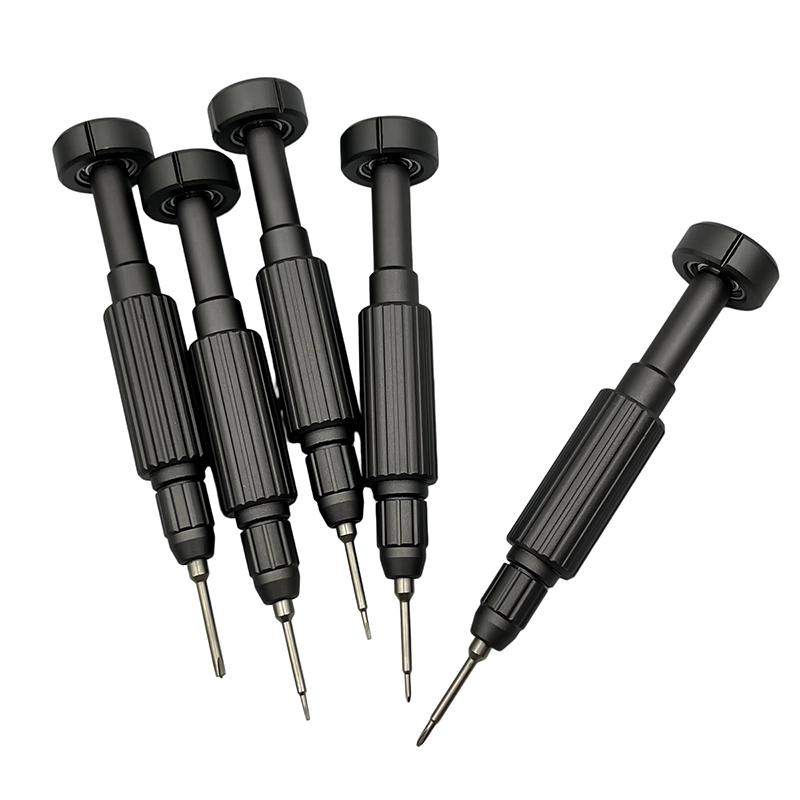
Neither handle diameter is best for every task. A slim handle supports fingertip control and access on tiny fasteners, while a larger handle can reduce grip effort and provide more leverage. Match diameter to screw size, required feedback, access, glove use, and the operator population. Do not compensate for a poor bit fit by choosing a handle that applies more torque.
Screwdriver handle diameter
The cross-sectional grip size that influences finger posture, leverage, access, pressure distribution, rotation control, and perceived resistance during manual fastening.
What makes this manual screwdriver task different?
Small fasteners often need little torque but high alignment sensitivity. A very narrow handle may fatigue some users, while a broad handle can hide resistance changes or collide with nearby components. Texture, length, cap geometry, and user hand size interact with diameter. The first decision is therefore not how much force the handle can deliver, but whether the service task, device condition, and operator authorization are clearly understood. Keep the manufacturer’s instructions, the actual fastener, and the surrounding parts in view before selecting a bit.
A manual driver gives useful tactile feedback only when the workpiece is supported and the tip remains fully engaged. For product buyers, repair technicians, training labs, and OEM tool developers, that means treating access, visibility, screw identity, and reassembly records as part of the tool choice rather than as optional bench habits.
Which technical factors matter most?
Evaluate grip force, pinch versus power grip, wrist posture, rotation angle, surface texture, glove condition, shaft axis, access envelope, and the highest appropriate hand load. Test representative operators and fasteners rather than selecting a handle from appearance or one person’s preference. Evaluate the complete installed system: handle, cap, holder, bit, fastener, access path, and work support. A premium material name or a high accessory count cannot compensate for partial recess contact or an unsafe service sequence.
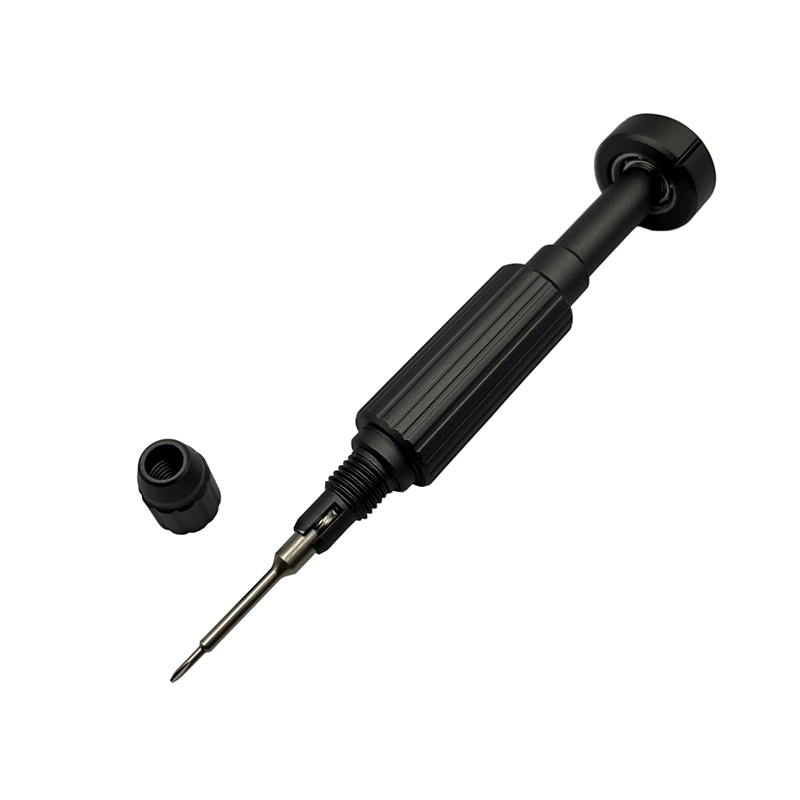
For precision screwdriver handle diameter, any drawing, service manual, torque specification or safety rule takes priority over general hand-tool guidance. Record the exact model, the condition described by a procurement team may choose the largest comfortable handle during a short trial and miss that it makes delicate plastic-boss screws easier to overload. the opposite error is a micro handle that forces excessive pinch grip during longer service work. and the configuration used by product buyers, repair technicians, training labs, and OEM tool developers. A revision can change fastener length, cable routing, sealing or authorized access, so the retained record must identify the actual article-specific task.
What workflow keeps the repair controlled?
1. Define the target screw range, access space, work duration, user population, and any glove or contamination conditions. This preparation stage prevents the screwdriver from becoming the first tool used on an unidentified joint.
2. Compare at least two handle diameters using identical bits and fixtures; record alignment errors, task time, perceived effort, slips, and over-tightening events. Place each removed fastener into a position-based map immediately rather than relying on memory or one mixed container.
3. Review the weakest joint and smallest recess, choose the handle that preserves feedback, and state when a different driver or torque-controlled tool is required. Final inspection should confirm the joint, surrounding parts, and complete device function required by the manufacturer; a closed case alone is not proof of a successful repair.
How should buyers compare a manual screwdriver set?
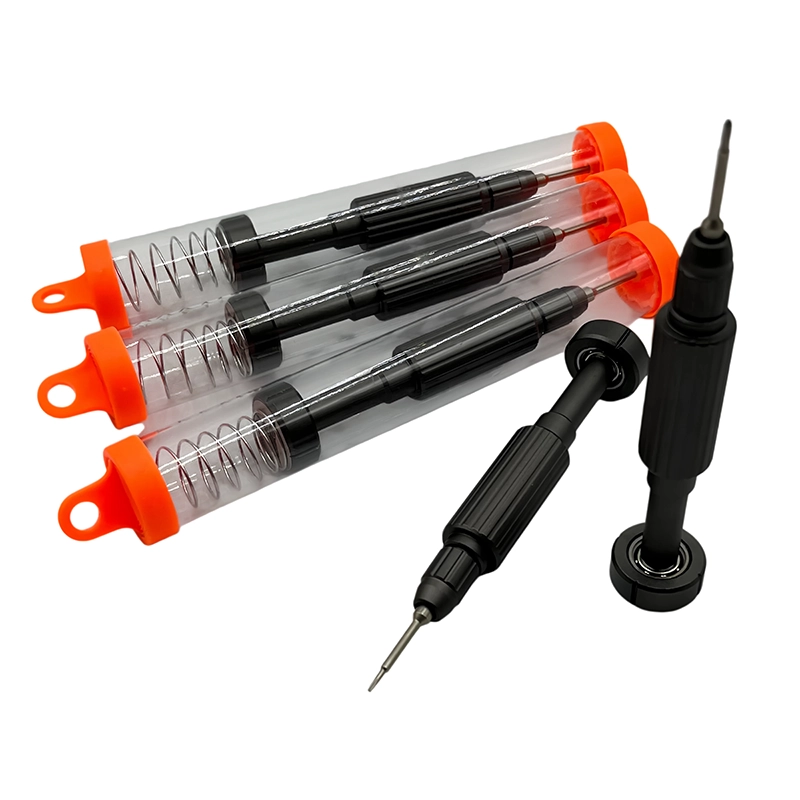
Compare candidates on verified profile fit, working reach, installed-bit stability, handle access, cap behavior, storage, labels, replacement support, and performance on representative fasteners. OEM buyers should specify the operator, task duration, access, and joint range, then approve a physical sample. Add measured handle dimensions, surface finish, cap behavior, cleaning guidance, and intended-use limits to the product record.
For a wholesale or private-label precision screwdriver handle diameter project, freeze the bit map and case layout around this recommendation: OEM buyers should specify the operator, task duration, access, and joint range, then approve a physical sample. Add measured handle dimensions, surface finish, cap behavior, cleaning guidance, and intended-use limits to the product record. Link the physical 800 single-piece precision screwdriver sample, specification, product images, packaging text and the task-specific inspection criteria to one revision so the claim remains tied to the configuration that will ship.
What failure signs mean stop rather than push harder?
A procurement team may choose the largest comfortable handle during a short trial and miss that it makes delicate plastic-boss screws easier to overload. The opposite error is a micro handle that forces excessive pinch grip during longer service work. The operator should preserve the remaining screw geometry and surrounding device instead of converting uncertainty into more force.
Reject a handle choice when it prevents square access, causes frequent regripping, encourages force beyond the joint limit, creates pressure points, or performs poorly for a significant part of the intended user group. Document the condition when the job is handed off. A clear stop rule protects the customer’s device and gives a qualified technician better options than a head damaged by repeated attempts.
How does this apply in a real repair?
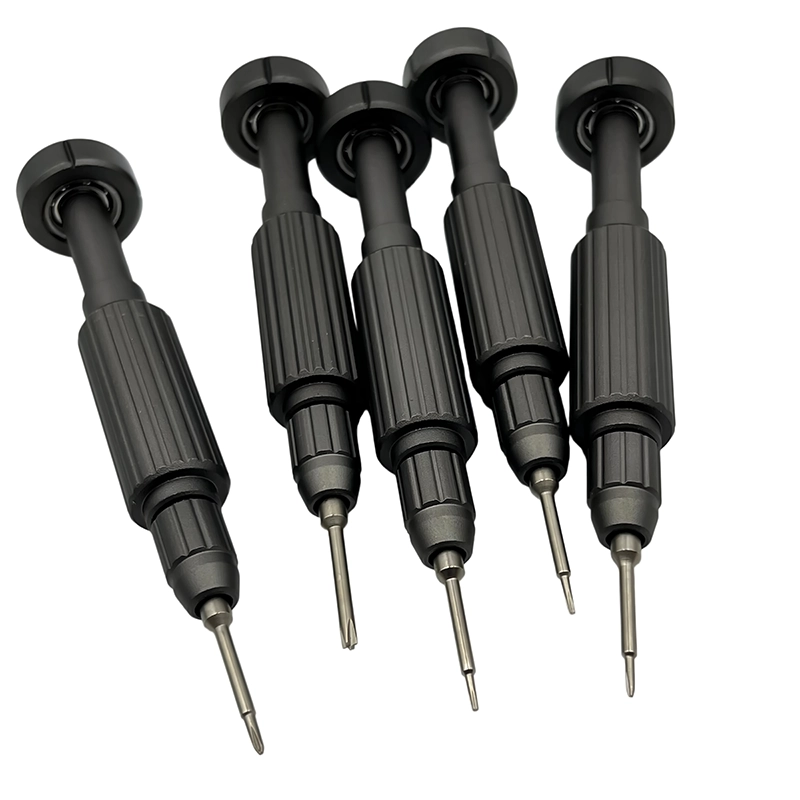
For phone and camera work, a slim or medium rotating-cap handle often helps alignment. For small appliance covers with more resistance, a larger manual driver may be appropriate—but only with the exact bit and joint-specific stop. A kit can include more than one handle role. Use the actual device instructions and representative hardware to confirm the method. Similar-looking screws can have different length, pitch, shoulder, coating, sealing, or grounding roles.
The buying decision for precision screwdriver handle diameter should cover evaluate grip force, pinch versus power grip, wrist posture, rotation angle, surface texture, glove condition, shaft axis, access envelope, and the highest appropriate hand load. test representative operators and fasteners rather than selecting a handle from appearance or one person’s preference. without encouraging force outside the defined task. Keep an exception path for the condition in reject a handle choice when it prevents square access, causes frequent regripping, encourages force beyond the joint limit, creates pressure points, or performs poorly for a significant part of the intended user group.; that path may require a different bit, opening tool, specified torque method, rated electrical tool, battery process or qualified specialist rather than a larger general-purpose set.
What does the XOENAEN catalogue add to the decision?
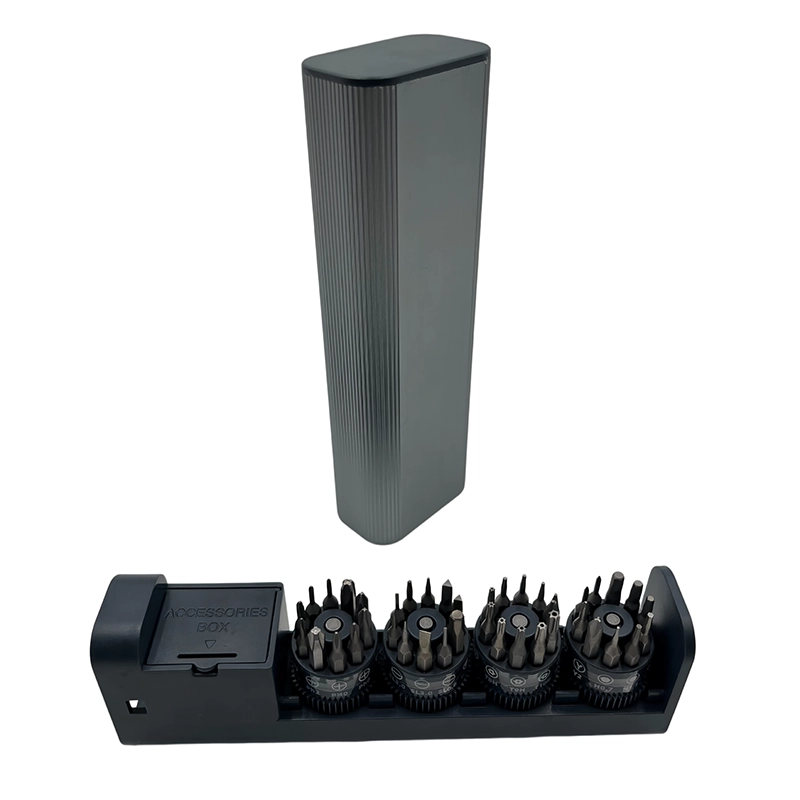
The current XOENAEN catalogue includes the 800 single-piece precision screwdriver, the real product reference used for precision screwdriver handle diameter. Its photography and model record can anchor the buyer brief for for phone and camera work, a slim or medium rotating-cap handle often helps alignment. for small appliance covers with more resistance, a larger manual driver may be appropriate—but only with the exact bit and joint-specific stop. a kit can include more than one handle role. Catalogue evidence does not establish universal device compatibility; the actual fastener, access path, stop rule and order-specific sample still determine approval.
Handle diameter changes the mechanical advantage and sensory resolution at the same time. The design target is not maximum comfort or torque alone, but enough control to perceive the joint’s stop before damage. Share target devices, fastener photos, required profiles, access constraints, market, quantity, packaging, and verification needs through the XOENAEN project enquiry so the product and evidence can be aligned before production.
Slim versus larger precision handles
| Option or condition | Best use | Main caution |
|---|---|---|
| Slim handle | Fine fingertip control and tight access | Higher grip effort for resistant screws |
| Medium handle | Balanced control and comfort | May not fit the narrowest recesses |
| Large handle | Lower grip effort and more leverage | Can hide small-joint resistance and overload threads |
- Define screw and torque range
- Measure the access envelope
- Test representative hand sizes
- Include glove conditions
- Record slips and over-tightening
- Specify a separate tool for high resistance
- 800 single-piece precision screwdriver product page →
- Browse manual screwdriver products →
- Plan an OEM or private-label project →
- Review XOENAEN manufacturing and quality →
- Read XOENAEN tool FAQ answers →
- Related guide: manual-screwdriver-rotating-cap-technique →
- Related guide: manual-screwdriver-vs-electric-for-delicate-electronics →
- How XOENAEN presents quality evidence →
Does a thicker screwdriver handle create more torque?
It generally makes leverage easier, but the actual joint limit and operator input still determine safe use.
Why are precision screwdriver handles often slim?
Slim handles support fingertip rotation and fit narrow access around small fasteners.
Can a handle be too small?
Yes. Excess pinch force, pressure points, and repeated regripping can reduce control and increase fatigue.
Should glove use affect handle selection?
Yes. Gloves change grip, diameter perception, texture, and fine control and should be part of representative testing.
How should OEM buyers compare handle sizes?
Use identical bits and representative joints and record access, errors, effort, time, slips, and over-tightening.
Can a larger handle fix a slipping bit?
No. More leverage on a poor fit usually increases recess damage; correct the bit and alignment first.