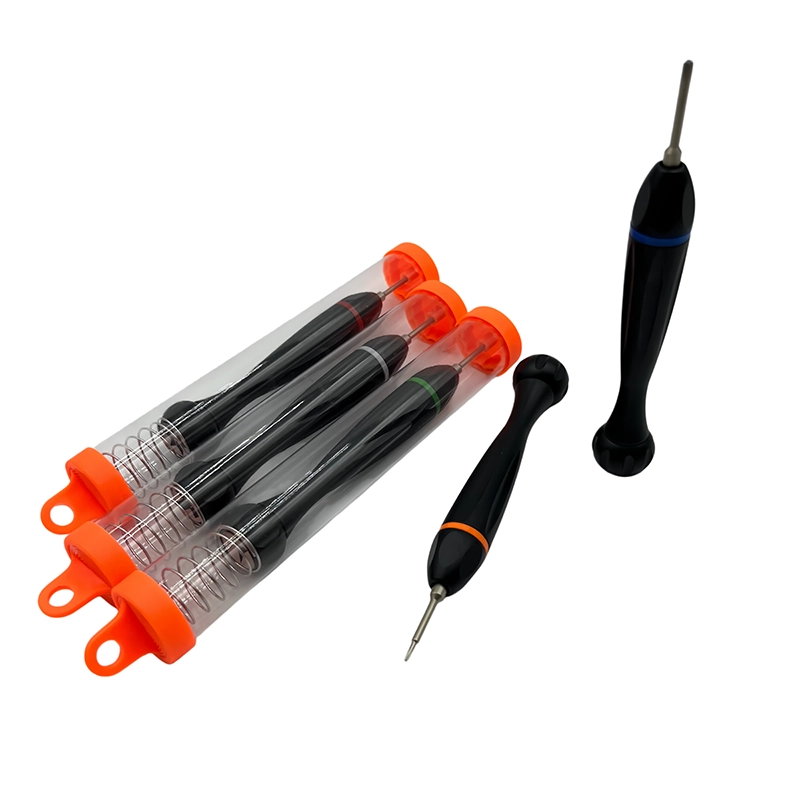
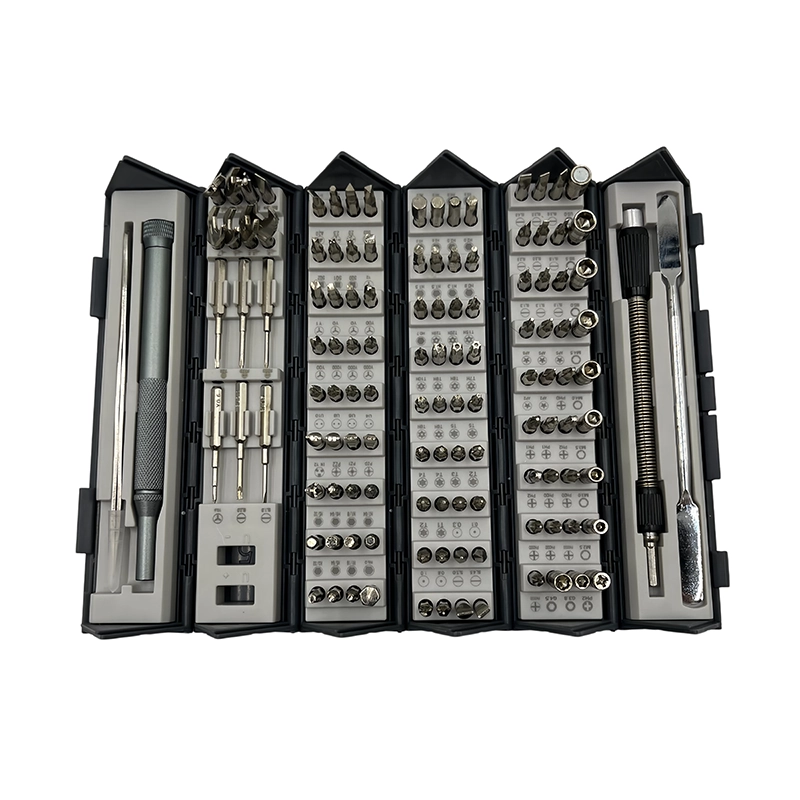
Choose a slim manual precision driver with exact small-bit fit, low wobble, and enough reach for recessed earcup or hinge screws. Headphones and charging cases contain fine wires, small batteries, magnets, and thin plastic bosses, so use a model-specific service sequence and light hand starts. Do not force adhesive joints or substitute a screwdriver for an opening tool.
Audio-device precision screwdriver
A hand driver and small-bit system used for fasteners in headphones, earcups, hinges, controls, and charging cases while preserving wires, batteries, and cosmetic housings.
What makes this manual screwdriver task different?
Audio wearables place fasteners close to drivers, magnets, microphones, battery cells, and fine enamel wires. Cosmetic surfaces are highly visible, and some joints depend on clips or adhesive instead of screws. The driver must approach cleanly without compressing an ear cushion, twisting a hinge, or trapping a wire on reassembly. The first decision is therefore not how much force the handle can deliver, but whether the service task, device condition, and operator authorization are clearly understood. Keep the manufacturer’s instructions, the actual fastener, and the surrounding parts in view before selecting a bit.
A manual driver gives useful tactile feedback only when the workpiece is supported and the tip remains fully engaged. For audio repair technicians, refurbishers, makers, and consumer-electronics service teams, that means treating access, visibility, screw identity, and reassembly records as part of the tool choice rather than as optional bench habits.
Which technical factors matter most?
Evaluate tip fit, slim-shaft access, cap rotation, bit retention, and the handle’s ability to apply very low, centered pressure. Battery-containing products require special care and manufacturer guidance. A swollen, damaged, hot, or leaking cell is a stop condition, not an invitation to continue disassembly with more force. Evaluate the complete installed system: handle, cap, holder, bit, fastener, access path, and work support. A premium material name or a high accessory count cannot compensate for partial recess contact or an unsafe service sequence.
For manual screwdriver for headphone repair, any drawing, service manual, torque specification or safety rule takes priority over general hand-tool guidance. Record the exact model, the condition described by common damage occurs when an almost-correct bit cams out on a visible hinge screw or when a long screw is returned to a shallow charging-case position. fine wires can also be pinched beneath a cover that appears to need more tightening. and the configuration used by audio repair technicians, refurbishers, makers, and consumer-electronics service teams. A revision can change fastener length, cable routing, sealing or authorized access, so the retained record must identify the actual article-specific task.
What workflow keeps the repair controlled?
1. Identify the model, disconnect charging, inspect the battery condition, remove cushions or trim only as documented, and record cable and hinge orientation. This preparation stage prevents the screwdriver from becoming the first tool used on an unidentified joint.
2. Map fasteners by earcup, side, hinge, or case layer; hold the assembly so driver pressure is supported without loading a speaker diaphragm or battery. Place each removed fastener into a position-based map immediately rather than relying on memory or one mixed container.
3. Route fine wires into their original channels, confirm microphone and button seals, start screws lightly, and inspect hinge movement and case closure before final seating. Final inspection should confirm the joint, surrounding parts, and complete device function required by the manufacturer; a closed case alone is not proof of a successful repair.
How should buyers compare a manual screwdriver set?
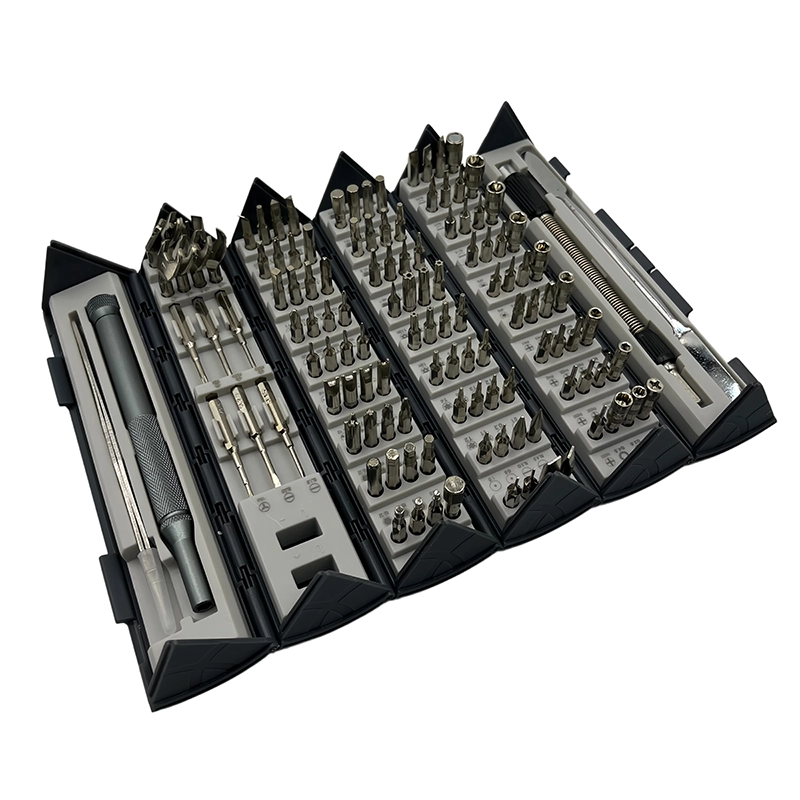
Compare candidates on verified profile fit, working reach, installed-bit stability, handle access, cap behavior, storage, labels, replacement support, and performance on representative fasteners. A repair kit should be defined by its verified model coverage, not by claiming universal audio compatibility. Include exact bit labels, a screw map, non-marring accessories where appropriate, battery warnings, and replacement-bit ordering information.
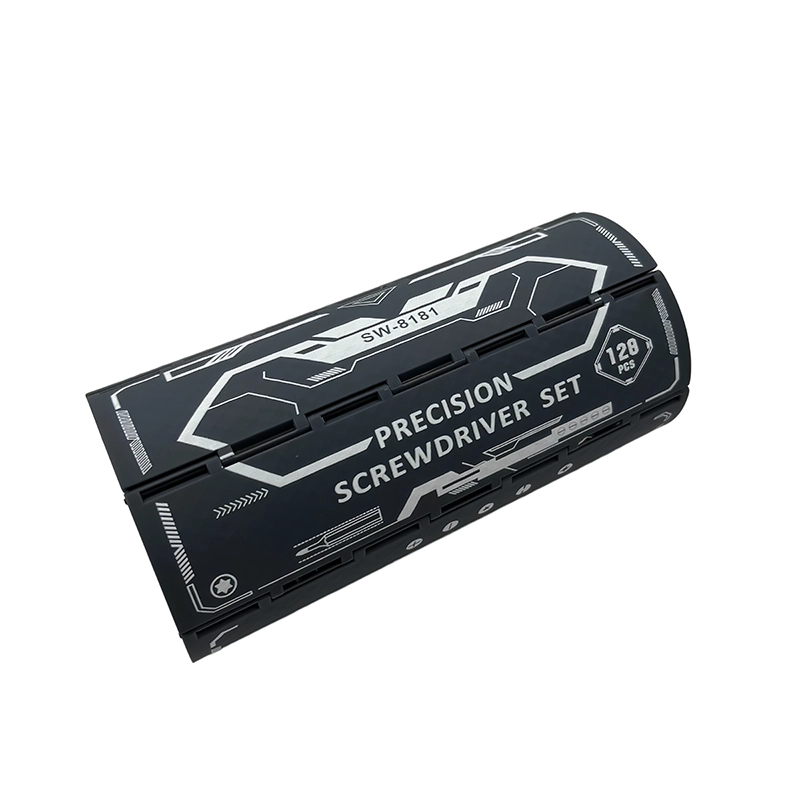
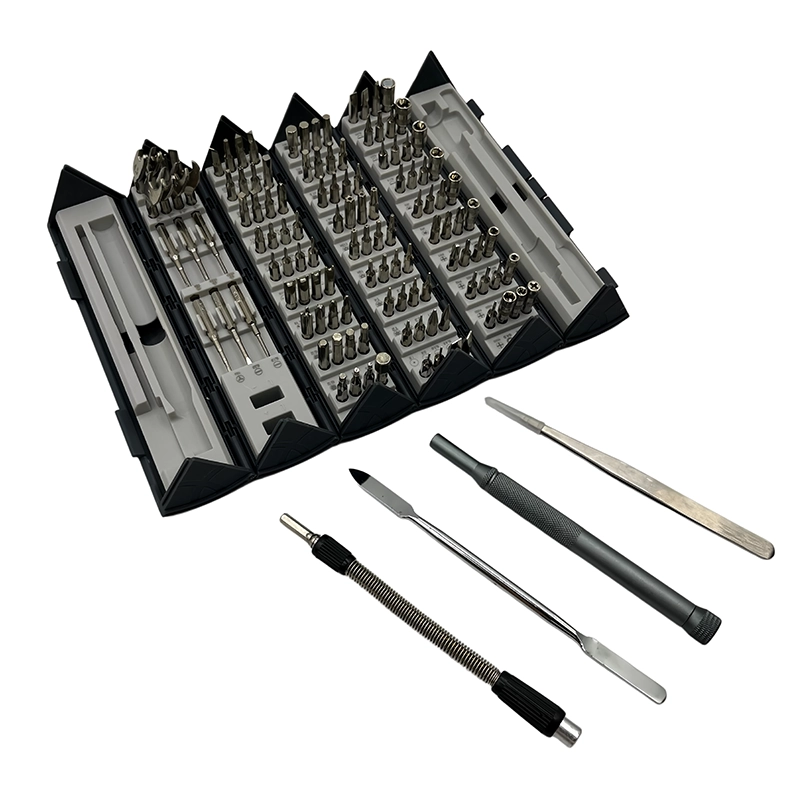
For a wholesale or private-label manual screwdriver for headphone repair project, freeze the bit map and case layout around this recommendation: A repair kit should be defined by its verified model coverage, not by claiming universal audio compatibility. Include exact bit labels, a screw map, non-marring accessories where appropriate, battery warnings, and replacement-bit ordering information. Link the physical 128-in-1 manual screwdriver set sample, specification, product images, packaging text and the task-specific inspection criteria to one revision so the claim remains tied to the configuration that will ship.
What failure signs mean stop rather than push harder?
Common damage occurs when an almost-correct bit cams out on a visible hinge screw or when a long screw is returned to a shallow charging-case position. Fine wires can also be pinched beneath a cover that appears to need more tightening. The operator should preserve the remaining screw geometry and surrounding device instead of converting uncertainty into more force.
Stop if a cell appears damaged, the enclosure warms, the cover resists with all documented fasteners removed, a wire crosses the joint, or the screw needs more than light alignment force to start. Document the condition when the job is handed off. A clear stop rule protects the customer’s device and gives a qualified technician better options than a head damaged by repeated attempts.
How does this apply in a real repair?
For an over-ear hinge repair, support both sides of the hinge before removing the fastener so spring or cable load does not twist the assembly. For a charging case, treat every shell layer as a battery-adjacent operation and verify the opening procedure before working past the visible screws. Use the actual device instructions and representative hardware to confirm the method. Similar-looking screws can have different length, pitch, shoulder, coating, sealing, or grounding roles.
The buying decision for manual screwdriver for headphone repair should cover evaluate tip fit, slim-shaft access, cap rotation, bit retention, and the handle’s ability to apply very low, centered pressure. battery-containing products require special care and manufacturer guidance. a swollen, damaged, hot, or leaking cell is a stop condition, not an invitation to continue disassembly with more force. without encouraging force outside the defined task. Keep an exception path for the condition in stop if a cell appears damaged, the enclosure warms, the cover resists with all documented fasteners removed, a wire crosses the joint, or the screw needs more than light alignment force to start.; that path may require a different bit, opening tool, specified torque method, rated electrical tool, battery process or qualified specialist rather than a larger general-purpose set.
What does the XOENAEN catalogue add to the decision?
The current XOENAEN catalogue includes the 128-in-1 manual screwdriver set, the real product reference used for manual screwdriver for headphone repair. Its photography and model record can anchor the buyer brief for for an over-ear hinge repair, support both sides of the hinge before removing the fastener so spring or cable load does not twist the assembly. for a charging case, treat every shell layer as a battery-adjacent operation and verify the opening procedure before working past the visible screws. Catalogue evidence does not establish universal device compatibility; the actual fastener, access path, stop rule and order-specific sample still determine approval.
In audio wearables, the correct screw torque cannot compensate for trapped wiring or a misaligned hinge. Alignment, cable routing, and full tip engagement must be confirmed before final hand seating. Share target devices, fastener photos, required profiles, access constraints, market, quantity, packaging, and verification needs through the XOENAEN project enquiry so the product and evidence can be aligned before production.
Audio repair driver formats
| Option or condition | Best use | Main caution |
|---|---|---|
| Single slim precision driver | Excellent control for one known profile | Limited across mixed product families |
| Organized multi-bit set | Covers hinges, cups, and cases | Requires disciplined bit selection |
| Large household screwdriver | Provides leverage | Poor access and excessive load for small bosses |
- List supported headphone and case models
- Confirm recessed screw access
- Inspect bit wobble and tip fit
- Plan battery stop conditions
- Protect cosmetic finishes
- Keep left and right parts separated
- 128-in-1 manual screwdriver set product page →
- Plan an OEM or private-label project →
- Review XOENAEN manufacturing and quality →
- Read XOENAEN tool FAQ answers →
- Related guide: screwdriver-set-for-connector-and-housing-repair →
- Related guide: manual-driver-for-small-product-assembly →
- Continue with the manual-screwdriver-studio-microphone-body-service topic →
- Related guide: How to Choose Manual Screwdriver Set Size from 12 to 148 Pieces →
Can I open an earbud charging case with a screwdriver?
Only remove documented screws with the correct bit. Adhesive and clips require the device maker’s opening method and suitable non-marring tools.
What should I do if the battery looks swollen?
Stop the repair and follow the manufacturer’s battery-safety instructions. Do not press, puncture, or continue disassembly around a damaged cell.
Why do headphone hinge screws strip?
They strip when the profile, size, alignment, or support is wrong. Fit the bit fully and support the hinge before turning.
Should left and right earcup screws be mixed?
No. Keep parts separated by side and position because length, finish, or thread engagement may differ.
How tight should an earcup screw be?
Tighten only until the joint is seated and operates correctly. Excess force can crack a boss or distort the hinge.
What bit count is enough for audio repair?
The needed count depends on the models serviced. Verified profiles and reach are more important than a high number on the package.