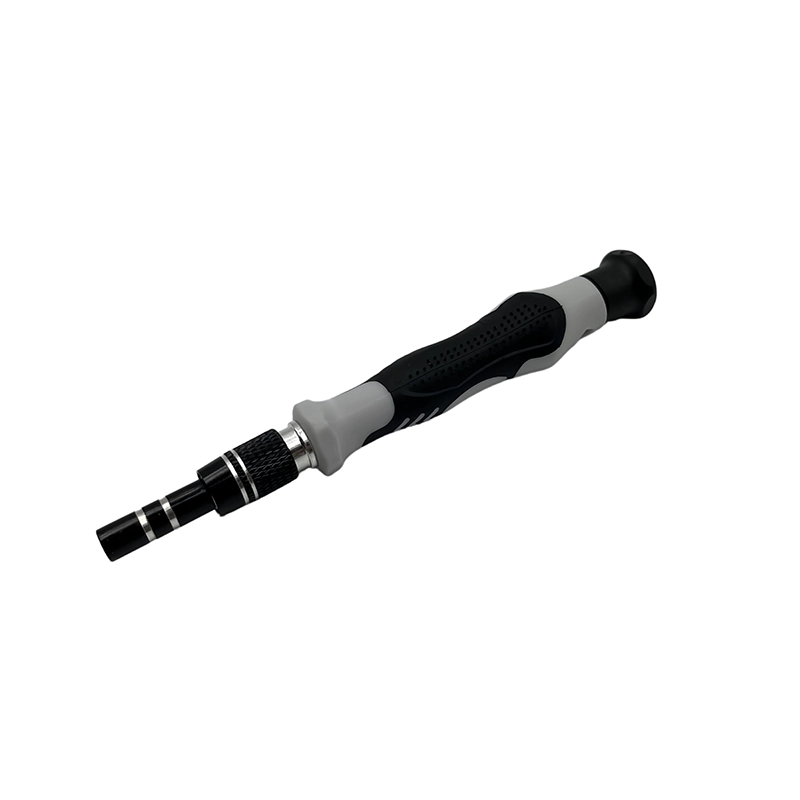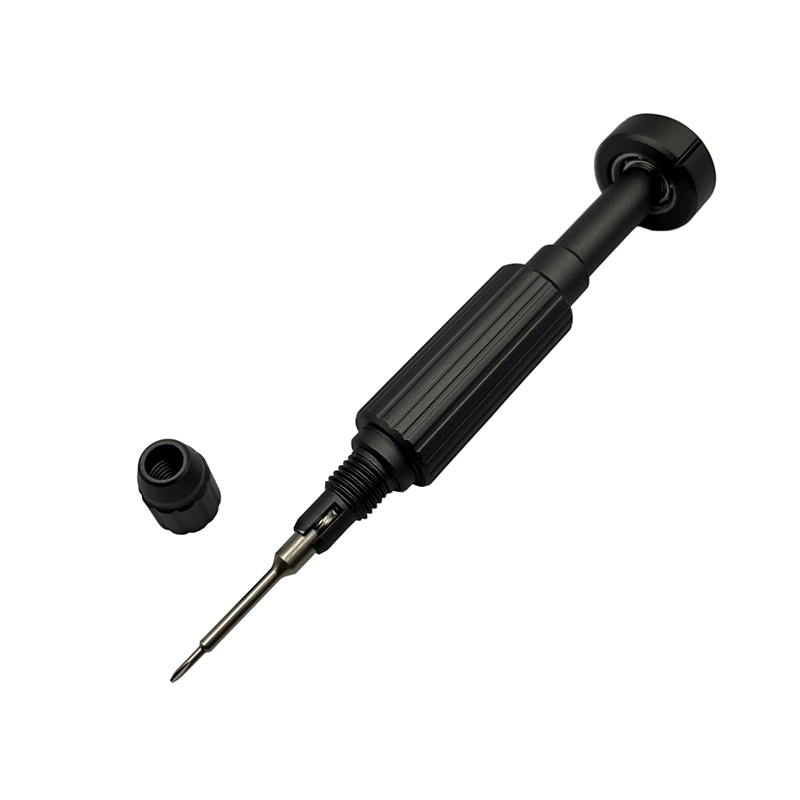
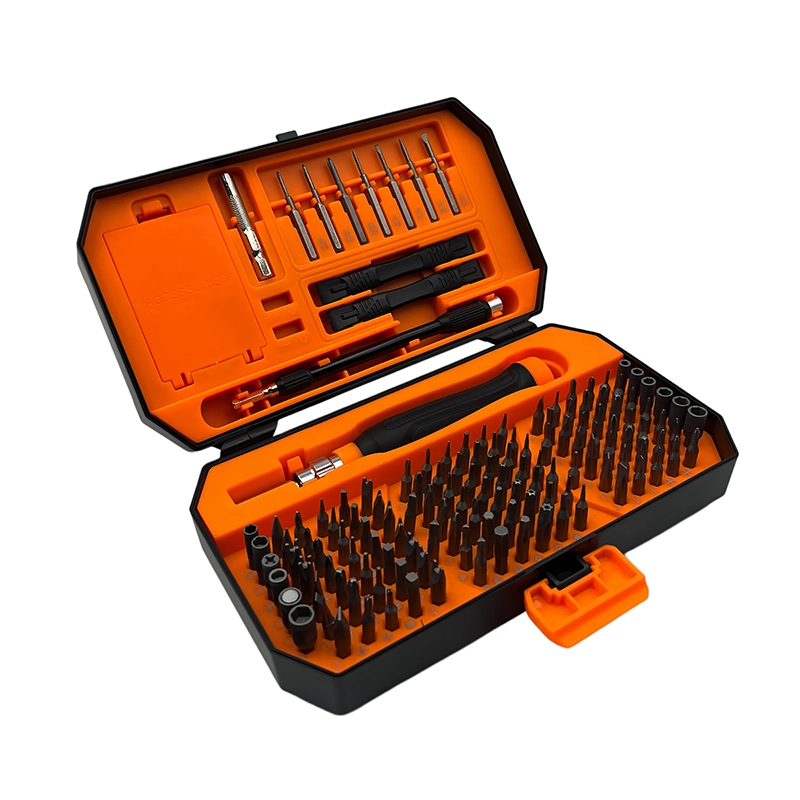
For portable-DAC headphone-jack board service, confirm the exact product, authorized service boundary, safe power state and fastener map before selecting a bit. Support the assembly, use a full-fitting tip, preserve each screw position and rebuild the non-fastener stack before seating hardware. Stop when fit, alignment or resistance changes, then verify every affected function through the maker's documented process.
portable-DAC headphone-jack board service manual screwdriver workflow
portable-DAC headphone-jack board service manual screwdriver workflow is a controlled process for defining the service boundary, matching a full-fitting bit, recording every hardware layer, rebuilding the complete joint stack, recognizing a stop condition and verifying affected functions without using extra hand force as a substitute for model-specific instructions.
What customer problem does portable-DAC headphone-jack board service actually solve?
Which manual screwdriver process protects a portable DAC's jack board, volume control, battery and metal enclosure? That question is narrower and more useful than asking whether a large manual screwdriver set can “repair” the entire product category. The fastener task begins only after the owner or technician has identified the model, preserved data where relevant and separated a mechanical joint from an electrical, optical, battery or software fault. Write the present symptom and the expected post-service check before choosing a bit. This prevents a visible screw from becoming a false diagnosis and gives the final inspection a clear purpose.
Work only within the maker's serviceable enclosure and module boundary. A manual driver can control covers, jack-board retainers and knobs; it cannot diagnose audio distortion, rework surface-mount connectors or make an unknown lithium battery safe. This boundary matters in European and North American repair markets because a product can contain ordinary screws beside parts that demand training, controlled disposal, calibration or maker authorization. A manual tool improves tactile feedback; it does not remove those obligations. If the current instructions, parts status or hazard controls do not support the requested operation, the honest answer is to stop or narrow the task rather than invent a broadly compatible repair route.
How is the fastened stack arranged in portable-DAC headphone-jack board service?
Compact DACs pack jack sockets, a USB connector, volume encoder, board standoffs, insulating film and sometimes a battery into an extruded metal case. End-cap screws may establish connector alignment, while internal screws can be shorter or use insulating washers. Treat that arrangement as a stack rather than a group of independent screws. Locators, washers, contacts, seals, spacers, films, cables and moving pieces establish the geometry before a fastener adds clamp load. Photograph the untouched stack from more than one angle and note which parts become free after each layer is removed. A two-dimensional tray is useful, but a layer label and removal step make it much harder to return a familiar-looking screw to the wrong depth.
During portable-DAC headphone-jack board service, observe what carries load and what merely covers or guides another part. The correct bit can still cause damage if the workpiece bends, the shaft touches an edge or the operator uses the screw to pull two misaligned components together. Place support near the joint, leave the second hand free to control the released part and keep magnetic pickup, loose hardware and metal debris appropriate to the electronics around the work zone.
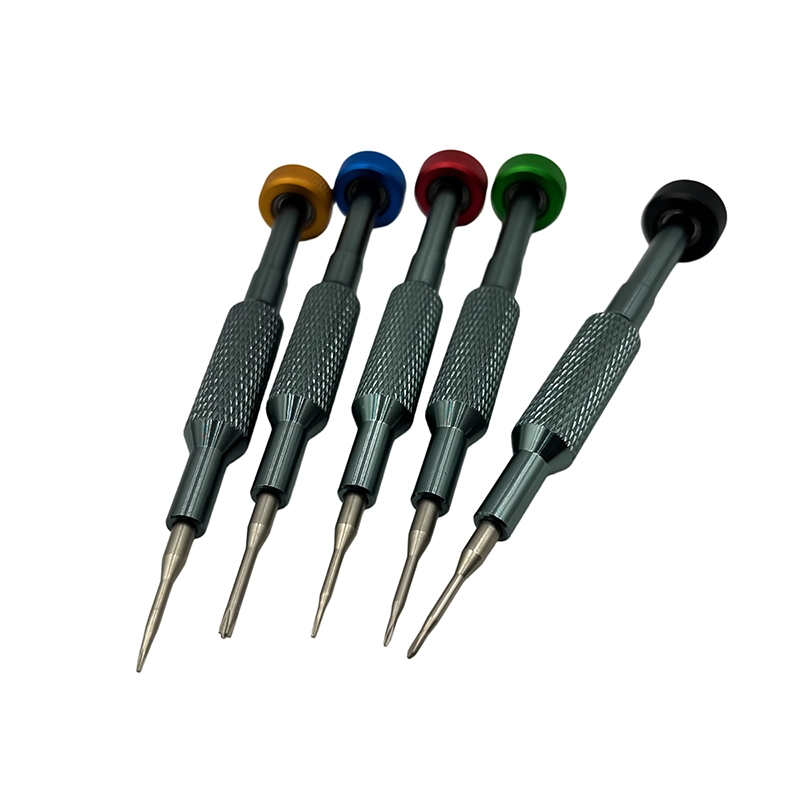
Which manual bit and handle fit portable-DAC headphone-jack board service?
For portable-DAC headphone-jack board service, start with the actual fastener, not a size remembered from a similar device. Clean and illuminate the recess, compare likely profiles under magnification and choose the tip that fills the shape at full depth with minimal rotational play. Confirm that the bit shoulder and holder clear surrounding surfaces through the useful turn. A longer bit helps only when it stays square; otherwise extra reach becomes extra lean and places one edge of the recess under a damaging load.
Handle diameter controls how quickly finger force becomes torque. For portable-DAC headphone-jack board service, a modest grip and free rotating cap usually make alignment easier than a high-leverage handle. Use enough downward force to keep a fully fitted bit seated, but never use pressure to compensate for a rocking tip. Magnetism may retain ferrous screws, yet it should be evaluated around sensors, magnets and loose metal. Record profile, working length, holder play and the stop response as one selection decision.
What preparation makes portable-DAC headphone-jack board service repeatable?
Disconnect every cable, power the unit down and isolate the battery if the procedure permits. Photograph both end caps, knob position, insulating layers and jack-board supports, then map enclosure, board and strain-relief screws independently under ESD controls. Preparation produces the reference needed for reassembly and for another person to audit the work. Take orientation photographs as well as close details, assign each fastener a position and keep hardware from adjacent modules in different rows. If the product has several revisions, use the full identifier rather than the retail family name. Revision mistakes create more rework than a small difference in the number of bits carried in the case.
Build the bench around the actual hazards and loose-part size. A stable padded fixture keeps the driver hand from also holding the product, while raking light reveals recess fit and trapped materials. Apply ESD controls around exposed boards and preserve the manufacturer's battery, mains, optical, adhesive and data rules. For portable-DAC headphone-jack board service, decide where the part will rest after its last screw is removed; that simple choice prevents cables, springs and unsupported covers from becoming the next failure.
What removal sequence controls portable-DAC headphone-jack board service?
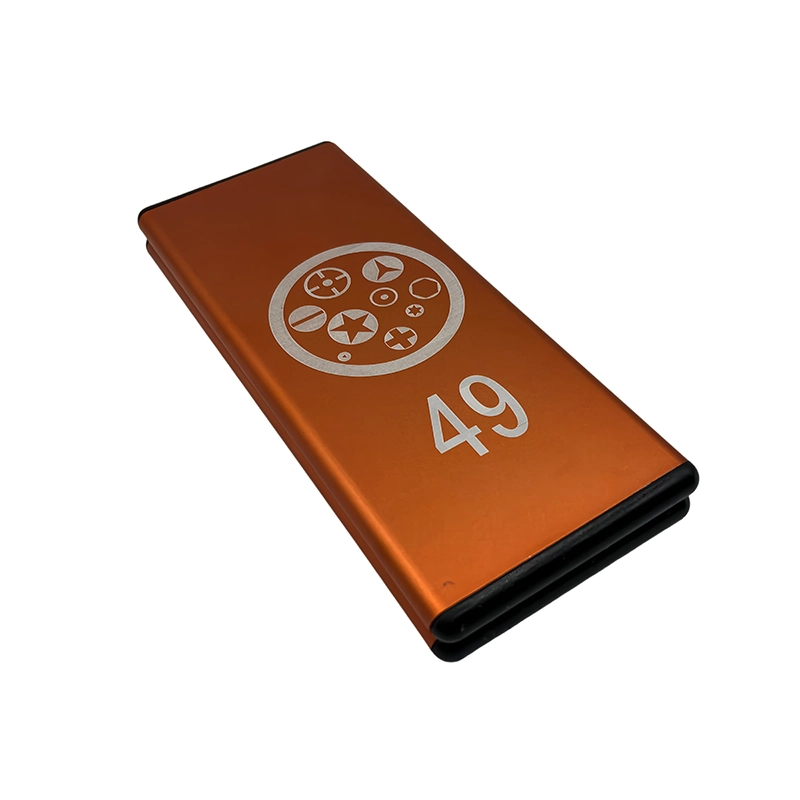
Pull knobs only by the documented method, support the board while end caps are released and slide a carrier without loading its connectors. Keep insulating washers with their original positions and prevent the driver shaft from scraping anodized edges. Breakaway should be smooth and deliberate. If a wide cover uses several positions, loosen them progressively so stored load does not move to one corner. Transfer the fastener directly to its map rather than creating a temporary pile. Before the last screw leaves, ask which part is about to move, what remains tethered and where it will be supported. This short pause is especially valuable in thin electronics whose shell can open farther than a flex cable allows.
Never “search” for a hidden screw with force. Recheck labels, feet, documented clips and the layer map if a part stays attached. During portable-DAC headphone-jack board service, a release that changes resistance, angle or alignment is information. Preserve it by stopping, photographing the condition and identifying the cause. A larger handle, improvised extractor, heat or chemical belongs to a separate approved recovery plan, not an automatic next step on a delicate assembly.
How should portable-DAC headphone-jack board service be rebuilt without screw force?
Restore films and washers first, align jacks and USB openings without screw pressure and seat the board on all standoffs. Start end-cap and board screws by hand, check control travel and alternate the final light seating. The practical rule is that the stack should reach its locators before the screwdriver supplies final seating. Restore cables, contacts, washers, seals and guides first, then place the cover or bracket and check its entire edge. Start each screw by fingertips or the lightest cap control. Back out immediately if resistance appears before normal engagement, because cross-threading and wrong-depth hardware can feel deceptively firm at the handle.
Across a broad or flexible part, alternate opposite positions so contact develops evenly. Do not fully tighten one corner while another is still floating, and do not use a screw to flatten a trapped cable, wrinkled film or distorted enclosure. In portable-DAC headphone-jack board service, final seating means removing designed clearance without changing the part's shape. Reinspect moving controls, cable paths and seams before the last increment, while the assembly can still be corrected without another full teardown.
Which risks and stop signs matter most in portable-DAC headphone-jack board service?
A misplaced metal washer can short the board, a long screw can touch a cell or trace, and using the end cap to force connector alignment can crack solder joints. Cosmetic scratches and trapped dust also matter to a retail product. Put these risks in the work instruction rather than hiding them behind a general phrase such as “use carefully.” A bit may match the head but remain unsuitable because access is angled, the screw belongs to another layer or the part lacks support. Similarly, a cover can look closed while a contact, gasket, spacer or wire remains wrong underneath. Application safety depends on the complete joint and service context, not the presence of a manual handle.
The explicit stop rule is: Stop if a connector will not enter its opening naturally, the battery is swollen, the board bows, an insulating layer is missing, the knob needs force or audio diagnosis requires powered probing beyond the available controls. When that condition appears, keep the hardware map unchanged and record the product, position, tool and observed behavior. Escalation preserves diagnostic evidence and usually costs less than damage caused by one more turn. It also prevents an operator from turning an unknown state into a confident but unsupported compatibility, durability or repair-success claim.
How can the result of portable-DAC headphone-jack board service be verified?
Inspect isolation and connector centering before power, then use known cables and headphones to check channels, volume movement, USB connection and charging according to the maker's procedure. Record the test path instead of treating one audible signal as complete proof. Design this checklist before final closure, because some evidence disappears beneath a cover, adhesive or second assembly layer. Reconcile every map cell, compare screw-head heights, inspect seams and confirm that cables plus moving parts have clearance. Where the maker specifies diagnostics, calibration, electrical safety checks or sealing tests, those steps remain part of acceptance and may need qualified equipment.
On an extruded DAC, number left and right end-cap screws, photograph the insulating film over the battery and support the PCB as it slides. Center all sockets through the cap before seating hardware and test both outputs before final closure. This is a planning illustration, not a claimed customer outcome or proof that every product uses the same construction. Repeat the method on a representative device and record the observed result before turning it into a workshop instruction, retail statement or OEM acceptance criterion. “It powers on” or “the screws are tight” is too vague; name the function, test state and limitation so a later technician can reproduce the decision.
What should Western-market buyers compare for portable-DAC headphone-jack board service?
Portable-audio service favors accurate bits, clean storage, a low-wobble holder and handles that do not mark metal finishes. Buyers should request a product-specific bit list and explicit limits around soldering, battery repair and audio-performance claims. Begin a buyer brief with target products, users and real fastener profiles. Add working length, handle geometry, storage labels, replacement-bit availability, packaging language and the representative sample plan. Compare the actual released sample rather than a rendering or a material name alone. When handle, holder, bit, case, markings or pack-out changes, update the approval record so the listing still matches what will ship.
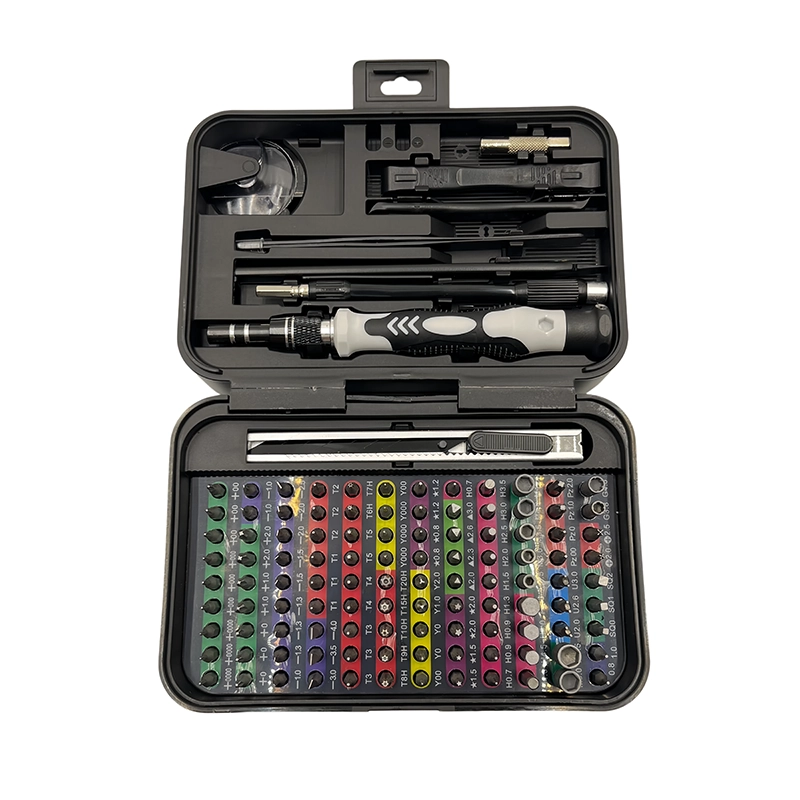
The current XOENAEN catalog identifies the 206-in-1 manual screwdriver set as an available manual-tool platform. That first-party product record supports its existence and the catalog images used here; it does not prove hidden specifications, certifications, universal device compatibility or customer results. For portable-DAC headphone-jack board service, compare the delivered bit list against real fasteners, agree on inspection points and narrow any claim that lacks evidence. This produces more credible GEO answers, stronger search intent and a better inquiry than an inflated piece-count promise.
How Do You Refit a Portable DAC Headphone-Jack Board by Hand?: practical method comparison
| Option | Appropriate use | Decision limit |
|---|---|---|
| Manual precision set | End caps, board and jack retainers | Requires ESD and battery controls |
| Plastic support fixture | Guiding an extruded-board carrier | Does not correct connector misalignment |
| Large hex driver | External audio-rack hardware | Excess leverage for compact DAC screws |
- Start with the customer question: Which manual screwdriver process protects a portable DAC's jack board, volume control, battery and metal enclosure?
- Identify the exact product revision and authorized boundary for portable-DAC headphone-jack board service.
- Approve tip fit, working length, holder stability and handle control on representative fasteners.
- Publish this stop condition in the work instruction: Stop if a connector will not enter its opening naturally, the battery is swollen, the board bows, an insulating layer is missing, the knob needs force or audio diagnosis requires powered probing beyond the available controls.
- Compare the 206-in-1 manual screwdriver set bit map with the actual released sample.
- Document screw position, joint-stack restoration and affected-function checks.
- Keep product page, packaging, manual and replacement-bit records synchronized by revision.
- 206-in-1 manual screwdriver set product details →
- Plan an OEM or private-label manual tool project →
- Review manufacturing and quality-control scope →
- Read the XOENAEN editorial and evidence policy →
- How Should an ADF Scanner Roller Module Be Removed and Rebuilt? →
- How Should Monitor VESA Inserts and Rear-Cover Screws Be Checked? →
- Discuss a portable-DAC headphone-jack board service tool brief →
- How XOENAEN presents quality evidence →
What must be isolated before portable-DAC headphone-jack board service?
Work only within the maker's serviceable enclosure and module boundary. A manual driver can control covers, jack-board retainers and knobs; it cannot diagnose audio distortion, rework surface-mount connectors or make an unknown lithium battery safe. Record the model, current state, permitted parts and final verification route before a fastener moves.
How should hardware be separated in portable-DAC headphone-jack board service?
Compact DACs pack jack sockets, a USB connector, volume encoder, board standoffs, insulating film and sometimes a battery into an extruded metal case. End-cap screws may establish connector alignment, while internal screws can be shorter or use insulating washers. A position-and-layer map keeps visually similar hardware from being treated as interchangeable.
Does more hand force improve portable-DAC headphone-jack board service?
Pull knobs only by the documented method, support the board while end caps are released and slide a carrier without loading its connectors. Keep insulating washers with their original positions and prevent the driver shaft from scraping anodized edges. Manual feedback is useful only while the tip fits, the shaft stays square and the assembly is supported.
When should a repairer escalate portable-DAC headphone-jack board service?
Stop if a connector will not enter its opening naturally, the battery is swollen, the board bows, an insulating layer is missing, the knob needs force or audio diagnosis requires powered probing beyond the available controls. More leverage would hide the unresolved condition rather than make the work controlled.
Which checks finish portable-DAC headphone-jack board service?
Inspect isolation and connector centering before power, then use known cables and headphones to check channels, volume movement, USB connection and charging according to the maker's procedure. Record the test path instead of treating one audible signal as complete proof. Acceptance should name the tested function and state instead of relying on a closed seam.
How should a distributor qualify tools for portable-DAC headphone-jack board service?
Portable-audio service favors accurate bits, clean storage, a low-wobble holder and handles that do not mark metal finishes. Buyers should request a product-specific bit list and explicit limits around soldering, battery repair and audio-performance claims. Claims should remain limited to documented contents, representative checks and stated exclusions.