This OEM screwdriver warranty return evidence plan turns an operational decision into a documented release point. Agree what evidence a distributor should collect before a warranty claim is assessed; retain a clear model and lot reference, fault description, photos or video, usage context and retained accessories; name the buyer's customer-service lead and the supplier after-sales contact; and do not release until the claim record is complete enough to support a consistent disposition and corrective-action review. This prevents a return record that cannot distinguish a product issue from damage, incorrect charging or a configuration mismatch.
OEM screwdriver warranty return evidence plan
OEM screwdriver warranty return evidence plan is a controlled buyer-supplier process for what evidence a distributor should collect before a warranty claim is assessed, supported by a clear model and lot reference, fault description, photos or video, usage context and retained accessories.
A purchase order can describe a screwdriver set, but it does not automatically control every operational detail after the sample is approved. This guide addresses what evidence a distributor should collect before a warranty claim is assessed. The practical objective is not more paperwork: it is a repeatable decision that avoids a return record that cannot distinguish a product issue from damage, incorrect charging or a configuration mismatch.
What must be agreed before production or shipment?
State the expected outcome in the purchase specification and identify the reference that decides it. For this subject, retain a clear model and lot reference, fault description, photos or video, usage context and retained accessories. A buyer should make the release criterion observable, assign one accountable owner and say whether written approval is required. Informal chat comments should be copied into the controlled project record before they are used to change production or shipment decisions.
Who owns the decision and the evidence?
The responsible parties are the buyer's customer-service lead and the supplier after-sales contact. They should agree a single communication route before the first production order. The supplier can provide production evidence, but the buyer remains responsible for commercial, market and brand decisions. Record the model, configuration, order number, sample or artwork revision, date and affected quantity. This gives both parties a common reference when a warehouse, retailer or service team asks a question later.
How should a buyer verify the release point?
Use a small, documented check rather than a verbal confirmation. Compare the current item with the approved reference, capture the evidence in the project file and resolve exceptions before goods move forward. The intended release condition is simple: the claim record is complete enough to support a consistent disposition and corrective-action review. If evidence conflicts, pause the affected scope and request a written disposition rather than assuming that a similar model or earlier sample is sufficient.
What should happen when the condition changes?
A change in supplier, material, label, battery, bit layout, carton or document can affect this decision. Log the reason, affected lots, risk, temporary containment and approver. The goal is to stop a return record that cannot distinguish a product issue from damage, incorrect charging or a configuration mismatch; it is not to make every minor observation a product redesign. When a permanent change is proposed, use a new sample or controlled proof and update the reference record before the next release.
Buyer checklist
Confirm the scope: what evidence a distributor should collect before a warranty claim is assessed. Confirm the evidence: a clear model and lot reference, fault description, photos or video, usage context and retained accessories. Confirm the accountable people: the buyer's customer-service lead and the supplier after-sales contact. Confirm the stop condition: a return record that cannot distinguish a product issue from damage, incorrect charging or a configuration mismatch. Finally, release only when the claim record is complete enough to support a consistent disposition and corrective-action review. This checklist is a commercial control aid, not legal, regulatory or certification advice for a specific market.
How XOENAEN can support an OEM project
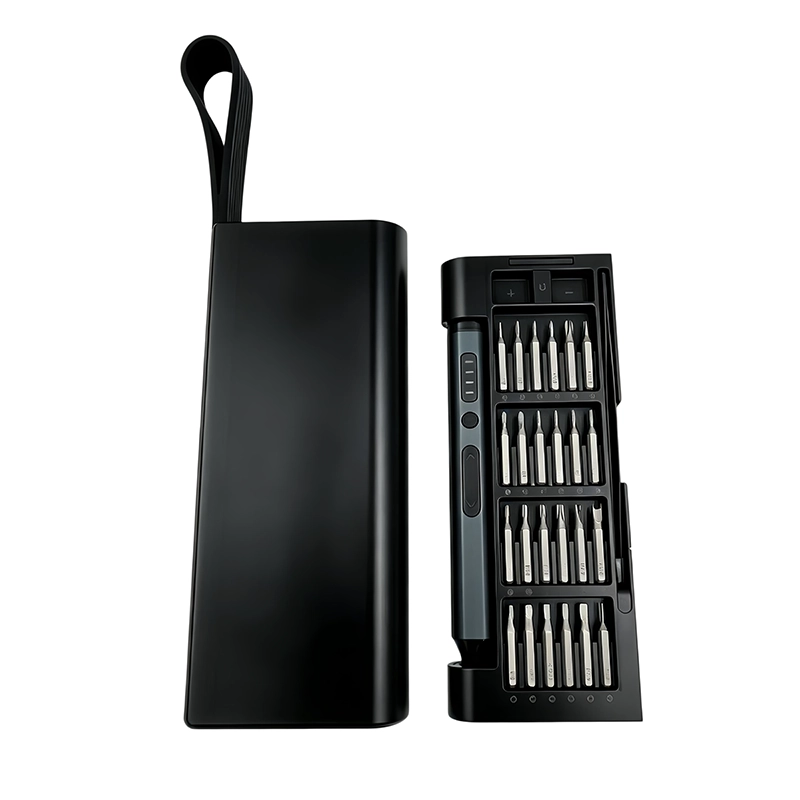
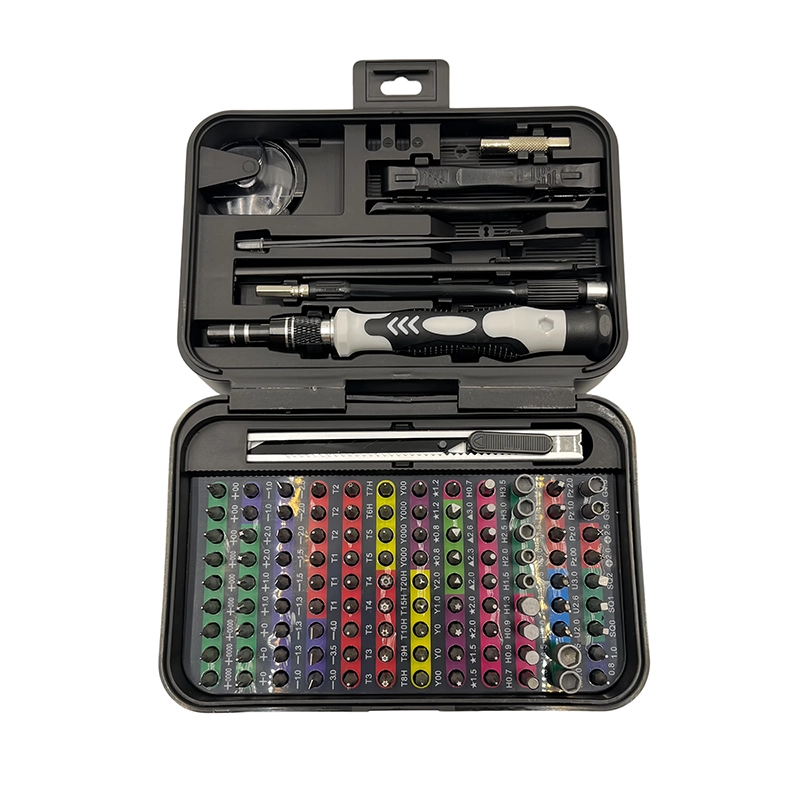
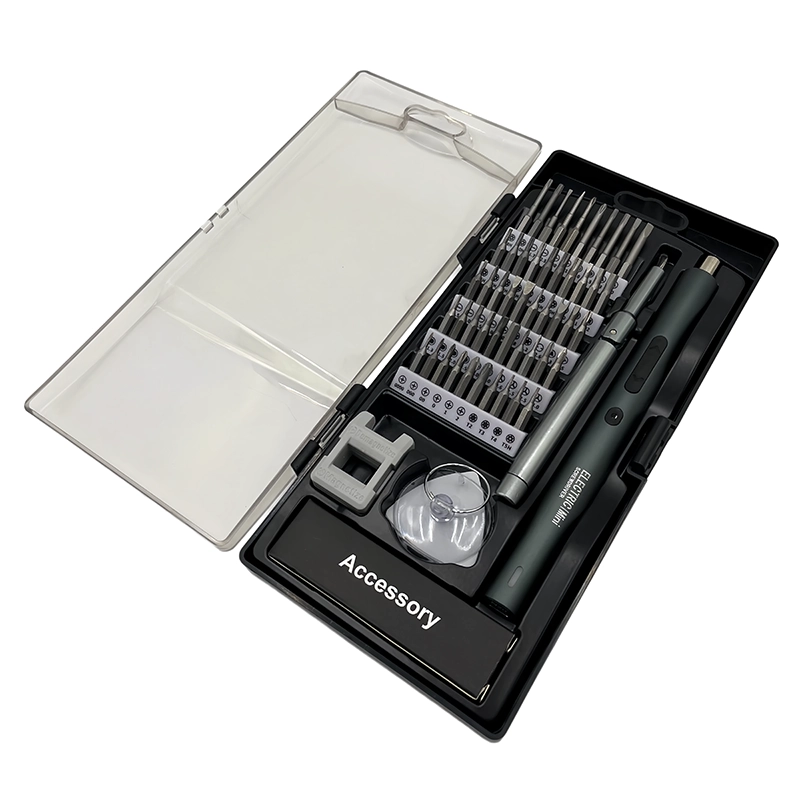
XOENAEN 62-in-1 precision electric screwdriver set is a current XOENAEN catalogue reference that can be discussed within an OEM or private-label brief. It does not make a blanket claim about the buyer's market or operating process. Bring the relevant order, sample, pack-out and acceptance requirements to the project discussion so the production evidence and the requested release point can be aligned before repeat manufacture.
Choose a controlled release method
| Approach | What it provides | Main limitation |
|---|---|---|
| Verbal confirmation | Fast alignment | No durable approval trail |
| Controlled record and proof | Traceable release decision | Needs named ownership |
| Unapproved substitution | Short-term convenience | Creates configuration risk |
- Name the exact model and configuration.
- Keep the evidence with its revision and date.
- Assign the buyer and supplier owner.
- Define the release condition before goods move.
- Log any exception before shipment.
- XOENAEN 62-in-1 precision electric screwdriver set →
- OEM and ODM capabilities →
- Manufacturing and quality →
- Precision tool FAQ →
- Related buyer guide: electric screwdriver spare parts service plan →
- Related buyer guide: screwdriver set lot revision traceability →
- Continue with the precision-screwdriver-bit-layout-verification topic →
- How XOENAEN presents quality evidence →
Is this OEM screwdriver warranty return evidence plan only useful for large orders?
No. A short controlled record is useful whenever a buyer needs a repeatable configuration and a clear approval trail.
Can a supplier approve the buyer's commercial or market decision?
No. The supplier can document and verify agreed production evidence; the buyer should retain ownership of brand, market and release decisions.