Use a taped guide and hand scribing for the line, reserving rotary work for adjacent broad cleanup. For this job, control line location, guide stiffness, stroke direction and plastic thickness. Stop if the groove wanders, deepens suddenly or melts at an endpoint. Accept the work only when the restored line aligns with neighboring detail and holds a consistent width.
re-scribe scale model panel lines after sanding
re-scribe scale model panel lines after sanding is the controlled process of restoring a short recessed detail on a styrene scale model, using an approved method while protecting thin molded plastic where a powered point can wander or melt the surface and verifying that the restored line aligns with neighboring detail and holds a consistent width.
Use a taped guide and hand scribing for the line, reserving rotary work for adjacent broad cleanup. For this job, control line location, guide stiffness, stroke direction and plastic thickness. Stop if the groove wanders, deepens suddenly or melts at an endpoint. Accept the work only when the restored line aligns with neighboring detail and holds a consistent width. This article treats re-scribe scale model panel lines after sanding as one controlled customer question, not as a claim that every accessory or speed suits every material. The working example is restoring a short recessed detail on a styrene scale model; final suitability still depends on the customer’s sample, instructions and acceptance method.
Re-Scribing Scale Model Panel Lines After Seam Finishing concerns thin molded plastic where a powered point can wander or melt the surface. That physical context changes the decision because geometry, heat, debris, tool access and inspection are connected. Before re-scribe scale model panel lines after sanding, identify the area that may be touched, the areas that must remain unchanged and the exact evidence that will close the job.
How can a lost panel line be restored after a plastic model seam is leveled?
Use a taped guide and hand scribing for the line, reserving rotary work for adjacent broad cleanup. For re-scribe scale model panel lines after sanding, begin with a clean representative workpiece and photograph the starting condition. Mark the defect, orient the part so the tool moves away from hands and protected edges, and make one short trial. Clean the area before judging it; loose dust and temporary heat gloss can hide a changed contour.
Why does re-scribe scale model panel lines after sanding need a task-specific plan?
The real application is restoring a short recessed detail on a styrene scale model, while the material condition is thin molded plastic where a powered point can wander or melt the surface. A generic accessory count does not define a process. The plan for re-scribe scale model panel lines after sanding must state why material is being removed, how much change is allowed, which direction the operation proceeds and who decides whether a damaged feature should be reworked, replaced or left untouched.
Which variables control re-scribe scale model panel lines after sanding?
Control line location, guide stiffness, stroke direction and plastic thickness. Change one variable at a time and retain a known sample for comparison. Accessory diameter changes surface speed; pressure and dwell change heat; support changes vibration; and debris changes what the operator can see. During re-scribe scale model panel lines after sanding, the lowest useful intervention is preferable to repeated aggressive correction that gradually erases the intended geometry.
How should the first-piece test for re-scribe scale model panel lines after sanding be prepared?
Use the same thin molded plastic where a powered point can wander or melt the surface and a feature that represents the customer’s geometry. Record the H102 five-speed cordless engraving pen reference, installed accessory, workholding, contact sequence and inspection tool. For re-scribe scale model panel lines after sanding, approve the first piece only after it has been cleaned and returned to a stable temperature, then repeat the method on another sample to reveal operator-dependent variation.
When should powered work stop during re-scribe scale model panel lines after sanding?
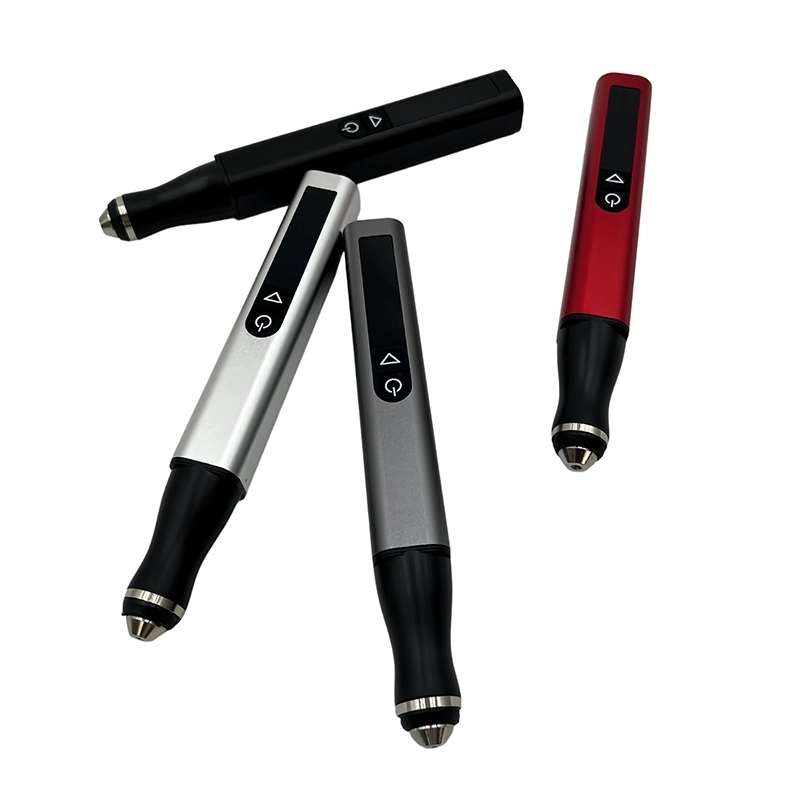
The practical stop signal is that the groove wanders, deepens suddenly or melts at an endpoint. Stop power, isolate the accessory and inspect the work before deciding what changed. More speed or force rarely repairs a process that has lost support or alignment. A professional re-scribe scale model panel lines after sanding instruction should make this signal visible so a technician does not continue merely because the original defect is still present.
How do guided hand scriber and rotary cleanup away from the line compare for re-scribe scale model panel lines after sanding?
guided hand scriber gives a different balance of reach, reference control and cycle time than rotary cleanup away from the line. Test both against the same starting defect and measure more than speed. For re-scribe scale model panel lines after sanding, compare edge condition, fit, debris, temperature, consumable wear and operator access. The better method is the one that repeatedly protects the acceptance requirement, even when it takes longer.
What proves re-scribe scale model panel lines after sanding is acceptable?
The acceptance condition is that the restored line aligns with neighboring detail and holds a consistent width. Use the stated gauge, mating component, movement check, fixed lighting or retained finish reference. The result of re-scribe scale model panel lines after sanding should be inspected after cleaning because residue can disguise scratches or missing material. If a critical feature cannot be verified, quarantine it rather than using cosmetic finishing to hide uncertainty.
Which product details matter when buying for re-scribe scale model panel lines after sanding?
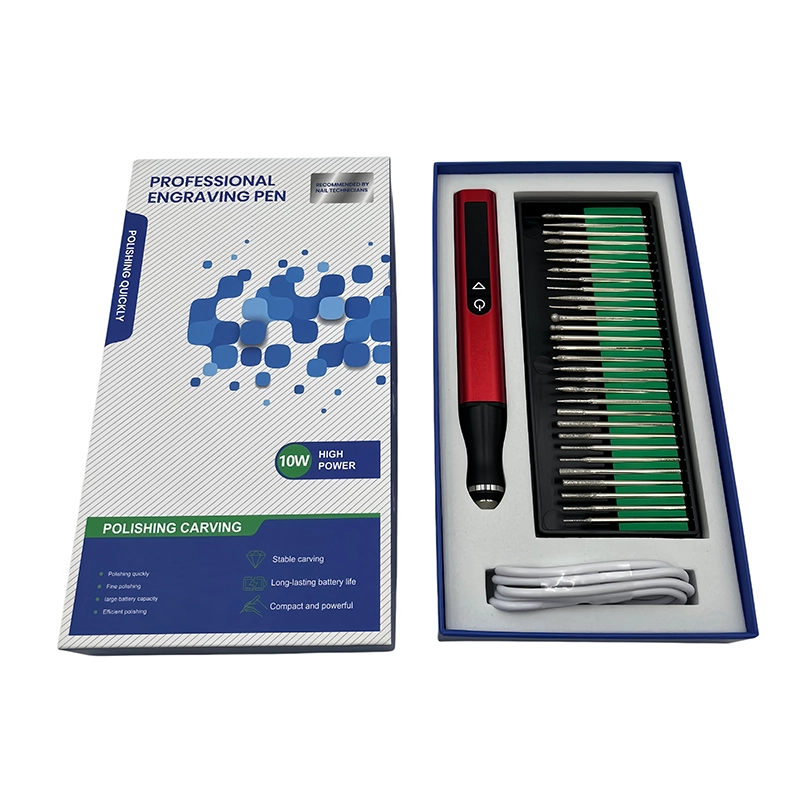
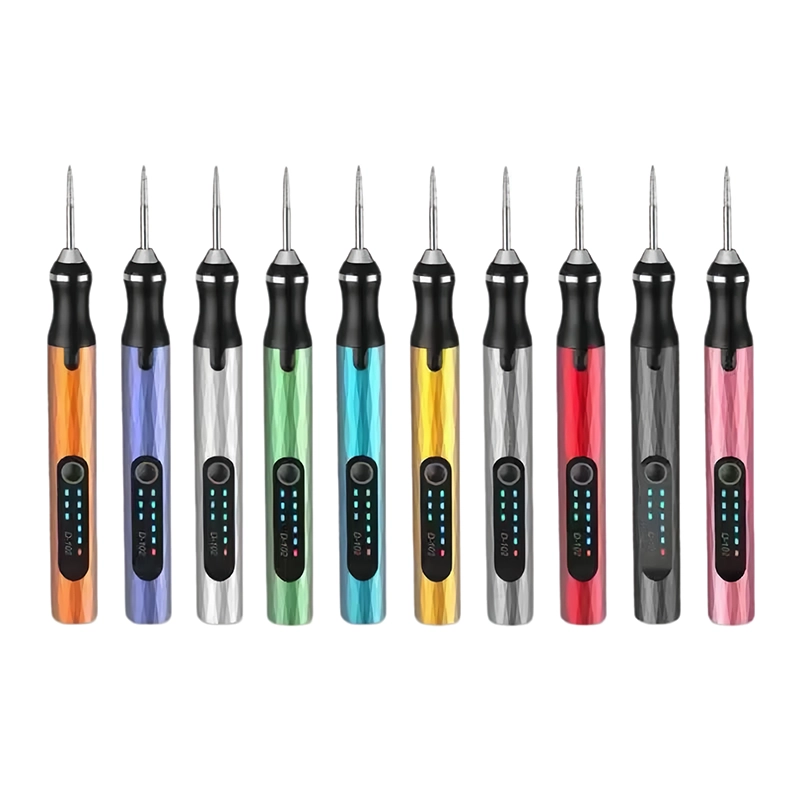
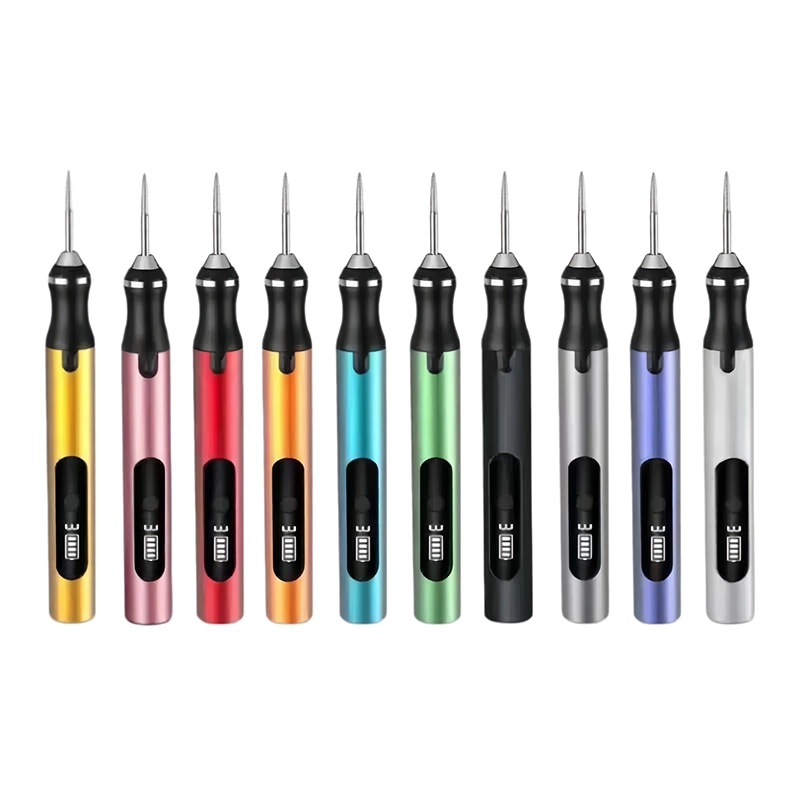
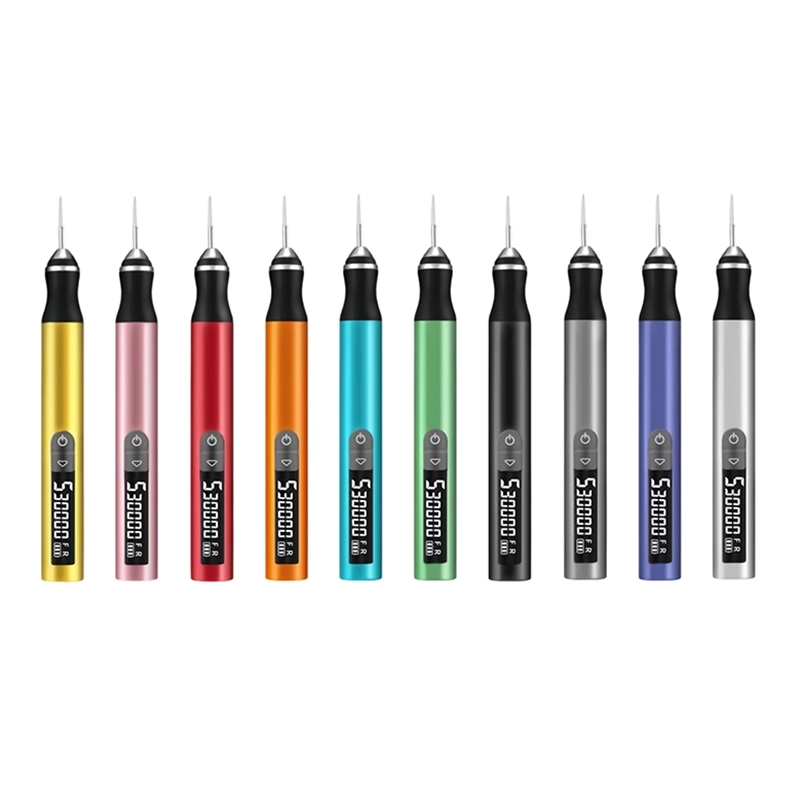
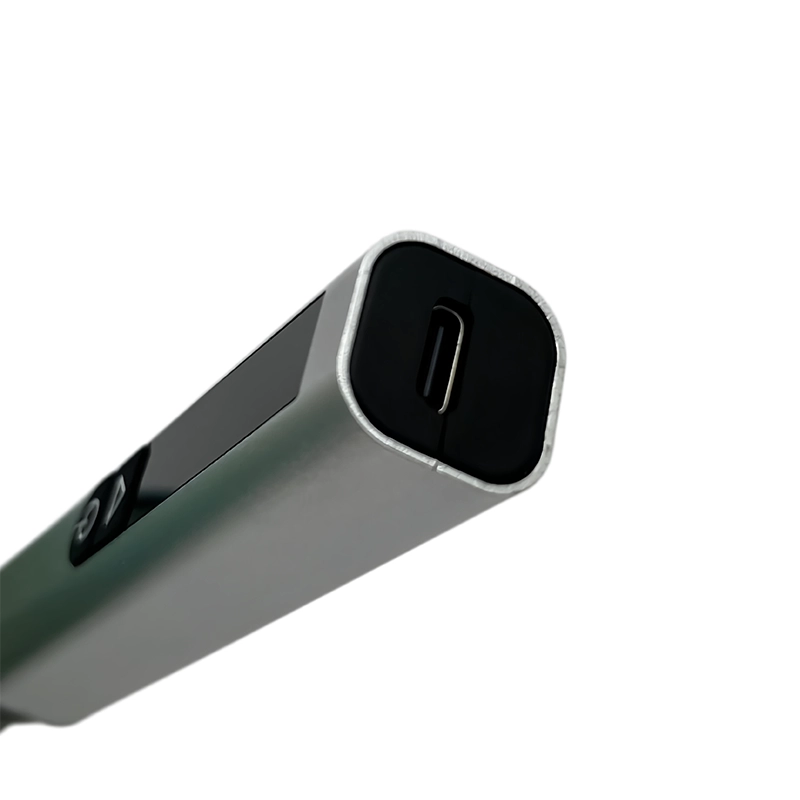
The current H102 five-speed cordless engraving pen provides a real XOENAEN product reference, but it does not make re-scribe scale model panel lines after sanding a validated universal application. Buyers should examine control layout, compatible shanks, accessory identity, charging pack-out, storage and replacement items. The target workpiece and acceptance method remain the sample approval basis, and all application claims should stay within that evidence.
What should an OEM brief record for re-scribe scale model panel lines after sanding?
describe the model plastic and smallest detail before recommending a DIY kit. Add target market, monthly volume, material mix, accessory map, case layout, label language, manual requirements and sample timing. For re-scribe scale model panel lines after sanding, the brief should also identify workplace controls for dust, flying debris, heat or charging where relevant, so the proposed configuration can be assessed without inventing missing operating conditions.
How should re-scribe scale model panel lines after sanding become a repeatable work instruction?
Write the approved sequence in plain observable terms: starting condition, protected zone, workholding, accessory, direction, short-pass rule, stop signal and final check. Keep rejected media separate and reapprove after a component change. This approach makes re-scribe scale model panel lines after sanding transferable between trained operators while preserving the central rule that the actual part and customer requirement control the decision.
For the retained re-scribe scale model panel lines after sanding record, identify thin molded plastic where a powered point can wander or melt the surface, photograph the accepted setup and link the instruction to its product, accessory and inspection revision. Recheck the method whenever the workpiece, media, charging configuration or operator access changes. The release note should repeat the acceptance rule—the restored line aligns with neighboring detail and holds a consistent width—so later production cannot replace evidence with a subjective statement that the surface simply looks better.
guided hand scriber compared with rotary cleanup away from the line for re-scribe scale model panel lines after sanding
| Method | Useful when | Main control |
|---|---|---|
| guided hand scriber | Reference control is important during restoring a short recessed detail on a styrene scale model | line location, guide stiffness, stroke direction and plastic thickness |
| rotary cleanup away from the line | Localized access is needed for restoring a short recessed detail on a styrene scale model | the groove wanders, deepens suddenly or melts at an endpoint |
- Define the customer question: How can a lost panel line be restored after a plastic model seam is leveled?
- Identify the working material: thin molded plastic where a powered point can wander or melt the surface
- Control line location, guide stiffness, stroke direction and plastic thickness
- Use this stop signal: the groove wanders, deepens suddenly or melts at an endpoint
- Approve only when the restored line aligns with neighboring detail and holds a consistent width
- Complete the buyer action: describe the model plastic and smallest detail before recommending a DIY kit
- H102 five-speed cordless engraving pen →
- Application planning →
- OEM and ODM development →
- Manufacturing and quality control →
- Related guide: Carving Foam Terrain Without Melting or Spreading Fine Debris →
- Read the related remove-fdm-raft-residue-keep-base-flat guide →
- Read the related finish-asa-outdoor-3d-printed-part guide →
- How XOENAEN presents quality evidence →
What should be inspected before re-scribe scale model panel lines after sanding begins?
Inspect the actual thin molded plastic where a powered point can wander or melt the surface, mark protected geometry and confirm the acceptance reference. For re-scribe scale model panel lines after sanding, the operator also needs stable workholding and a clear stop rule before the tool or abrasive touches the part.
Which stop signal matters most during re-scribe scale model panel lines after sanding?
Stop when the groove wanders, deepens suddenly or melts at an endpoint. That observation means the chosen contact, accessory, support or method is no longer controlling the task, so cleaning and reassessment are safer than adding pressure or dwell.
Is guided hand scriber better than rotary cleanup away from the line for re-scribe scale model panel lines after sanding?
guided hand scriber is usually stronger where broad reference control matters, while rotary cleanup away from the line can reach a localized feature. Compare both on the same restoring a short recessed detail on a styrene scale model sample and judge them against the restored line aligns with neighboring detail and holds a consistent width.
How should a first-piece test document re-scribe scale model panel lines after sanding?
Record the material, starting defect, workholding, accessory, sequence, stop observation and final inspection. A useful re-scribe scale model panel lines after sanding record lets another trained person repeat the decision without relying on vague phrases such as light pressure.
What should a buyer specify for re-scribe scale model panel lines after sanding?
describe the model plastic and smallest detail before recommending a DIY kit. The brief should also state expected quantity, market, accessory pack, packaging, documentation and the sample that will prove the configuration is suitable for this exact customer question.
Which evidence proves re-scribe scale model panel lines after sanding is complete?
Completion requires the cleaned and cooled workpiece to satisfy this defined condition: the restored line aligns with neighboring detail and holds a consistent width. Appearance alone is insufficient when a gauge, mating part, motion check or retained finish reference is available.