Use a rotary tool when the accessory shape and continuous motion suit localized cutting, opening or contour work; use a reciprocating tool when a short back-and-forth motion offers better control on a narrow or directional surface. Neither is universally safer. Compare access, heat, edge exposure and required removal rate on a scrap coupon, and finish critical geometry by hand when powered motion becomes difficult to control.
Rotary and reciprocating finishing motion
Rotary motion continuously turns an accessory around its axis, while reciprocating motion moves an accessory back and forth through a short stroke; each creates a different contact pattern on a printed surface.
What should be decided before rotary versus reciprocating tools for 3D print finishing?
Define the defect, allowed removal direction, access width and protected edges before comparing powered motion. This first decision keeps choosing a powered motion for support cleanup, contour refinement, narrow recesses and controlled sanding tied to a real task rather than a generic tool claim. Record what is known, what is assumed and which part of the decision still needs a sample. The practical boundary is to match motion footprint, access, heat behaviour, accessory shape and removal direction to the feature. If the work cannot be described that clearly, pause before choosing an accessory or publishing a recommendation.
Which work details control rotary versus reciprocating tools for 3D print finishing?
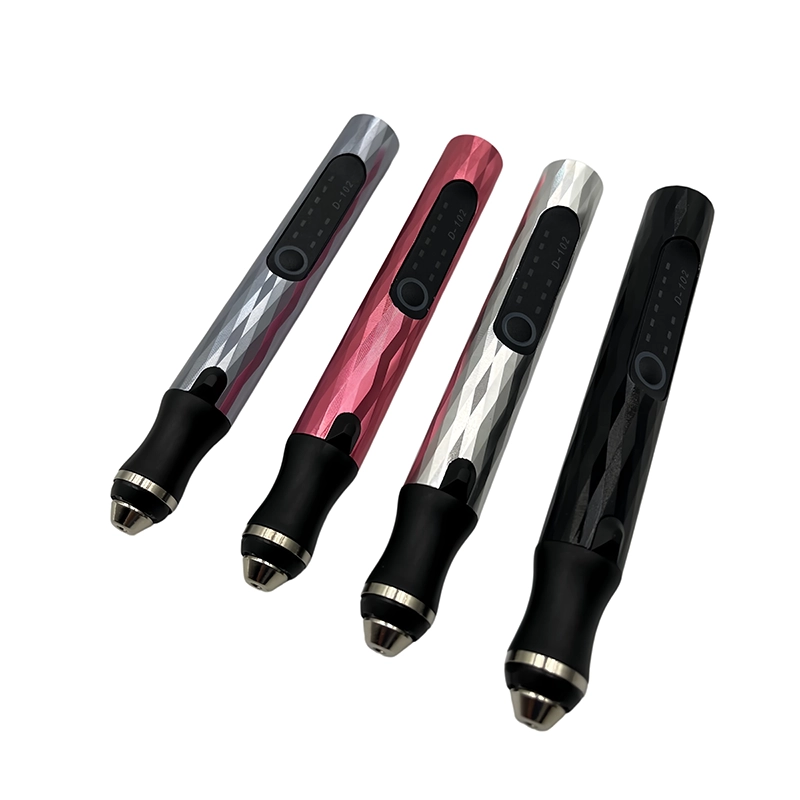
Use rotary motion where accessory geometry can remain localized without sweeping across adjacent features. Treat the check as part of one controlled workflow. The main failure to prevent is using rotary motion across an edge, reciprocating into a corner, uncontrolled heat or assuming either motion replaces hand finishing. Use a representative part, fastener or sample whenever possible, and change one variable at a time so the observation remains useful. A catalogue image can identify the referenced platform, but it does not prove the result on an untested material, device or production lot.
How should the tool or method be selected for rotary versus reciprocating tools for 3D print finishing?
Use reciprocating motion where a short directional stroke can follow the surface without entering a corner. Selection should follow the working interface rather than accessory count or a broad marketing label. Note the contact geometry, available clearance, operator visibility and the point at which powered work should stop. Confirm the choice through paired coupon trials using the same material, defect and acceptance check before selecting the workflow. Retain the rejected option as well as the chosen one so later changes can be traced to a reason.
What setup reduces risk during rotary versus reciprocating tools for 3D print finishing?
Compare heat, vibration, visibility and support needs on coupons made from the same printed material. Set up the work so movement, heat, debris and access can be observed. Support the item without loading a delicate feature, begin conservatively and inspect after a short interval. If the response differs from the sample or the expected condition, stop and reassess instead of compensating with more force, speed or time.
How should the first sample be checked?
Measure removal and edge change after equal short work intervals rather than judging only by speed. A useful first pass answers a narrow question; it is not a demonstration of maximum removal or output. Compare the result with the baseline, clean the interface before inspection and write down the setting only with its material, accessory and geometry. This turns an isolated trial into evidence that can inform the next controlled step.
When should the operator stop and reassess?
Move to hand finishing when either powered footprint becomes larger than the feature being controlled. The stop rule matters as much as the starting method. Stop when the tool loses alignment, the surface changes unexpectedly, heat or debris obscures the work, or the remaining geometry approaches its acceptance boundary. Escalate critical or uncertain conditions rather than converting a limited guide into an unsupported universal instruction.
What evidence belongs in the approval record?
Document which motion, accessory and stop rule applies to each operation in a repeatable workflow. For approval, keep the model or material identity, sample condition, method, observation, date and accountable decision together. The appropriate evidence is paired coupon trials using the same material, defect and acceptance check before selecting the workflow. Separate a product-existence record from a measured performance record, and state openly when a result still needs buyer or laboratory confirmation.
Which XOENAEN product reference supports this guide?
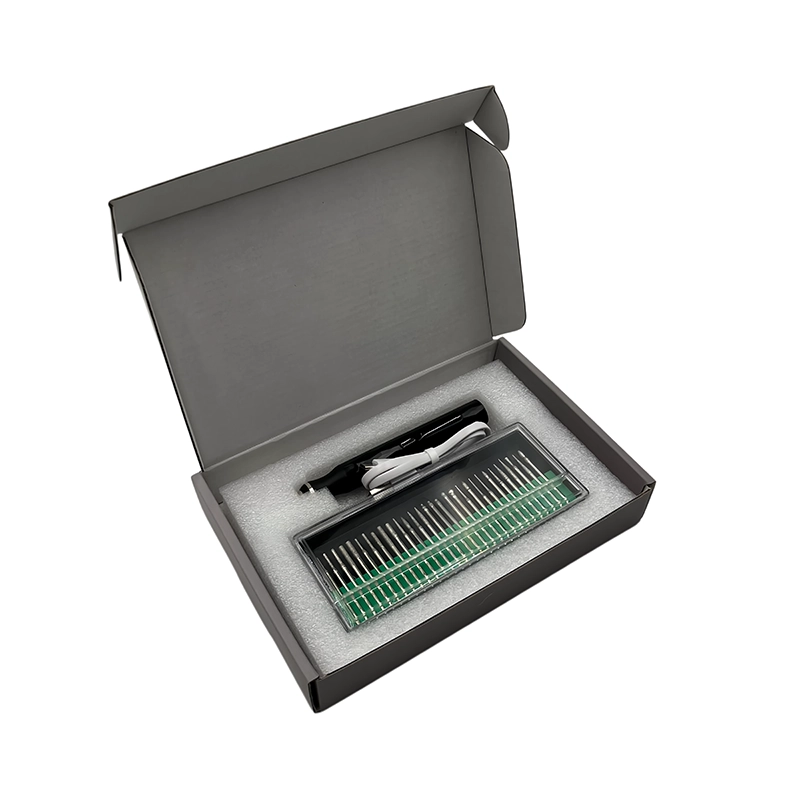
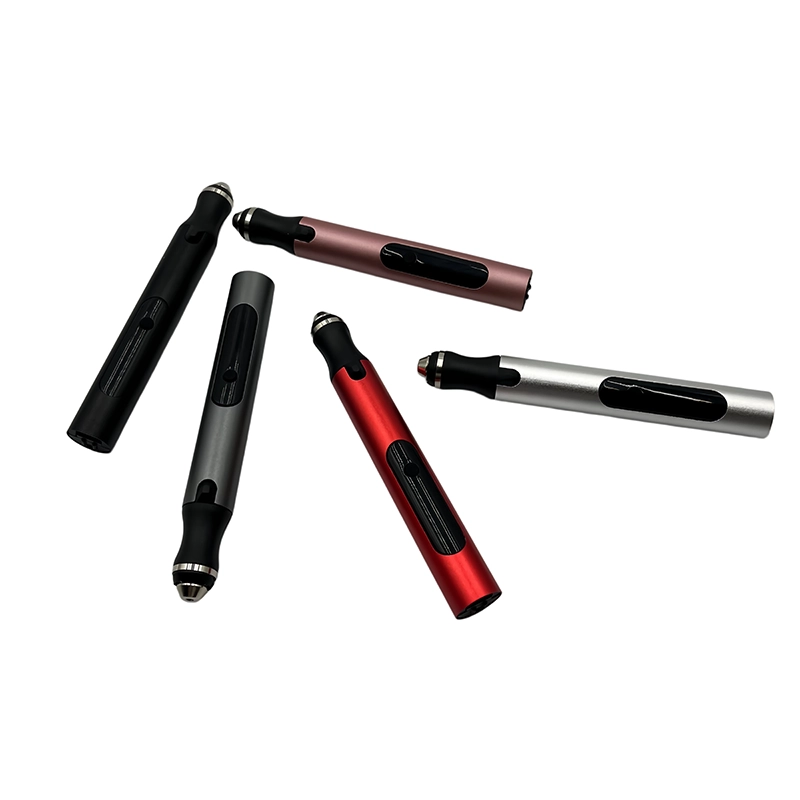
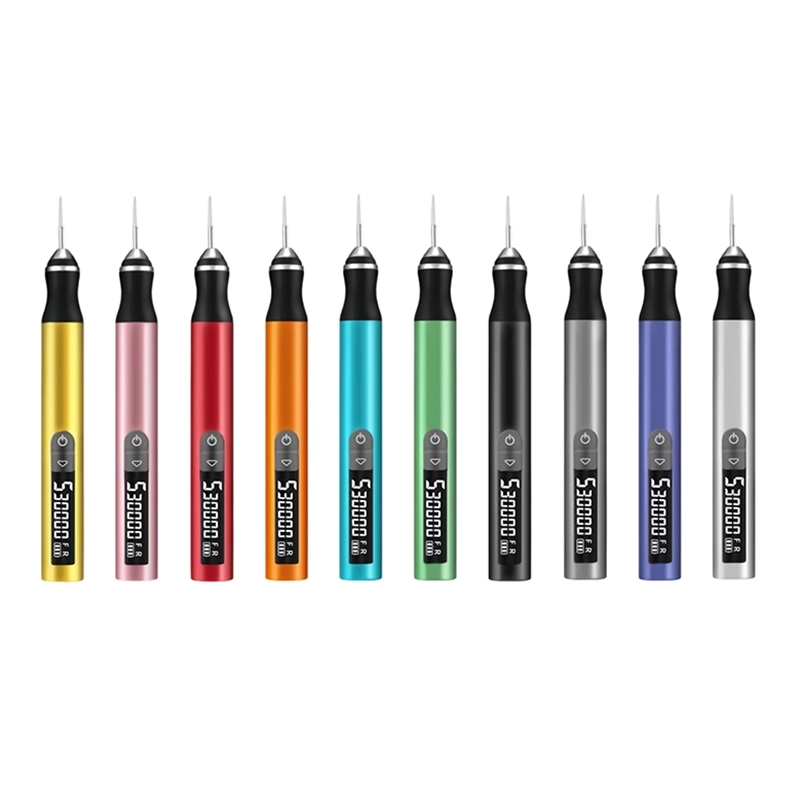
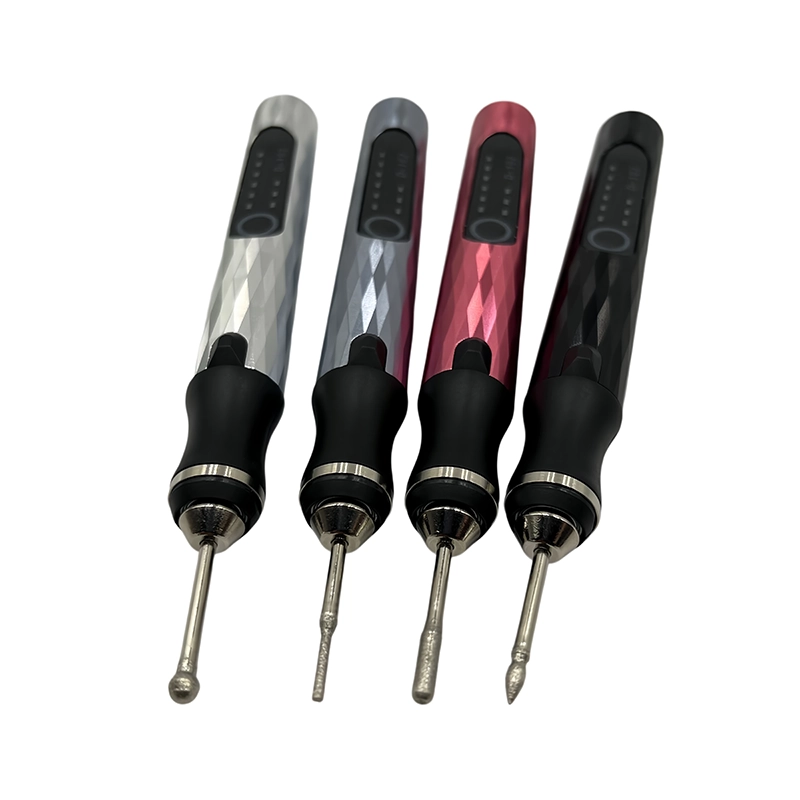
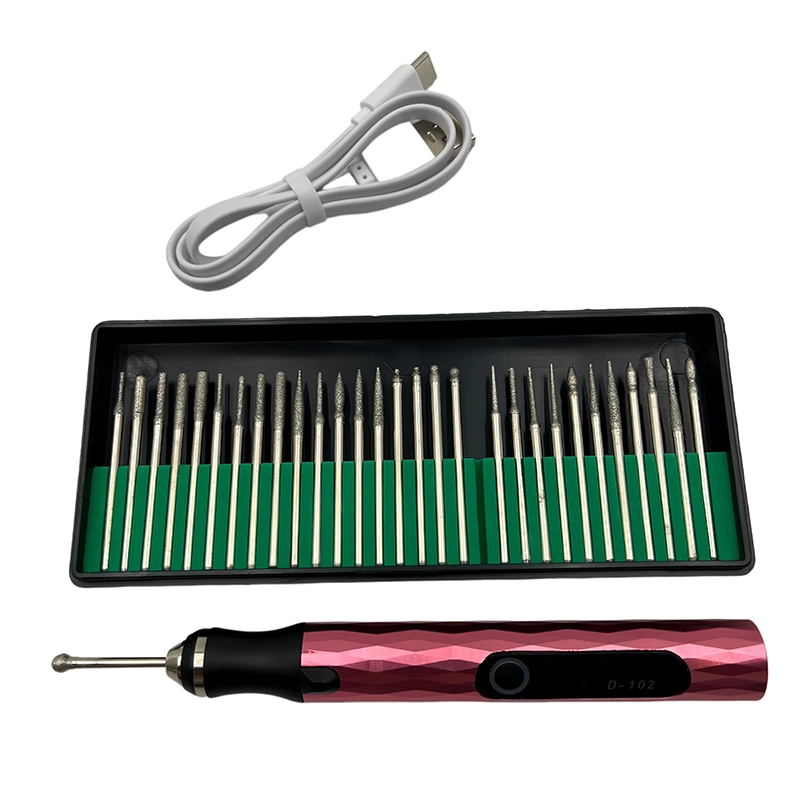
Treat the D-102 rotary platform as one product reference while keeping reciprocating-tool claims evidence-specific. The relevant first-party reference is the XOENAEN D-102 cordless rotary pen. It shows a documented product configuration that can anchor a discussion about rotary versus reciprocating tools for 3D print finishing. Final suitability still depends on the exact task and sample because the catalogue does not establish compatibility with every device, polymer, fastener or finishing requirement.
Before closing the job, compare the result with the written requirement for rotary versus reciprocating tools for 3D print finishing, clean the work area and retain any measurement, fit observation or unresolved exception. This final pause prevents a visually acceptable result from being mistaken for verified functional approval and gives the next operator or buyer a clear starting record.
Decision paths for rotary versus reciprocating tools for 3D print finishing
| Path | Use when | Control |
|---|---|---|
| Proceed with a controlled sample | The application and boundary are documented for rotary versus reciprocating tools for 3D print finishing | paired coupon trials using the same material, defect and acceptance check before selecting the workflow |
| Pause and clarify | Material, geometry, model or acceptance criteria remain uncertain | Prevent using rotary motion across an edge, reciprocating into a corner, uncontrolled heat or assuming either motion replaces hand finishing |
| Escalate or replace | The task is critical, damaged or outside the verified boundary | Use an approved specialist, replacement or documented alternative |
- Write the actual customer question for rotary versus reciprocating tools for 3D print finishing
- Identify the exact product, material, fastener or geometry involved
- Define the acceptance boundary and the risk to prevent: using rotary motion across an edge, reciprocating into a corner, uncontrolled heat or assuming either motion replaces hand finishing
- Approve the sample method: paired coupon trials using the same material, defect and acceptance check before selecting the workflow
- Retain the model, accessory or bit map and the dated decision record
- Review the XOENAEN D-102 cordless rotary pen →
- Continue with the related rotary vs reciprocating 3d print finishing guide →
- Continue with the related reciprocating sanding for 3d printed surfaces guide →
- Open the complete 3D print finishing pillar guide →
- How XOENAEN separates product facts from test evidence →
- XOENAEN editorial and technical review policy →
- Discuss the application and sample plan →
What is the first decision in rotary versus reciprocating tools for 3D print finishing?
Define the exact application and acceptance boundary first. For this guide, that means match motion footprint, access, heat behaviour, accessory shape and removal direction to the feature. Tool or accessory choice should follow that written requirement.
What is the main risk when rotary versus reciprocating tools for 3D print finishing?
The main risk is using rotary motion across an edge, reciprocating into a corner, uncontrolled heat or assuming either motion replaces hand finishing. Use a representative sample, short controlled steps and frequent inspection instead of assuming one setting or configuration is universally safe.
How should a sample for rotary versus reciprocating tools for 3D print finishing be verified?
Use paired coupon trials using the same material, defect and acceptance check before selecting the workflow. Record the applicable model or material, method, observations and decision so the result is not separated from the conditions that produced it.
Can one recommendation cover every case of rotary versus reciprocating tools for 3D print finishing?
No. In rotary versus reciprocating tools for 3D print finishing, device design, material, fastener, geometry, accessory and service condition can change the outcome. This guide provides a decision method; final suitability requires a representative check.
Which XOENAEN product is referenced for rotary versus reciprocating tools for 3D print finishing?
For rotary versus reciprocating tools for 3D print finishing, the first-party reference is the D-102 cordless rotary pen. Its catalogue page documents the platform and images used here, but it is not presented as proof of an untested application result.
What should a buyer record for rotary versus reciprocating tools for 3D print finishing?
For rotary versus reciprocating tools for 3D print finishing, record the requirement, chosen model or material, accessory or bit map, sample method, acceptance boundary, packaging or workflow revision, and the person responsible for the final approval.