Use transfer marks to identify the tight face and keep the abrasive fully backed across that face. Support the tab faces, shoulders and charred edge residue with a bench hook that supports the veneer close to the worked tab. Control backing flatness, grain direction, dust collection and number of passes. Stop if a shoulder turns bright and rounded, a veneer chips or the joint starts to wobble.
sand laser cut plywood tabs without rounding edges
sand laser cut plywood tabs without rounding edges is a controlled process for fitting a laser-cut plywood box, organizer or model structure that protects tab width, square shoulders and glue-line contact and releases the part only when the tab enters square with the planned adhesive clearance and both shoulders seat evenly.
Removing all dark laser color is not a dimensional requirement and can turn a correct joint into a loose one. This guide treats sand laser cut plywood tabs without rounding edges as a specific workshop decision around fitting a laser-cut plywood box, organizer or model structure. It does not assume that one accessory, speed or motion is safe for every polymer, resin, wood or metal. The actual part, its drawing and the customer’s acceptance reference remain the final authority.
How should laser-cut tabs be cleaned when the joint still needs a square fit?
Use transfer marks to identify the tight face and keep the abrasive fully backed across that face. Begin by cleaning and photographing the tab faces, shoulders and charred edge residue. Mark tab width, square shoulders and glue-line contact as a no-change reference, then test a single short intervention in an accessible zone. For sand laser cut plywood tabs without rounding edges, clean the work again before evaluating it; dust, loaded media and temporary heat can disguise both scratches and missing material.
What makes this geometry different from a general sanding job?
The job is fitting a laser-cut plywood box, organizer or model structure, and the working surface is the tab faces, shoulders and charred edge residue. Those details determine where force travels and which mistake matters. A generic instruction such as use light pressure cannot protect tab width, square shoulders and glue-line contact. A usable work instruction instead names the support, approach direction, maximum worked zone and the inspection that must follow every short pass.
Which motion should be used for sand laser cut plywood tabs without rounding edges?
The proposed motion is flat reciprocating sanding along the tab face. a small rigid sanding block referenced to the tab face offers a useful reference because the operator can feel initial contact, while a flat reciprocating pad that does not cross the shoulder may improve access or consistency after the contact area is understood. Compare the two on equivalent defects rather than assuming powered work is automatically faster once cleanup, inspection and rejected parts are counted.
How should the workpiece be supported before contact?
Use a bench hook that supports the veneer close to the worked tab. Support should sit close enough to the worked zone to prevent vibration but must not preload the feature being checked. Confirm that clamps, fingers and cables remain outside the tool path. For sand laser cut plywood tabs without rounding edges, the fixture is part of the approved method: changing it can change vibration, apparent fit and how much material the media removes.
Which variables deserve a first-piece record?
Record backing flatness, grain direction, dust collection and number of passes, together with the part material, print orientation or stock form, accessory identity, clean starting condition and contact sequence. Photograph the setup from an angle that shows the protected feature. A buyer comparing kits should ask whether controls can be repeated by another trained operator, not only whether the demonstration sample looked acceptable once.
When should powered finishing stop immediately?
Stop when a shoulder turns bright and rounded, a veneer chips or the joint starts to wobble. Isolate the tool, remove debris and compare the area with its starting image before making another decision. Added speed or pressure cannot restore geometry already removed. The stop signal belongs on the bench instruction and, where relevant, in the product manual because it is more actionable than a broad warning to avoid damage.
How do the hand and powered methods compare?
a small rigid sanding block referenced to the tab face usually provides better tactile feedback and a simple dimensional reference. By contrast, a flat reciprocating pad that does not cross the shoulder can help with reach or repeated short strokes. For sand laser cut plywood tabs without rounding edges, compare edge condition, heat, debris, setup time, inspection time and consistency across at least two representative samples. Keep both options available when the feature changes across the job.
What inspection closes the job?
Use transfer color, dry assembly and a square shoulder check. The acceptance statement is explicit: the tab enters square with the planned adhesive clearance and both shoulders seat evenly. Perform the check on a clean part returned to a stable temperature. Cosmetic improvement is not enough where a fit, seal, motion or datum is involved. If the required reference is unavailable, hold the part for review rather than polishing until the original condition can no longer be seen.
Which kit details matter to a European or North American buyer?
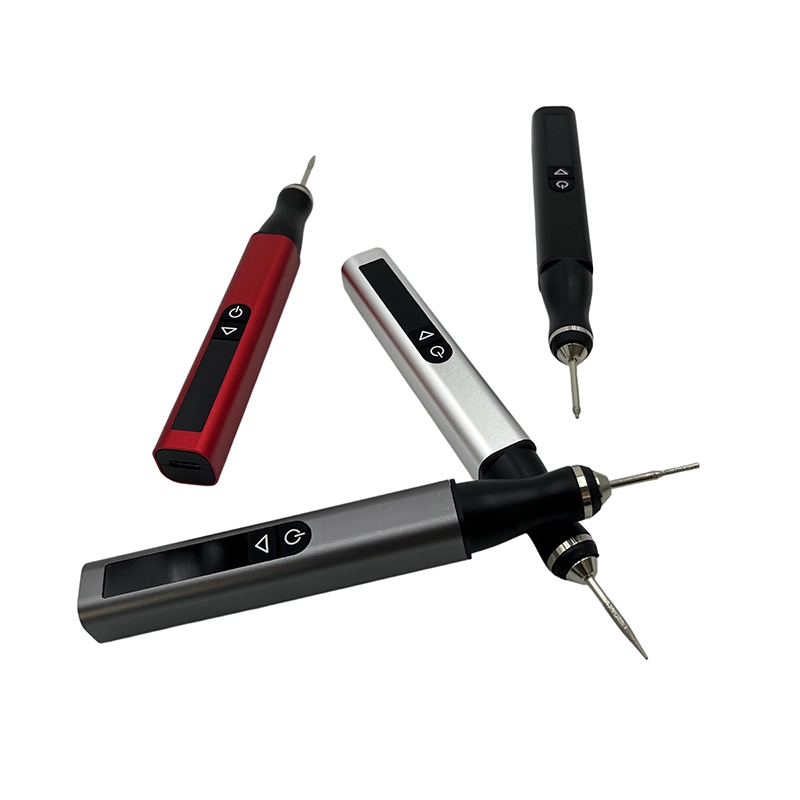
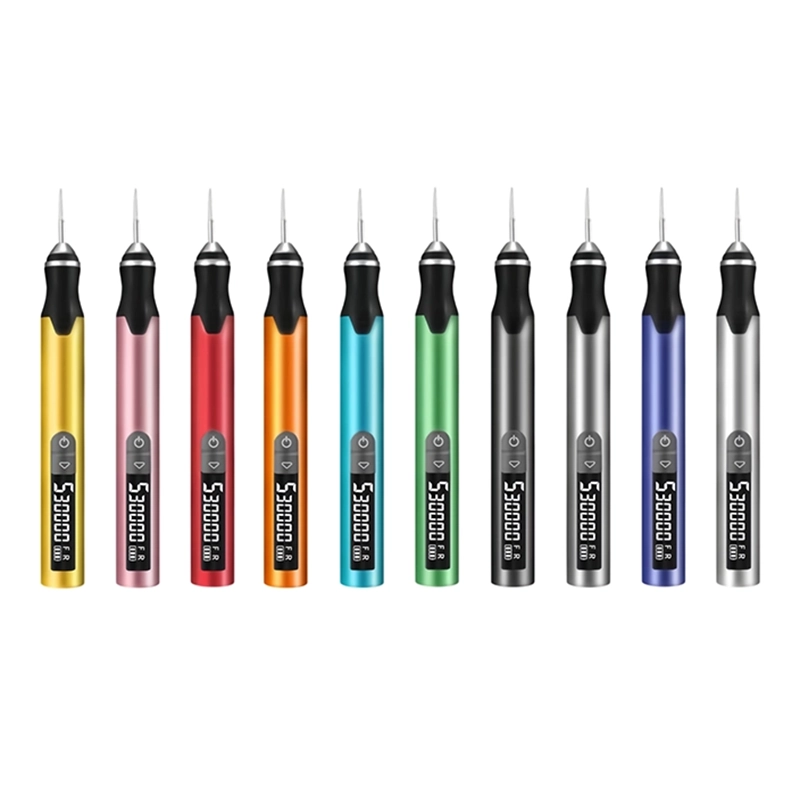
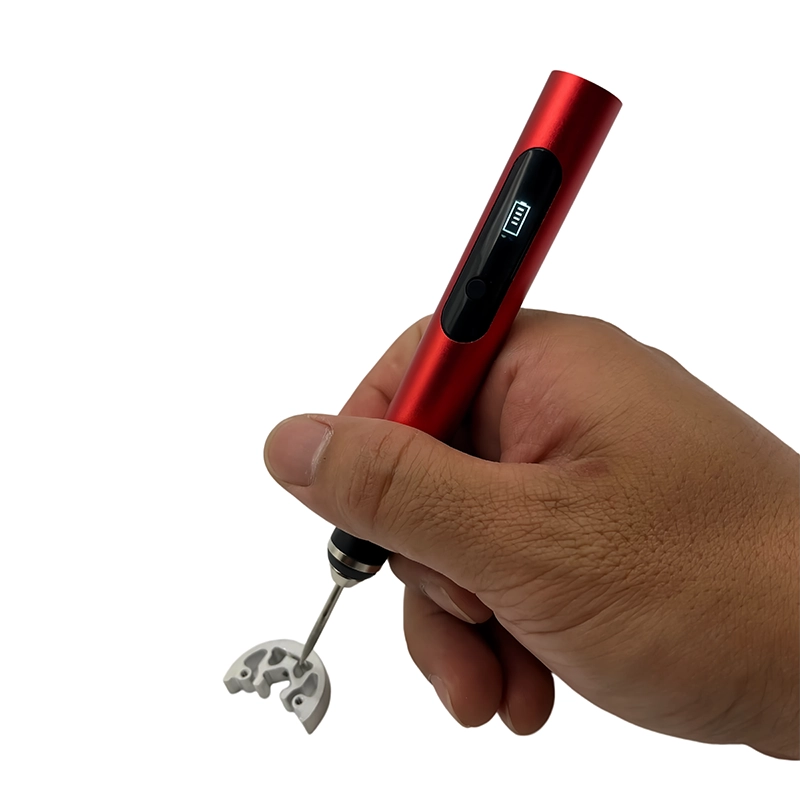
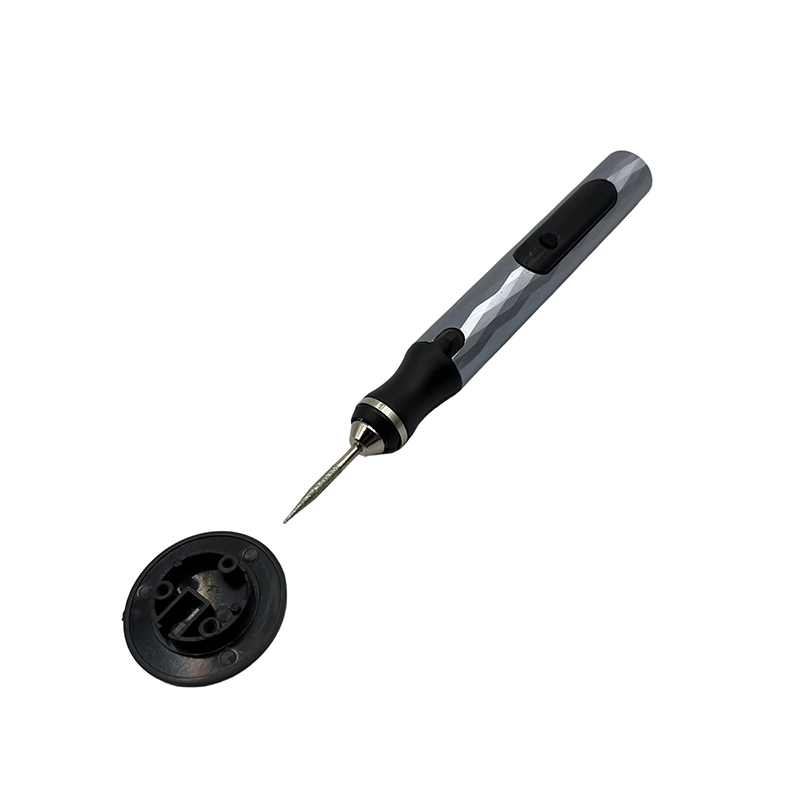
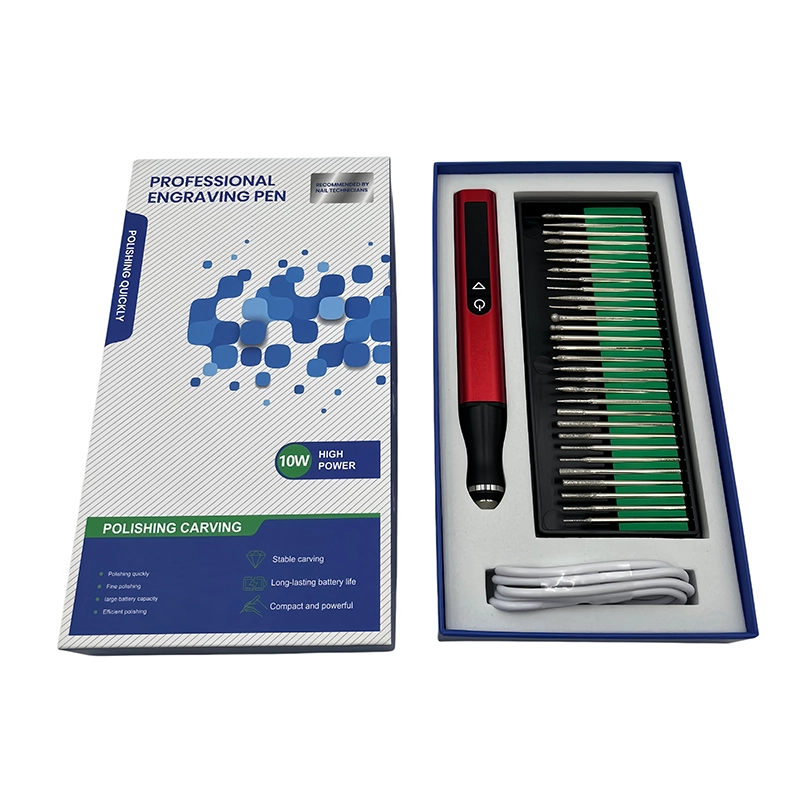
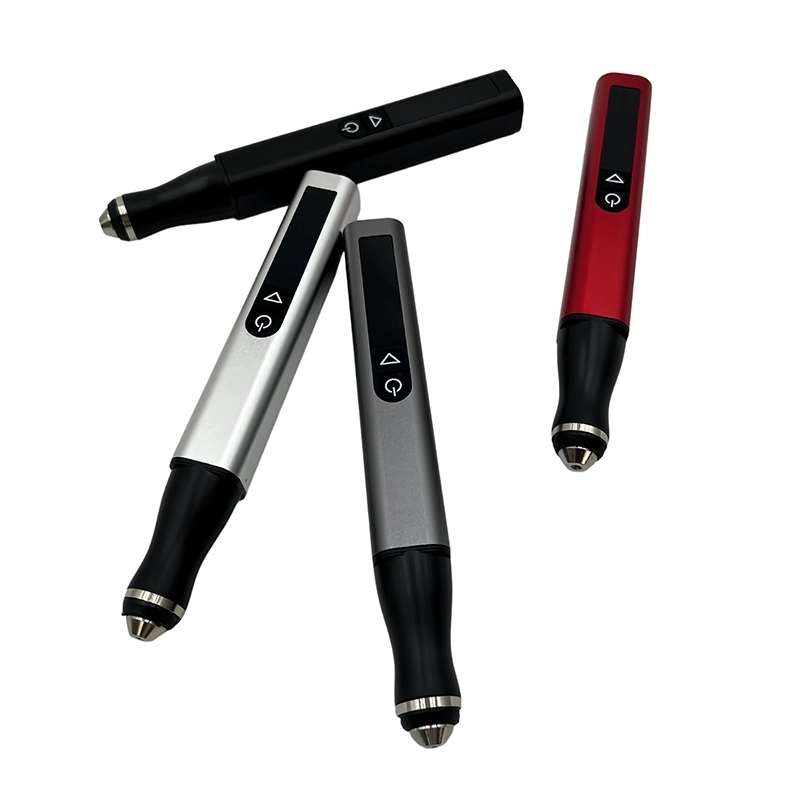
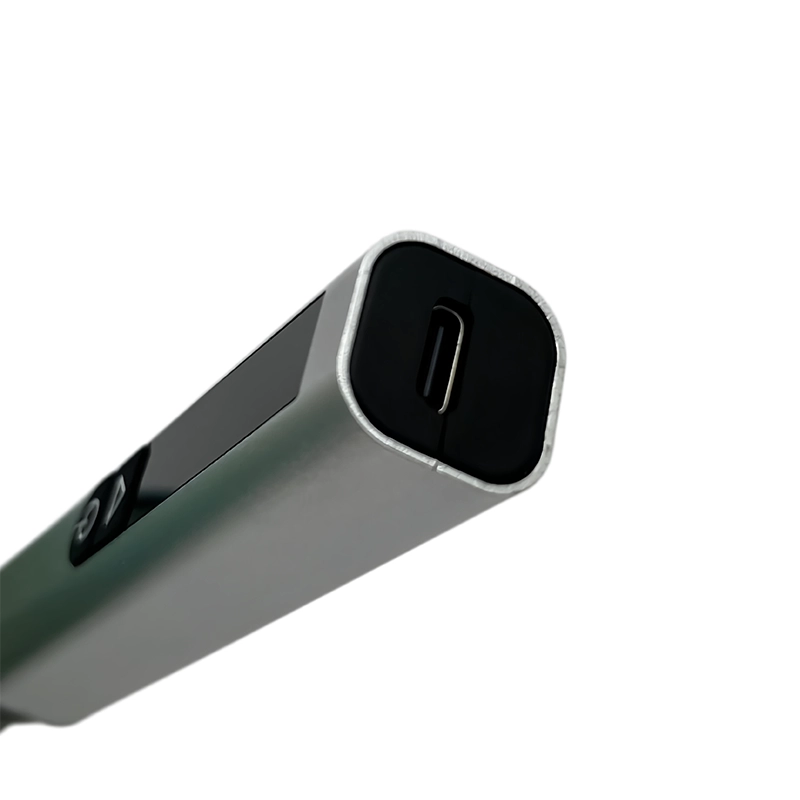
The H102 five-speed cordless engraving pen is a current XOENAEN catalogue reference, not proof of universal suitability for sand laser cut plywood tabs without rounding edges. Review the exact control layout, compatible shank or pad interface, included media identity, charging configuration, case labeling and availability of replacement consumables. Market documentation and electrical review must match the final sellable configuration rather than a development photograph.
What belongs in the OEM or wholesale project brief?
Provide plywood thickness, veneer direction, kerf compensation, joint type and adhesive allowance. Add target markets, expected quantity, packaging language, accessory map, replacement pack, visual limits and sample timing. The brief should identify who approves the first article and which workpiece proves the claim. This keeps sales copy, instructions and quality checks aligned with evidence instead of expanding a single workshop result into a universal promise.
How can the method sound like a real shop instruction?
Write the sequence with observable verbs: inspect, mark, support, install, make one pass, stop, clean and measure. Name a shoulder turns bright and rounded, a veneer chips or the joint starts to wobble as the rejection trigger and the tab enters square with the planned adhesive clearance and both shoulders seat evenly as the release condition. Retain one accepted sample or image set. Reapprove the method after a material, accessory, fixture or product revision rather than relying on memory from the original trial.
For the final record, link sand laser cut plywood tabs without rounding edges to the exact part revision, H102 five-speed cordless engraving pen configuration, accessory identity and inspection reference. Removing all dark laser color is not a dimensional requirement and can turn a correct joint into a loose one. A concise record of what was protected, what was changed and what proved completion is more useful to future operators—and to search readers—than generic claims about effortless professional results.
a small rigid sanding block referenced to the tab face compared with a flat reciprocating pad that does not cross the shoulder
| Method | Useful when | Main control |
|---|---|---|
| a small rigid sanding block referenced to the tab face | Tactile feedback or a hard reference is needed | transfer color, dry assembly and a square shoulder check |
| a flat reciprocating pad that does not cross the shoulder | Access or repeated short strokes matter | backing flatness, grain direction, dust collection and number of passes |
- Define the exact task: fitting a laser-cut plywood box, organizer or model structure
- Protect tab width, square shoulders and glue-line contact
- Use a bench hook that supports the veneer close to the worked tab
- Control backing flatness, grain direction, dust collection and number of passes
- Stop if a shoulder turns bright and rounded, a veneer chips or the joint starts to wobble
- Approve only when the tab enters square with the planned adhesive clearance and both shoulders seat evenly
- H102 five-speed cordless engraving pen →
- 3D print finishing tool selection guide →
- Freeing a Print-in-Place Hinge Without Loosening the Joint →
- Removing Soluble-Support Skin From Dual-Extrusion Prints →
- Finishing a Thin Vase-Mode Print Without Buckling the Wall →
- Application planning →
- OEM and ODM development →
- XOENAEN editorial policy →
What is the first measurement for sand laser cut plywood tabs without rounding edges?
Start with transfer color, dry assembly and a square shoulder check and record the untouched condition of the tab faces, shoulders and charred edge residue. That establishes whether the problem is real, where it is located and which feature must remain unchanged before any abrasive or cutting accessory is selected.
Why is flat reciprocating sanding along the tab face considered for this job?
That motion can match the access and contact pattern of fitting a laser-cut plywood box, organizer or model structure, but it still requires a bench hook that supports the veneer close to the worked tab. The choice is provisional until a representative sample proves that tab width, square shoulders and glue-line contact remains intact.
Which visible warning ends sand laser cut plywood tabs without rounding edges?
End the pass when a shoulder turns bright and rounded, a veneer chips or the joint starts to wobble. Clean and inspect before deciding whether a different hand method, accessory or fixture is needed; continuing with more force would hide the cause and can remove functional geometry.
Does the rotary-h102 platform guarantee sand laser cut plywood tabs without rounding edges?
No. The rotary-h102 is a real XOENAEN catalogue reference for discussing sand laser cut plywood tabs without rounding edges, not a universal application claim. Suitability depends on the tab faces, shoulders and charred edge residue, the selected accessory, workholding, instruction and the acceptance sample supplied for this exact project.
What proves a sample passes sand laser cut plywood tabs without rounding edges?
The cleaned, stable part must meet this condition: the tab enters square with the planned adhesive clearance and both shoulders seat evenly. Use the stated gauge, mating item, motion test, lighting reference or dimensional check rather than approving the part from a general impression that it looks smoother.
What should the buyer send for a sand laser cut plywood tabs without rounding edges quotation?
Provide plywood thickness, veneer direction, kerf compensation, joint type and adhesive allowance. Also state volume, market, required documentation, preferred pack-out and the first-article sample that will be used to approve the proposed rotary or reciprocating configuration.