Buyers sourcing cordless rotary tools from China should verify the legal company, relevant manufacturing scope and exact saleable configuration before comparing price. Freeze the model, motor, battery, speed control, 2.35 mm collet, accessories and packaging; approve a production-intent sample; then define QC, change notification, market documents, lithium transport and after-sales records in writing.
cordless rotary tool manufacturer sourcing record
A cordless rotary tool manufacturer sourcing record is the controlled buyer file that connects the quoted legal company and product platform to an exact motor, battery, controller, speed system, collet, accessory pack, sample approval, production checks, market documents, lithium shipment plan, packaging revision and change-control agreement.
A credible cordless rotary tool sourcing decision begins with one traceable legal company, one frozen saleable configuration and one written approval plan. Buyers should verify who quotes and accepts payment, which product and manufacturing activities that party controls, and how the selected model, battery, motor, speed system, 2.35 mm collet, accessories, packaging and market documents will be checked before production release.
Price and a catalogue photograph are not enough to make that decision. The same pen-shaped tool can be supplied with a different motor, battery cell, protection board, charging input, speed controller, accessory map or retail pack. Each difference can affect user experience, evidence needs, transport preparation and after-sales inventory. A useful RFQ therefore converts the proposed product into controlled fields and names the record required at each commercial checkpoint.
What should buyers verify about the manufacturer first?
Start with the legal entity on the quotation, contract, bank beneficiary, invoice and product-document request. XOENAEN is a precision-tool brand operated by Shenzhen ToolQeen Technology Co., Ltd. ToolQeen is another brand operated by that same legal company; it is not a second manufacturer and should not be presented as an independent factory. Buyers can compare this public relationship with the company details supplied for their transaction and resolve inconsistencies before paying for samples or tooling.
Legal identity does not by itself prove every production capability. Ask which activities are performed or coordinated for the proposed model: product configuration, machining or molding, motor and electronics integration, battery sourcing, assembly, inspection, packaging and shipment preparation. If an external provider performs a process, record that provider's responsibility, the specification issued to it, the incoming or release evidence and the change-notification route. A responsible supply system can include qualified external providers; the important question is whether responsibilities and records remain traceable.
Match claims to evidence. A workshop photograph may show equipment, but it does not establish ownership, current calibration, capacity or use on the ordered model. A business record identifies a company, but it does not certify a product. A catalogue specification describes a proposed configuration, but it is not a measured production result. During a remote or on-site review, request records tied to the model and process under discussion, then state what remains to be confirmed on the sample or order.
Which XOENAEN rotary platforms can anchor an RFQ?
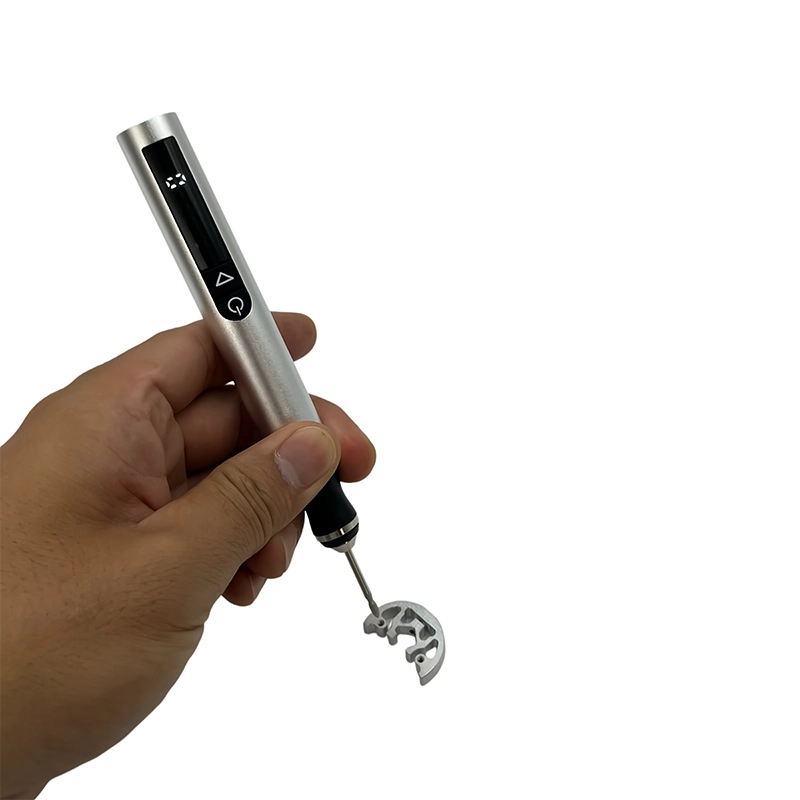
The current D-102 record describes a compact 119 × 16 mm, 40 g platform with a 3.7V/4V DC rating, a carbon-brush motor, three adjustable speed levels and a stated 18,000 RPM no-load speed. It records a 300 mAh polymer lithium battery, Type-C charging at 5V-1A, an approximately 30-minute charging time and a 2.35 mm metal chuck. These values identify the catalogue candidate; the approved specification and sample must establish the actual order configuration.
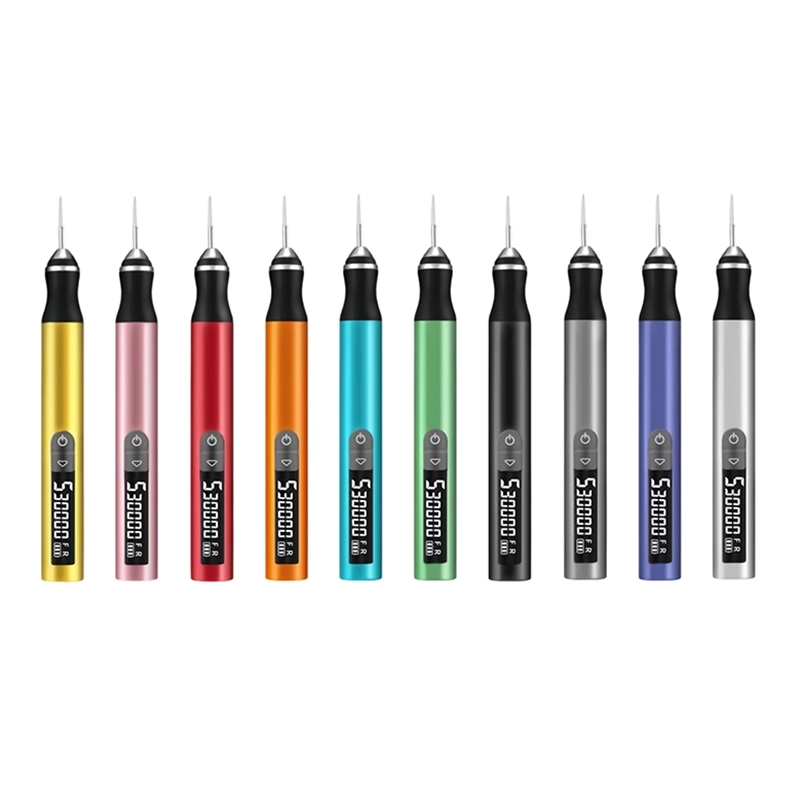
The current H101 record describes a 136 × 18 mm, 59 g platform with a coreless motor, 4V/7.4V ratings, five adjustable speed levels, a digital display and a stated 30,000 RPM speed. It records a 600 mAh polymer lithium battery, Type-C charging at 5V-1A, an approximately 60-minute charging time and a 2.35 mm metal chuck. A stated 230 g.cm value is labelled as stall torque in the source record, so it should not be presented as working torque or as a measured task result.
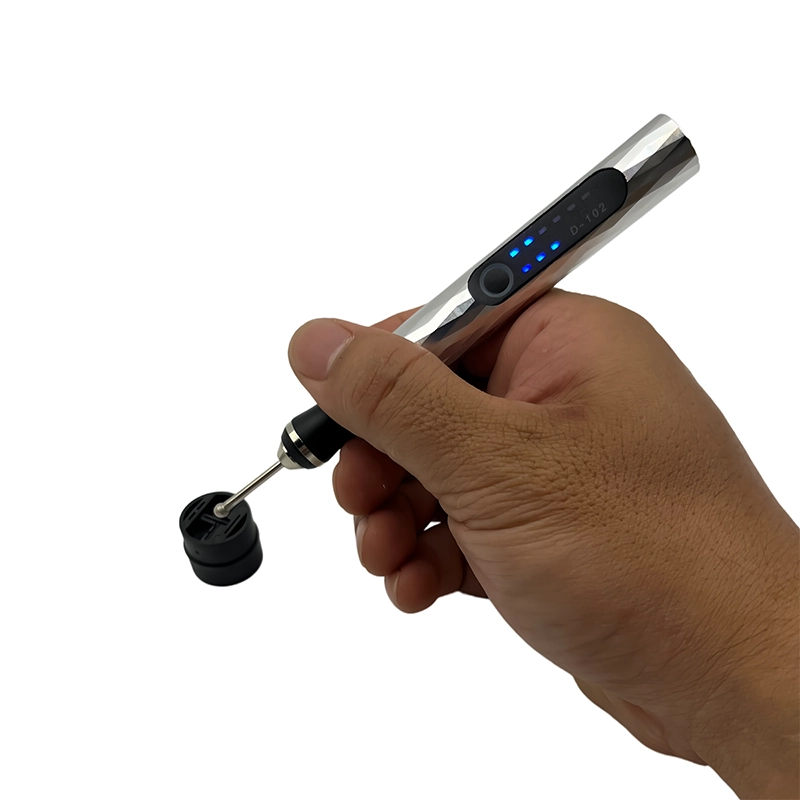
The current H102 record also describes a 136 × 18 mm, 59 g, five-level digital platform with a coreless motor, a 2.35 mm metal chuck, a 600 mAh lithium-polymer battery, Type-C charging at 5V-1A and a stated speed up to 30,000 RPM. H101 and H102 can look similar in a comparison table, but the buyer should still freeze the exact model, revision, cosmetic construction, control behavior, battery, accessory list and package. Similar public values do not make two production records interchangeable.
How should speed, motor, battery and collet requirements be written?
Write speed as an operating requirement rather than requesting the highest number. Define the intended material and task, the available settings or range, how the setting is displayed, the load condition for any measurement and the acceptance method. No-load RPM is not the same as speed under a real engraving, grinding or polishing load. If the project requires a numeric tolerance or repeatability statement, agree the instrument, fixture, sample count, battery condition and data format before testing.
Identify the motor by approved manufacturer code or controlled construction where the project requires that level of control, not only by the words carbon brush or coreless. Record voltage, controller, direction if relevant, current or protection behavior where specified, noise or vibration evaluation method and thermal stop conditions for the intended duty. The public catalogue does not establish unpublished motor life, vibration, runout or temperature results, so those outcomes must come from a written order-specific method and retained observations.
For the battery and charging system, record the cell or pack manufacturer and model where controlled, chemistry, nominal voltage, rated capacity, watt-hour calculation, protection board, connector, charging input, cable, indicator behavior and permitted use-while-charging decision. A change from 300 mAh to 600 mAh is not merely a marketing upgrade; enclosure fit, protection, charge time, mass, runtime expectations, transport evidence and labels may all require review. Do not approve a substitution from capacity and voltage alone.
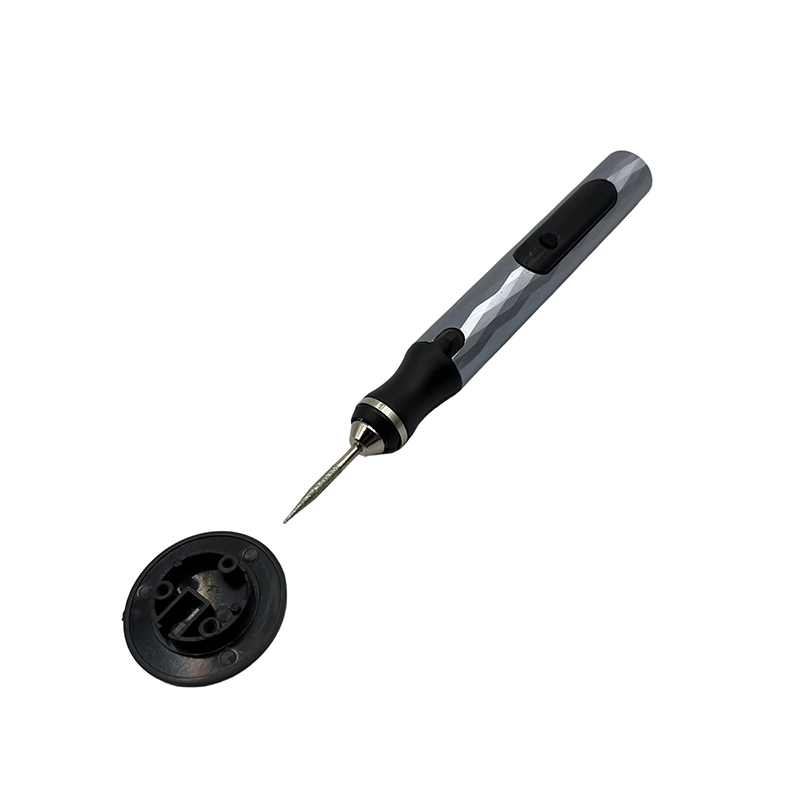
Treat 2.35 mm as the nominal interface named in these three current product records, not proof that every accessory will run safely or accurately. The accessory file should identify shank diameter, working geometry, material, maximum permitted speed, quantity and intended operation. Sample checks should cover seating depth, retention, visible damage, installed runout under an agreed method and access to the target feature. A large accessory count cannot compensate for an unclear or unsuitable bit map.
What should a production-intent sample approval include?
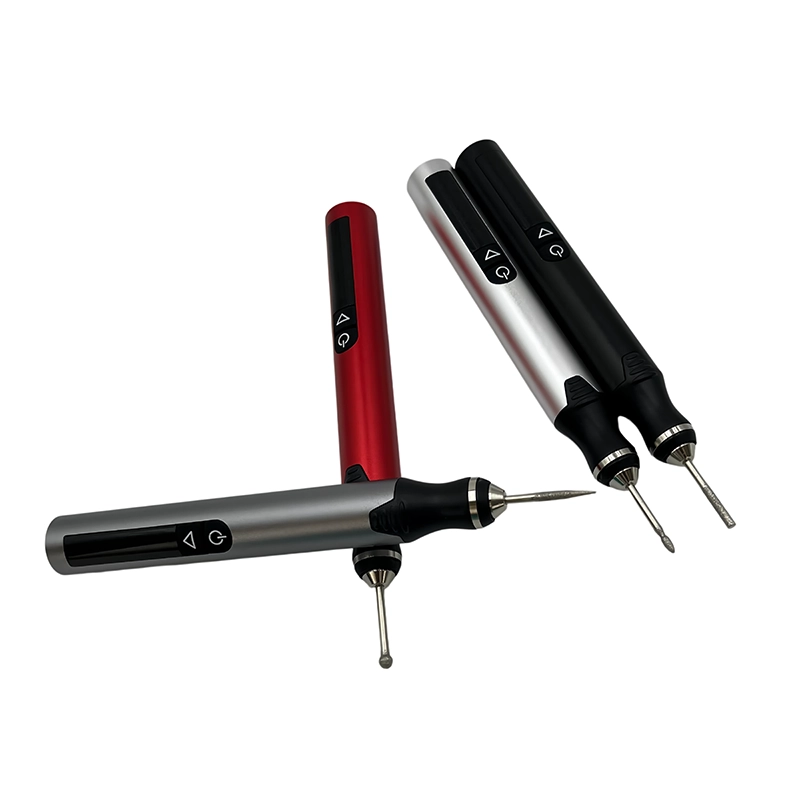
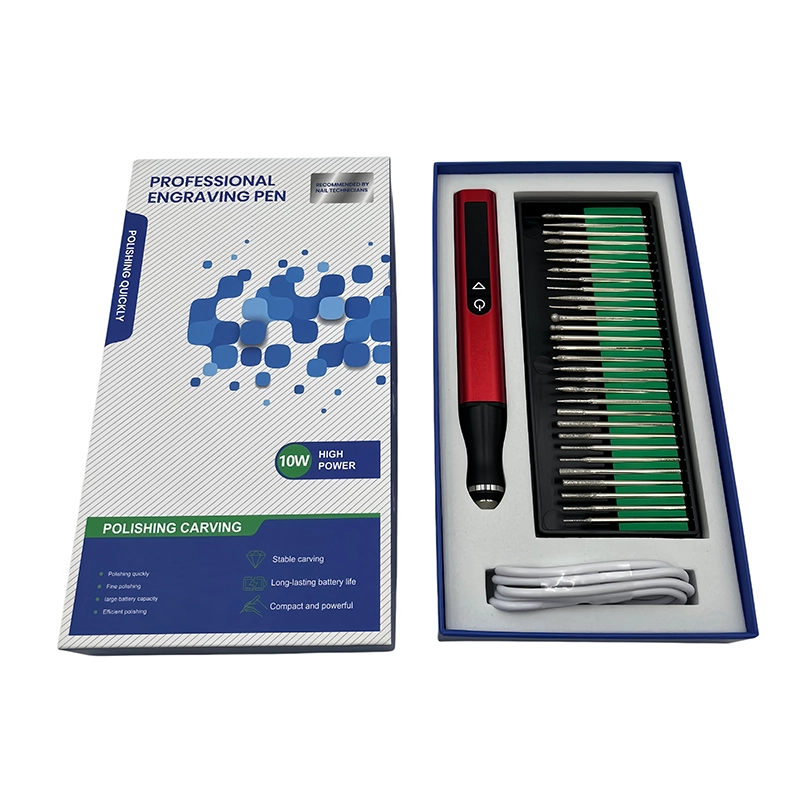
Approve the complete saleable unit, not a bare engineering sample. The record should identify tool model and revision, housing and finish, controls, motor, controller, battery, charging cable or charger, collet, every accessory, case or tray, manual, labels, retail packaging and export carton. Photograph or otherwise identify the approved configuration, and link it to the specification, artwork and bill-of-materials revision used for production preparation.
Build the evaluation around representative tasks. For jewelry, craft, electronics, nail, model-making or 3D-print finishing projects, provide actual or controlled sample materials with defined features to engrave, grind, drill, deburr or polish. State the permitted accessory and speed setting, duration, stop rule, inspection point and acceptance criterion. An uncontrolled demonstration on an easy material does not establish suitability for every customer task, and an attractive finished sample does not explain whether the process is repeatable.
Separate objective checks from buyer judgment. Model identity, dimensions, mass, battery label, charger input, accessory count, collet size, control sequence and package contents can be recorded directly. Appearance, hand feel, noise character or task finish need an agreed reference and viewing or operating conditions. Record exceptions and disposition rather than editing a result to match expectations. If a requirement has no agreed method, label it unresolved before sample approval.
How should quality control follow the approved sample?
Create a control plan that follows the product from incoming parts through assembly and pack-out. Incoming checks can identify critical battery, motor, controller, collet, accessory and housing records against the approved sources. In-process checks can cover assembly orientation, fastening, wiring, controller response, speed selection, indicator behavior and obvious damage. Final checks should confirm the finished configuration, required functional method, appearance reference, documentation, labels and package contents before lot release.
Sampling must name the lot, characteristic, method, equipment, frequency, acceptance rule and response to a failure. The words full inspection or random inspection are incomplete without those fields. A buyer should also distinguish process checks from model validation: a short production function check may detect assembly errors but cannot replace battery, transport, electrical, endurance or application work that requires another method and sample plan.
Retain useful records with identifiers that can be reconciled. At minimum, the purchase order, approved specification, model and revision, sample approval, artwork, controlled suppliers, inspection records, exceptions, change approvals and shipment release should refer to the same saleable configuration. Where a buyer requests photographs or measurement files, agree privacy, retention and delivery rules. Records should support a decision; volume alone is not evidence of effective control.
Which changes require buyer review before production?
Define a written trigger list before the first approval. Changes to the motor, controller, PCB, firmware where present, battery cell or pack, protection circuit, charger or cable, collet, spindle, bearing, housing material, accessory material, supplier, label, manual, retail pack, carton or manufacturing location can affect function, evidence or commercial risk. The supplier should describe the proposed change, reason, affected stock, comparison evidence and implementation date before using it for the buyer's order.
Not every change requires the same response. A corrected typographic error may need artwork approval; a color change may need an appearance sample and material confirmation; a new battery or motor may reopen functional, safety, transport and documentation review. The buyer and supplier should assign a risk level and decide whether document review, a partial sample or a complete production-intent reapproval is required. Silence should never be treated as automatic approval.
Include change control in repeat orders and after-sales planning. A replacement tool, battery, cable, collet or accessory should be compatible with the released configuration and identifiable by part or revision. If the platform changes, decide how old and new stock, manuals, listings, spare parts and customer support will be separated. This prevents a later shipment from carrying the same commercial name while delivering an uncontrolled technical variation.
What compliance and lithium-battery records should importers request?
Define the destination, buyer and importer roles, saleable configuration and route to market before requesting documents. A cordless product with a lithium battery may raise product-safety, electrical, electromagnetic, chemical, battery, labelling, packaging, customs and transport questions, but the applicable list depends on market and model. CE or RoHS wording should not be applied universally, and a report for a similar product or another legal entity should not be accepted without documented linkage.
Request evidence by exact model, revision and accountable party. Review the document title, issuing or testing party, applicant or manufacturer, model list, standard or rule, dates, report or certificate number, sample description and relationship to the order. The XOENAEN compliance-document guide provides a market-specific intake method; it does not state that D-102, H101 or H102 holds an unpublished certification. Missing public evidence should remain a quotation-stage question rather than being filled with a generic badge.
Lithium transport is a separate workstream. Match the battery in the approved tool to the applicable UN 38.3 test-summary evidence, and do not use an SDS or MSDS as a substitute. Record watt-hours, whether batteries are contained in or packed with equipment, battery count, package quantity, origin, destination, mode, route and carrier. A qualified logistics party should decide current classification, packing, marks, labels and shipment documents for the actual package.
How should packaging and after-sales support be specified?
Freeze packaging around the real channel. A distributor carton, retail shelf pack, e-commerce parcel and promotional kit can need different protection, labels, languages, barcode control and unboxing logic. Specify the retention of the tool and accessories, cable placement, manual and warning locations, retail dimensions, unit and carton weights, carton quantity and artwork revision. Measure production-intent packaging rather than copying preliminary catalogue data into a listing or freight booking.
Agree how packaging will be evaluated. The plan may include visual, dimensional, barcode, retention or route-specific handling checks, but the method and acceptance criteria must be written before a result is claimed. A generic drop-tested statement is not enough without the exact package, test method, conditions, observations and disposition. If a marketplace or carrier has its own current requirements, the seller or shipper should supply and verify those account- and route-specific instructions.
After-sales terms should identify the warranty scope offered for the order, claim window, required evidence, response route, replacement or credit decision, failure-sample handling and spare-part plan. Ask whether the supplier can maintain matching cables, collets, accessories, batteries or complete tools for the intended sales period, but require order-specific confirmation. A broad service promise is less useful than a written process connected to the released model and lot.
What belongs in a cordless rotary tool OEM brief?
Send the legal buyer and brand information, target countries and channels, forecast and initial quantity, candidate model, application materials and tasks, speed and control needs, motor and battery fields, 2.35 mm accessory map, color and logo, manual and label languages, retail and shipping package, compliance-document request, transport route, sample acceptance criteria, production inspection expectations, change-control triggers and after-sales terms. Mark each item as required, preferred or open for supplier proposal.
Ask the supplier to return a gap table instead of a yes-or-no promise. Each requirement should show the proposed configuration, existing evidence, new work needed, commercial impact, responsible party and approval gate. Compare quotations only after scope is aligned. Unit price can be distorted when one proposal excludes sample revisions, artwork, packaging, documentation, transport preparation, inspection records or spare parts that another proposal includes.
A disciplined sourcing sequence is identity, configuration, evidence plan, quotation, production-intent sample, release records, controlled production and shipment approval. This sequence does not guarantee a commercial outcome, but it exposes unresolved assumptions while they can still be corrected. Buyers can use the XOENAEN rotary product records as starting references, then request a model-specific proposal and evidence list for the real market and task.
Current XOENAEN rotary platforms to verify in an OEM brief
| Field | D-102 catalogue record | H101 catalogue record | H102 catalogue record |
|---|---|---|---|
| Size and net weight | 119 × 16 mm; 40 g | 136 × 18 mm; 59 g | 136 × 18 mm; 59 g |
| Motor | Carbon-brush motor | Coreless motor | Coreless motor |
| Stated speed system | Three levels; 18,000 RPM no-load speed | Five levels; 30,000 RPM | Five levels; up to 30,000 RPM |
| Battery | 300 mAh polymer lithium | 600 mAh polymer lithium | 600 mAh lithium polymer |
| Charging | Type-C; 5V-1A; approximately 30 minutes | Type-C; 5V-1A; approximately 60 minutes | Type-C; 5V-1A; approximately 60 minutes |
| Accessory interface | 2.35 mm metal chuck | 2.35 mm metal chuck | 2.35 mm metal chuck |
| Buyer control | Confirm order revision and sample | Confirm order revision and sample | Confirm order revision and sample |
- Match the quotation, contract, payment beneficiary and document request to one verified legal company.
- Define which product, production, inspection and external-provider responsibilities apply to the selected model.
- Freeze motor, battery, controller, speed system, 2.35 mm collet, accessories and charging configuration.
- Approve a complete production-intent sample against representative tasks and written acceptance criteria.
- Connect incoming, in-process and final checks to the approved specification and saleable pack.
- Require risk-based written approval for battery, motor, controller, collet, accessory, supplier and packaging changes.
- Request market documents by exact model, revision, legal entity, destination and importer responsibility.
- Match lithium battery evidence and shipment controls to the actual battery, package, route, mode and carrier.
- Confirm retail and export packaging, labels, manuals, carton data and channel-specific requirements.
- Define warranty, claims, spare parts and repeat-order compatibility in the commercial agreement.
- View the referenced XOENAEN rotary-102 product →
- Map manufacturing and quality-control checkpoints →
- Request model documents and buyer resources →
- Understand the public quality-evidence boundary →
- Build a market-specific compliance document list →
- Separate UN 38.3 evidence from SDS and shipment records →
- Specify an OEM mini rotary tool for 3D-print finishing →
- Read the related rotary-tool-oem-first-article-acceptance guide →
How can a buyer verify the legal company behind a cordless rotary tool quotation?
Compare the company name on business records, quotation, contract, bank beneficiary, invoice and model-document request. For XOENAEN, the public operating company is Shenzhen ToolQeen Technology Co., Ltd.; ToolQeen is another brand of the same legal company, not a second factory.
Does a China supplier's product catalogue prove factory ownership?
No. A catalogue can identify proposed models and specifications, but it does not prove ownership of a site or machine, current capacity or order-level results. Verify responsibilities and traceable process records for the selected product.
Which XOENAEN cordless rotary model should an OEM buyer choose?
Choose from the real task and approved configuration. D-102 is a smaller three-level, 300 mAh catalogue platform; H101 and H102 are five-level, 600 mAh catalogue platforms. Representative sample approval must decide suitability.
Is a 2.35 mm collet enough to confirm accessory compatibility?
No. Confirm shank tolerance, seating, retention, accessory geometry and material, permitted speed, installed runout method and task access. The nominal interface alone does not establish safe or effective use of every accessory.
What should be frozen on a cordless rotary tool sample?
Freeze the model and revision, housing, motor, controller, battery, charging system, speed behavior, collet, accessory map, cable, manual, labels, case, retail pack and export carton, then link them to acceptance records.
Which rotary tool component changes need buyer approval?
At minimum, define review triggers for the motor, controller, PCB, battery, protection circuit, charging parts, collet, spindle, housing, accessories, controlled suppliers, labels, manuals, packaging and manufacturing location.
Do D-102, H101 or H102 automatically have CE or RoHS coverage?
Do not assume so. Applicable requirements and available evidence must be checked for the exact model, revision, legal entity, battery and charging configuration, destination market and importer role during quotation.
What battery records are needed before shipping a cordless rotary tool?
Match the exact battery to relevant UN 38.3 test-summary evidence, record watt-hours and packing arrangement, and give the route, mode, carrier and package data to a qualified logistics party. An SDS is not a substitute.