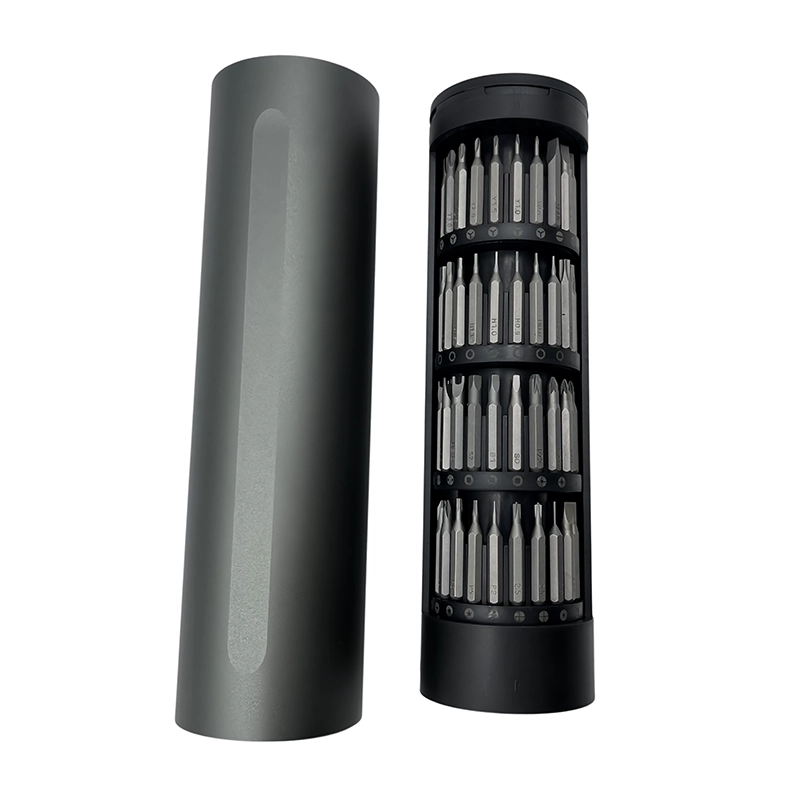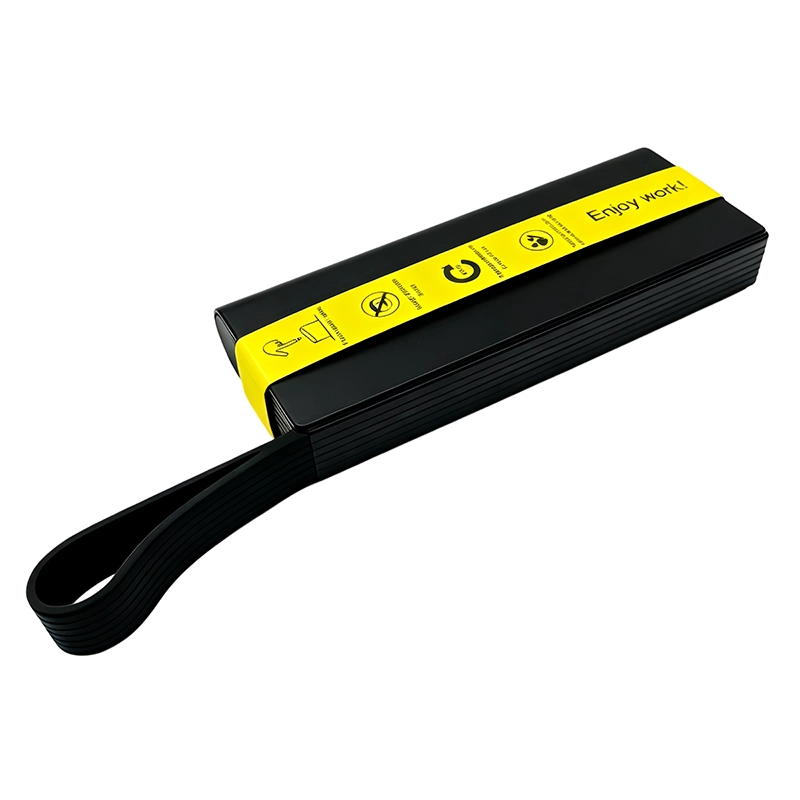
A field electric screwdriver kit should contain only the driver, profiles, reach options and support accessories proven for the technician’s service list. Use secure labeled storage, a verified charging cable, critical spare bits and a return-to-case check. Separate precision hardware from larger installation tools and follow transport rules that apply to rechargeable equipment in the destination and travel mode.
Field-service electric screwdriver kit
A portable, controlled tool pack configured around a technician’s device list, travel conditions, charging access, replacement items and between-site inventory routine.
The practical setting is moving between customer sites to service network devices, small electronics and smart hardware without access to a full repair bench. The central risk is that a field kit can arrive with a flat battery, missing security bit, contaminated case or damaged cable, turning a routine visit into a delay. That is why the tool decision begins with the device, fastener and work sequence. A compact powered driver can remove repetitive rotation from a careful process, but it cannot identify the screw, authorize the repair or decide whether a damaged joint is safe. The operator still needs a stable fixture, clean visibility, the correct bit and a written stop rule.
What problem does this workflow solve?
What belongs in a field technician’s electric screwdriver travel kit? The useful answer is narrower than a general yes or no. The driver must be evaluated as one part of a tool system: handle, motor control, installed bit, workholding, screw map, user instruction and inspection. In this case, the most important controls are to derive bit profiles and reach from the installed device population; to use positive retention so bits cannot scatter in a vehicle or customer space; to carry only verified charging accessories and inspect them between visits; and to define a compact spare strategy for the most failure-prone items. Each control addresses a different failure path, so one impressive specification cannot replace the complete sequence.
Plan moving between customer sites to service network devices, small electronics and smart hardware without access to a full repair bench around the condition actually found at the bench. In this workflow, a field kit can arrive with a flat battery, missing security bit, contaminated case or damaged cable, turning a routine visit into a delay Record the original screw, receiving structure and nearby component condition before power is applied, then use derive bit profiles and reach from the installed device population as the first control. If those observations fall outside the stated service boundary, pause under the accountable product or workplace procedure so any later escalation starts with preserved evidence.
Why can powered rotation create a different risk?
Powered rotation changes the decision window for electric screwdriver travel kit for field technicians: the operator has less time to notice the specific failure described by this risk—a field kit can arrive with a flat battery, missing security bit, contaminated case or damaged cable, turning a routine visit into a delay. Separate initial engagement, repetitive travel and final seating, and assign use positive retention so bits cannot scatter in a vehicle or customer space to the travel stage while carry only verified charging accessories and inspect them between visits governs the transition. This sequence keeps motor convenience away from the moment that requires product-specific hand feedback or an approved measured method.
Qualify the bit for electric screwdriver travel kit for field technicians as part of the powered system, not as a disposable afterthought. Check profile, working length, straightness and wear against define a compact spare strategy for the most failure-prone items; then clean the recess and holder and observe alignment from the access angles available in moving between customer sites to service network devices, small electronics and smart hardware without access to a full repair bench. If the tip rocks, scrapes an adjacent feature or changes the expected sound, replace or quarantine it instead of compensating with speed or pressure.
How should the task be prepared before the trigger is used?
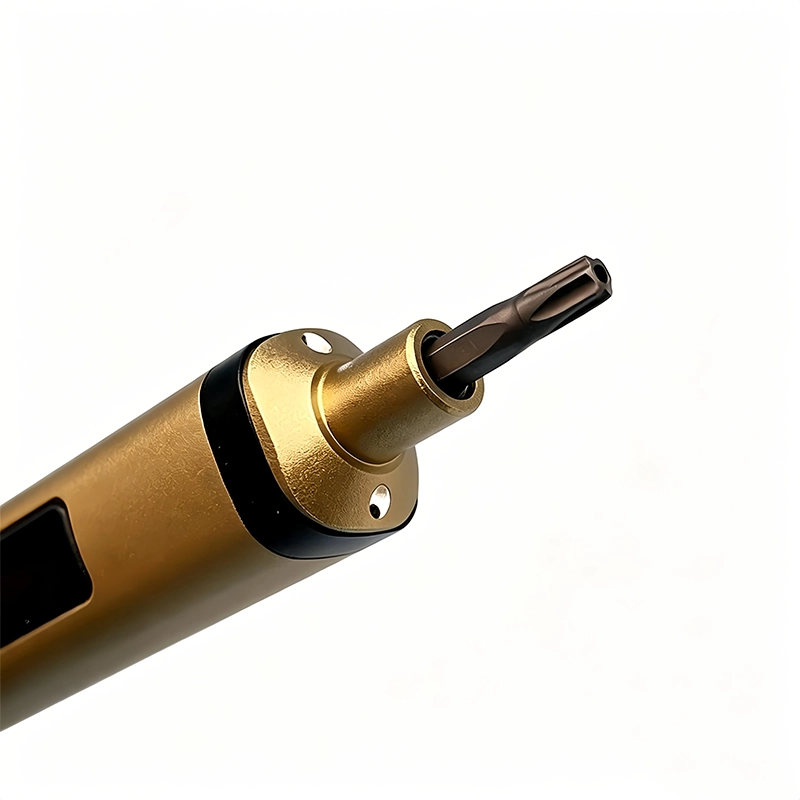
Analyze recent service tickets and list the profiles actually used. Create a primary and spare-bit position for high-frequency security profiles. Preparation should also include a clear place for the driver when it is not in use and a separate place for removed hardware. This prevents the tool, bit or customer screw from migrating into the working assembly. If the task exposes a board, battery, cable, seal, optical surface or calibrated structure, define when the powered tool leaves the work zone.
Charge and inspect the driver before dispatch using its documented procedure. Short runs provide deliberate inspection points. After each meaningful stage, look at the screw head, bit and receiving structure. If the sound, position or resistance differs from expectation, release the control immediately. The objective is not to keep the motor running; it is to complete the joint without losing information about the condition of the product.
What is the step-by-step operating sequence?
1. Establish the service boundary
Analyze recent service tickets and list the profiles actually used. Confirm that the task is appropriate for the operator and that the product is in the required safe state. Identify anything that needs authorized service, special measurement, calibration or a different tool class. A bit that physically fits is not evidence that a repair is permitted or that the complete assembly can be restored correctly.
2. Build the fastener and workholding plan
Create a primary and spare-bit position for high-frequency security profiles. Support the assembly near the fastener without blocking the operator’s view. Map hardware by location and stage, not only by color or apparent size. If two screws look alike, assume location still matters until the service information or measurement shows otherwise.
3. Qualify engagement before powered travel
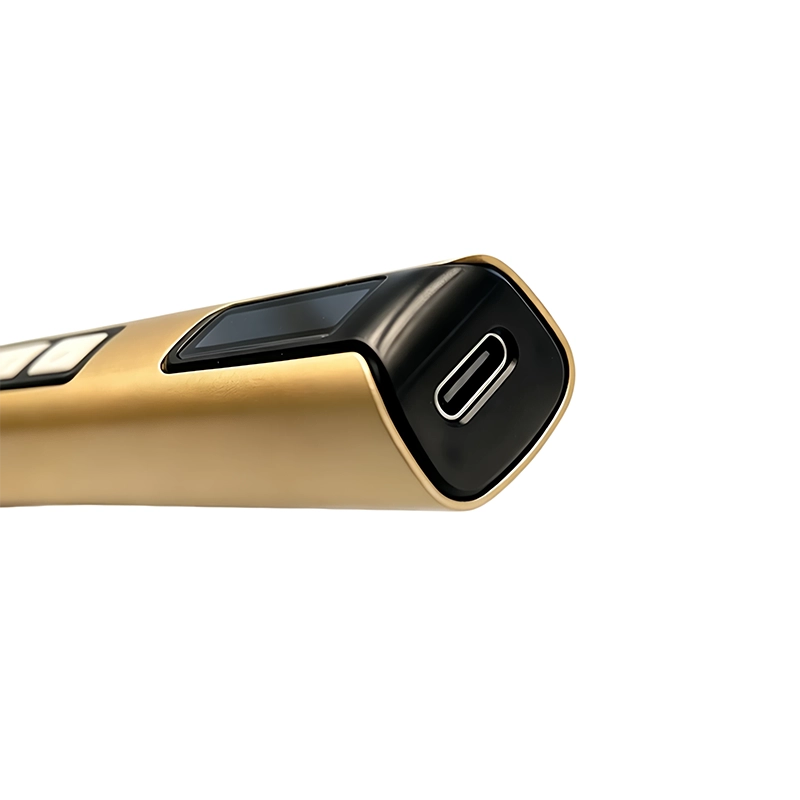
Charge and inspect the driver before dispatch using its documented procedure. The bit should enter to its designed depth without rocking or scraping adjacent features. Start slowly and keep axial alignment. When thread engagement is part of reassembly, use hand feedback first unless a validated work instruction explicitly defines another method.
4. Inspect before final assembly
At the site, keep removed customer hardware on a separate mapped tray. Clean the work area and account for every removed item. Check the screw recess, receiving thread, joint stack and nearby components. Do not conceal a cracked post, rotating insert, damaged seal or wrong-length fastener by applying more force.
5. Close and verify
Before leaving, count tools, wipe the case, record damage and restore the kit to its dispatch state. Completion means more than seeing every screw installed. The enclosure or structure should sit naturally, the intended moving parts and cables should have clearance, and the product should pass the maker’s stated post-service checks. Record exceptions so the next repair starts with better information.
Which approach should a buyer or technician choose?
Bench kit is characterized this way: Can hold broad inventory and multiple backup tools. By comparison, Field kit is characterized this way: Must balance coverage, secure transport, weight and fast visual accountability. Neither label is universally superior. The decision depends on the screw condition, access, receiving material, consequence of error, workload and evidence available for the exact product.
Design backward from service history; portability comes from removing unused items while protecting the profiles and spares that prevent a second visit. This recommendation keeps the application question separate from the marketing specification. Maximum speed, peak torque, battery size and accessory count can describe a platform, but they do not by themselves prove safe control at a particular screw. The accepted configuration should be demonstrated on representative hardware and documented so another operator can repeat it.
How should a buyer specify and approve the kit?
Specify case closure, labels, cable storage, spare-bit availability and carton data when sourcing a field-service kit for a distributed team. The RFQ should name target devices, fastener profiles and sizes, required working lengths, driver modes, charging pack-out, storage layout, manual languages and sample quantity. For every numerical or compatibility claim, ask what exact model, method and evidence supports it. Keep the approved sample and revision record connected to the purchase specification.
For electric screwdriver travel kit for field technicians, the sample review should connect appearance and controls to this recommendation: Design backward from service history; portability comes from removing unused items while protecting the profiles and spares that prevent a second visit. Review the installed bit, representative screw sequence, charging state, indicators, case, labels and manual in that context. Specify case closure, labels, cable storage, spare-bit availability and carton data when sourcing a field-service kit for a distributed team. Any change to the motor, battery, cable, bit map or insert must be assessed against this same task before a revised configuration enters production.
What common mistake should the workflow prevent?
The common mistake is copying a repair-bench kit into a travel bag without securing loose bits or checking the day’s device list. Prevent it with a visible instruction and an observable stop condition. Telling an operator to “be careful” is not a process. Telling the operator which bit to use, where to place the screw, when to switch from hand to power and what condition requires a stop creates a repeatable decision.
Use field and return records to improve the electric screwdriver travel kit for field technicians workflow. Code the observed result of a field kit can arrive with a flat battery, missing security bit, contaminated case or damaged cable, turning a routine visit into a delay, the contributing setup and whether copying a repair-bench kit into a travel bag without securing loose bits or checking the day’s device list was present, rather than merging everything into a generic tool complaint. A recurring pattern can then point to instruction, labeling, accessory choice, product design or supplier control without inventing a performance claim from an unverified report.
Practical buying recommendation
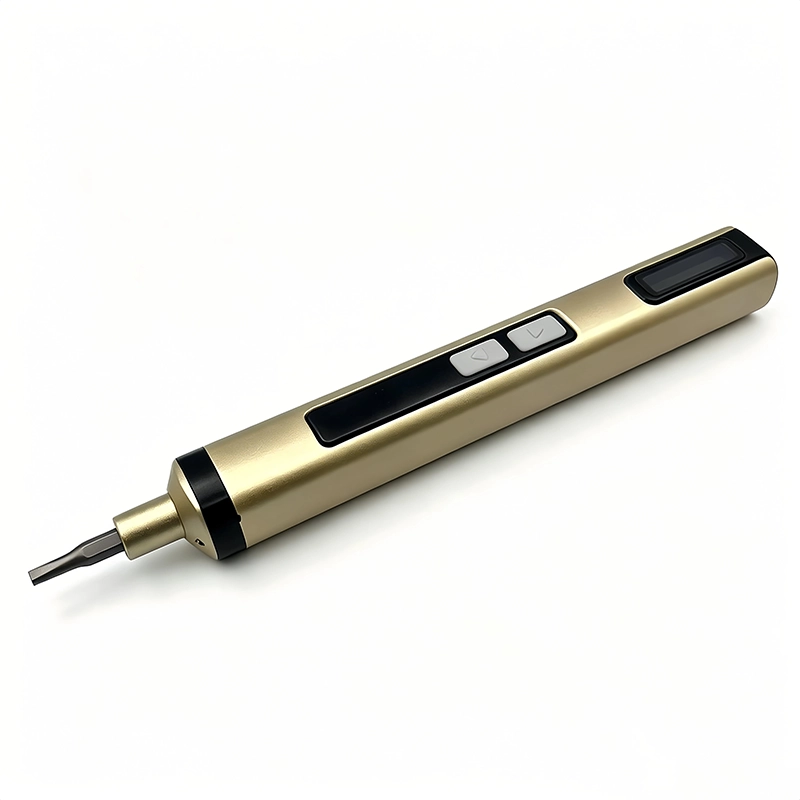
XOENAEN 50-in-1 electric screwdriver set is the real XOENAEN catalogue reference used for electric screwdriver travel kit for field technicians. Compare its current model record, bit layout and physical sample with moving between customer sites to service network devices, small electronics and smart hardware without access to a full repair bench; this article does not turn that catalogue entry into universal compatibility or an unverified device result. Send the target device or joint list, project volume, market, packaging and the buyer requirement “Specify case closure, labels, cable storage, spare-bit availability and carton data when sourcing a field-service kit for a distributed team.” for a model-level recommendation.
Bench kit compared with Field kit
| Approach | Best use | Primary control |
|---|---|---|
| Bench kit | Can hold broad inventory and multiple backup tools | derive bit profiles and reach from the installed device population |
| Field kit | Must balance coverage, secure transport, weight and fast visual accountability | use positive retention so bits cannot scatter in a vehicle or customer space |
- Define the exact customer question: What belongs in a field technician’s electric screwdriver travel kit?
- Document the real application: moving between customer sites to service network devices, small electronics and smart hardware without access to a full repair bench
- Verify the first technical control: derive bit profiles and reach from the installed device population
- Verify the second technical control: use positive retention so bits cannot scatter in a vehicle or customer space
- Approve the sample against XOENAEN 50-in-1 electric screwdriver set
- Record the bit map, charging pack-out, labels and change-control owner
- XOENAEN 50-in-1 electric screwdriver set →
- How to choose a precision electric screwdriver →
- Electric screwdriver torque guide →
- XOENAEN OEM and ODM process →
- Manufacturing and quality control →
- Read the related electric-screwdriver-private-label-repair-kit guide →
- Continue with the electric-screwdriver-esd-aware-electronics-workflow topic →
- How XOENAEN presents quality evidence →
Should a field kit include every available bit?
No. It should cover the verified service population plus defined exceptions and critical spares.
Why carry spare bits?
A worn or damaged high-frequency bit can otherwise stop a site visit even when the driver works.
How should customer screws be stored?
Use a separate labeled tray or map so they never enter the technician’s bit case.
Is any USB-C cable acceptable?
Use charging accessories that meet the tool maker’s documented requirements and inspect them before travel.
What is the last field-service step?
Count and reset the kit, record damage and confirm that no tool or customer hardware remains on site.