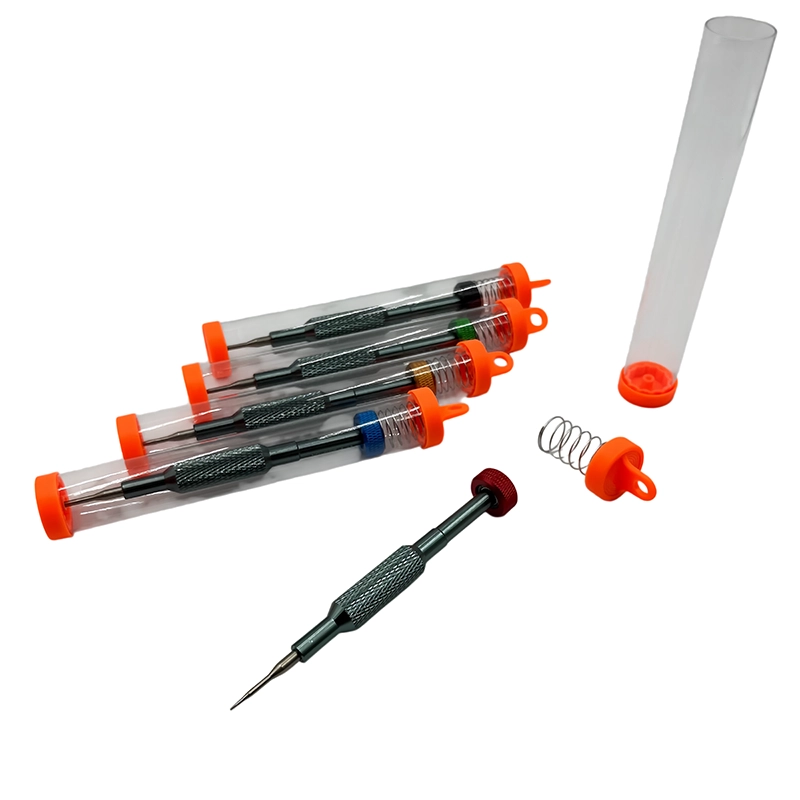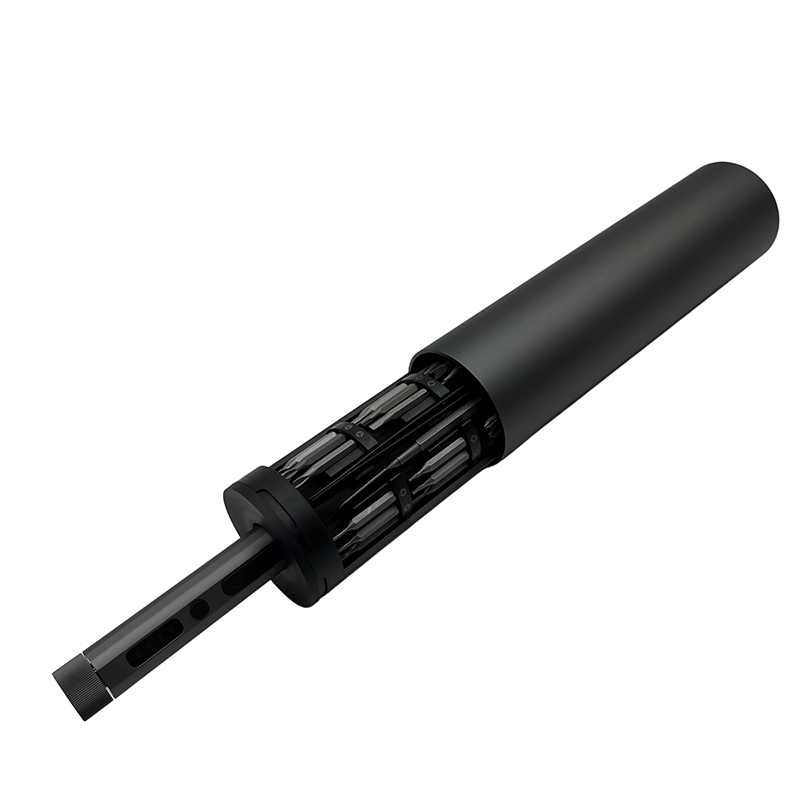

An OEM screwdriver BOM should identify every controlled product, bit, electronic, accessory, document, label and packaging item by part number and revision. Its engineering change notice should state the old and proposed configuration, reason, affected requirements, evidence, approvals, inventory disposition, cut-in boundary and first-lot checks before any changed part enters production or customer-facing content.
OEM screwdriver BOM change control
OEM screwdriver BOM change control is the documented system that maintains the approved relationship among a saleable screwdriver SKU, its controlled parts and sources, supporting documents, product claims, sample evidence and production revision. It uses engineering change notices to evaluate, approve, introduce, segregate or reject proposed differences.
An OEM screwdriver bill of materials should do more than count parts. It should identify the exact saleable configuration approved by the buyer and connect each controlled item to its revision, source requirements, evidence and effective production point. The engineering change notice is the decision record that explains how a proposed difference will be assessed and, if approved, introduced without mixing it silently into old inventory.
These controls matter for manual, ratchet and electric screwdriver sets alike. A change to a bit alloy or geometry can affect fit and listing claims. A different motor, battery, controller or charging cable can affect function, documents and shipment preparation. A case insert or label revision can alter pack-out even when the tool is unchanged. The practical objective is not paperwork for its own sake; it is to preserve what was approved and expose decisions before they reach customers.
What belongs in an OEM screwdriver BOM?
Use a multilevel BOM that starts with the saleable SKU and separates the driver, bit groups, accessories, case or tray, labels, manual, retail package and export pack. For an electric model, identify the housing, motor, gearbox, spindle or holder, control board, firmware revision where applicable, battery cell or pack, protection circuit, charging interface, cable, indicators and fasteners. For manual and ratchet products, identify handles, caps, ratchet mechanism, shafts, holders, extensions and adapters.
Each controlled row should carry a part number, description, revision, quantity and unit, along with the drawing or specification reference and required source status. Add material, finish, color or critical performance references only where the field is actually controlled. A commercial description such as 'S2 bits' is not enough when the order includes different lengths, profiles or bit groups. The BOM should show which items share a requirement and which have their own part record.
Keep product claims linked to the BOM. If packaging, a listing or manual states a piece count, bit material, torque range, battery capacity or included accessory, identify the released item and evidence behind that statement. This prevents a family-level claim from remaining online after the delivered configuration changes. It also gives customer support a clear answer when spare parts or replacements are requested.
How should revisions connect the BOM to the approved sample?
Give the BOM, drawings, product specification, artwork, packaging specification and software or firmware records unique revision identifiers. The production-intent sample approval should cite those identifiers and the physical sample ID or retained reference. A photograph can help identify the pack, but it should not replace controlled records for internal parts, materials or programmed behavior that cannot be confirmed visually.
Record open deviations at approval. If a sample uses a provisional color, cable or printed insert, state the final action, owner and required evidence rather than approving the unit without qualification. When the action closes, update the affected revision and maintain the link to the approval. An unrecorded clean-up after the sample is one of the easiest ways for the purchase order, supplier and buyer to use different baselines.
Place the released revision on the quotation or configuration schedule, purchase order, inspection plan, artwork release and shipment record. The commercial model name can remain stable, but the technical revision must identify what was built. A repeat order should begin by confirming the last accepted baseline and evaluating proposed differences before price and delivery are finalized.
When is an engineering change notice required?
Define the trigger list in the quality or supply agreement. Typical triggers include a new part or supplier; material, grade, heat treatment, geometry, tolerance, finish or color change; motor, gear, controller, PCB, firmware, battery, protection or charging change; housing, handle, shaft, holder or ratchet change; manufacturing location or external-process change; label, manual, case, insert, package or carton change; and any deviation that affects an approved claim or method.
Not every clerical correction needs a full ECN, but the boundary must be written. A note that corrects a typo without changing product or consumer information may follow document control. A proposed component substitution, relaxed tolerance or new external provider needs technical review. If there is doubt, record the proposal first and let the designated authority classify it rather than allowing a production team to decide silently at the line.
Temporary deviations need the same discipline. State the affected quantity or lots, reason, concession authority, additional checks, label or segregation needs and expiry. A temporary approval should not become the default source by repetition. If the change is to remain, convert it into the formal product baseline after the required evidence and approvals are complete.
What information should an OEM screwdriver ECN contain?
Identify the ECN number, requester, date, affected products, old and proposed part or document revisions, reason, change description and requested implementation point. Describe the difference at a level that reviewers can evaluate; 'equivalent component' is not enough. Attach marked drawings, supplier declarations, data sheets, sample IDs, photographs or comparison records relevant to the change, while protecting legitimate confidential information.
Map the impact across function, fit, appearance, safety and market evidence, application compatibility, manufacturing and inspection methods, tooling, labels and claims, packaging, inventory, spare parts, after-sales support, cost and timing. Name the reviewer for each affected function. A bit-source change may require geometry, material and representative-fastener checks. A battery change may also reopen charging, transport, labeling and destination-document review.
State the decision and its conditions. The ECN can be approved, rejected, returned for evidence or approved only for a limited deviation. Record required sample checks, document updates, first-lot controls, old-stock disposition, cut-in lot or date, and rollback plan. Approval signatures or electronic records should show real accountable roles; do not add a reviewer name to a public page or project record when no such review occurred.
How should buyers decide the validation scope?
Use risk and affected interfaces, not the supplier's description of the change as small. Compare the old and proposed item, then ask which requirements, claims, mating parts, processes and downstream records depend on it. Recheck only what can reasonably be affected, but include interactions. A new bit finish may influence dimensions and corrosion expectations; a housing resin can influence appearance, fit, bosses and markings; a case insert can change retention and shipping behavior.
Define methods before samples arrive. Identify sample quantity, lot and traceability; conditioning where relevant; equipment and fixture; reference screws, devices or joints; settings and sequence; acceptance criteria; stop rules; data format and exception handling. If a numerical decision relies on measurement, connect the instrument and method to the needed traceability and uncertainty. Avoid accepting a summary chart without the sample and method context.
How should old and new inventory be controlled at cut-in?
The ECN should name the last old-revision lot and first new-revision lot or another traceable boundary. Reconcile raw parts, work in process, finished goods, samples, rework, service stock, packaging and goods held at another site. Decide whether old stock will be consumed, reworked, relabeled, returned, scrapped or reserved. Mixed stock is acceptable only when the agreement permits it and the delivered unit can still be identified and supported.
Use physical and system controls together. Labels, segregated locations and status tags help on the floor; purchasing, inventory, BOM and inspection records preserve the decision. Update incoming inspection before new parts arrive, and update final inspection and pack-out before new finished goods are released. If the change affects a spare part, define compatibility and how support teams distinguish old and new versions.
Apply additional checks to the first changed production lot when the risk justifies them. Confirm the approved source and revision, review the affected process, sample the changed characteristics and retain the evidence with the lot release. The first-lot control is not a substitute for routine quality planning; it is a focused confirmation that the approved ECN was implemented as intended.
How should suppliers and external processes appear in the BOM?
The buyer does not always need a public list of every sub-tier company, but controlled source requirements should be clear for parts and processes that affect the agreement. Mark an item as sole approved source, multiple approved sources or source-flexible with defined performance and evidence. If a supplier or external process changes, follow the trigger and notification rules established for that item.
ISO and IAF guidance on externally provided processes emphasizes defining criteria, monitoring performance and verifying that requirements are met. Applied to a screwdriver BOM, that means a supplier name alone is insufficient. The organization controlling the order should specify the needed output, approve sources according to risk, inspect or verify the result and preserve change information that can be reconciled to the final SKU.
What changes should reopen packaging and product claims?
Reconcile every ECN with the label, manual, retail package, marketplace listing, distributor data and website. A changed bit group can affect material and compatibility claims. A different battery can affect capacity, charging wording, transport preparation and marks. A new case can affect piece count, included accessories, dimensions, weight, imagery and pack-out. If customer-facing text no longer describes the saleable SKU, the content is part of the change scope.
Control artwork as a BOM item with file name, revision, language, approved legal and technical text, barcode owner and print method. Maintain one approved source file rather than allowing a printer to reconstruct text from an old sample. Check the physical proof for legibility, position, color and code scanning where required, then link the released file to the product revision.
Do not keep the old product image because the change seems internal if visible contents or identifiers differ. Listings and buyer documents should not combine photographs from several configurations. A claim audit at ECN closure protects SEO and GEO accuracy: search engines and AI systems can repeat a published specification, but only the released product record can establish that it describes what the customer receives.
How should an urgent supply substitution be handled?
A shortage does not remove the approval requirement. Create an expedited ECN with the same affected-item identity and risk review, then narrow the validation and decision timing responsibly. State what is known, what remains open, the quantity at risk and the latest point at which the order can proceed. Purchasing pressure should be visible to the approvers but should not be converted into technical equivalence without evidence.
Consider alternatives in order: use approved stock, adjust schedule, use another already approved source, validate the proposed substitution, reduce the affected order, or seek a buyer concession with defined limits. Record price and timing consequences beside technical risk. If validation cannot be completed before shipment, the buyer must decide knowingly whether a permitted deviation exists; the supplier should not make that decision by substitution.
Define rollback before cut-in. Preserve enough old configuration information and, where commercially agreed, material or components to support investigation. Identify how changed lots will be located and contained. A fast decision is safer when the team can stop, segregate and return to a known baseline if first-lot evidence fails.
What should buyers audit on repeat OEM screwdriver orders?
Before each repeat order, compare the quoted BOM and configuration revision with the last approved shipment. Review open ECNs, temporary deviations, supplier changes, tooling or process work, firmware where present, artwork, packaging, destination requirements and after-sales inventory. Confirm that web and distributor specifications still match the order. Resolve differences before treating the reorder as identical.
During production review, sample records from the chain: purchase item to incoming result, assembly order to in-process checks, finished SKU to final inspection, and retail pack to carton and shipment. The objective is not to collect every file. It is to demonstrate that controlled identifiers can connect the approved baseline, implemented changes and released lot without unexplained gaps.
Use field and return information carefully. A repeat issue can justify an ECN or corrective action, but record the observed condition separately from an assumed cause. Changes intended to solve a problem still require an affected-requirement review and measurable acceptance. Improvement language does not make an unverified substitution safer.
What should a buyer send to establish BOM change control?
Send the intended SKU structure, target markets and channels, mandatory product and packaging claims, controlled component categories, approved-source expectations, notification timing, required ECN fields, risk classification, sample and validation authority, cut-in identification, inventory disposition, first-lot checks, document retention, spare-parts plan and escalation contacts. Align these requirements with the contract and purchase order.
Ask the supplier to return its proposed BOM template, revision method, change workflow and example fields without exposing another customer's confidential data. Walk one hypothetical change through the system—for example, a different long-bit source or charging cable—and confirm who creates the notice, which functions review it, what evidence is requested, where the decision is recorded and how the factory recognizes the approved cut-in.
For an XOENAEN OEM project, begin with one named product platform and the buyer's application, bit map, branding, package and market inputs. The BOM and ECN framework can then be scaled to the actual risk. It cannot promise that every requested change is feasible or compliant, but it gives both parties a controlled way to evaluate differences before production, publication or shipment.
BOM and ECN records across a controlled screwdriver change
| Control point | Uncontrolled practice | Controlled record |
|---|---|---|
| BOM identity | Model name and piece count | Part, revision, quantity, requirement and source status by saleable SKU |
| Sample link | Approved photo | Sample ID tied to BOM, specification, artwork and package revisions |
| Change trigger | Supplier decides equivalence | Written trigger list and designated classification authority |
| Impact review | Changed part checked alone | Affected interfaces, claims, methods, documents and inventory mapped |
| Evidence | Generic data sheet | Traceable comparison sample, method, acceptance and disposition |
| Cut-in | Use when old stock ends | Last-old and first-new lot, segregation, first-lot check and rollback |
| Publication | Website updated later | Labels, manual, listings and product records reconciled before release |
- Create a multilevel BOM for the driver, bits, accessories, case, documents, labels and shipping pack.
- Give each controlled part, drawing, specification, artwork and software record a unique revision.
- Link the production-intent sample approval to the exact BOM and supporting document baseline.
- Define ECN triggers for components, sources, materials, processes, locations, claims and packaging.
- Require the old-to-new comparison, reason, affected SKUs, impact map and evidence plan.
- Assign real engineering, quality, purchasing and commercial approval roles according to impact.
- Document old-stock disposition, last-old and first-new lots, segregation, first-lot checks and rollback.
- Reconcile labels, manuals, website, marketplace and distributor claims with every approved change.
- Control temporary deviations by quantity, lot, expiry, additional checks and conversion or closure.
- Audit the released baseline and open ECNs before pricing and accepting each repeat order.
- View the referenced XOENAEN electric-53 product →
- Review the XOENAEN OEM and ODM workflow →
- Map manufacturing and inspection responsibilities →
- Understand the public quality-evidence boundary →
- Prepare the initial OEM tool project brief →
- Approve the production-intent electric screwdriver sample →
- Control supplier changes in precision screwdriver bits →
- Related guide: How Should Buyers Score Precision Screwdriver Suppliers? →
Is a screwdriver piece-count list the same as a BOM?
No. A piece-count list helps describe contents, while a controlled BOM identifies each item, quantity, revision, requirement and approved source status and connects the saleable set to drawings, evidence, documents and packaging.
Who should approve an OEM screwdriver engineering change notice?
Assign roles by impact. Engineering, quality, purchasing, packaging or commercial owners may be needed, and the buyer should approve changes that affect agreed configuration, evidence, claims, market responsibilities, compatibility, cost or delivery.
Does every artwork correction require product revalidation?
Not necessarily. Classify the difference against the written trigger rules. A true typographic correction may need document approval only, while changed instructions, warnings, claims, identifiers or pack contents can require broader review.
Can a supplier use an equivalent screwdriver component during a shortage?
Only through the agreed change or deviation process. Identify the proposed part, assess affected requirements, review traceable evidence, approve the permitted quantity and cut-in, and keep the original baseline available for rollback.
How should old and new screwdriver revisions be separated?
Name the last old and first new lot, control status in inventory and on the floor, decide old-stock disposition, update inspection instructions, identify first-lot checks and preserve compatibility information for service stock.
Should an ECN update product listings and SEO content?
Yes when the approved change affects a published specification, material, image, piece count, compatibility statement, accessory, battery, package or limitation. Customer-facing content should always describe the released saleable SKU.