Buyers should approve private-label screwdriver packaging by freezing the exact saleable SKU, assigning ownership for every claim and identifier, and controlling one artwork revision across the box, manual and carton. Review a digital proof for content, a loaded physical proof for print and fit, then release production only with named approvers, revision records and documented change triggers.
private-label packaging artwork approval record
A private-label packaging artwork approval record is the controlled file that connects an exact saleable product revision to approved brand assets, claims, product identifiers, languages, diagrams, package construction, proof comments, physical samples, named release decisions and subsequent change controls.
Private-label screwdriver packaging should be approved as a controlled product record, not as an attractive image sent in a chat thread. The buyer, brand owner and supplier need one saleable SKU, one product-and-accessory configuration, one source of approved copy, one artwork revision and one physical proof that can be reconciled with the purchase order. This discipline prevents the box, manual, online listing and delivered kit from describing different products.
Artwork approval does not establish regulatory compliance, barcode ownership or package performance by itself. Those decisions depend on the destination, sales channel, accountable economic operators, exact product and available evidence. The workflow below helps buyers assemble and release accurate files while preserving those boundaries. Legal, marketplace and logistics specialists should review requirements that sit outside the supplier's documented product record.
What must be frozen before artwork work begins?
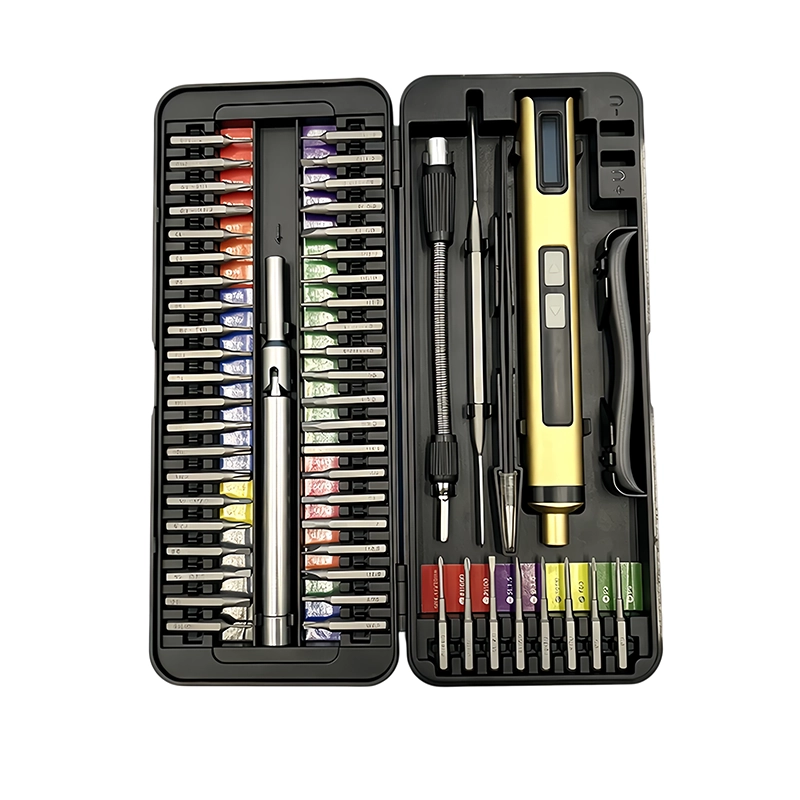
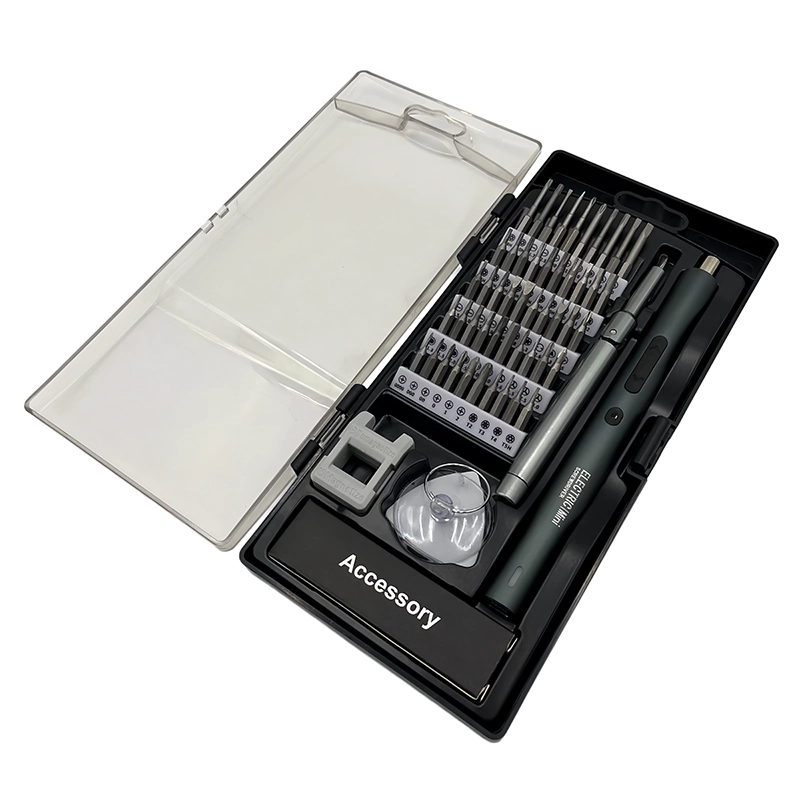
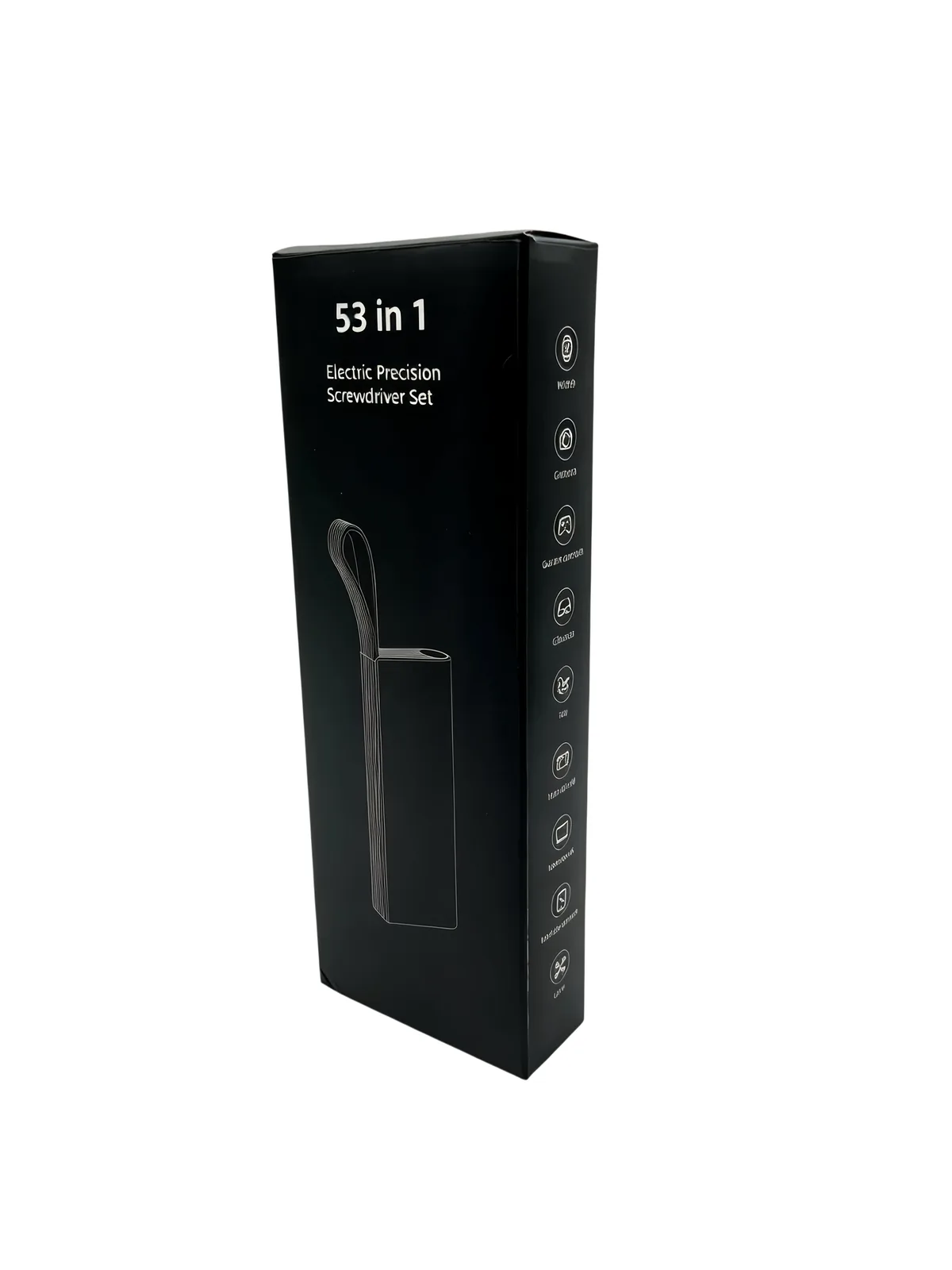
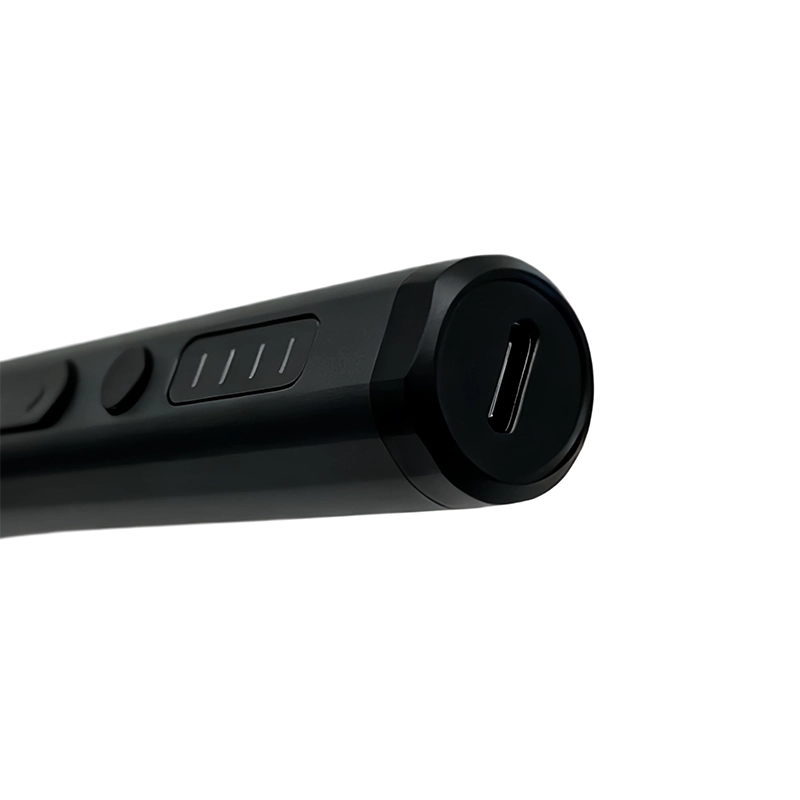
Freeze the commercial unit first. Record the model, revision, driver type, finish, bit map, accessory list, charging cable where applicable, case or tray, manual, spare items and saleable-unit quantity. A 53-piece name, for example, is not enough to recreate the package contents unless the counting rule and every included item are explicit. Use the approved product record and production-intent sample as the reference rather than a family photograph.
Also freeze the intended markets and channels. A package prepared for a European distributor, a North American e-commerce listing and an Amazon fulfillment workflow may require different languages, responsible-party information, barcode handling, handling instructions and carton data. List each market and channel as a controlled input. Do not let one generic 'global package' become the silent default when responsibilities have not been reviewed.
Assign an owner to every input: product specification, brand files, claims, product identifier, company and contact details, translations, warnings, compliance marks, package dimensions and logistics data. The supplier can place buyer-approved information into artwork, but it should not invent a GTIN, certify a claim, select a legal operator or copy a mark from a different model. Open fields stay visibly open until the accountable party releases them.
Who should own the barcode and product identifier decision?
The party placing the product into its commercial identification system should confirm the identifier owner, number and intended trade item. GS1 explains that a GTIN identifies a trade item; the allocation and management decision belongs within the brand owner's licensed identification process. A supplier may print the approved barcode and check the physical symbol against agreed criteria, but should not create an unverified number simply to fill an empty artwork panel.
Connect each barcode to one exact saleable configuration. A change in quantity, bundle, pack level or commercial identity can affect whether a new identifier is required. The buyer should decide this under its GS1 and channel rules. Record the human-readable number, symbol type, encoded data, size, quiet zones, orientation, color contrast, substrate and artwork revision, then verify the printed production sample rather than relying on a PDF preview alone.
Separate retail-unit identification from logistics labels. A consumer trade item, inner carton, export carton, marketplace label and carrier label can serve different systems and owners. The artwork brief should say which marks are permanently printed, which are variable, and which are added only after a destination or shipment is known. That separation avoids overwriting the retail identifier or publishing warehouse data as part of the brand design.
How should claims and product facts be controlled?
Create a claim register before layout. For every statement—piece count, materials, torque, speed, battery capacity, charging input, included profiles, intended use, compatibility, customization or warranty—name the exact SKU source and reviewer. If the evidence supports only one configuration, the claim cannot be copied to an entire family. Remove unverified superlatives and do not turn a catalogue value into a measured production result.
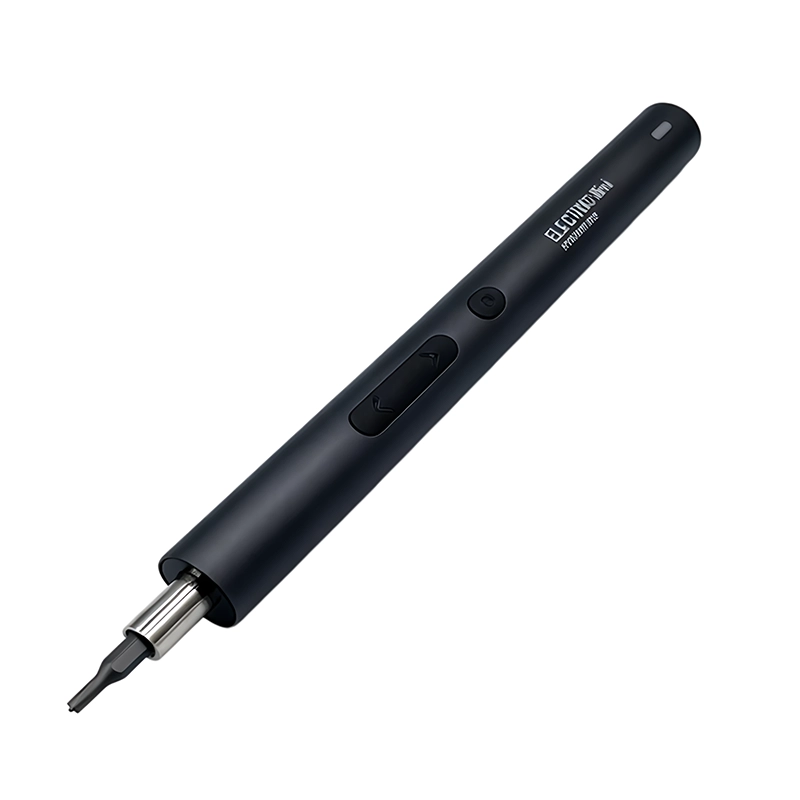
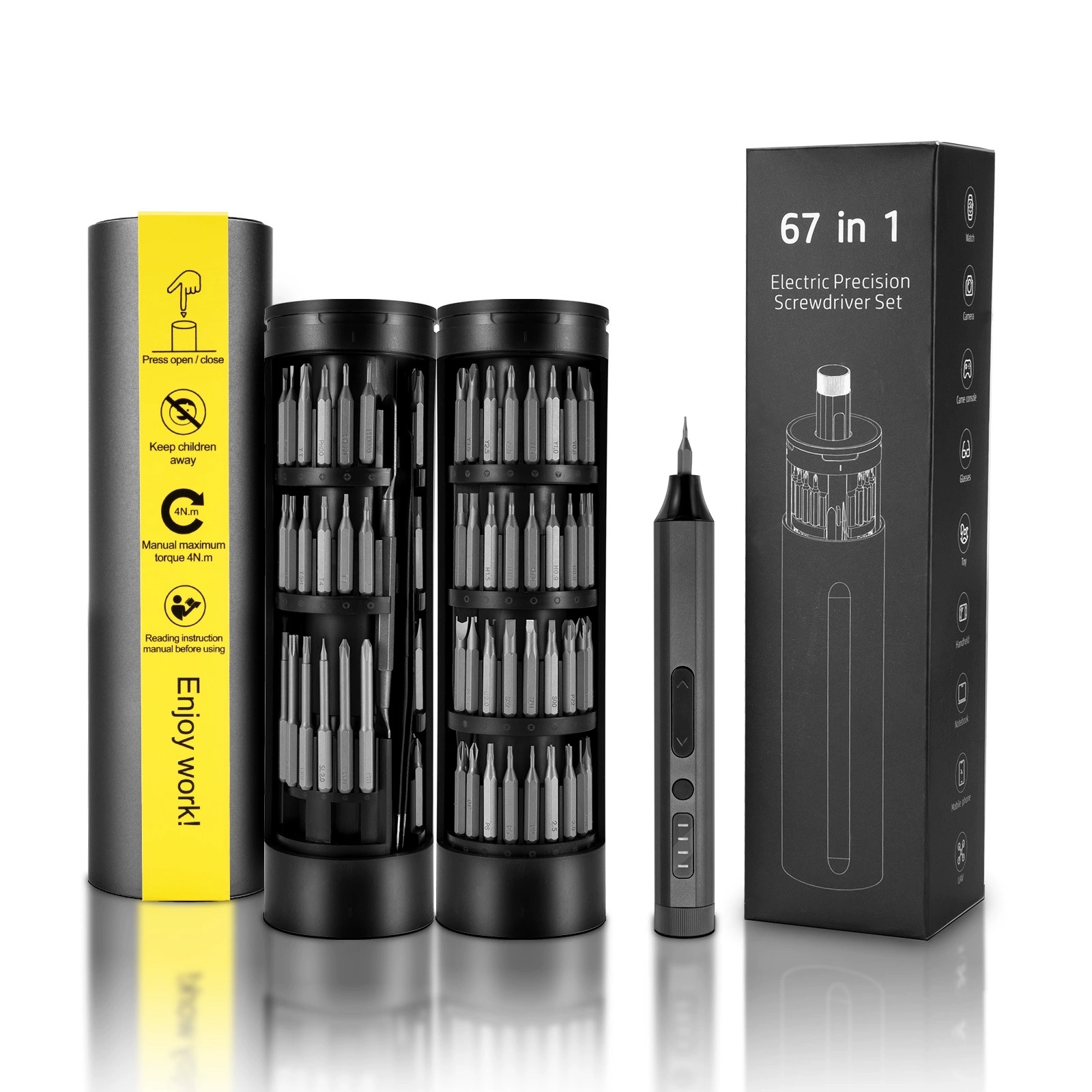
Images require the same discipline. Product renders are useful during design, but the final pack should be reconciled to the production-intent sample: tool color, button layout, bit arrangement, cable, accessories, case, markings and quantities. If an image remains illustrative, label it consistently with applicable market practice and legal review. A customer should not need to guess whether a pictured accessory is included.
Review short technical terms as carefully as headline copy. S2 and CR-V identify material families, not universal quality grades. A torque setting belongs to a specific driver configuration and stated condition. A nominal 2.35 mm rotary interface does not prove every accessory compatible. When space is limited, accurate model-level language is more valuable than a broader claim that cannot be traced.
Which company and brand details belong on the package?
The brand and legal organization must not be conflated. XOENAEN is a precision-tool brand operated by Shenzhen ToolQeen Technology Co., Ltd. ToolQeen is another brand operated by the same legal company and uses a different brand logo. This relationship can be stated accurately, while the package's required manufacturer, importer, responsible-person or contact presentation must still be reviewed for the actual market and commercial role.
Use one controlled company-data record across quotation, specification, artwork and product documents. The user-confirmed operating-company information is Shenzhen ToolQeen Technology Co., Ltd., established in 2016, with the registered factory address No. 3, Longqing Road, Pingshan Street, Pingshan District, Shenzhen, China. Before print release, verify spelling, punctuation, address line breaks and any market-specific operator details rather than copying from an old package.
Keep logos separate from legal identity. Approving an XOENAEN logo does not authorize use of the ToolQeen logo, and neither logo changes the name of the operating company. The artwork record should identify the approved logo file, color mode, minimum size, clear space, placement and revision. If the project uses the buyer's private label, the buyer supplies and approves that separate brand asset and related rights.
How should multilingual copy be written and reviewed?
Begin with one verified source text. Freeze the product name, contents map, operating instructions, limitations, warnings, care information and contact route before translation. Translating an unstable source multiplies inconsistency. Give translators the real product, photographs, bit terminology and character limits so a short profile name or safety sentence is not interpreted without context.
Language review and technical review are different controls. A fluent reviewer can confirm natural language and meaning; a product reviewer must confirm the translated text still describes the released SKU. Record reviewer, language, date, source revision, corrections and disposition. If a language has not received accountable review, do not label it as reviewed or use an invented person in the publication record.
Proof the language on the physical scale. Text that reads well in a document may be too small, crowded or separated from the correct diagram once placed on a carton. Check reading order, contrast, line breaks, icons, units, decimal notation and correspondence between panels, manual and case labels. Barcodes, warnings and required operator details should remain legible after actual printing and finishing.
What is the difference between a PDF proof and a signed sample?
A PDF proof confirms file content and layout under controlled viewing, but it does not prove printed color, material, finishing, barcode quality, folding, glue, fit or pack-out. Record the filename, revision, dimensions, dieline, linked images, fonts and approval comments. Flattening or exporting a file should not erase the relationship to its editable source and revision history.
A physical proof checks the manufactured package. Inspect size, board or other substrate, print, coatings, embossing, foil, cuts, folds, windows, insert fit, closure, accessory retention, manual placement and the fully loaded saleable unit. Compare the proof with the approved PDF and product sample. Photograph or label the approved sample so production inspection has an identifiable reference rather than a memory of what looked acceptable.
Neither approval replaces a transport or handling test. If the buyer requires drop, vibration, compression, climate conditioning or marketplace packaging evidence, define the exact pack-out, method, sample count, conditions, observations and acceptance criteria separately. A structural, material or load change after testing may require review again. Never put 'drop tested' or a similar claim on artwork without traceable support for that exact configuration.
Which release gates prevent outdated artwork from reaching production?
Use a revision table that connects the product specification, bill of materials, contents map, manual, labels, retail artwork and carton marks. Every approval should identify who approved what, when, for which SKU and with which unresolved conditions. A comment such as 'looks good' without a revision is not a usable release. Superseded files should be marked and removed from the active production location.
Before mass print, require a prepress confirmation or first printed article against the released files. Check that variable fields are populated from the approved source, not from an operator's old template. Reconcile printed quantity and destruction or quarantine of obsolete material when a revision changes. Define whether limited old packaging may be consumed and how mixed revisions will be prevented or disclosed.
Changes after approval should return to the appropriate gate. A typo may need copy and proof review; a new bit layout requires product, image and contents review; a battery or charging change can reopen product, evidence, transport, manual and label work. The change request should state the reason, affected inventory, proposed cut-in and records that need reapproval. Silence is not approval.
How can buyers compare packaging proposals fairly?
Compare the same scope. Ask each proposal to identify design adaptation, dieline work, sample rounds, translation handling, barcode verification, printing method, material, finishing, insert, manual, retail pack, carton, inspection records, change rounds and obsolete-material responsibility. A low unit price can exclude the work and controls that another quotation includes, so assumptions and exclusions matter as much as the printed-box price.
Review quantity and timing by stage: artwork setup, digital proof, physical proof, production-intent sample, mass printing and finished pack-out. Confirm which costs are one-time, which repeat per order and which change when an artwork or SKU revision changes. Do not publish fixed costs or lead times as universal facts; the quotation must connect them to the selected configuration, quantity and approval route.
The most useful supplier response is a gap table. Each requested field should show the supplied input, current status, responsible party, evidence or proof required, due date and release gate. This makes unresolved buyer inputs visible early and gives both sides a common basis for a sample and quotation. It also creates a practical record for later repeat orders.
What belongs in a private-label packaging artwork brief?
Send the exact product SKU and revision, complete contents map, target markets and channels, buyer and accountable-party data, approved brand files, claim register, barcode ownership decision, languages, source copy, warnings and limitations, dieline and dimensions, material and finish preferences, manual, retail and export pack requirements, proof stages, package-testing request, approval contacts, launch timing and change-control rules.
Mark every item approved, provisional, buyer-supplied, supplier-proposed or subject to specialist review. Request a production-intent pack containing the real product and accessories, then release artwork only when its identity, copy, image, code, language and physical construction reconcile. This is slower than approving a screenshot, but faster than correcting printed inventory or inconsistent marketplace listings after launch.
A controlled packaging approval process cannot guarantee sales or replace legal review. It does give buyers an evidence-linked path from a real screwdriver configuration to accurate customer information and a repeatable printed pack. That improves supplier comparison, reduces avoidable revision disputes and produces a clearer OEM inquiry because the open decisions are named instead of hidden inside design work.
What each packaging approval stage can establish
| Approval stage | Useful evidence | What it cannot prove alone |
|---|---|---|
| Controlled source copy | Verified product facts, claims and language inputs | Final layout, print or physical fit |
| Digital artwork proof | Content, placement, dimensions and revision | Printed color, barcode quality, folds or pack-out |
| Loaded physical proof | Print, construction, contents and product fit | Every route-specific handling or legal requirement |
| Production first article | Mass-process output against the released sample | Performance after an unapproved later change |
- Freeze the exact model, revision, contents map, saleable quantity and target channels before layout.
- Assign a named owner and source record to every product fact, claim, image, identifier and operator detail.
- Confirm GTIN and barcode data through the brand owner's identification process; never let the printer guess.
- Use one technically verified source text, then record language and product review for every translation.
- Approve a versioned PDF proof and a fully loaded physical proof against the same product revision.
- Keep package-handling tests separate and tie any result to the exact tested pack-out and method.
- Link artwork, manual, labels, carton marks and marketplace copy to one release and change record.
- Quarantine obsolete files and printed materials, and define approval triggers before any production change.
- Define the OEM and private-label project gates →
- Review manufacturing and quality-control records →
- Build an Amazon FBA screwdriver supplier brief →
- Control electric screwdriver manuals and labels →
- Plan packaging drop and vibration evidence →
- Create a model-specific compliance document list →
- Compare the 53-in-1 electric screwdriver platform →
- How XOENAEN presents quality evidence →
Can a supplier create a barcode for private-label screwdriver packaging?
The brand owner should confirm identifier ownership and provide approved data under its GS1 and channel process. A supplier can place and print that data, but should not invent an unverified GTIN to complete artwork.
Is approving a packaging PDF enough for mass production?
No. A PDF can confirm content and layout, while a loaded physical proof checks printing, finishing, folds, insert fit, contents and code quality. The production first article should still be compared with the released reference.
Who approves translations on screwdriver packaging?
Use an accountable language reviewer for meaning and fluency plus a product reviewer for SKU accuracy. Record the source revision, reviewer, date, corrections and release decision; do not label unreviewed machine output as approved.
Does artwork approval prove EU product compliance?
No. Artwork approval controls the released file. Applicable EU requirements, operator details, warnings, evidence and marks depend on the exact product, market and roles and require separate qualified review before use.
When must private-label packaging artwork be approved again?
Reopen the relevant gate when product contents, claims, images, identifiers, company data, languages, package structure or controlled components change. The change record should identify affected inventory and the approved production cut-in.
Should packaging artwork include every screwdriver compatibility claim?
Only include concise claims supported for the released SKU and intended conditions. A family-level photo, bit count or material label cannot establish universal compatibility; retain limitations and direct users to accurate model information.