For refine 3D printed board game token trays, first identify a seam ridge or support nub in a visible pocket corner and protect divider height, pocket outline, stack fit and the crisp visible edge of each compartment. Start with a micro scraper followed by a hard-backed abrasive; use a fine rotary abrasive for one local defect at the pocket floor only when access requires it. Control pocket depth, divider stiffness, abrasive loading, lighting angle and debris removal. Stop when a divider flexes, a pocket edge rolls over or the floor develops a hollow. Release the part only when tokens stack and lift normally while the organizer's compartment lines remain crisp under raking light.
refine 3D printed board game token trays
refine 3D printed board game token trays is a controlled post-processing workflow that removes a seam ridge or support nub in a visible pocket corner from a printed organizer insert with shallow pockets and narrow game-token dividers while preserving divider height, pocket outline, stack fit and the crisp visible edge of each compartment.
What is the best way to remove local print defects from token trays without rounding their visible dividers? This guide uses a printed organizer insert with shallow pockets and narrow game-token dividers as a practical post-processing case. It does not assume that a rotary pen is the first answer for every polymer or geometry: the material supplier, approved accessory limit, workholding and representative sample control the final process.
What should be mapped before material is removed?
Start by photographing the condition and identifying a seam ridge or support nub in a visible pocket corner. Mark the smallest area that actually interferes with the next operation. On a printed organizer insert with shallow pockets and narrow game-token dividers, the protected features are divider height, pocket outline, stack fit and the crisp visible edge of each compartment. A smoother looking part can still be a reject when its fit, load path or visible geometry has changed.
Which finishing method should be the reference?
a micro scraper followed by a hard-backed abrasive is the reference method because it gives immediate tactile feedback. Make a short trial on an equivalent defect, clean the area and compare it with an untouched reference. The aim is to confirm the contact map before a powered accessory repeats the correction more quickly.
When does a rotary pen add practical value?
a fine rotary abrasive for one local defect at the pocket floor can be useful when the defect is inside a recess or an awkward corner. It is a local-access method, not a substitute for controlled machining or a reason to abrade an entire feature. Use a representative coupon first and keep the accessory moving through short, inspectable contacts.
How should the workpiece be supported?
Use a low-profile foam nest that supports the tray floor without covering pocket edges. This limits vibration and keeps the operator able to see the contact zone. Check that the part cannot rotate into the accessory, that dust does not hide the defect and that the fixture does not preload thin printed features. Recheck the setup after every material or part-revision change.
Which variables should be recorded on the first article?
Record pocket depth, divider stiffness, abrasive loading, lighting angle and debris removal, together with print material, orientation, part revision, accessory identity, fixture and start/end photographs. A written record should tell the next operator where contact is allowed, which area is no-touch and which gauge or mating item proves the correction has not changed the design.
What is the controlled pass sequence?
For refine 3D printed board game token trays, inspect, mark, support, make one light pass, stop, remove debris and inspect again. Repeat only if the marked defect remains. If the same artifact appears across multiple prints, investigate the print process, part orientation or design rather than converting unlimited hand rework into the normal production method.
Which sign means the operation must stop?
Stop immediately when a divider flexes, a pocket edge rolls over or the floor develops a hollow. Do not compensate with higher speed or pressure. Clean the part and compare it with the starting image, then decide whether a different hand method, a new fixture, a reprint or an upstream correction is the responsible next step.
How should the result be accepted?
The release condition is that tokens stack and lift normally while the organizer's compartment lines remain crisp under raking light. Inspect under repeatable light and, where function matters, use the actual mating component or a documented gauge. Cosmetic improvement alone is not proof that a printed functional feature still works as designed.
What should a buyer specify in a finishing-tool brief?
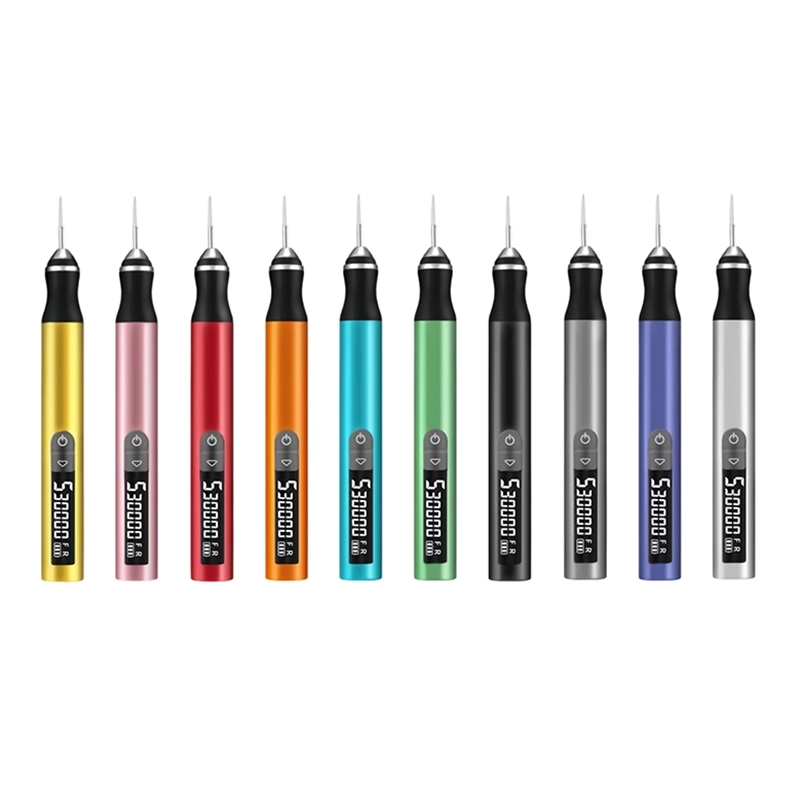
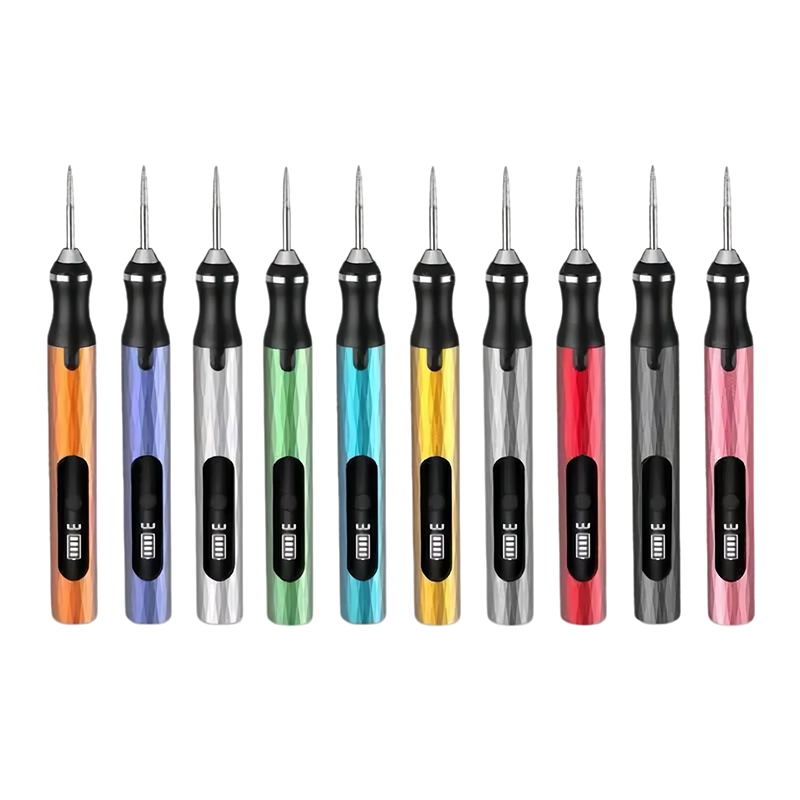
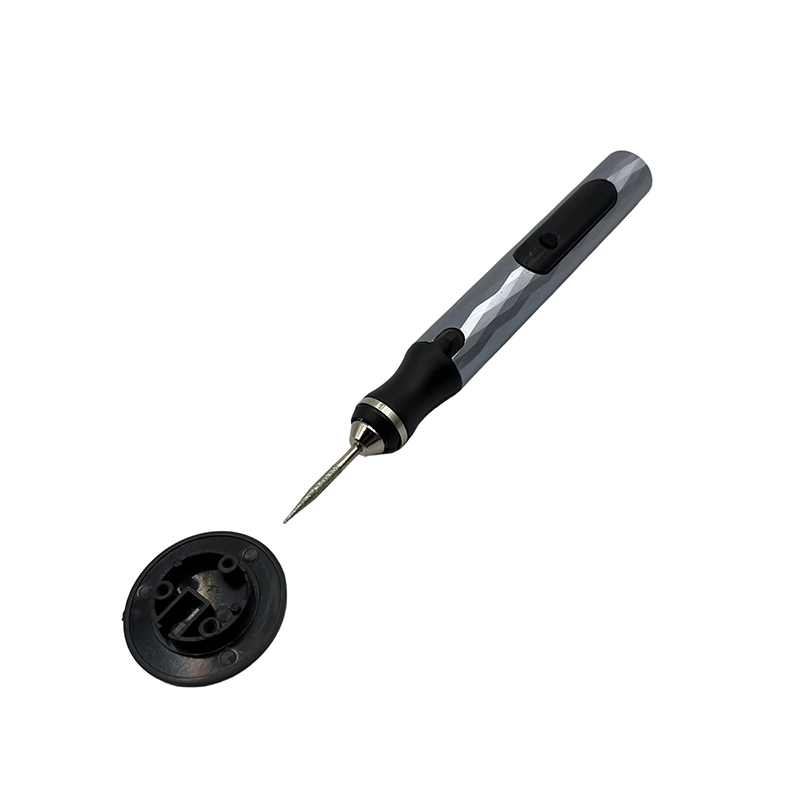
For refine 3D printed board game token trays, specify the printed material, real defect, protected dimensions, fixture, accessory interface, desired pack-out, target market, sample quantity and acceptance check. The XOENAEN D-106 cordless engraving pen is a first-party XOENAEN catalogue reference; it does not establish a universal setting or outcome for every printed part. Qualify the proposed configuration on the buyer's own representative sample before making customer-facing claims.
Choose the least aggressive controlled method
| Method | Best use | Risk to manage |
|---|---|---|
| a micro scraper followed by a hard-backed abrasive | Map the defect and establish a tactile reference | Slow access or unintended edge contact |
| a fine rotary abrasive for one local defect at the pocket floor | Reach a mapped local obstruction | a divider flexes, a pocket edge rolls over or the floor develops a hollow |
| Reprint or upstream correction | A defect repeats or critical geometry is affected | Requires a documented new sample |
- Map a seam ridge or support nub in a visible pocket corner before choosing an accessory.
- Protect divider height, pocket outline, stack fit and the crisp visible edge of each compartment.
- Support with a low-profile foam nest that supports the tray floor without covering pocket edges.
- Control pocket depth, divider stiffness, abrasive loading, lighting angle and debris removal.
- Stop when a divider flexes, a pocket edge rolls over or the floor develops a hollow.
- Approve only when tokens stack and lift normally while the organizer's compartment lines remain crisp under raking light.
- XOENAEN D-106 cordless engraving pen →
- 3D print finishing tools guide →
- Rotary tools and 3D print finishing hub →
- Related guide: finish 3d printed architectural models →
- Related guide: restore embossed lettering after 3d print sanding →
- Plan an OEM or ODM tool project →
- Continue with the refine-3d-printed-tool-shadow-board-clips topic →
- XOENAEN editorial policy →
What should be checked before you refine 3D printed board game token trays?
Confirm a seam ridge or support nub in a visible pocket corner is outside the approved geometry, then protect divider height, pocket outline, stack fit and the crisp visible edge of each compartment. Photograph the starting condition and choose the inspection or mating reference before any material is removed.
Why is workholding important for refine 3D printed board game token trays?
Use a low-profile foam nest that supports the tray floor without covering pocket edges. Stable support limits vibration and helps prevent unplanned contact with divider height, pocket outline, stack fit and the crisp visible edge of each compartment. It also makes the first-article method reproducible.
When should a rotary pen be used for refine 3D printed board game token trays?
a fine rotary abrasive for one local defect at the pocket floor is useful only after the contact is mapped and a hand reference is understood. Test the material, accessory and part geometry on a representative coupon before approving it for repeated work.
What is the stop signal for refine 3D printed board game token trays?
Stop when a divider flexes, a pocket edge rolls over or the floor develops a hollow. Clean and inspect instead of increasing speed or pressure; removed geometry cannot be restored by later polishing.
What should an OEM buyer provide for refine 3D printed board game token trays?
For refine 3D printed board game token trays, provide the part revision, material, defect photo, protected features, acceptance gauge or mating part, target market, pack-out and required sample evidence. This allows the tool and accessory proposal to be evaluated against the real work.