01Should every 3D-printed part be finished with a rotary tool?
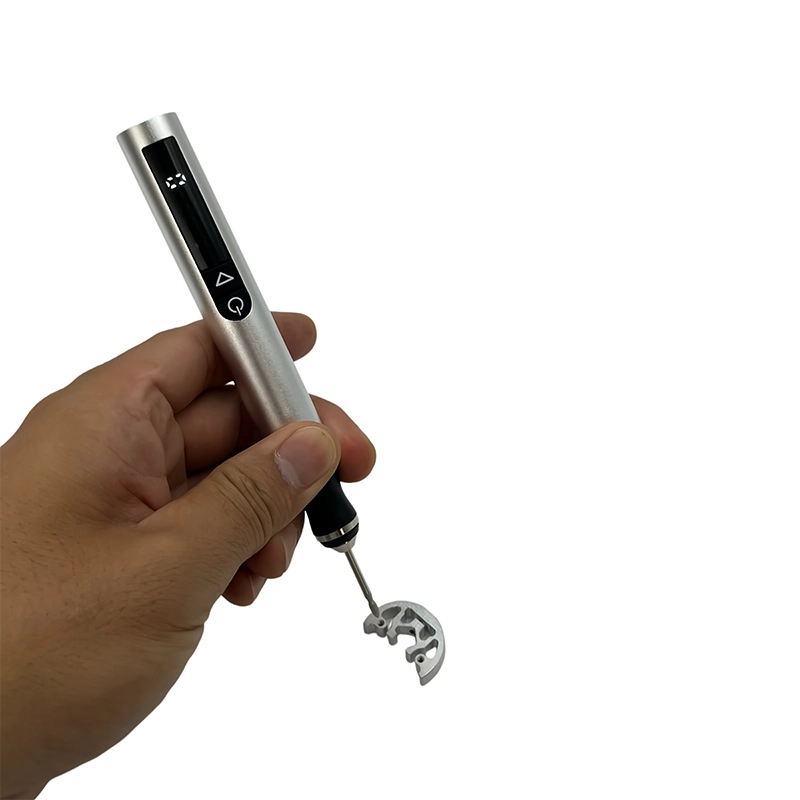
No. Rotary tools are efficient for controlled material removal, but hand sanding or a reciprocating tool may offer better control on thin edges, flat surfaces or dimension-critical features. Choose by geometry and finish requirement.
02What speed should be used on PLA, PETG, ABS or resin?
There is no universal safe speed. Begin conservatively on a spare print and evaluate heat, dust, surface change and dimensional loss. The suitable range depends on material, accessory, diameter, pressure, contact time and feature thickness.
03How can PLA melting be reduced during rotary sanding?
Use a suitable abrasive, light contact, short passes and time for heat to dissipate. Clear loaded abrasive and avoid dwelling in one spot. Test the process on waste or a spare print before working on the finished component.
04Which XOENAEN rotary tool pages are linked here?
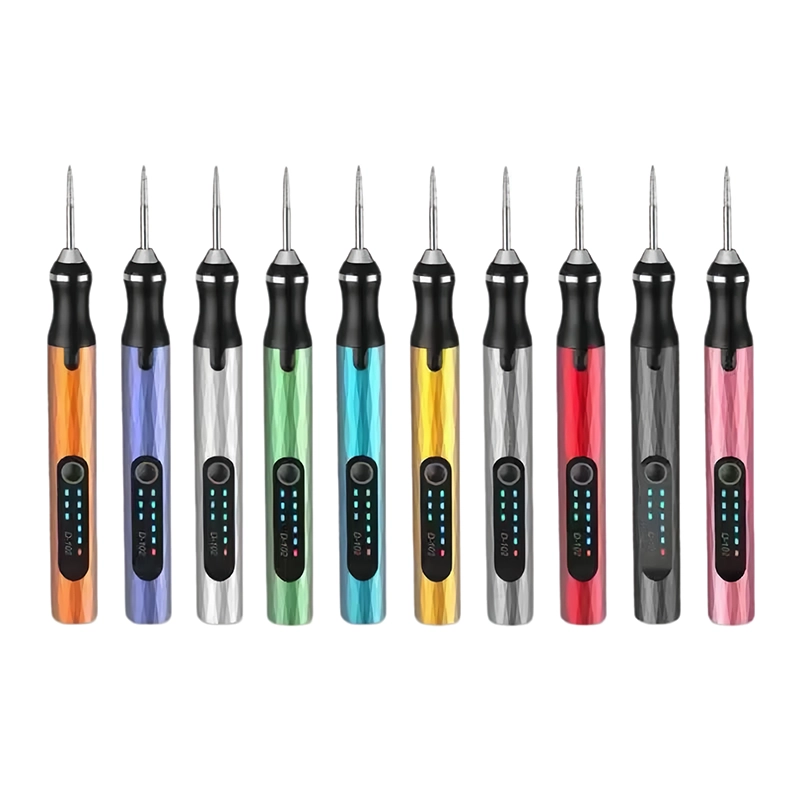
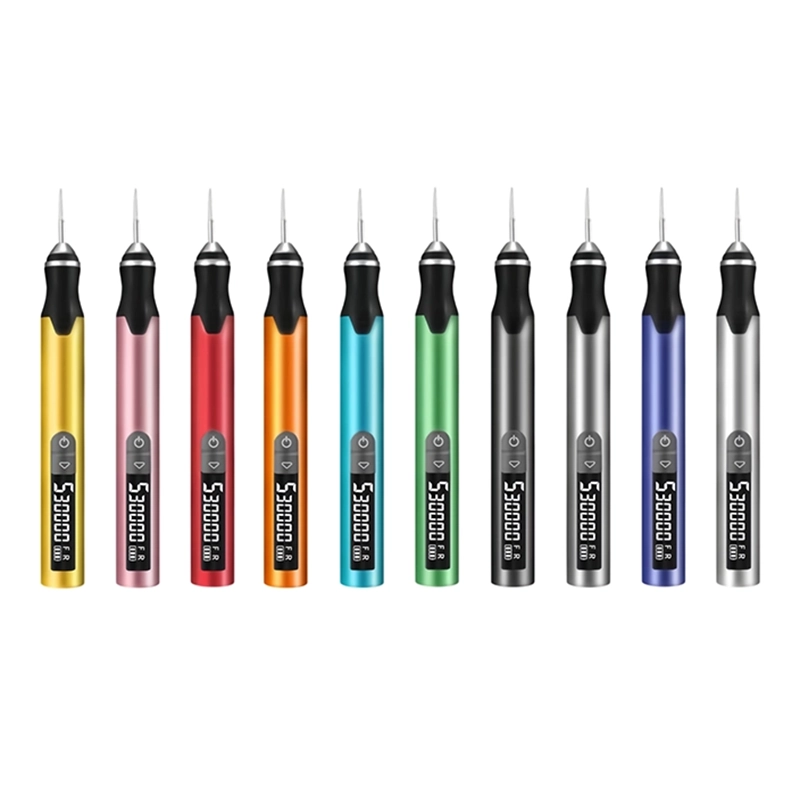
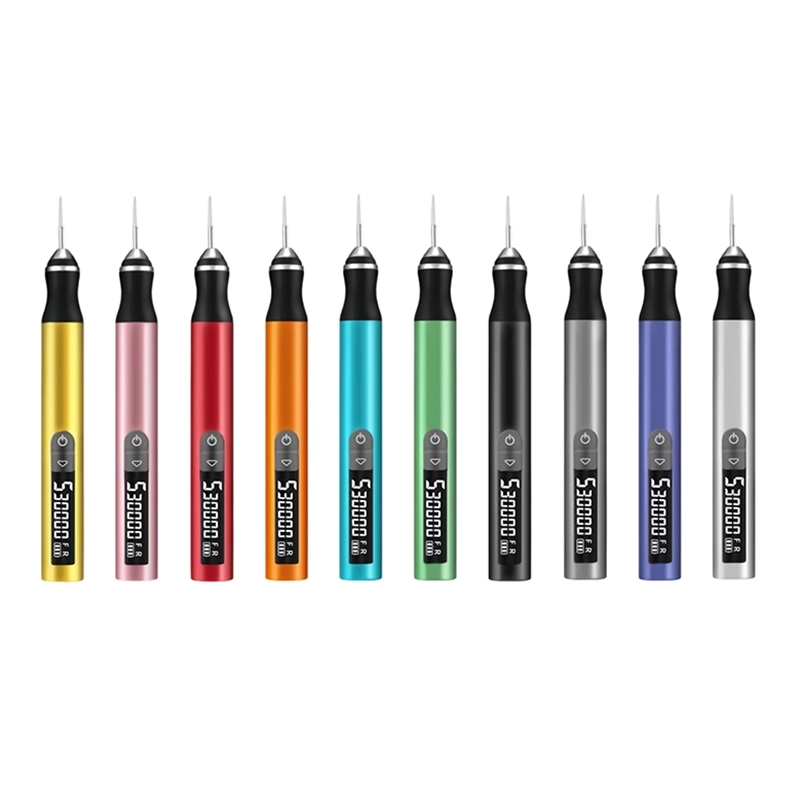
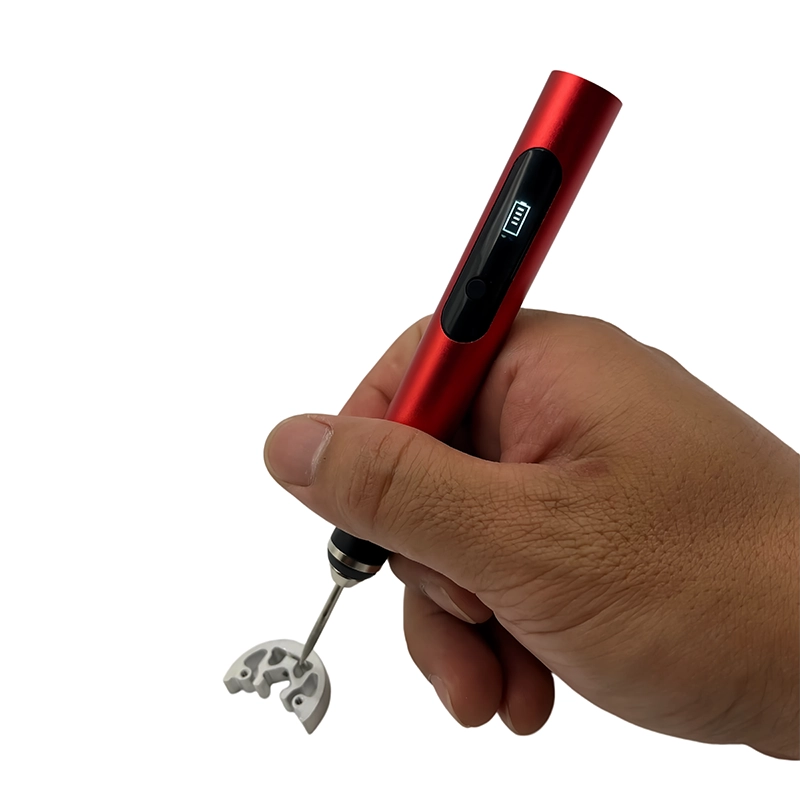
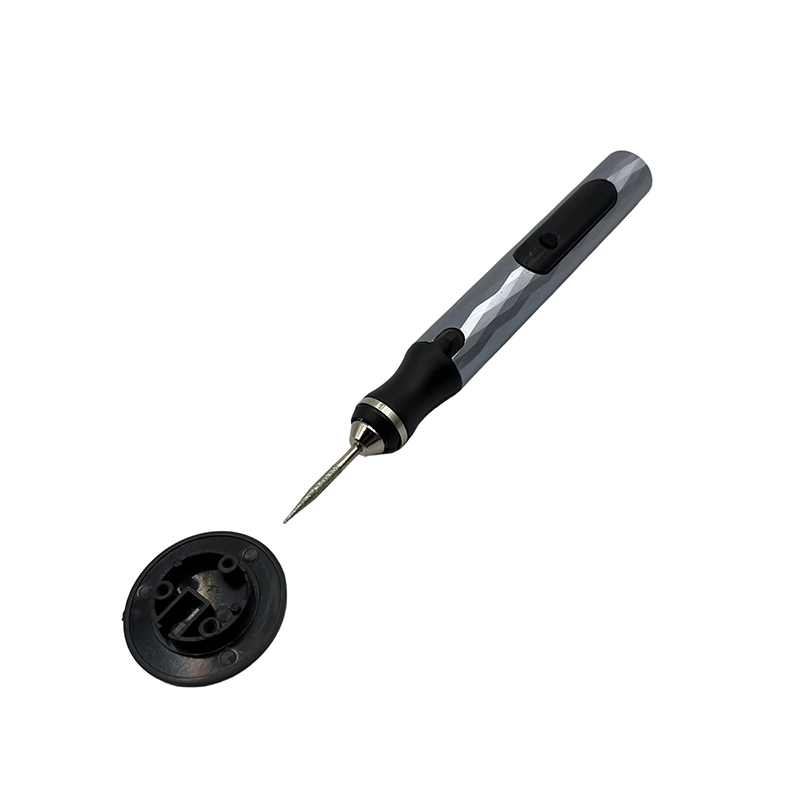
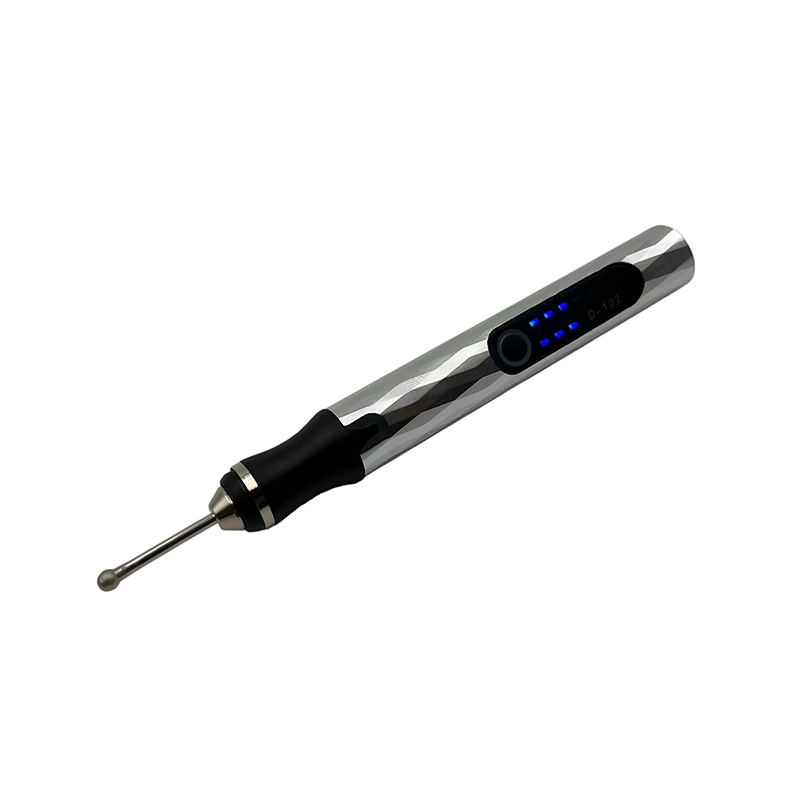
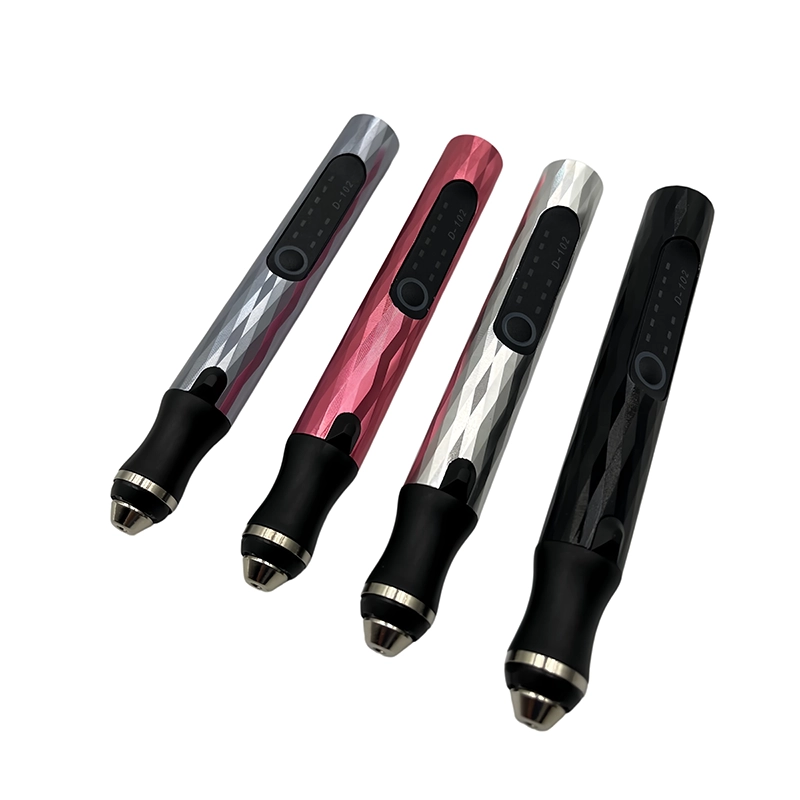
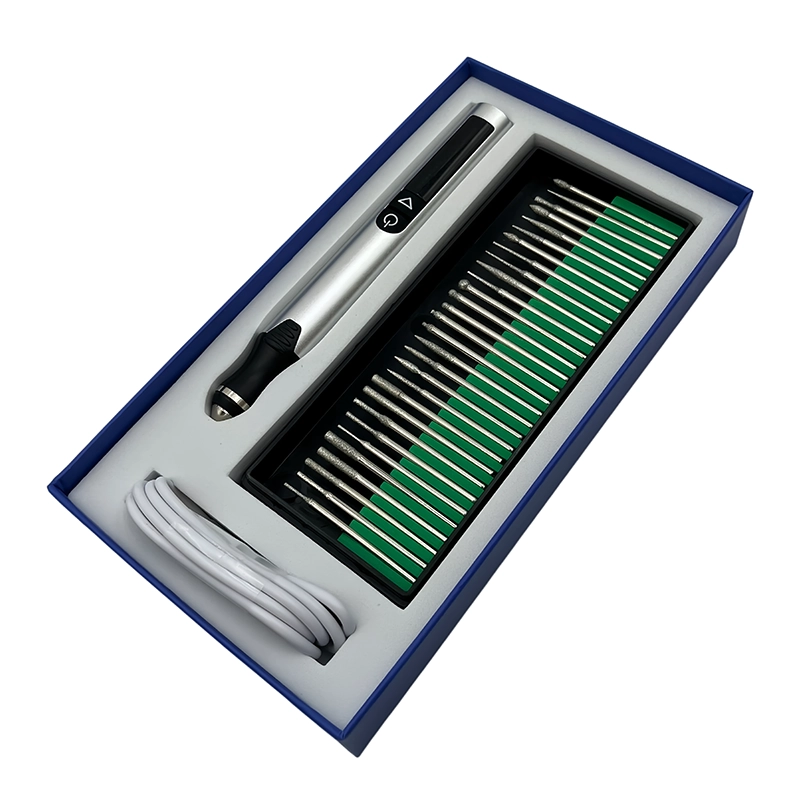
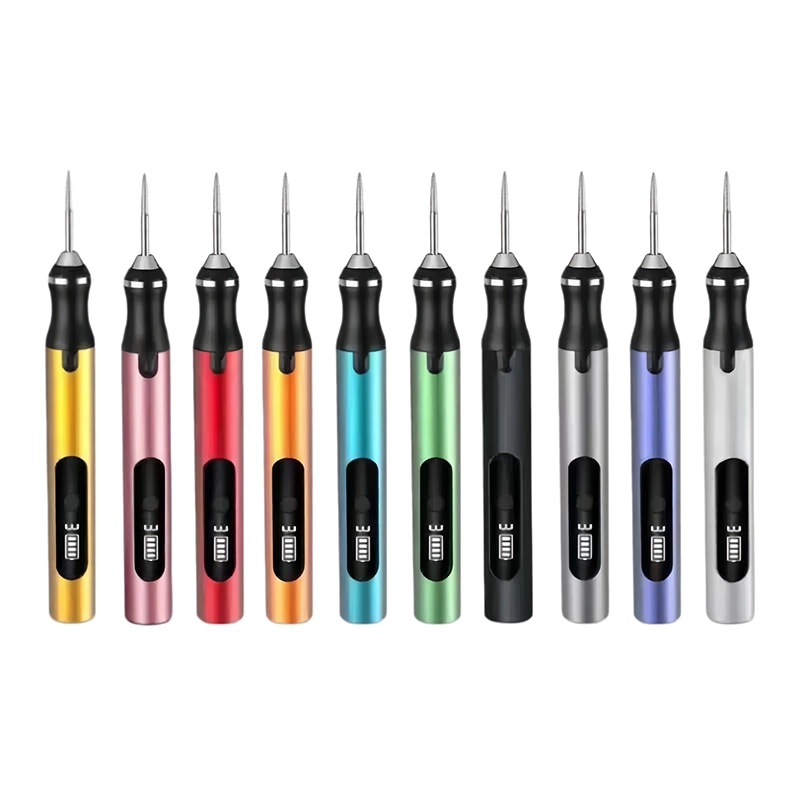
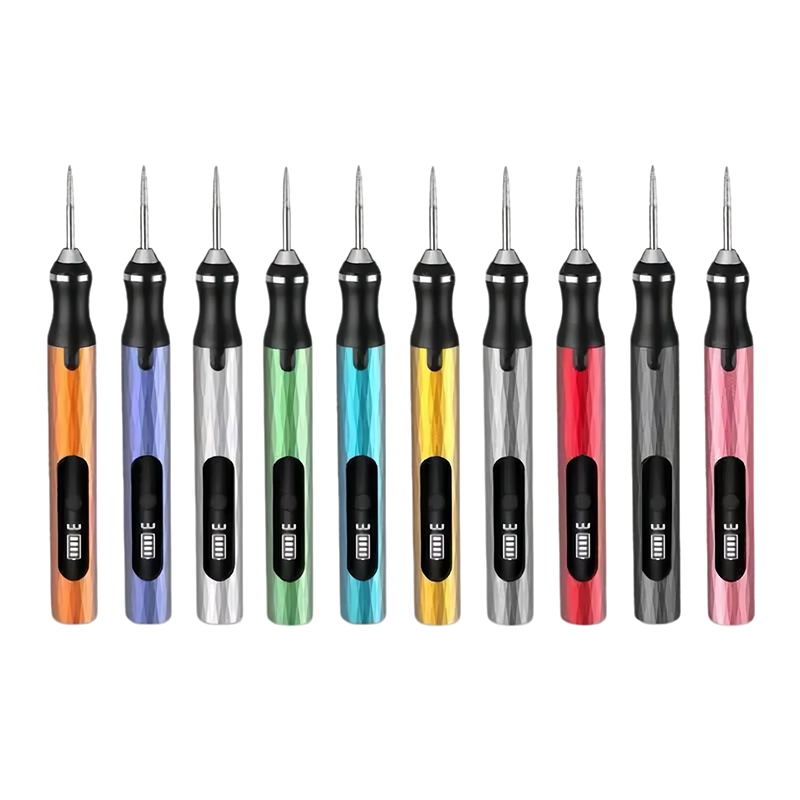
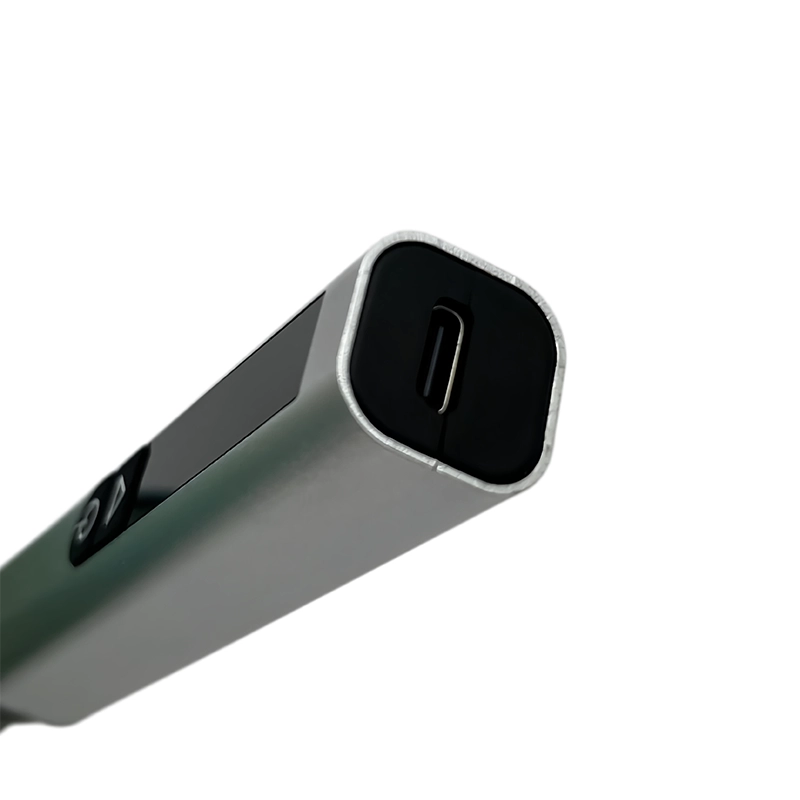
The product section links to the D-102, H101 and H102 rotary tool pages. Use their published configurations and images for initial comparison, then confirm the selected model, accessories and revision for the intended finishing task.
05What should an OEM first-article review include for a 3D-print finishing kit?
Identify the tool and accessory revision, representative printed materials and features, operating method, inspection points, packaging and labels. Record agreed acceptance limits rather than treating an uncontrolled demonstration as production evidence.