Electric screwdriver knowledge center

Select controlled power for precision fastening.

A practical route through electric precision screwdriver selection, phone and tablet repair, torque control, maintenance and OEM sample approval.

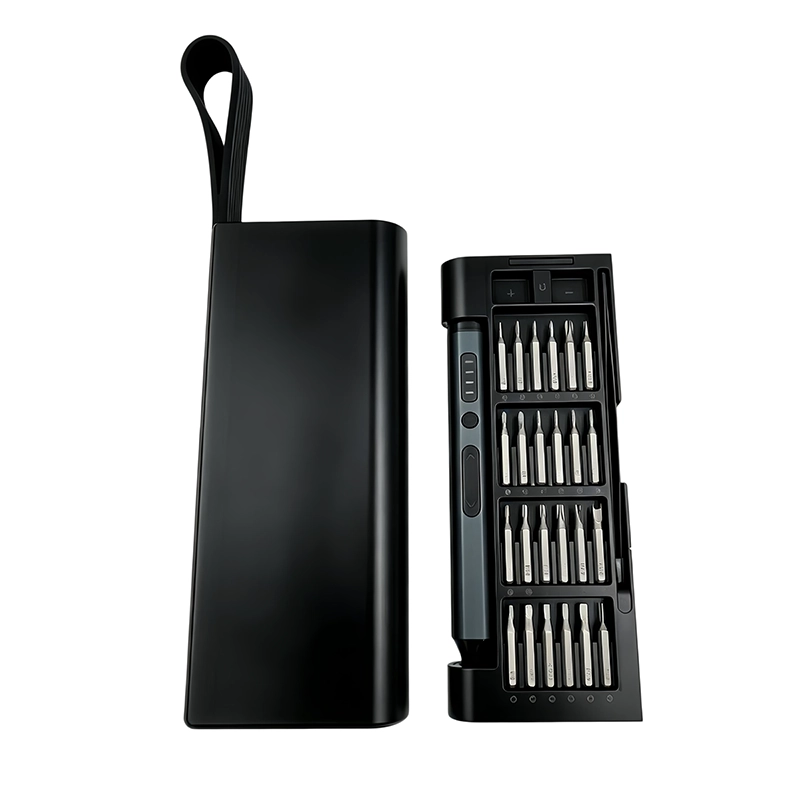
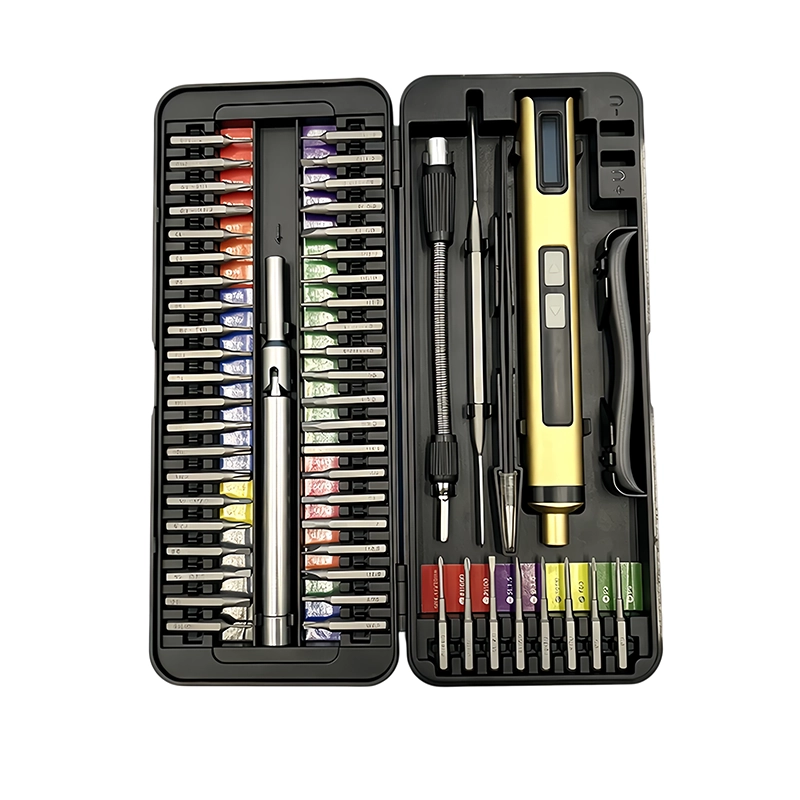
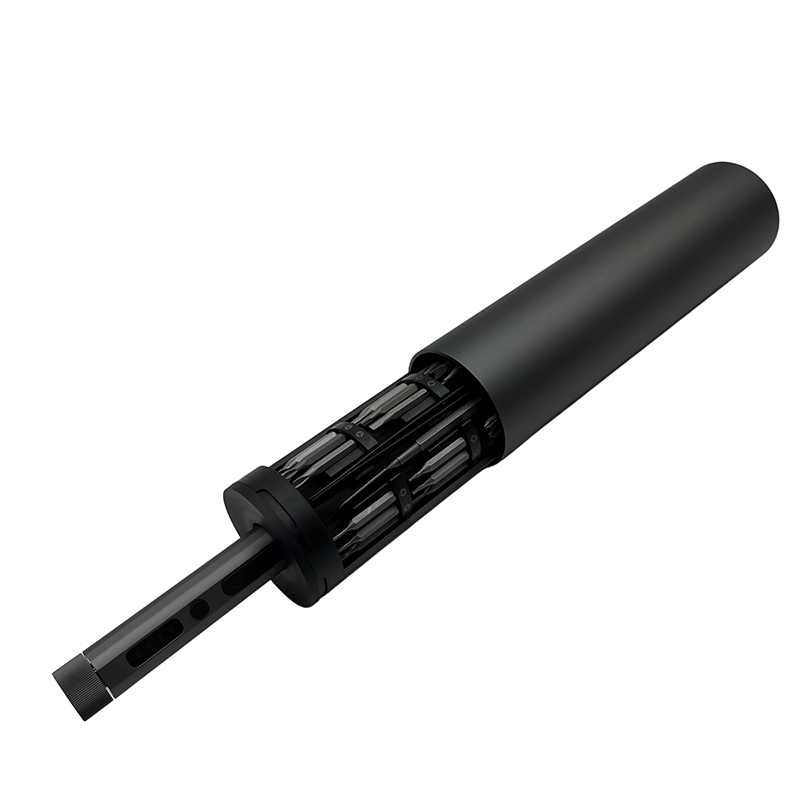
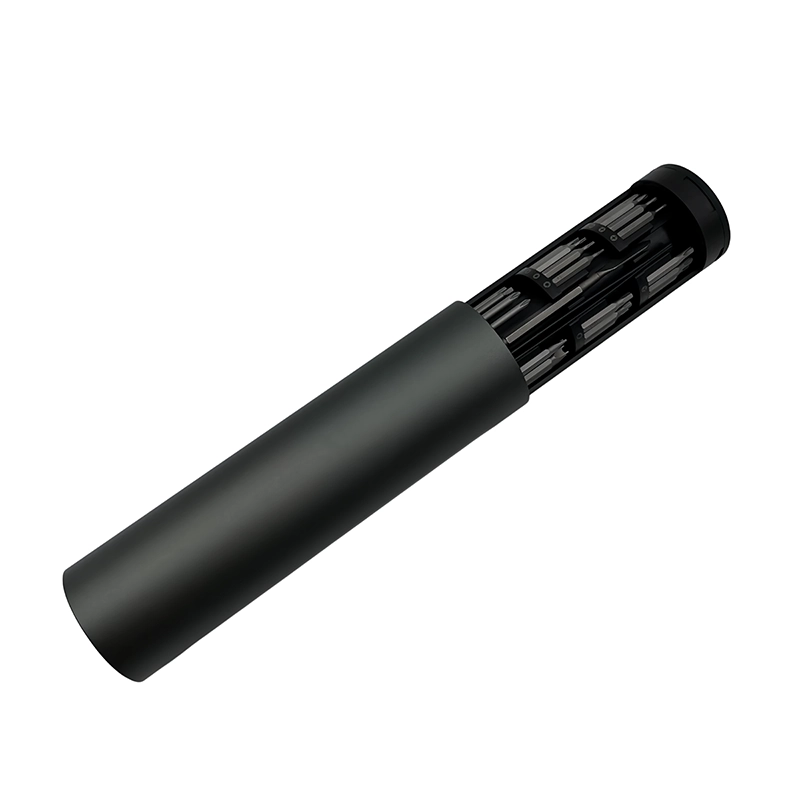
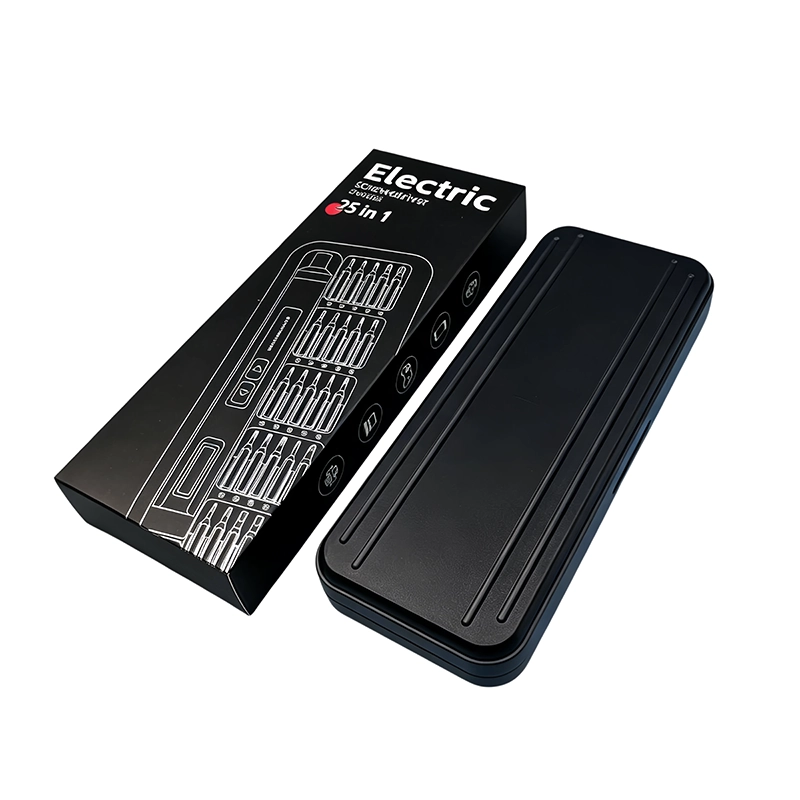
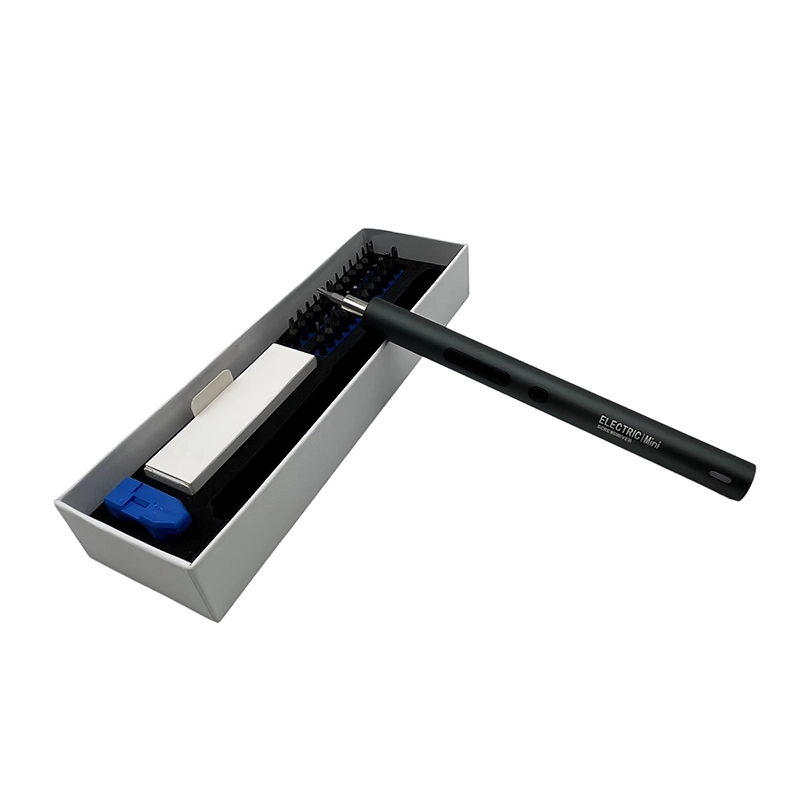
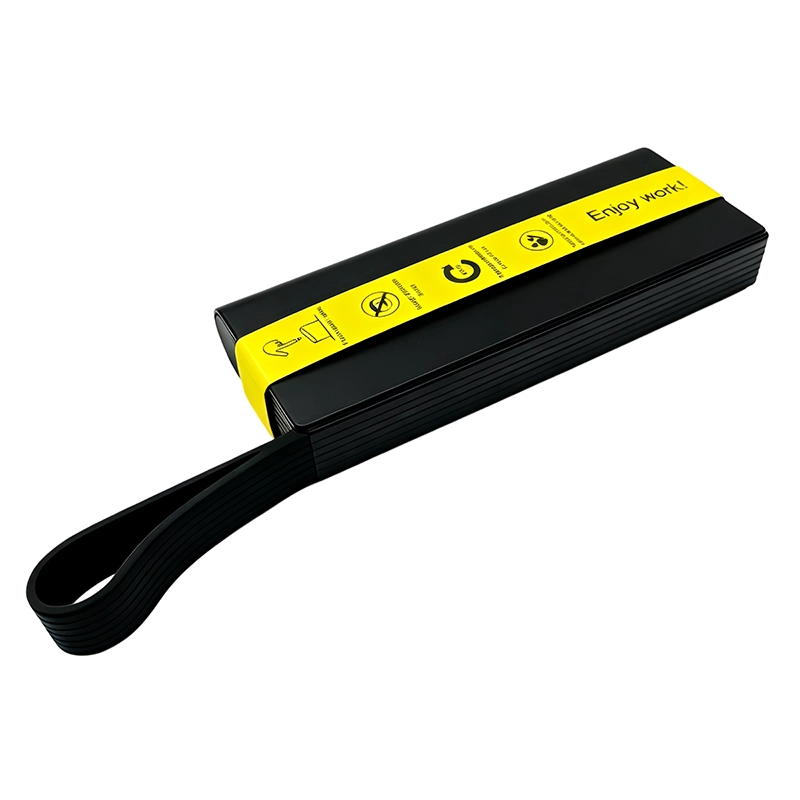
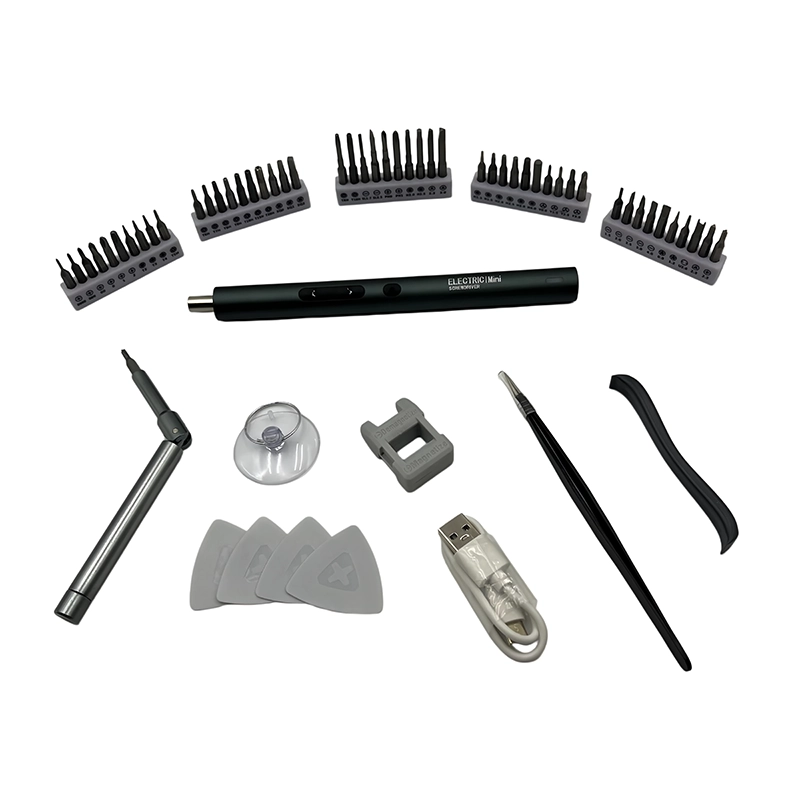
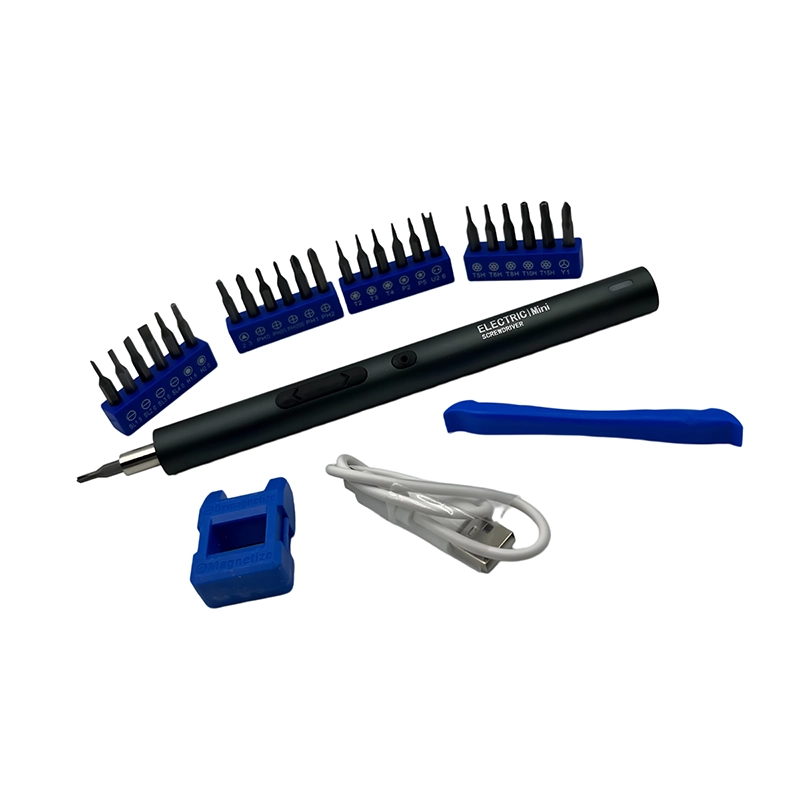
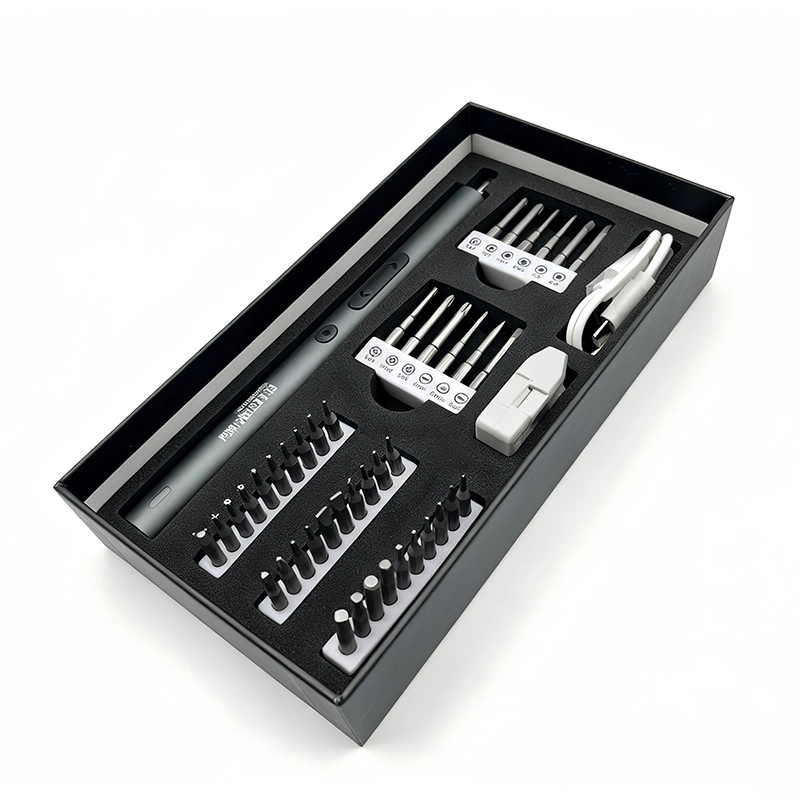
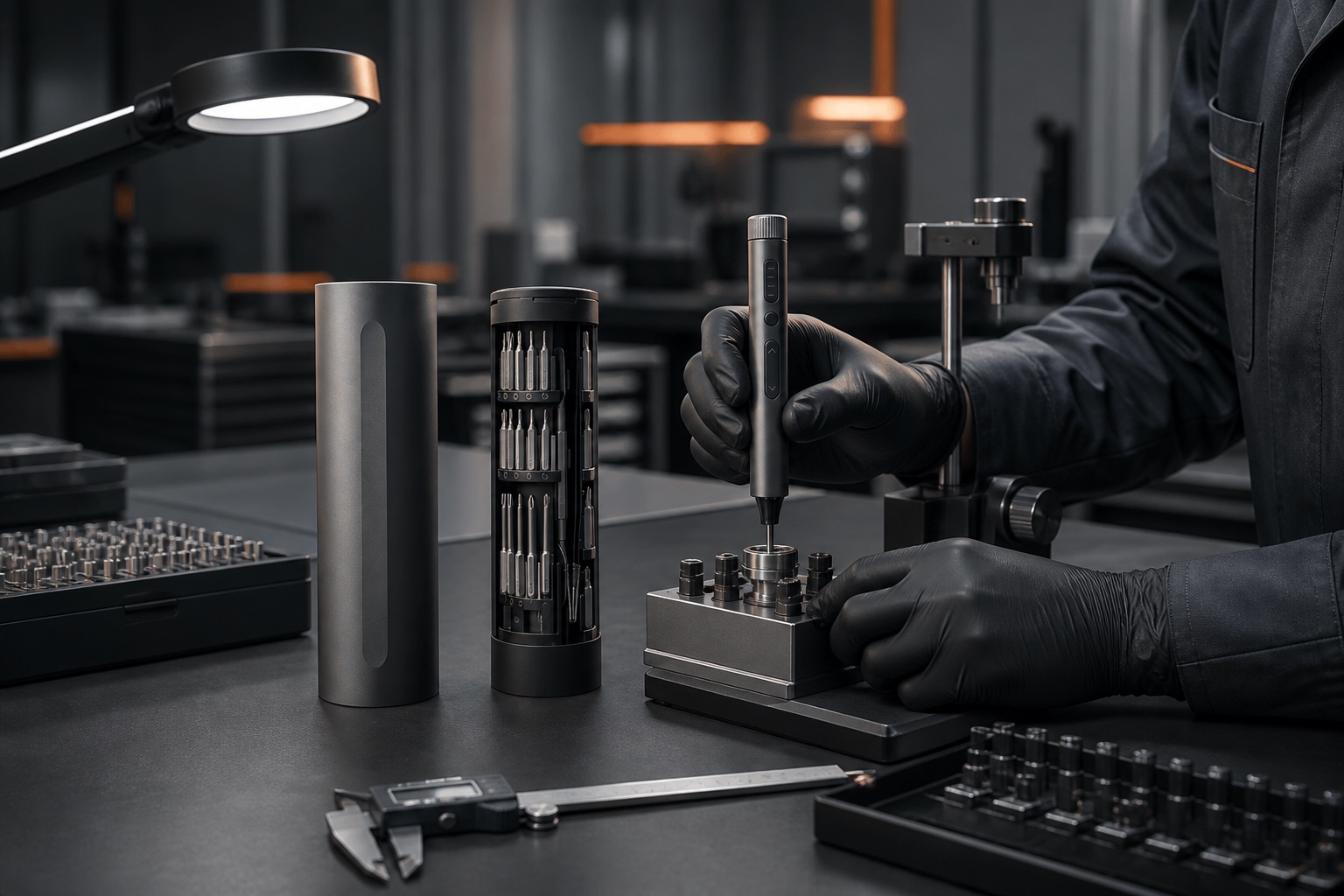
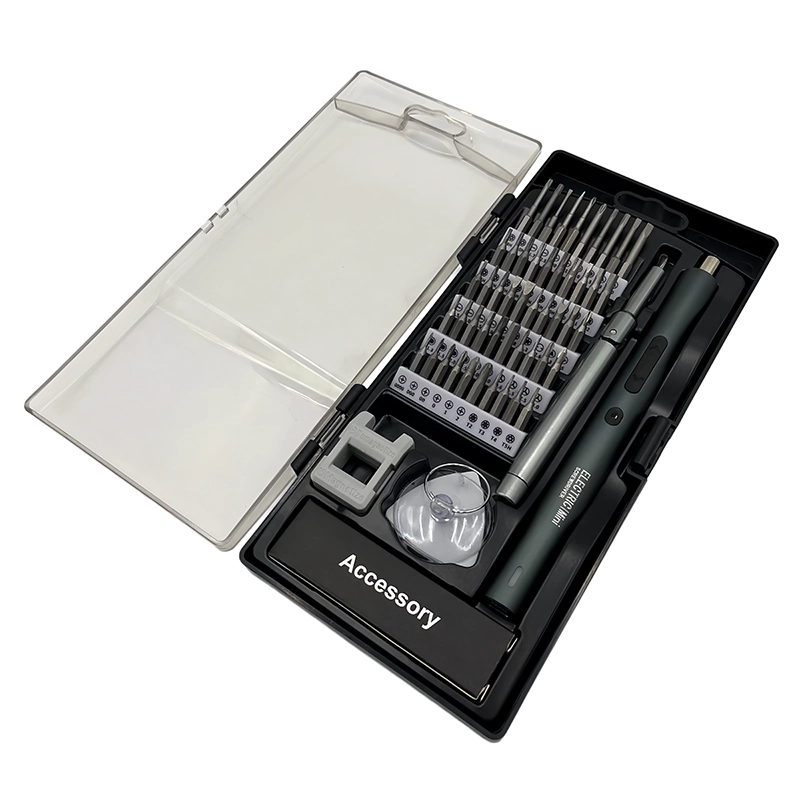
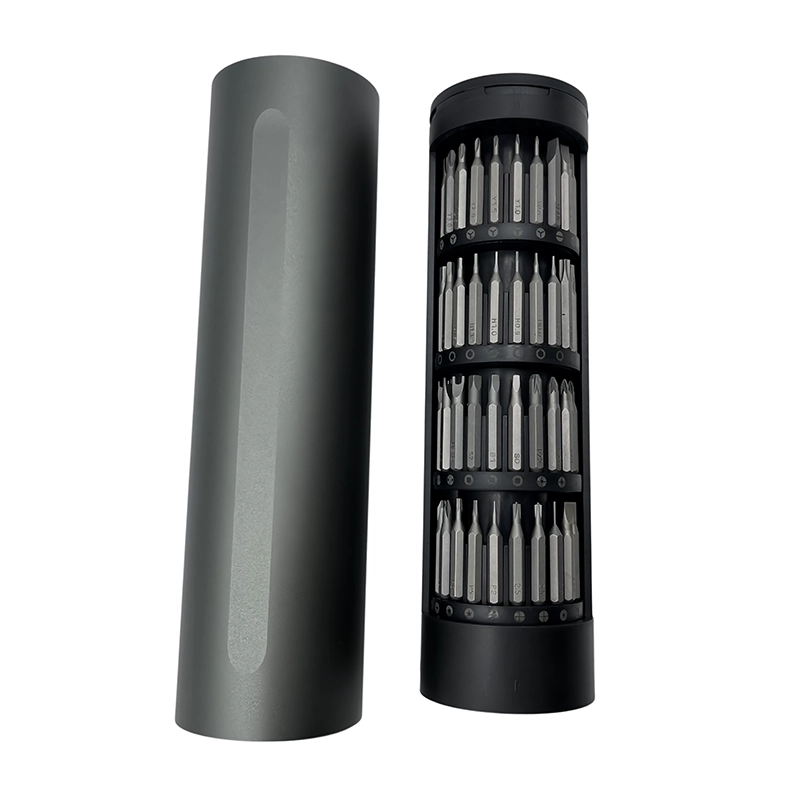
XOENAEN 67-in-1 electric precision screwdriver, rotating bit case and storage sleeve
Product shown as a real platform reference. Confirm the selected model and configuration for each project.

Direct answer

What is the practical selection rule?

Choose an electric precision screwdriver by matching the lowest controllable torque, bit profiles, access space and duty cycle to the actual repair. For phones and tablets, power should speed removal and initial seating while manual control handles breakaway and final feel. Validate the selected model on representative screws before approving a repair, retail or OEM kit.

Real XOENAEN platforms

Compare published product configurations.

These links use the current product pages and images. Published specifications are a starting point; order-specific configuration remains subject to confirmation.

01 / Choose the platform

Buying and configuration

Start with the fasteners, devices and control range that matter. Piece count is useful only after the working requirements are clear.

02 / Match the repair

Phones, tablets and electronics

Small-device repairs combine fragile surfaces, short screws and confined access. These guides separate safe power-assisted steps from manual finishing.

03 / Understand the controls

Torque, runout and charging

A specification becomes useful when its method and task are defined. Review how to interpret torque, bit stability and USB-C charging before comparing models.

04 / Keep the tool ready

Care and fault diagnosis

Storage, battery condition and early vibration or noise checks help preserve predictable operation without turning symptoms into unsupported diagnoses.

05 / Approve the project

OEM sourcing and sample evidence

Move from a reference model to an auditable brief, representative sample and packaging plan. Required limits remain project-specific until agreed.

Decision questions

Answers before you choose.

These answers summarize the visible guidance on this page. Project-specific limits and configurations must be confirmed for the intended application.
01

What should be compared before choosing an electric precision screwdriver?

Compare the actual screw profiles and sizes, the lowest useful torque control, speed, access space, bit retention, charging method, duty cycle and case organization. Evaluate those points on representative devices instead of selecting by accessory count alone.

02

Is maximum torque the most important specification?

No. Delicate electronics often depend more on controllable low torque, stable bit engagement and operator feel. Maximum torque is relevant only when the intended fasteners and material require it, and the test method must be known before numbers are compared.

03

When should a small screw be finished by hand?

Use manual control when breaking a tight fastener free, starting a thread or making the final seating decision on a delicate assembly. The exact handoff point depends on the screw, joint material and the approved repair method.

04

Which XOENAEN electric models can be compared here?

This hub links to the 67-in-1, 53-in-1 and 58-in-1 electric precision screwdriver pages. Their product pages show the currently published configuration and images; buyers should confirm the final model revision and accessories for an order.

05

What belongs in an OEM electric screwdriver sample approval?

Record the exact model and revision, torque and speed method, battery and charging configuration, bit list, controls, appearance, labels, accessories and packaging. Acceptance limits and sample size should be agreed before the result is treated as project evidence.

Project inquiry

Bring us the brief.

Share your product, market, quantity and customization requirements. Our project team will reply with the right next step.