Ratchet screwdriver knowledge center

Use less repositioning where access is limited.

A task-led guide to ratchet screwdriver sets for appliance repair, furniture assembly and DIY, covering mechanisms, bit interfaces, care and OEM approval.

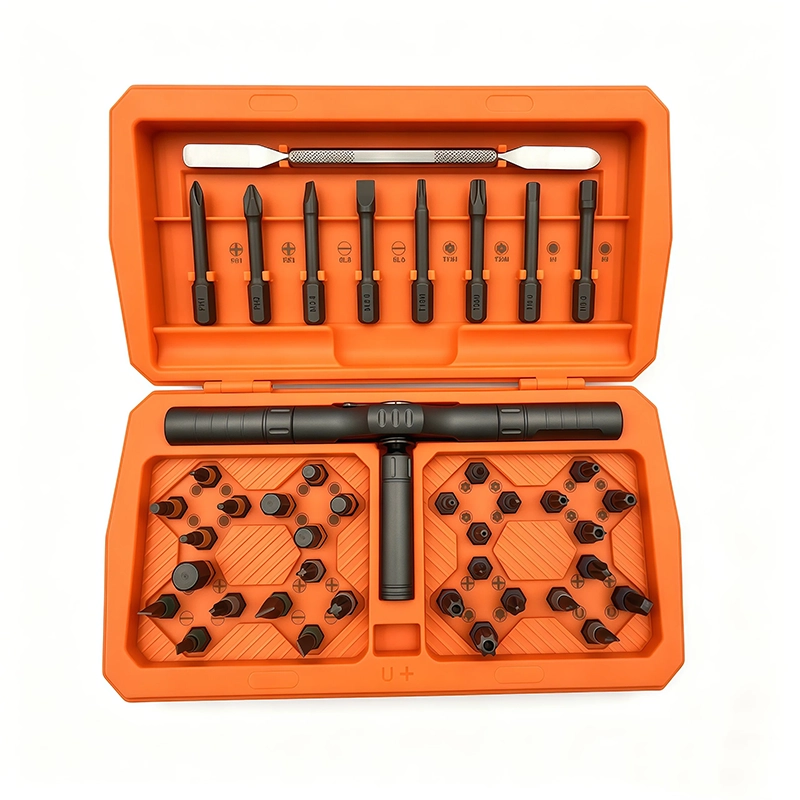
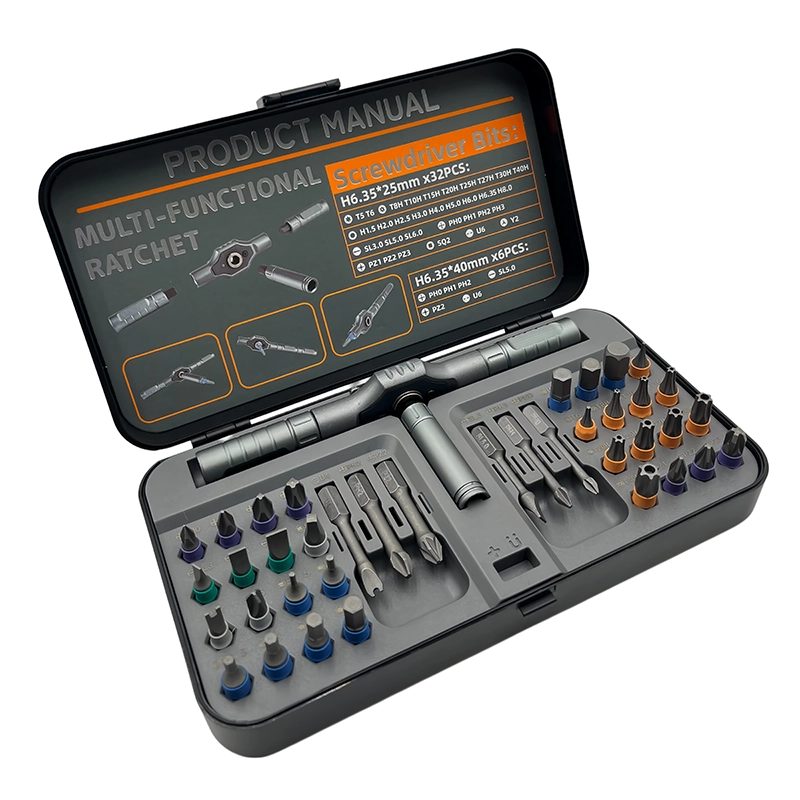
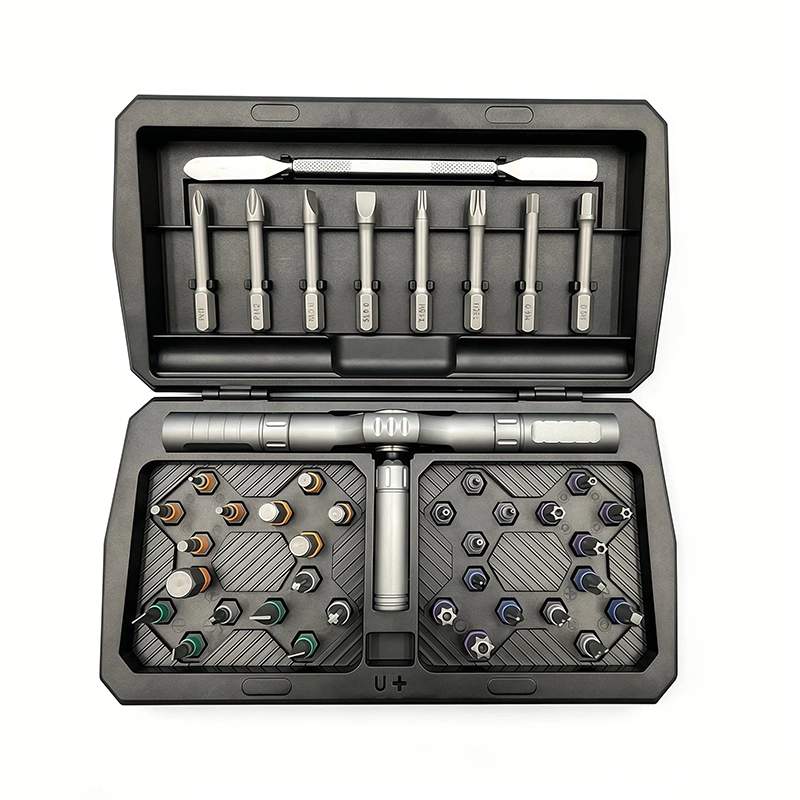
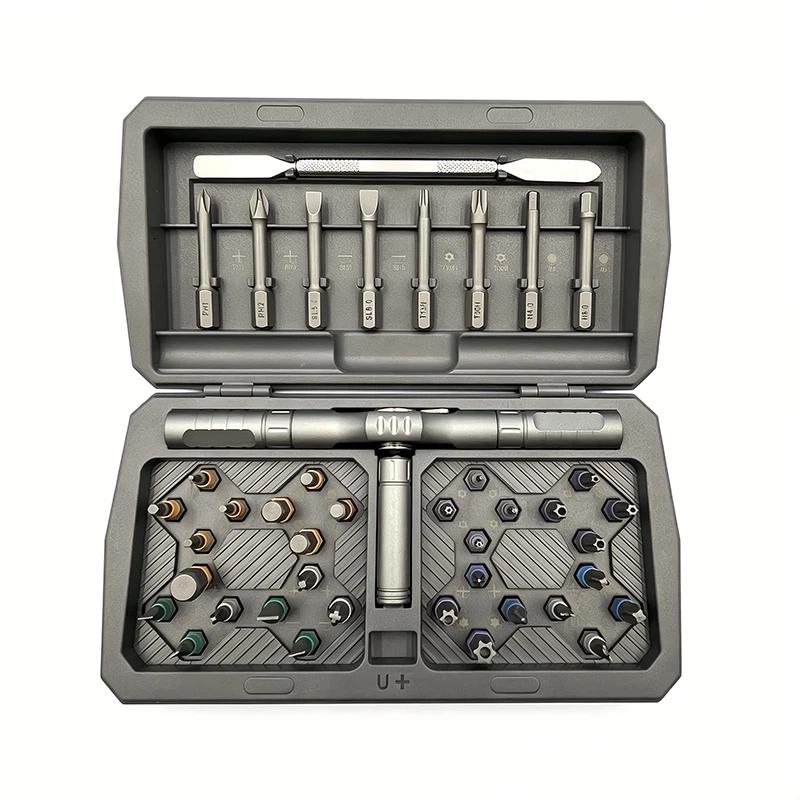
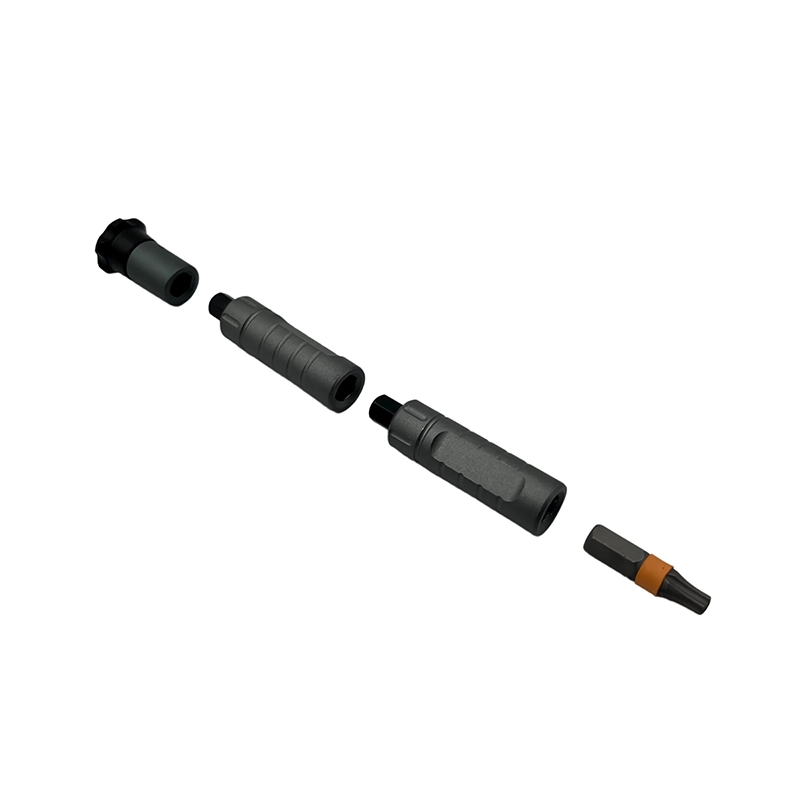
XOENAEN 66-in-1 ratchet screwdriver set with T-handle, sockets and organized bits
Product shown as a real platform reference. Confirm the selected model and configuration for each project.

Direct answer

What is the practical selection rule?

A ratchet screwdriver earns its place when access is restricted or repeated wrist repositioning slows the job. Select the handle form, swing arc, direction control, bit interface and included sockets around the actual appliance, furniture or DIY task. Hand-start fasteners, keep the bit square and verify the mechanism before approving a kit.

Real XOENAEN platforms

Compare published product configurations.

These links use the current product pages and images. Published specifications are a starting point; order-specific configuration remains subject to confirmation.

01 / Choose the handle

Kit and format comparison

Compare handle geometry, usable swing space, bit and socket coverage, and storage against the job. The largest kit is not automatically the most efficient one.

02 / Match the movement

Appliances, furniture and DIY

A ratchet can reduce repeated hand repositioning, but only when its handle and direction control fit the available space and fastener orientation.

03 / Control engagement

Mechanism and bit interface

Good results depend on square bit engagement, the correct interface and a direction selector that stays in its intended mode throughout the stroke.

04 / Inspect before work

Storage and mechanism care

Keep bits organized and check retention, selector movement and abnormal play before use. Do not conceal a worn mechanism with extra force.

05 / Approve repeatability

OEM kit and endurance planning

A buyer should define the mechanism, handle, interface, accessory list and test method before requesting a sample or interpreting an endurance result.

Decision questions

Answers before you choose.

These answers summarize the visible guidance on this page. Project-specific limits and configurations must be confirmed for the intended application.
01

When is a ratchet screwdriver more useful than a standard handle?

It is most useful when the fastener can turn through repeated short strokes but the hand cannot comfortably reposition after every stroke. A standard or fixed handle may still be better for delicate starting, final feel or unrestricted access.

02

Does a finer ratchet automatically make a better screwdriver?

No. Swing arc is only one factor. Selector reliability, handle control, bit retention, interface fit and the required load all affect suitability. Compare the complete mechanism under the intended task and agreed test method.

03

How can cam-out be reduced with a ratchet screwdriver?

Confirm the exact bit profile and size, seat it fully, keep the tool aligned with the fastener and apply controlled axial pressure. Stop if the tip climbs out; increasing force on a poor fit can damage the screw.

04

Which XOENAEN ratchet sets are available from this hub?

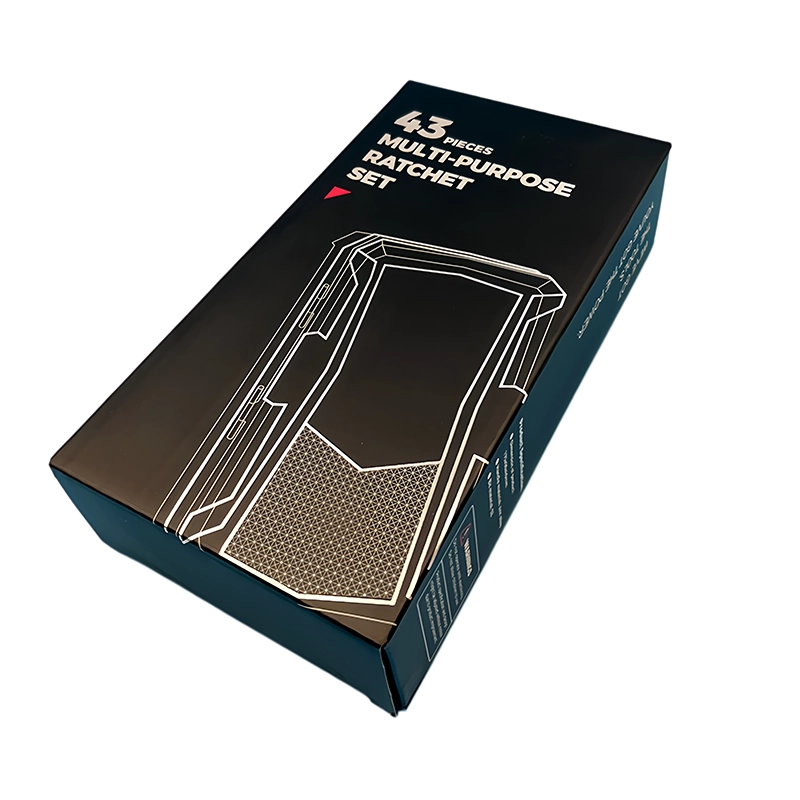
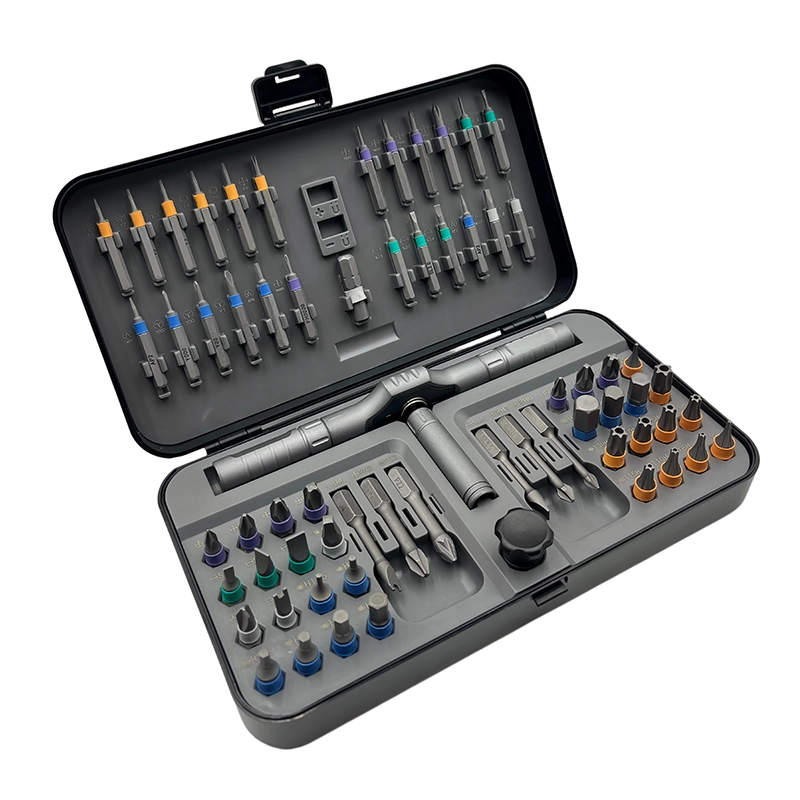
This guide links to the 66-in-1, 43-in-1 and 40-in-1 ratchet set pages. Their published images and configurations support initial comparison, while the final revision and accessories should be confirmed for an order.

05

What should an OEM ratchet mechanism test define?

Define the exact sample, direction modes, bit interface, applied load, stroke or cycle method, fixture, environment, acceptance limits and inspection intervals. A cycle number without those conditions is not sufficient project evidence.

Project inquiry

Bring us the brief.

Share your product, market, quantity and customization requirements. Our project team will reply with the right next step.