To refine 3D printed keycap stem test coupons, identify a small filament ridge at the entry of the coupon's stem socket and protect the socket geometry, wall thickness, axis alignment and the intended comparison between samples. Begin with a pointed hand tool used to identify and lift only the loose ridge; use a very fine rotary point used for a marked local obstruction, never to resize the socket only for access that the hand method cannot provide. Track reference switch stem, insertion force by feel, axis alignment, heat and sample identification, stop if the coupon becomes loose, the socket turns glossy over a broad area or the stem no longer enters squarely, and accept the part only when the reference stem seats and releases consistently while the coupon still serves as a controlled fit comparison.
refine 3D printed keycap stem test coupons
refine 3D printed keycap stem test coupons is a controlled post-processing task that removes a small filament ridge at the entry of the coupon's stem socket from a 3D printed keycap-stem test coupon used to compare fit before a decorative keycap is made without changing the socket geometry, wall thickness, axis alignment and the intended comparison between samples.
Where can a rotary pen help when a printed keycap stem coupon has a local print artifact? The example here is a 3D printed keycap-stem test coupon used to compare fit before a decorative keycap is made. A rotary pen can offer local access after a print is cleaned and supported, but it is not a shortcut for uncertain geometry. The exact filament or resin, accessory instructions, fixture and representative sample govern any approved process.
What is the actual defect, and what must remain unchanged?
For refine 3D printed keycap stem test coupons, record a small filament ridge at the entry of the coupon's stem socket before touching the part. On a 3D printed keycap-stem test coupon used to compare fit before a decorative keycap is made, preserve the socket geometry, wall thickness, axis alignment and the intended comparison between samples. Raking light, a close photo and a real mating item or gauge help separate an interference point from a cosmetic mark that should be left alone.
Establish the hand-finished reference first
a pointed hand tool used to identify and lift only the loose ridge gives an operator immediate feedback at the defect. Make one small trial, clear residue and compare the result with an untouched area. That reference protects against turning an isolated problem on a 3D printed keycap-stem test coupon used to compare fit before a decorative keycap is made into a larger dimensional or visual change.
When is a rotary pen useful in this application?
a very fine rotary point used for a marked local obstruction, never to resize the socket is appropriate only when the mapped contact is difficult to reach by hand. Use brief, inspectable contact rather than continuous abrasion, and do not treat a catalogued tool platform as a promised setting for every material or print profile. A rejected coupon is the safest place to learn the limit.
How should the printed part be held?
Use a low-profile fixture that keeps the coupon square and leaves the stem socket visible. The fixture must resist vibration while keeping the contact zone visible, and it should not crush or preload delicate printed walls. Before rotating any accessory, confirm a clear tool path, a clear debris path and a safe stop path away from the operator and protected features.
Which first-article checks make the method repeatable?
For this use case, document reference switch stem, insertion force by feel, axis alignment, heat and sample identification, along with material, print orientation, part revision, accessory identity, fixture and before-and-after images. The record should state the no-touch zones and name the gauge, sample or visual standard that decides whether this correction is accepted.
What is the practical pass sequence?
Inspect, mark, support, make one controlled contact, remove residue and inspect again. For refine 3D printed keycap stem test coupons, recheck the functional reference after every pass instead of waiting until the end. If the same high spot recurs across pieces, correct the print setup, orientation or model rather than normalizing open-ended manual rework.
What is the stop signal?
Stop work when the coupon becomes loose, the socket turns glossy over a broad area or the stem no longer enters squarely. Clean the part, compare it with the starting condition and choose the responsible next action: a gentler hand method, a changed fixture, a reprint or an upstream design and print correction. More pressure or speed cannot recover material that has already been removed.
How should this 3D printed part be released?
Release the part only when the reference stem seats and releases consistently while the coupon still serves as a controlled fit comparison. Inspect under repeatable light and use the actual mating item or documented gauge where applicable. A surface can look cleaner while still failing its fit, alignment or visual-role requirement, so the acceptance step must be chosen before finishing begins.
What should an OEM buyer include in a rotary-pen brief?
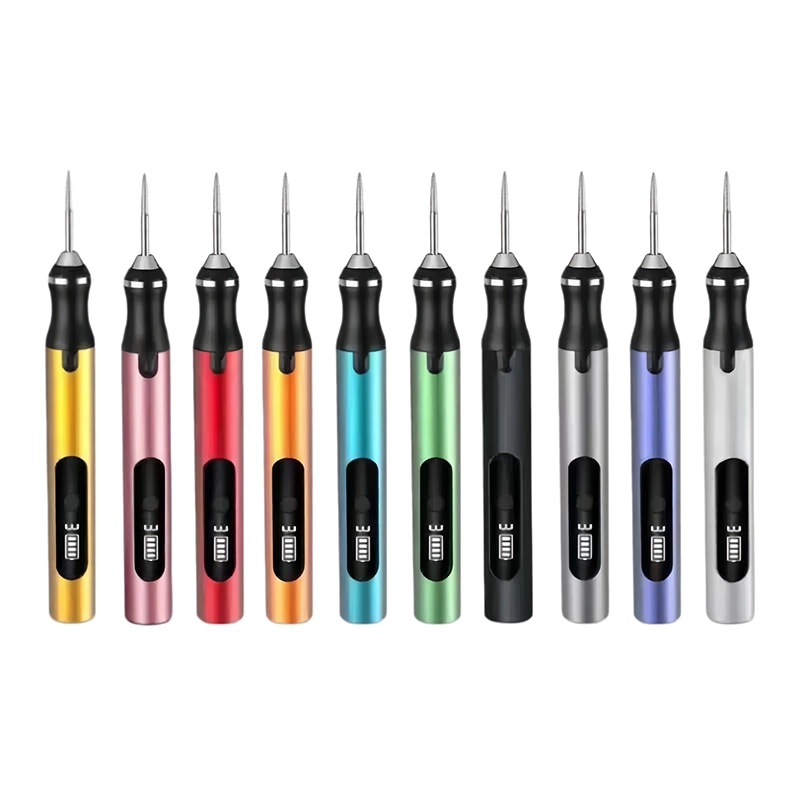
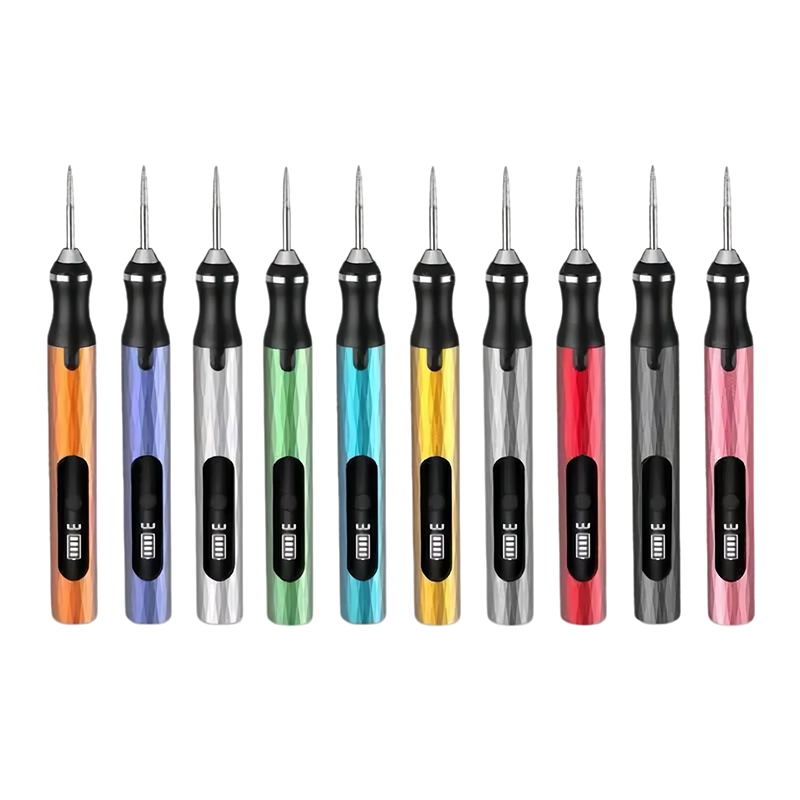
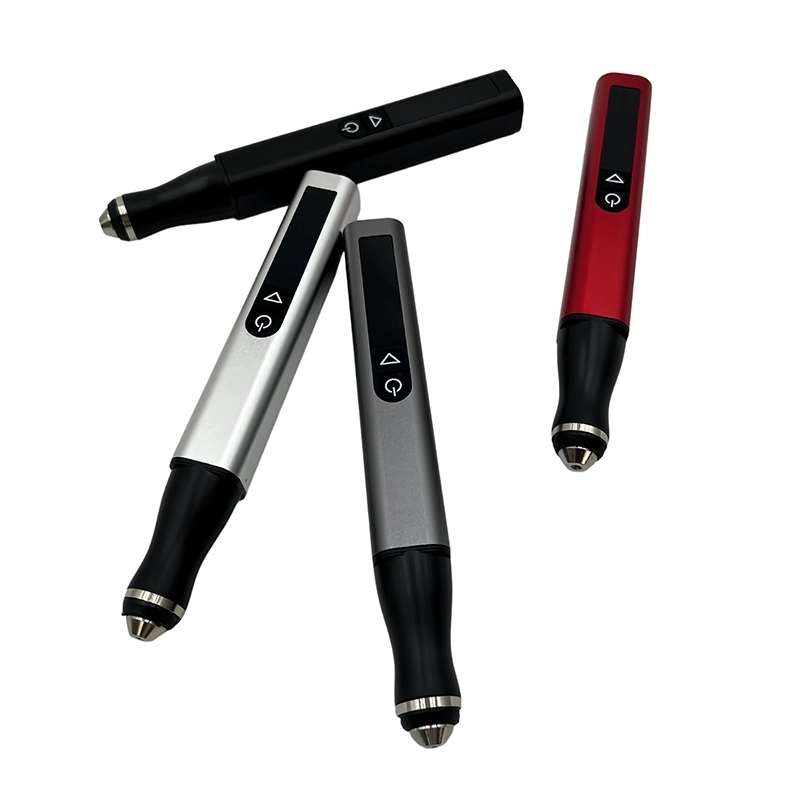
A buyer considering refine 3D printed keycap stem test coupons should provide the print material, defect photographs, protected features, fixture idea, accessory interface, target market, sample quantity and acceptance evidence. XOENAEN H102 five-speed cordless engraving pen is a first-party XOENAEN catalogue reference, not a universal compatibility or performance claim. Evaluate the proposed configuration on the buyer's representative printed sample before release.
Use the least aggressive method that proves the result
| Method | Appropriate role | Control point |
|---|---|---|
| a pointed hand tool used to identify and lift only the loose ridge | Identify and correct a local interference | Protect the marked boundary |
| a very fine rotary point used for a marked local obstruction, never to resize the socket | Reach a mapped inaccessible spot | the coupon becomes loose, the socket turns glossy over a broad area or the stem no longer enters squarely |
| Reprint or upstream correction | Recurring or geometry-critical artifact | Approve a new representative sample |
- Photograph a small filament ridge at the entry of the coupon's stem socket before choosing an accessory.
- Protect the socket geometry, wall thickness, axis alignment and the intended comparison between samples.
- Fixture the part with a low-profile fixture that keeps the coupon square and leaves the stem socket visible.
- Record reference switch stem, insertion force by feel, axis alignment, heat and sample identification.
- Stop if the coupon becomes loose, the socket turns glossy over a broad area or the stem no longer enters squarely.
- Approve only when the reference stem seats and releases consistently while the coupon still serves as a controlled fit comparison.
- XOENAEN H102 five-speed cordless engraving pen →
- 3D print finishing tools guide →
- Rotary tools and 3D print finishing hub →
- Related guide: size 3d printed press fit pin hole →
- Related guide: fit 3d printed dovetail slide without play →
- Plan an OEM or ODM tool project →
- Continue with the refine-3d-printed-paint-palette-well-edges topic →
- XOENAEN editorial policy →
What should be checked before you refine 3D printed keycap stem test coupons?
Confirm that a small filament ridge at the entry of the coupon's stem socket is the real interference, then protect the socket geometry, wall thickness, axis alignment and the intended comparison between samples. Capture the starting condition and select the gauge or actual mating item before material is removed.
Why does workholding matter for refine 3D printed keycap stem test coupons?
a low-profile fixture that keeps the coupon square and leaves the stem socket visible keeps the part stable and the contact point visible. That limits vibration and helps prevent accidental contact with the socket geometry, wall thickness, axis alignment and the intended comparison between samples.
When can a rotary pen help with refine 3D printed keycap stem test coupons?
a very fine rotary point used for a marked local obstruction, never to resize the socket can help only after the contact zone is mapped and a hand reference is understood. Verify the material, accessory and geometry on a representative coupon first.
What tells an operator to stop refine 3D printed keycap stem test coupons?
Stop when the coupon becomes loose, the socket turns glossy over a broad area or the stem no longer enters squarely. Clean and inspect rather than increasing pressure or speed, because later polishing cannot replace removed geometry.
What should an OEM buyer supply for refine 3D printed keycap stem test coupons?
Provide the revision, material, defect photo, protected features, fixture constraints, sample quantity and acceptance evidence for refine 3D printed keycap stem test coupons. These inputs make the tool and accessory discussion specific to the real work.