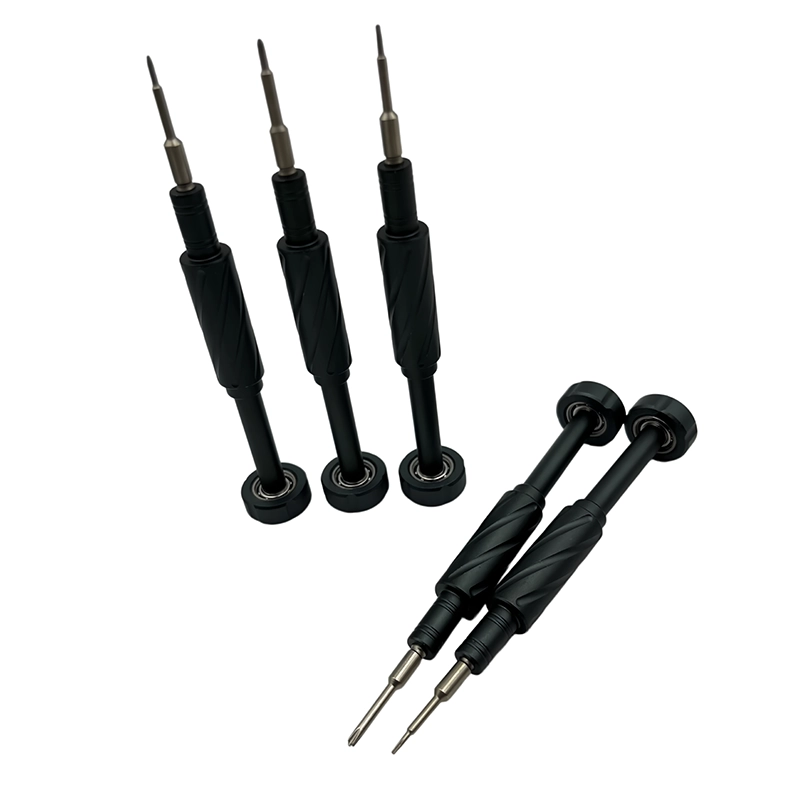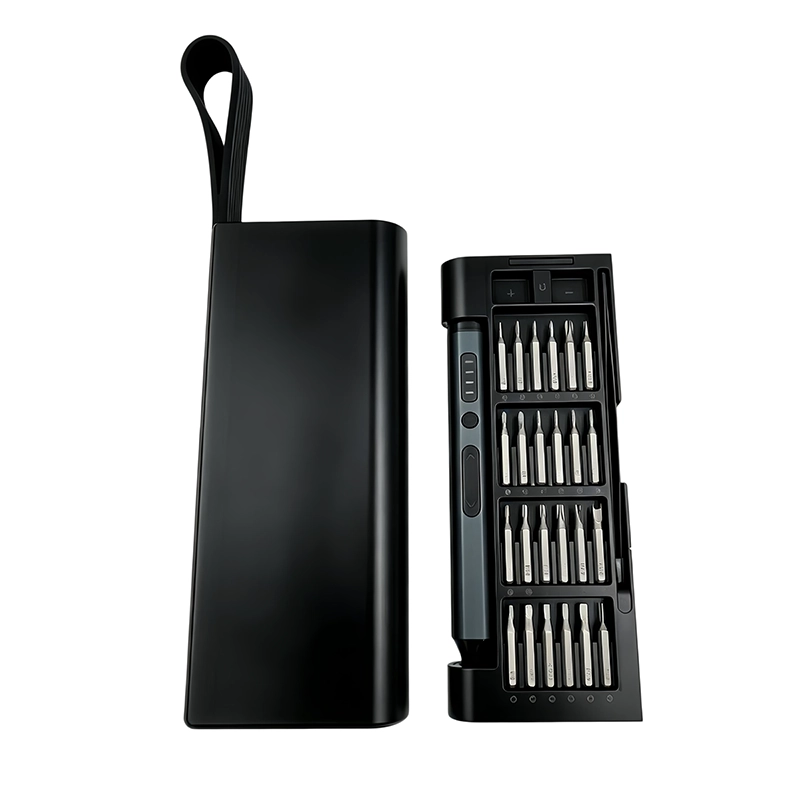
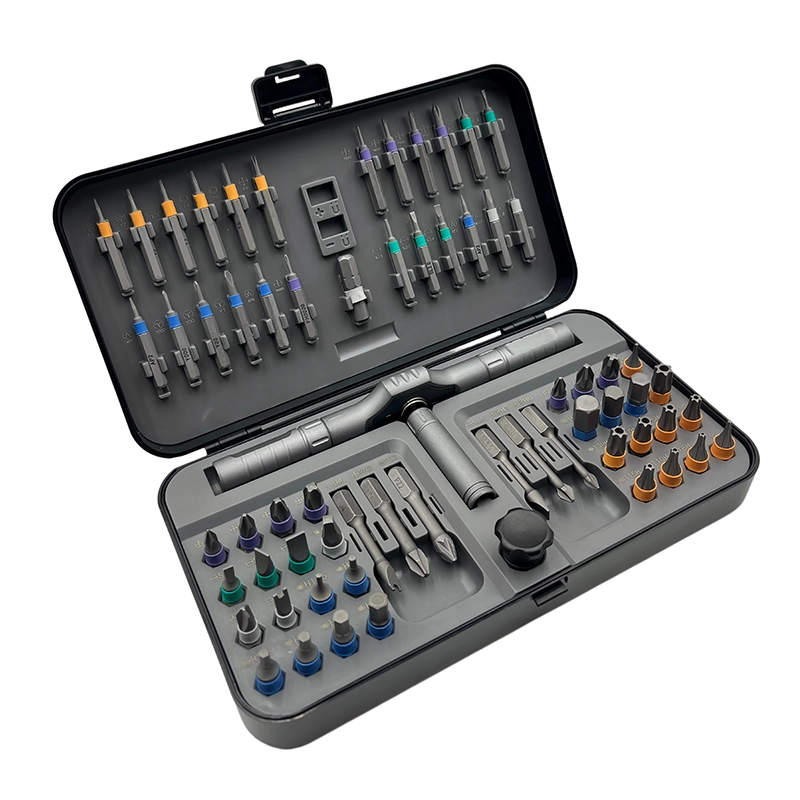
Neither S2 nor CR-V is automatically the better screwdriver bit. Compare the exact profile, dimensions, working length, heat treatment, SKU-specific hardness, toughness and fit on representative fasteners. The XOENAEN 66-in-1 configuration uses long S2 bits at 58–62 HRC and short CR-V bits at 52–56 HRC; those values are product-specific, not universal material rules.
S2 and CR-V screwdriver bits
Finished screwdriver bits made from S2 or chromium-vanadium alloy families whose real behavior also depends on geometry, heat treatment, hardness, toughness, straightness, surface condition and quality control.
Is S2 steel better than CR-V for screwdriver bits?
Neither alloy family is automatically the better finished bit. S2 is commonly selected for driver bits that need a hard, wear-resistant tip, while chromium-vanadium grades are used across many hand-tool and bit geometries. The decision still belongs to the exact profile, cross-section, working length, heat treatment, hardness range, toughness and fastener fit. A buyer should approve a finished component under the intended load rather than turn the steel name into a universal ranking.
What can the alloy designation actually tell a buyer?
The material designation establishes a starting family for chemistry and processing discussions. It does not show whether the bar or blank matched the purchase requirement, whether heat treatment was consistent, whether the tip was machined correctly or whether the coating hides edge damage. Ask for a material declaration tied to the supplied component, heat-treatment lot identity and an inspection record. If the source or process changes, the approved result should be reviewed before production continues.
What does the XOENAEN 66-in-1 configuration establish?
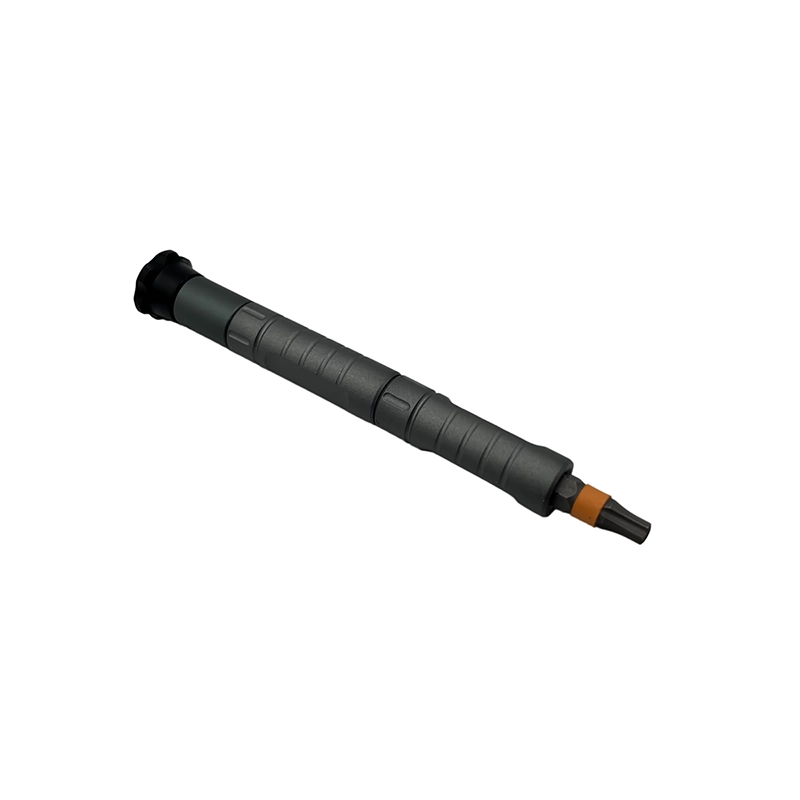
The current XOENAEN 66-in-1 ratchet screwdriver page lists long S2 bits at 58–62 HRC and short CR-V bits at 52–56 HRC, with H6.35 and H4 formats represented in the set. These are model-specific component records. They demonstrate that one kit can use both material families for different bit groups; they do not establish universal hardness targets or prove that one material is more durable in every profile and load.
Why should tip geometry be approved before durability?
A bit that rocks, bottoms early or touches only part of the recess concentrates load and can cam out regardless of material. Confirm profile and size, flank contact, recess depth, working length, drive interface and access on representative fasteners. Use magnification where the recess is shallow. Record which screw and bit were paired so a wear result is not blamed on steel when the true cause is incorrect geometry or incomplete seating.
How should hardness and toughness be balanced?
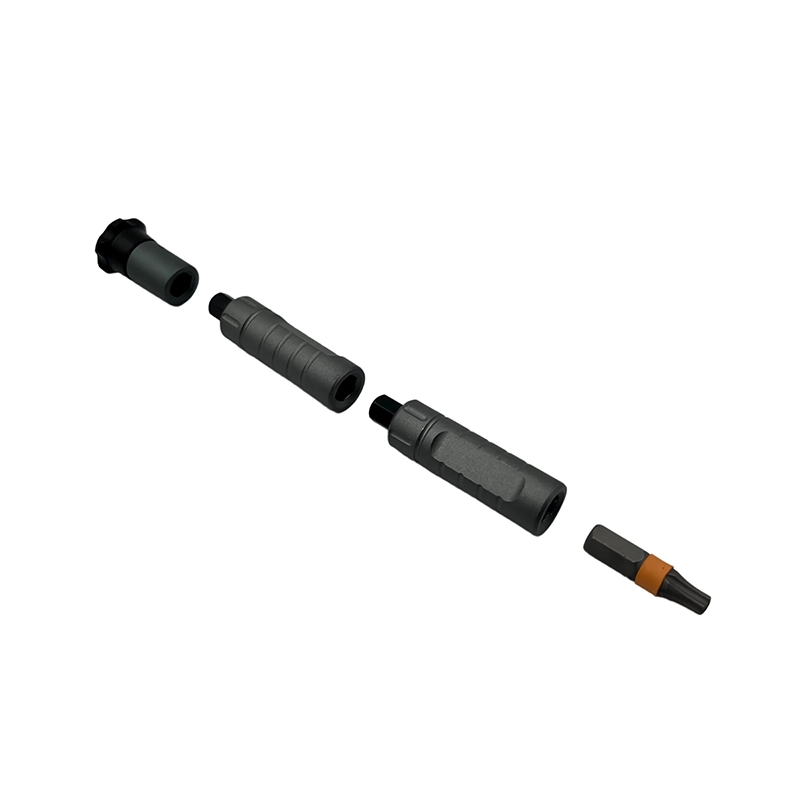
Hardness can improve resistance to wear and deformation, but maximum hardness is not the goal. Thin wings, small Torx lobes, deep profiles and long bits can be sensitive to chipping or fracture when geometry and toughness are ignored. Set a range for the exact SKU and intended duty, then inspect the failure mode in a representative-use test. A rounded tip, chipped corner and fractured shank are different problems and can require different process corrections.
Which tests make an S2 vs CR-V comparison useful?
Use the same representative fastener, fixture, bit interface, seating depth, alignment, cycle sequence and acceptance rules for both candidates. Check dimensions and fit first, then verify hardness under a documented method and perform the agreed torque or repeated-use sequence. Retain individual observations, tip photographs and any screw damage. If the profiles or hardness targets differ, state that clearly instead of presenting the result as a pure alloy comparison.
How do bit length and drive size affect the choice?
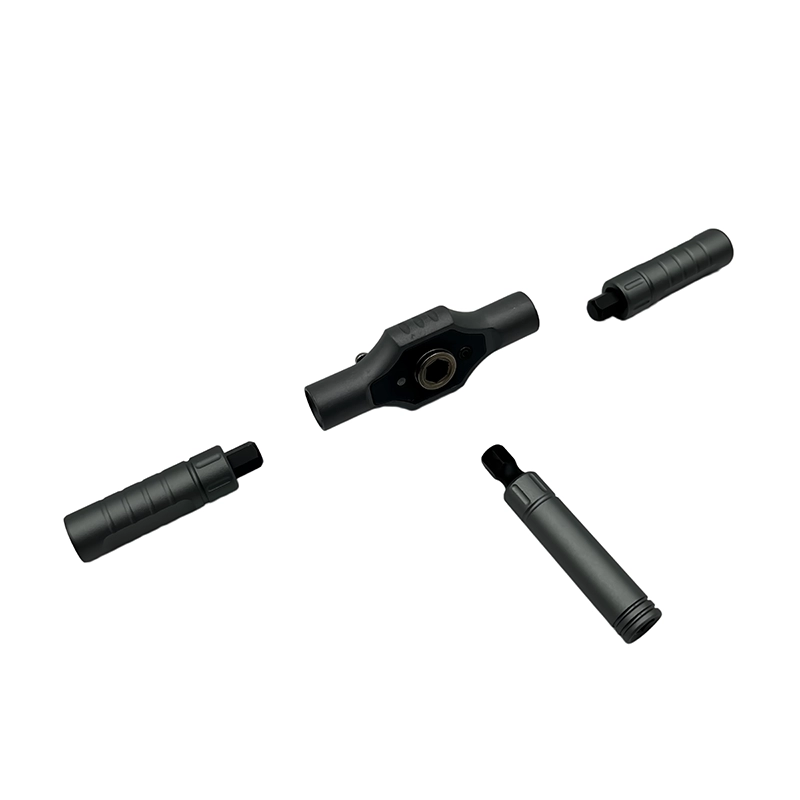
Long bits add reach but magnify straightness error and bending. Short precision bits can suit confined work but may use a different drive interface or cross-section. H4 and H6.35 are system decisions as well as dimensions: holder fit, retention, torque path and replacement availability change with the interface. Approve the complete bit-and-holder system rather than selecting material before the required geometry and access are known.
What evidence belongs with an OEM sample?
Keep the approved bit map, material for each group, hardness range, drawings or controlled dimensions, heat-treatment lot, surface finish, marking, fastener-fit record, straightness or runout screen, representative-use result and packaging layout. The golden sample should identify the visible and functional configuration. A later material, supplier, heat-treatment, profile-tooling or coating change should trigger documented review instead of silent substitution.
How should a buyer choose between S2 and CR-V?
Begin with the customer fasteners, access, expected load, daily use and replacement policy. Request candidates whose geometry and drive system match that requirement, then compare them under one written sample plan. Choose the configuration that meets the approved fit, toughness, wear, traceability and commercial needs. For the XOENAEN 66-in-1 example, send the target bit map and use case so the model record can be evaluated without generalizing its material mix.
S2 and CR-V buyer comparison
| Question | S2 candidate | CR-V candidate |
|---|---|---|
| Material evidence | Declaration and heat-treatment lot for the S2 SKU | Declaration and heat-treatment lot for the CR-V SKU |
| Finished geometry | Approve profile, dimensions, fit and straightness | Approve profile, dimensions, fit and straightness |
| Performance decision | Representative-use result under the intended load | Representative-use result under the same intended load |
- Map the required profiles, sizes, drive interfaces and working lengths
- Record the selected material for each bit group
- Set SKU-specific hardness and toughness expectations
- Approve fit on representative fasteners
- Run the same documented use test on candidates
- Retain heat-treatment, inspection and change-control records
Is S2 better than CR-V screwdriver bits?
Not automatically. Compare finished geometry, heat treatment, hardness, toughness, fit and use evidence for the exact bit and fastener.
Are S2 screwdriver bits always harder than CR-V bits?
Do not infer hardness from the alloy label alone. Verify the approved range and test record for each SKU under a documented method.
What does the XOENAEN 66-in-1 material mix show?
Its current record lists long S2 bits at 58–62 HRC and short CR-V bits at 52–56 HRC. Those values apply to that configuration only.
Does a harder screwdriver bit last longer?
Not necessarily. Geometry, toughness, alignment, recess fit and the applied load influence wear, chipping and fracture.
How should buyers compare S2 and CR-V durability?
Use the same representative fastener, fixture, alignment, cycle sequence and acceptance rules after first confirming correct geometry and fit.
What bit changes require renewed approval?
Review changes in material source, heat treatment, profile tooling, dimensions, coating, working length, drive interface or inspection method.