Compare screwdriver set landed cost only after freezing the saleable configuration and quotation scope. Separate unit price, one-time development, packaging, inspection, origin charges, freight, insurance, customs, destination handling, fulfillment and after-sales assumptions. State quantity, currency, Incoterms rule, route, source and date for every estimate, then test multiple scenarios instead of relying on one false-precision total.
screwdriver set landed cost
The buyer-defined cost of one approved screwdriver set delivered to a stated destination and commercial boundary, calculated from normalized product scope plus agreed one-time allocation, packaging, inspection, logistics, customs and destination inputs. It is scenario-specific and should not be confused with supplier unit price, cash flow, marketplace fees or a universal tariff result.
A screwdriver set with the lowest quoted unit price may not be the lowest-cost item available for sale in the buyer's warehouse or fulfillment network. Importers need a landed-cost comparison that holds the product and commercial scope constant, separates one-time from recurring costs, documents freight and customs assumptions, and shows the effect of packaging, inspection, defects, returns and replenishment. The result should be a range or scenario, not a false-precision number copied from an early quotation.
This guide does not provide a universal HS code, tariff rate, tax result, freight quote or legal classification. Those inputs depend on the exact screwdriver set, materials and powered features, country of origin, transaction, destination, date and importer role. Use official tariff tools and qualified customs, tax and logistics advisers for the actual shipment. The buyer-side method here is to make every assumption visible so supplier offers can be compared on the same basis.
What belongs in screwdriver set landed cost?
Define the cost boundary before entering numbers. A practical landed-cost model follows one approved saleable unit from supplier scope to the named destination point. It can include the product and included accessories, customization and amortized tooling, retail packaging, inspection, origin charges, freight, insurance, customs brokerage, applicable duties and import taxes, destination handling and delivery. For e-commerce, the buyer may add fulfillment preparation, storage or channel fees in a separate available-for-sale layer.
Keep cost and cash flow separate. A refundable tax, deposit or recoverable charge may affect cash even if accounting treatment differs from a nonrecoverable cost. Likewise, a tooling payment can be a one-time investment rather than a cost of every future unit. Name the currency, exchange-rate source and date, quantity, shipment mode and Incoterms rule used in each scenario. Otherwise two spreadsheet totals can appear comparable while measuring different responsibilities and time periods.
Do not hide exclusions in a miscellaneous percentage. Each uncertain item should have an owner, source, date and confidence status. A supplier quotation may establish its own price basis; a forwarder may estimate route charges; a broker may advise classification and entry charges; and the buyer may know fulfillment and return costs. The final model should preserve those sources so a later revision does not look like an unexplained price increase.
How should buyers normalize different supplier quotations?
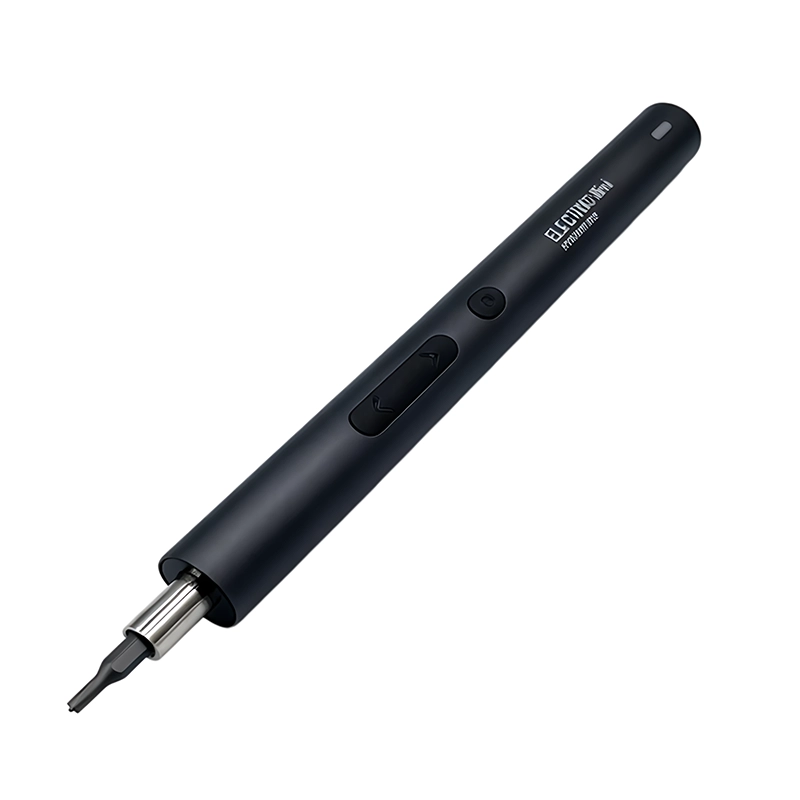
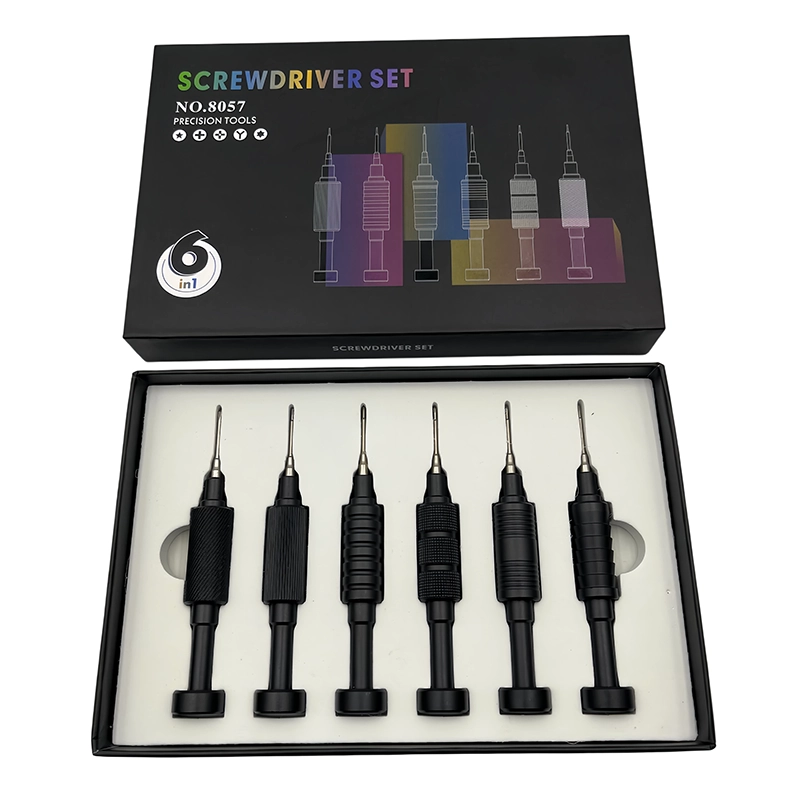
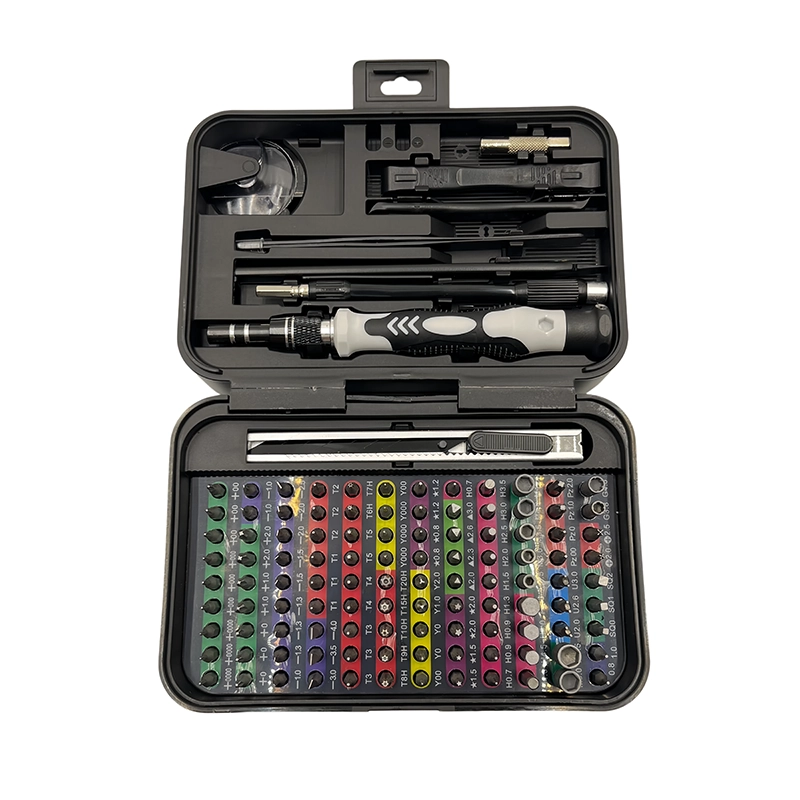
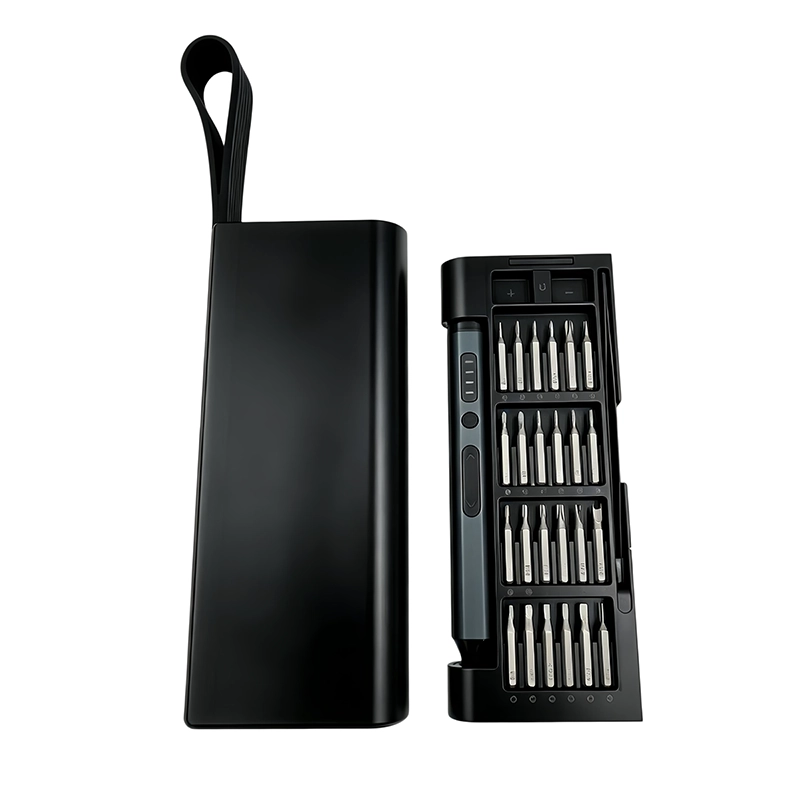
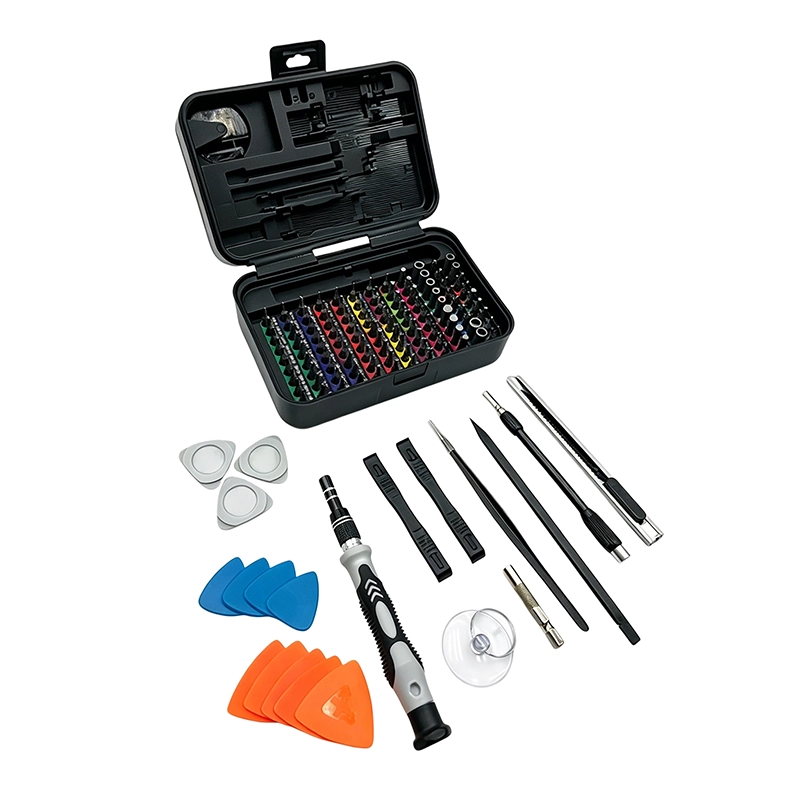
First freeze the comparison product. Use one buyer SKU or clearly labeled alternatives with the same intended tasks, bit profiles, handle or driver, battery and charging configuration where present, accessories, case, manual, markings, retail pack and quality scope. Comparing a manual 132-piece set with a powered 53-in-1 set can support a range decision, but it is not a like-for-like supplier price comparison. Each option should be evaluated against its own customer proposition and pack-out.
Second, translate each quote into a scope table. Record currency, validity, minimum order, quantity tier, Incoterms rule and named place, sample and setup costs, tooling, unit contents, packaging, inspection, spare parts, production time assumptions, carton quantity and measured production-intent weights and dimensions when available. Ask the supplier to mark included, excluded, buyer supplied or pending rather than accepting an unqualified all-in statement.
Third, normalize the quantity denominator. One supplier may quote per set, another per carton and another with a tooling charge allocated across the first order. Show the extended amount and the quantity received, then keep one-time costs visible. If the products differ, do not force them into the same unit-price cell: create configuration A and B, state the commercial reason for each and compare total margin and risk as separate scenarios.
Which one-time costs should be separated from recurring unit cost?
Possible one-time items include product development, tooling, fixtures, branded sample work, artwork setup, translation, initial test or document work, barcode setup, photography and launch inspection. Not every project needs every item, and the supplier may include some in unit price. Record the payer, deliverable, approval gate, ownership or license terms where relevant, and whether the charge must repeat after a product, artwork or market change.
Amortization is a management view, not a supplier promise. Divide a one-time amount by a conservative volume scenario, not only an optimistic annual forecast, and show the unamortized cash separately. For example, compare the first order, a likely 12-month volume and a downside volume. If a new revision makes an insert, package or document obsolete early, note the remaining balance and obsolete stock rather than silently distributing it across future units.
Samples and validation also need a clear boundary. A stock sample can show general platform fit, while a branded sample or production-intent pack may require new materials and approvals. Inspection, laboratory work or route-specific packaging evaluation belongs in the scenario only when its scope is understood. Never enter a generic certification allowance as proof that the final model will satisfy a destination requirement.
How do packaging and carton data change landed cost?
Screwdriver kits can be dense, and a presentation case may create more freight volume than the tool alone suggests. Compare the complete approved retail pack, inner pack and export carton—not a bare tool weight. Record the unit and carton dimensions, net and gross weight, carton quantity, protective materials, pallet plan where relevant and any route- or channel-specific preparation. Re-measure when the case insert, accessory map, manual or shipping protection changes.
Packaging has both direct and indirect cost. A stronger structure, molded tray, printed sleeve, multilingual manual or surface protection can add material and packing expense, yet inadequate retention can create abrasion, missing bits, damaged latches, repacking and returns. The buyer should define the performance and presentation needed for the channel, approve the production-intent pack and price the agreed version. The spreadsheet should not assume that the cheapest carton and the approved retail experience are the same thing.
Carton efficiency should be tested within acceptable protection and handling limits. Calculate units per carton or pallet, chargeable weight under the actual carrier method and destination handling requirements. Avoid optimizing only a digital cube calculation: a carton that exceeds a carrier, warehouse or manual-handling boundary can incur different charges or operational risk. Confirm current limits with the responsible providers for the actual route.
How should freight, Incoterms and insurance be compared?
Use the named Incoterms rule and named place or port, not a three-letter abbreviation alone. The rule allocates specified delivery tasks, costs and risk between seller and buyer, but it does not set title transfer, payment terms, customs classification or the freight price. Record pickup, origin documentation, export handling, main carriage, insurance where chosen, destination charges and final delivery as separate rows, then mark which party's quotation supports each one.
Build at least two route scenarios when timing or demand is uncertain: for example, normal ocean or rail planning where applicable and a smaller air or express recovery scenario. State shipment mass, volume, carton count, origin, destination, mode, service level and quote validity. Freight figures can change quickly; preserve the quoted date and avoid presenting an estimate as a guaranteed rate for the later production shipment.
Insurance scope should match the commercial decision. Record whether it is included by the relevant rule or quotation, the insured value basis, exclusions, deductible and claim evidence as applicable. Insurance does not replace protective packaging, accurate carton records or inspection. A cheap transport line with ambiguous destination fees or claim handling can be harder to compare than a more transparent route estimate.
How should customs duties, taxes and classification be handled?
Classify the exact saleable product for the destination and transaction. A manual screwdriver set, a powered rechargeable driver kit and a kit with materially different components may not have the same treatment. The presence of batteries can also affect transport processes independently of customs classification. Record the proposed code and rationale, country of origin, customs value basis, destination, date and adviser or official tariff source; do not reuse a code merely because another listing used it.
Keep the calculation fields separate: customs value, duty or other border charge, import tax or VAT, brokerage, disbursement, security or entry fees and any recoverability assumptions. Rules differ by jurisdiction and can change. The U.S. importer can use current U.S. Customs and Border Protection resources and professional advice; European buyers can use the European Commission's Access2Markets tools for destination-specific tariffs, procedures and taxes. Neither source turns a generic screwdriver description into an automatic classification.
Origin claims need evidence and legal review. Supplier location, shipment origin and customs origin are not interchangeable. If a preference or special measure may apply, identify the exact rule and supporting documents before reducing the modelled charge. Keep a base scenario without uncertain preference and a documented scenario with it, then let the responsible importer approve the input.
Which quality and after-sales costs belong in the comparison?
Add the prevention and verification work required for the chosen risk. This can include sample approval, pre-shipment inspection, receiving checks, barcode or pack-out verification and retained samples. Those activities are not automatically a surcharge from every supplier, so record who performs them and what the quotation includes. A low inspection line is not an advantage if the buyer later pays for sorting, relabeling or replacement after unidentified mixed revisions arrive.
Model expected quality cost with ranges grounded in the buyer's own data, not invented defect rates. Useful fields can include receiving rework, missing-part correction, damaged packaging, customer return freight, replacement units, service labor, spare bits and write-offs. Keep customer-preference returns separate from confirmed product or pack-out nonconformity. A new product without history should use transparent sensitivity cases rather than a confident percentage borrowed from another category.
After-sales configuration affects inventory. A set with replaceable bits or parts may need replenishment stock, pick-and-pack and support content, yet it can also reduce full-kit replacements. Record the service promise, claim evidence, response owner, spare-part compatibility and product-revision horizon. A unit-price comparison that ignores the promised customer experience can favor a configuration that is more expensive to support.
How can buyers compare quantity, cash and risk scenarios?
Build a small scenario matrix instead of one final number. At minimum, show the supplier minimum or first order, the likely replenishment order and a downside demand case. Vary quantity, one-time cost allocation, freight mode, exchange rate, applicable border inputs, destination delivery and a buyer-defined quality or return sensitivity. Keep the product revision constant within each scenario so cost movement is not confused with a specification change.
Then calculate decision metrics that match the channel: landed cost per saleable unit, cash required before arrival, gross margin before and after fulfillment, inventory weeks, reorder exposure and unamortized setup cost. For marketplace or distributor comparisons, add only account-specific fees confirmed by the responsible buyer. Do not publish a margin forecast as a guaranteed outcome; the model is a decision record whose inputs must be updated.
Use ranges and break-even questions. How many units must sell before one-time work is recovered? At what freight or exchange-rate change does another configuration become preferable? How much cost is created if packaging must be corrected after arrival? Sensitivity analysis tells the buyer which inputs need firm quotes or contractual control before the purchase order, instead of pretending every cell is equally certain.
What should the supplier and importer confirm before order release?
The supplier should confirm the exact product and package revision, included work, quantity tier, currency, Incoterms rule and named place, carton data status, sample and production assumptions, inspection scope, exclusions and quotation validity. The importer should confirm destination, importer-of-record responsibilities, classification and origin review, freight and insurance route, tax treatment, final delivery point, channel preparation and approval authority. Both sides should identify which inputs remain estimates.
Attach the cost model to the controlled purchase specification. If the driver, bit map, battery, case, artwork, carton quantity or delivery route changes, revise the affected input and show the decision. Preserve supplier, forwarder and broker references with their dates. This prevents a later team from comparing the new invoice with an obsolete spreadsheet and calling the difference an unexplained supplier increase.
The best landed-cost comparison does not produce the smallest number; it produces a number that can be traced to an approved screwdriver set, commercial term, shipment assumption and destination rule. Once that baseline is visible, buyers can negotiate the right scope, reduce avoidable rework and choose a product whose cost and customer promise remain aligned.
Why quoted unit price and landed cost answer different questions
| Cost layer | Input to record | Common comparison error |
|---|---|---|
| Product scope | Exact driver or handle, bits, accessories and revision | Comparing different configurations as the same set |
| One-time work | Tooling, samples, artwork and validation by deliverable | Hiding setup cash inside an optimistic volume |
| Packaging | Approved retail pack, carton quantity, weight and dimensions | Using bare-tool or preliminary catalog data |
| Quality | Sample, inspection, receiving and rework responsibility | Treating excluded verification as zero cost |
| Origin logistics | Pickup, export and terminal charges by named term | Reading a three-letter Incoterms code as an all-in price |
| Main carriage | Mode, route, service, mass, cube, date and validity | Using an expired freight estimate |
| Customs | Exact product, origin, value, code rationale and destination | Copying a generic HS code or fixed rate |
| Destination and support | Brokerage, delivery, fulfillment, returns and spares | Stopping the calculation at the port |
- Freeze one approved saleable-unit specification for every supplier scenario.
- Normalize currency, quantity, quotation validity, Incoterms rule and named place.
- Separate one-time cash and conservative amortization from recurring unit cost.
- Measure the production-intent retail pack and export carton after revisions.
- Date freight, exchange-rate, customs, tax and destination-service assumptions.
- Obtain destination-specific classification and origin review for the exact product.
- Model inspection, rework, returns and spare-part exposure with transparent ranges.
- Compare first-order, likely-reorder and downside demand scenarios before release.
- Review an Amazon private-label packaging brief →
- Plan screwdriver export carton pack-out →
- Review private-label and ODM options →
- Review manufacturing and quality-control scope →
- Review the electric-53 screwdriver set →
- Review the manual-132 screwdriver set →
- Read the related screwdriver-set-lot-revision-traceability guide →
- XOENAEN editorial policy →
Is screwdriver set landed cost the same as the supplier's unit price?
No. Unit price covers the supplier's quoted scope. Landed cost adds the buyer-defined allocation of setup, packaging, verification, logistics, customs and destination costs for a stated route and delivery boundary.
Which HS code applies to a screwdriver set?
This guide does not assign one. Classification depends on the exact set, materials, powered features, composition, destination and current rules. The importer should document the rationale using official tariff resources and qualified advice.
Should tooling cost be divided by the first screwdriver order?
Show the cash separately, then compare conservative amortization scenarios. Dividing only by an optimistic forecast can hide first-order exposure and the risk that a product revision shortens the tooling or packaging life.
Does DDP provide the importer's final landed cost automatically?
Not automatically. Confirm the named place, included services, importer and tax responsibilities, destination fees, documentation and applicable law. An Incoterms rule allocates defined delivery tasks but does not settle every cost or legal question.
How often should a screwdriver landed-cost model be updated?
Update it when the product or package revision, order quantity, currency, route, freight quotation, customs input, destination service or channel assumption changes. Keep the prior version so the commercial decision remains traceable.
How can a new importer estimate screwdriver return cost without history?
Use transparent low, base and stress scenarios, label them as assumptions and replace them with the buyer's own coded return data after launch. Do not borrow an unsupported defect percentage from another seller or product category.